
Storytelling? Ancient art! For centuries, it has wowed audiences! Nowadays, in commercial video production, it’s super-popular.
With storytelling, firms craft captivating, interactive content—great for promoting products and services.
In this article, let’s look at the importance of storytelling in commercial video production and how to use it.
Definition of storytelling
Storytelling has an important part in commercial video production. It connects the audience with the message or brand conveyed through film. It is the way of making a real or imaginary tale that moves its viewers emotionally and intellectually.
Through storytelling, filmmakers attempt to charm their watchers by presenting them with stimulating ideas, original perspectives and interactive images that delve deep into the narrative.
Storytelling in video production can take many forms such as dialogue, music and visuals. By using these techniques correctly, audio-visual storytellers can make stories that are both entertaining and educative. Documentary films and advertisements also use this method to increase audience engagement, particularly when targeting young people.
In commercial videos, storytelling is focused on stirring up emotion from audiences which leads to action (e.g. product purchase). To deliver these messages successfully, filmmakers must concentrate on creating absorbing narratives that join together multiple elements such as visuals, sound cues, dialogue and more. The result should be a piece of visual content that stands out due to its ability to both amuse and make strong connections built through story-telling strategies – without this, there would be no relationship between customer and brand!
Benefits of storytelling in commercial video production
Storytelling is essential in commercial video production. It helps to deliver messages and emotions better to viewers.
Utilizing storytelling has many benefits. It creates a connection with the audience. They can bond with the characters in the video, making a lasting impression.
Also, storytelling makes a video more interesting than facts or technical information. It creates suspense and intrigue, keeping viewers’ attention.
Moreover, storytelling gives commercial videos an opportunity for creativity. It allows thoughts to be explored through visuals, making the experience memorable.
Types of Storytelling
Storytelling is a must in commercial video production. It helps make an emotional bond between the audience and the brand. It also shows products or services in a creative way.
What are the different types of storytelling? In this article, we’ll examine the storytelling techniques that can be used in commercial video production.


Narrative Storytelling
Narrative storytelling is an emotional truth conveyer. It can give your video a sense of character and connection. It usually follows three acts: beginning, middle and end. Characters in conflict, a clear resolution and minimal language to maximize impact.
When crafting narrative-style video content, consider: What’s the story? How will you tell it?
Commercial videos can include voiceovers, dialogue, interviews with real people, props, soundscapes and kinetic motion. Storytelling offers unique elements to your project and can elevate its impact fourfold.
Visual Storytelling
Visual storytelling has charmed audiences for centuries. It is a technique which combines visuals like filming, lighting, composition, and color to form an intriguing story. This medium uses images and sound to express feelings and to connect viewers with the story.
Visual storytelling isn’t just for short films. Companies can use it for commercials too. Creating an original story for the commercial will help separate it from others. It keeps people interested rather than just displaying facts.
Using visuals in commercial videos is vital for visual storytelling. It helps set the mood and establish tone. Objects or animation with symbolic meaning can help the audience comprehend the story better, and leave them with a lasting impression.
Interactive Storytelling
Interactive storytelling is popular in modern times. It’s often used in commercial video production. It involves giving the audience a narrative and allowing them to shape events by engaging. This can be done through games, polls, immersive experiences, and branching stories.
It allows viewers to take part in the action and direct plot lines. This is important as attention spans shorten and digital media becomes more immersive.
An example of interactive storytelling might be an interactive YouTube or social media video. This could use polls or questionnaires to give viewers a choice between two plot lines. It creates engagement and ensures viewers stay invested in the narrative. This type of experience could be very valuable for commercial video production aiming for engagement and lead generation.



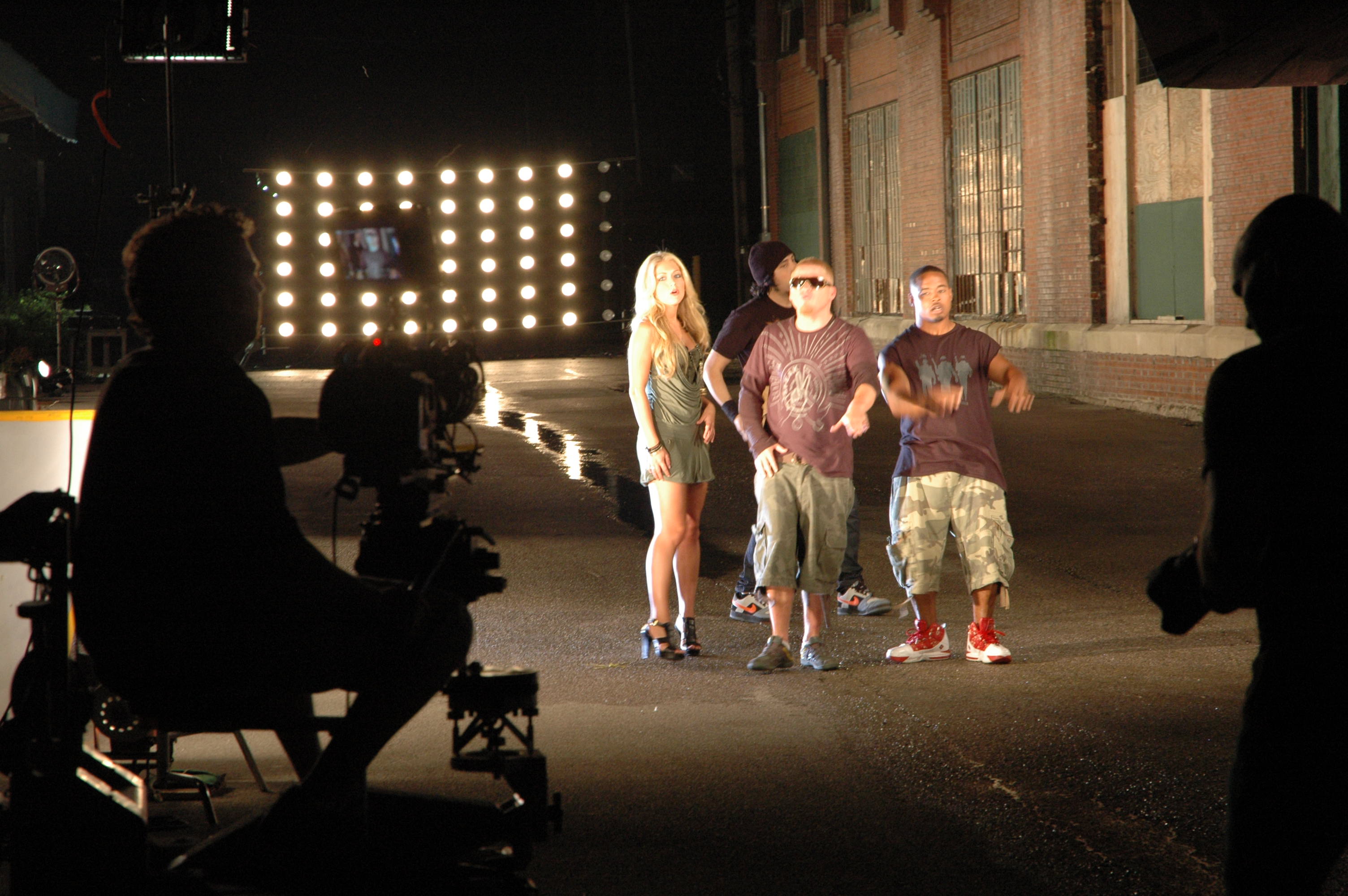


Techniques of Storytelling
Storytelling can be an incredible tool in commercial video production. Conflict, plot, characters and dialogue can help make your story come alive!
Here, we examine how these techniques can be used correctly to craft captivating videos that draw in viewers. We’ll also look at the significance of storytelling techniques and the outcome they have on commercial video production.
Use of Music
Music is great for storytelling! It can set a tone, introduce themes, and add emotion. A well-crafted soundtrack can make viewers feel: joyous, sorrowful, or even excited. Music can draw people into the story, build tension, and highlight important moments.
Types of music for video production include: classical, jazz, blues, rock & roll, pop, and more. Sound and visuals should work together, telling the story and engaging viewers. Filmmakers should explore different approaches when using music in their projects.
Use of Dialogue
Dialogue is vital for storytelling in any medium. Natural conversations between characters that capture emotion will draw the audience in, creating a connection to the characters.
In commercial video production, dialogue can establish relationship dynamics and exposition, while also creating a chance for branding. Actors should sound natural; their words should match the visuals, without being too rehearsed or scripted. Suspenseful moments, plus humor, can be created with dialogue.
Dialogue can bridge products to viewer experiences or stories, showing customers why they should invest in them. Companies must find ways to keep customers engaged by providing entertaining story diagrams, rather than just product descriptions and facts. Powerful stories with characters that people are invested in are essential for surviving in the competitive market!
Use of Visuals
Visual storytelling is essential for commercial video production. It helps viewers connect with images and emotions. Visuals can highlight concepts, characters, and actions. Editing techniques, like jump cuts or slow-motion, create interest and suspense. Colors, tones, and shading reflect underlying themes. Locations, props, and graphics tell stories without dialogue.
Sound design choices, like soundtrack cues or background music, add impact. Every detail counts towards bringing a story alive onscreen.
Examples of Storytelling in Commercial Video Production
Storytelling is a powerful tool. It can capture the attention of potential customers and keep them engaged while they watch your commercial video. Music, visuals, dialogue and captivating narration are all great ways to tell a story through video.
Here we’ll explore some examples of how storytelling has been used in commercial video production – successfully!
Apple’s “Think Different” Campaign
Apple’s “Think Different” campaign was a TV ad that launched in 1997. It featured people who achieved amazing things with their imagination and creativity. The commercial wanted to show Apple as an innovative brand and to inspire people to think differently. It used powerful storytelling to show the influence of these personalities on the world.
The video started with lots of colors and people from many backgrounds. It had inspiring narration that showed Apple’s revolutionary spirit. The goal was for people to realize the influence of exceptional figures in history, instead of only looking at tradition and process.
The narration said: “To those who have seen things differently… To those brave enough to try to change the world – because they do… Here’s to you.” This emotional message helped make this campaign one of Apple’s best.
Old Spice’s “The Man Your Man Could Smell Like” Campaign
Old Spice’s “The Man Your Man Could Smell Like” campaign in 2010 was a huge success! It was cleverly written and used humor to promote the brand in an unexpected way. Former NFL athlete Isaiah Mustafa was the star of the commercials. He spoke directly to women, giving them tips on how their men could become irresistible with Old Spice body wash.
In one commercial, Mustafa joked about never getting a man anything for Father’s Day – all while wearing a bear costume. He then explained that, if his man used Old Spice body wash, he’d be so attractive she wouldn’t have to bother getting him a gift. The content had viewers engaged and amused.
Old Spice also had a great distribution strategy. They created spin-offs from their original commercials that viewers could watch on YouTube or Hulu. People could vote for what they wanted The Man to do next by sending tweets with specific hashtags. This interactive storytelling enabled people to make content tailored to them.
“The Man Your Man Could Smell Like” became iconic. It showed how important storytelling is when creating effective video content for brand campaigns or products. Old Spice used innovative scriptwriting, humor, and interactive elements with online distribution strategies to deliver compelling messages that kept consumer attention during each commercial.
Nike’s “Just Do It” Campaign
The idea of storytelling is key to video production. Nike’s “Just Do It” campaign is a classic example of using narrative in advertising. It began in 1988 when Dan Wieden from Wieden+Kennedy wrote the slogan. The goal was to inspire people and show them anything can be achieved with effort and dedication.
The first ad featured Steve Prefontaine, an Olympic runner. It showed clips from competitions and interviews of him talking about his ambition. This created an atmosphere of striving for excellence.
Since 1988, the slogan has been used in other media. Celebrities like Tinker Hatfield, LeBron James, Rafael Nadal and Serena Williams have represented the brand. They’ve also invested in apparel design and digital channels, like their sponsorship of TikTok during the China-US conflict in 2020.
Video content reaches audiences around the world. Brands use visuals and stories that are recognizable across cultures – much like the success of the “Just Do It” campaign in the past 30 years.
Conclusion
An effective story arc can make a commercial engaging. For example, a commercial about quality could end with a character taking action. This is more memorable than a voiceover reminder.
Storytelling can transport viewers. It’s key for any marketing strategy. Creative visuals and dialogue can capture audience attention. A powerful message can be conveyed, no matter industry or revenue size.
Rob Haller 314-604-6544 stlouisdrones@gmail.com

 St Louis Drones