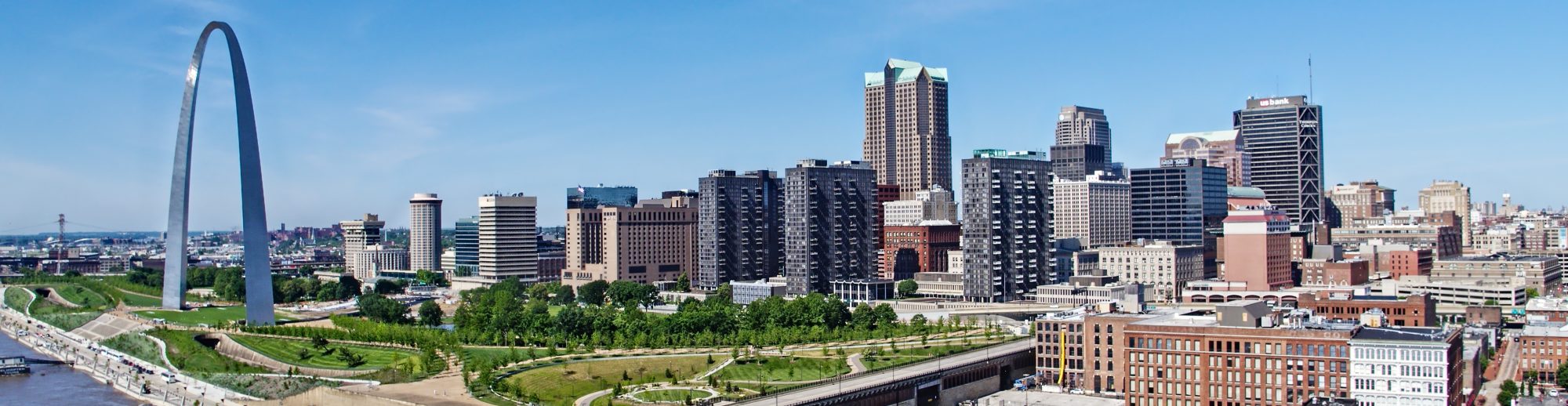
Drone footage isn’t a novelty anymore. Many organizations already have some form of aerial imagery—roof inspections, project progress shots, a quick flyover of a facility “just in case we need it someday.”
The problem? Most of that footage sits on a server and never earns its keep. From a PR and marketing standpoint, that’s a missed opportunity.
Used strategically, those “everyday” drone shots can become powerful public relations assets: press-ready visuals, social media sequences, executive presentations, and short videos that actually move reputations and revenue. The difference isn’t the drone—it’s how you plan, shoot, and repurpose the material.
As an experienced videographer, photographer and producer at St Louis Drones, here’s how I recommend turning routine aerial footage into eye-catching PR content that works for your brand and your stakeholders.
1. Redefine What “Everyday Drone Shots” Really Are
When you look at your current drone library, you’ll likely see:
- Simple flyovers of your building or campus
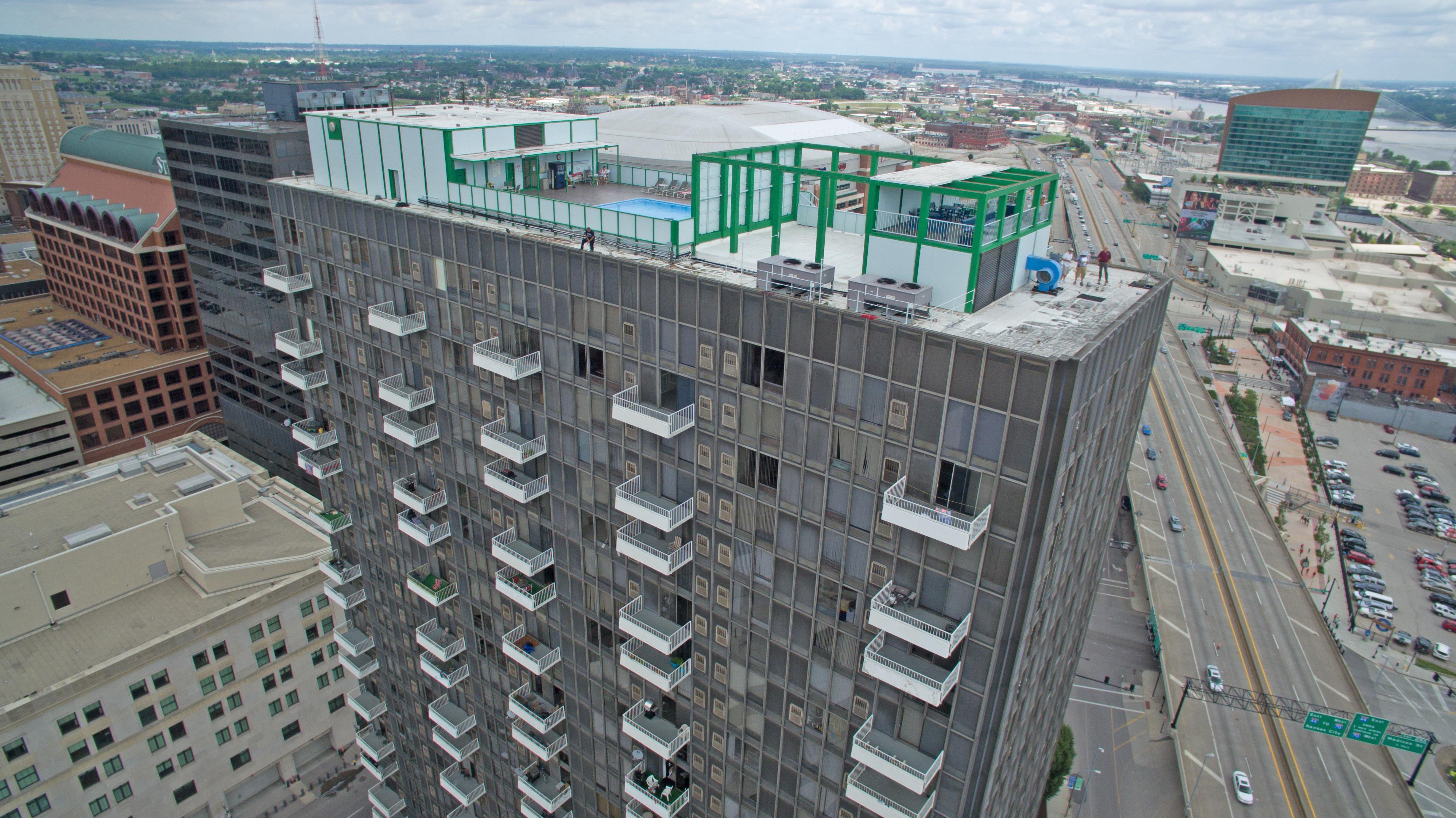
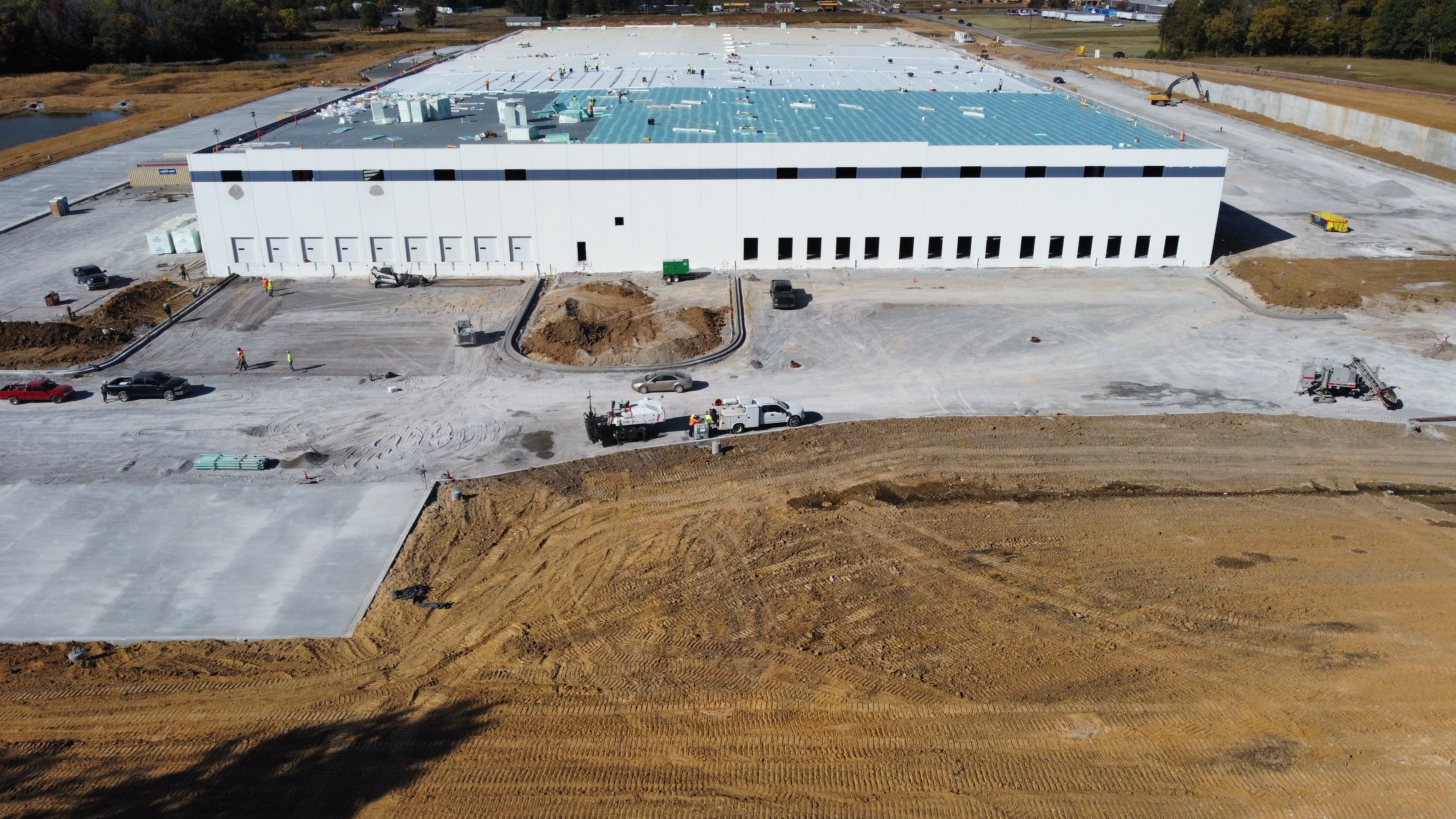
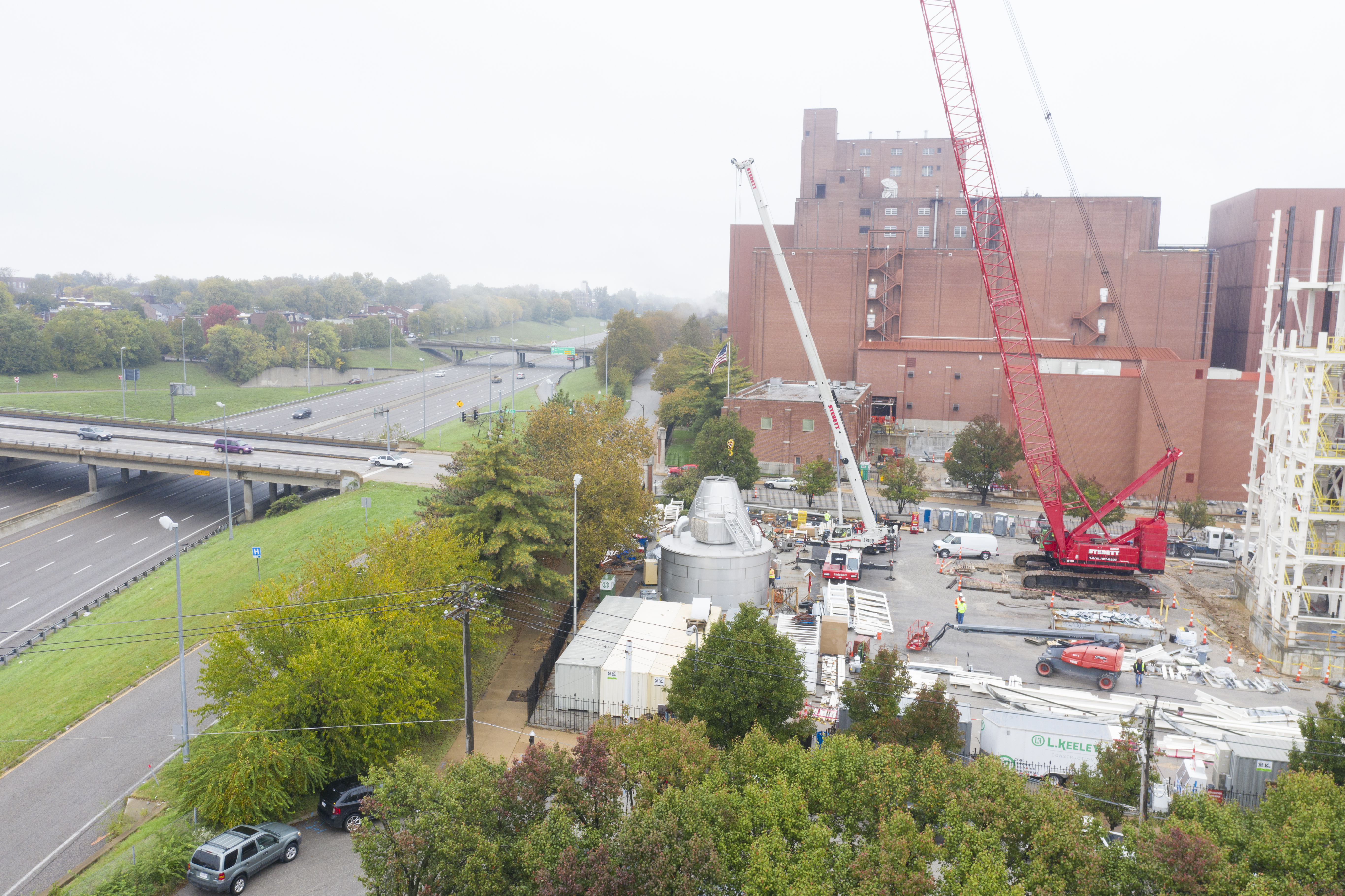
- Top-down shots of parking lots, rooftops, or construction sites
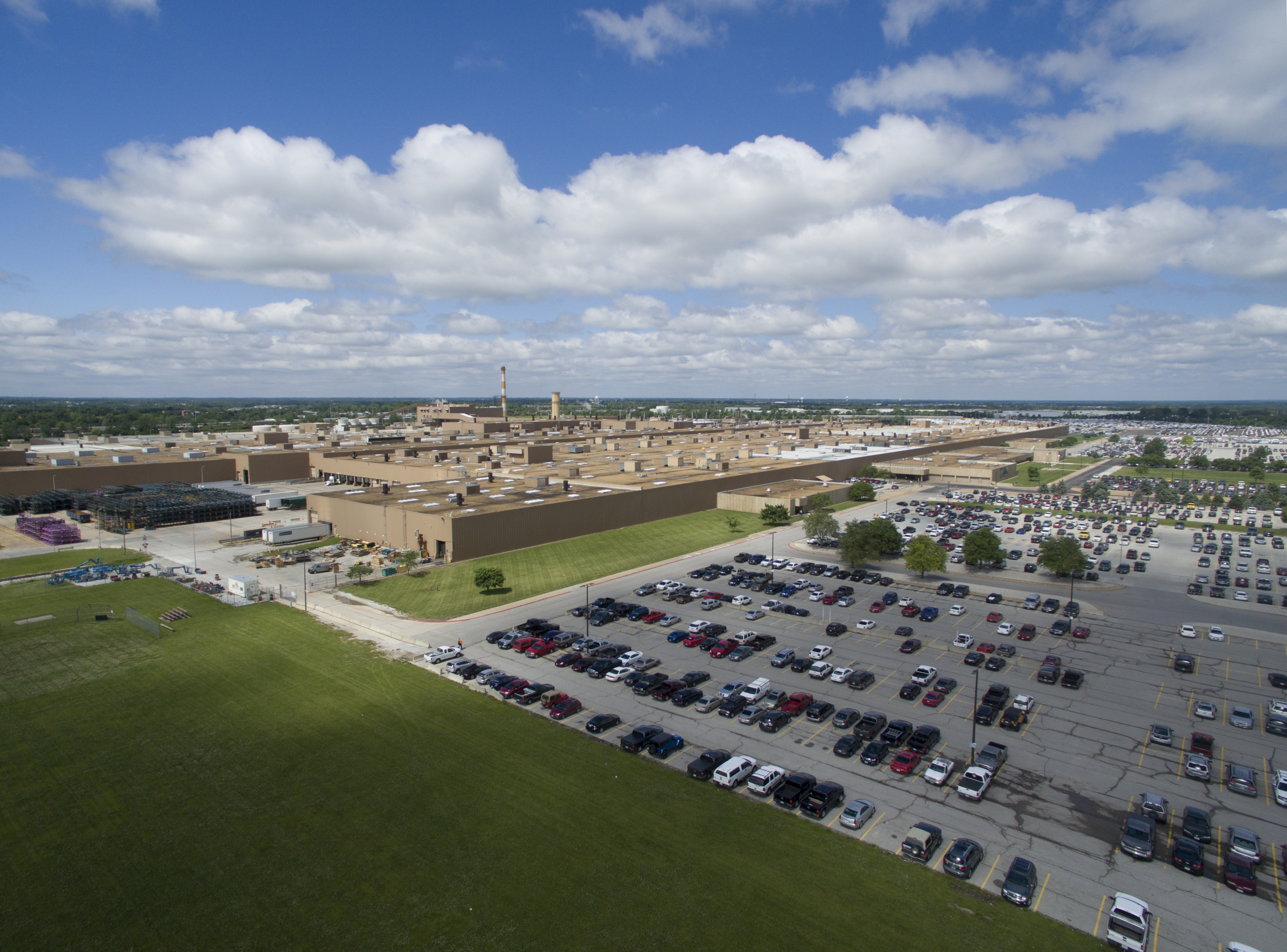
- Wide views of facilities, manufacturing lines, or logistics hubs
- Quick clips grabbed “while the pilot was there anyway”
Individually, these may feel ordinary. But to your audiences—media, investors, customers, recruits, community stakeholders—they’re not. They show:
- Scale: How big your operation truly is
- Capability: The complexity of your facilities and projects
- Location & access: How you fit into the surrounding community
- Momentum: Visible proof that things are happening, changing, growing
Your first mindset shift: “Everyday drone footage is documentation that can be shaped into compelling proof.” Proof that you’re investing, innovating, and delivering.
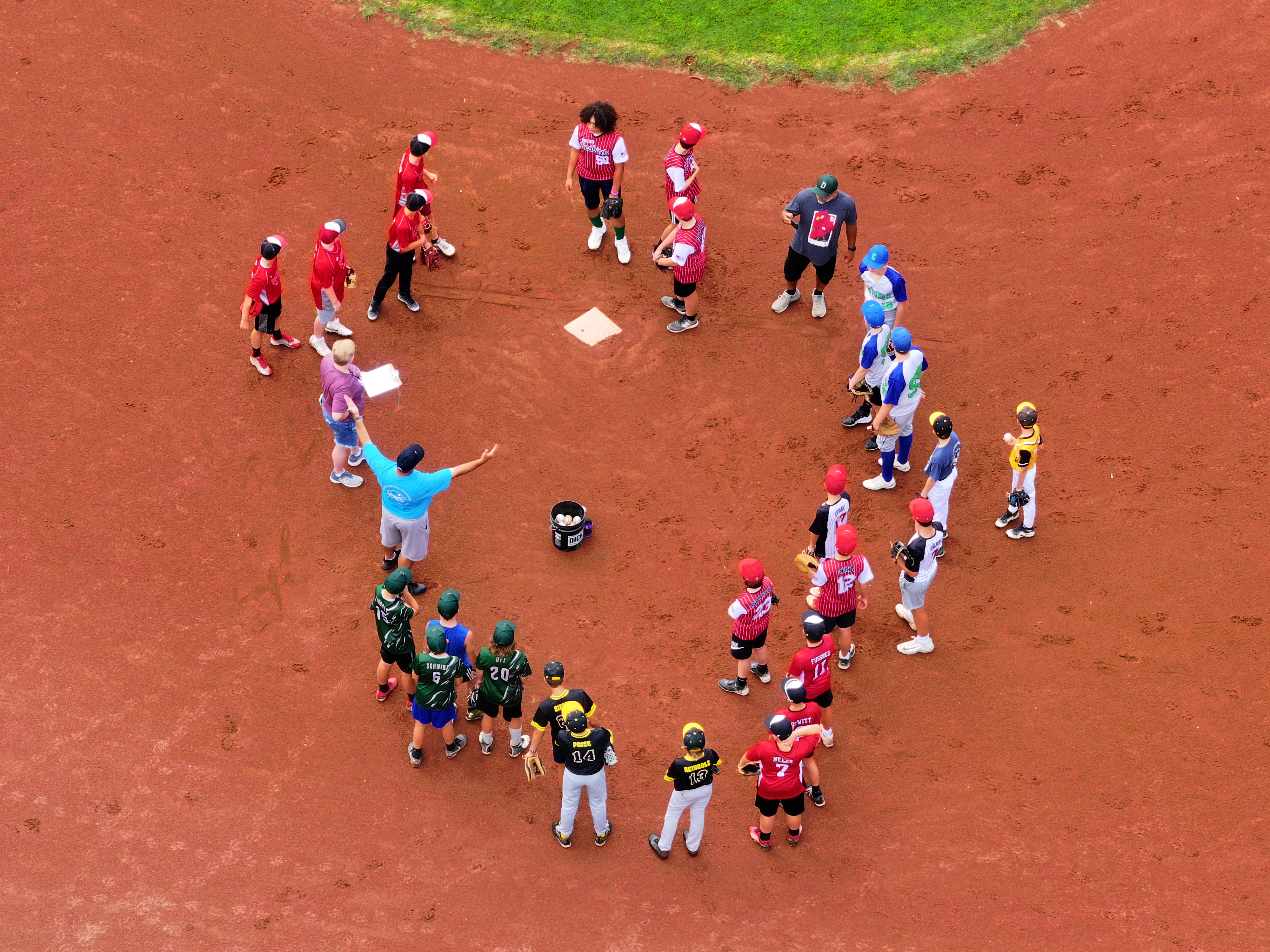


2. Start with the PR Objective, Not the Drone
Before you send a pilot into the air—or dive into your existing footage—get clarity on the PR objective.
Ask three questions:
- Who is this content really for?
- Local media?
- Trade journals?
- Investors and analysts?
- Job candidates?
- Community stakeholders or regulatory partners?
- What one sentence should this visual story support?
Think in headlines and quotes:- “Company X expands St. Louis facility to create 150 new jobs.”
- “Manufacturer Y invests in sustainable operations and reduced emissions.”
- “Healthcare provider Z improves regional access with new clinic campus.”
- Where will this content live?
- Press releases and media kits
- LinkedIn or other social channels
- Website homepage or landing pages
- Internal town halls and leadership presentations
Once those answers are clear, you can frame your “everyday” shots as visual evidence that supports a specific narrative—not just “cool drone footage.”

3. Capture Drone Shots with PR Storytelling Built In
If you’re shooting new footage (or planning a reshoot to upgrade what you have), build a PR-focused shot list. Some essentials:
a. Establishing Credibility with Strong Wide Shots
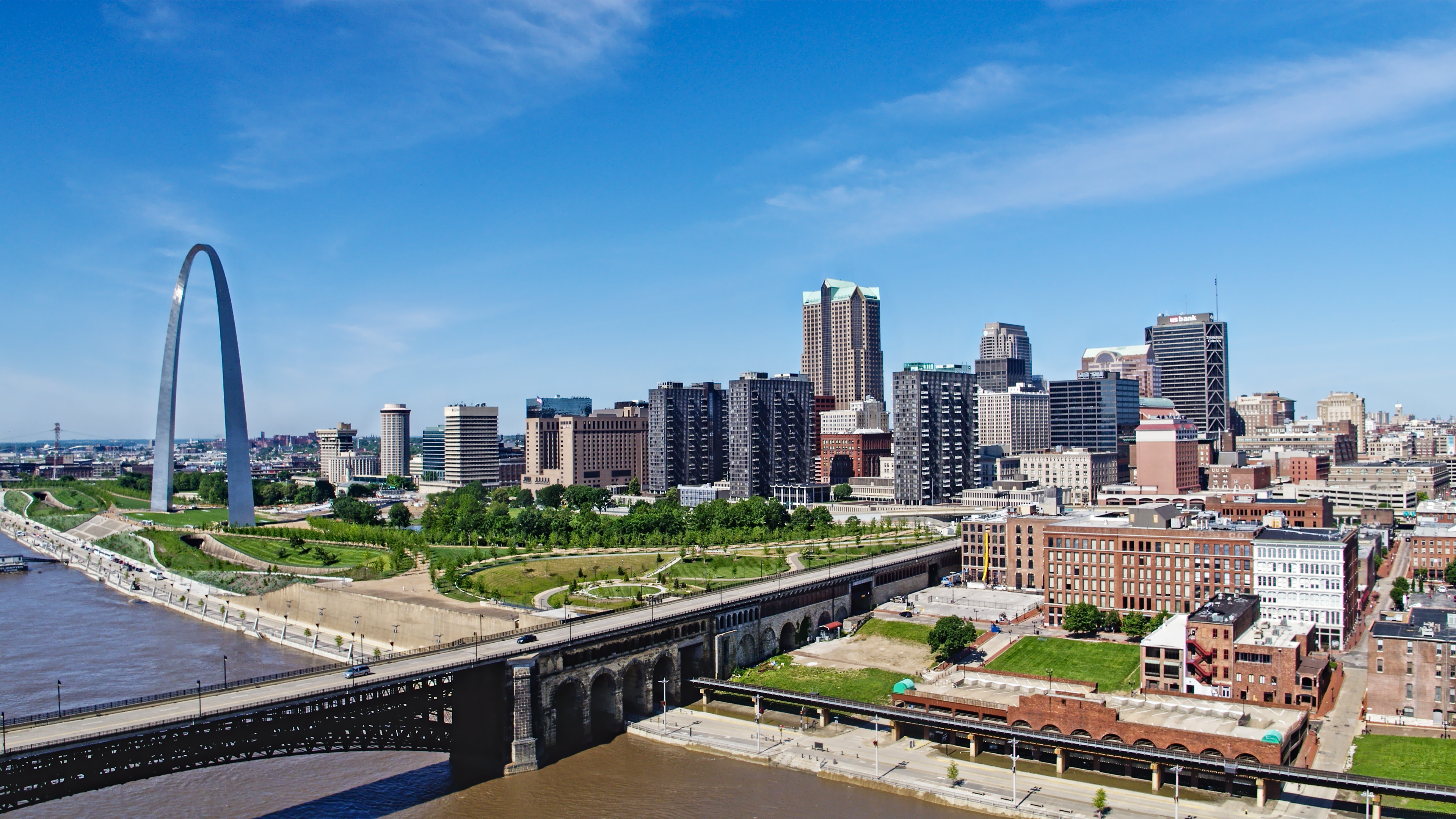
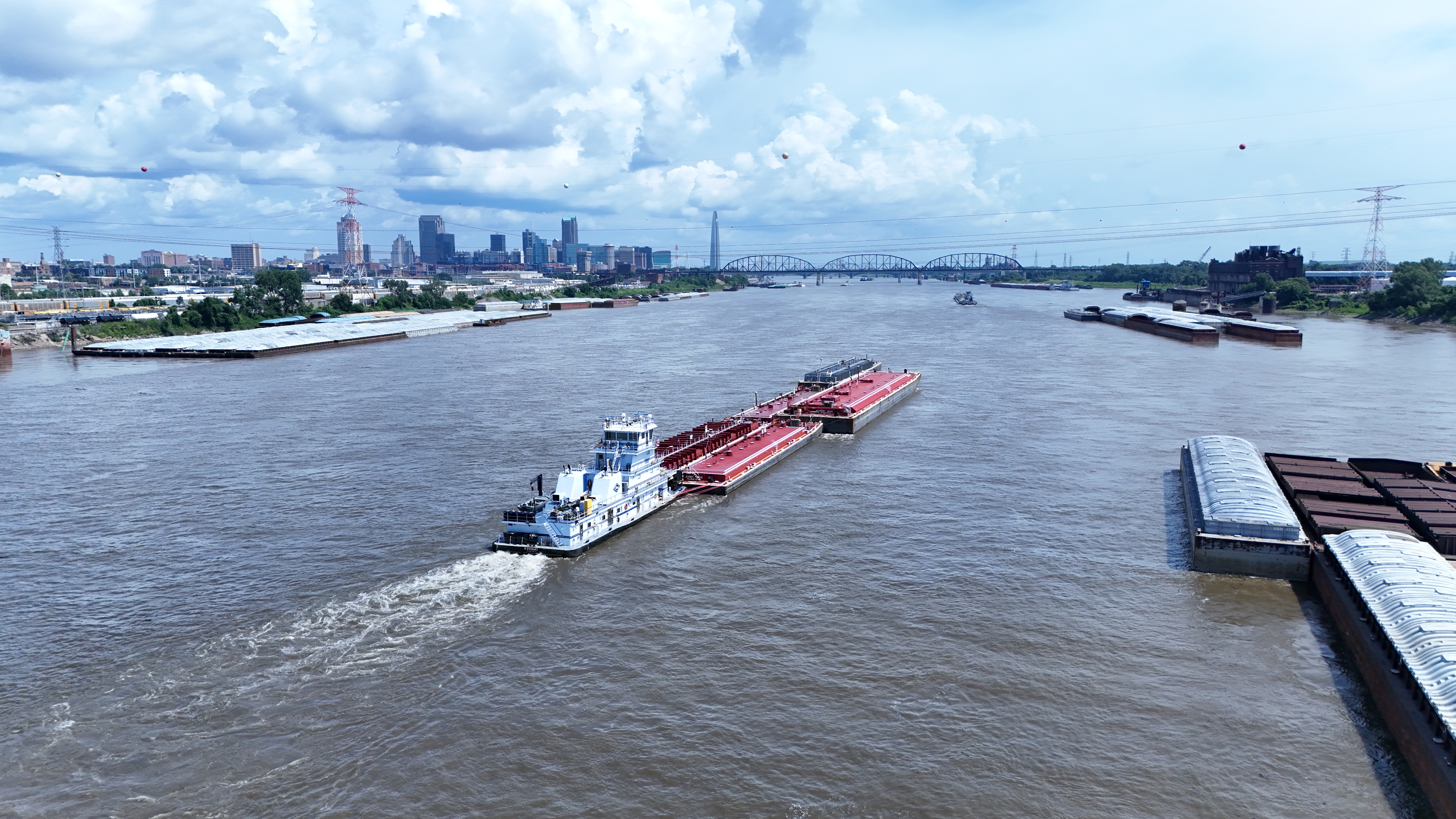
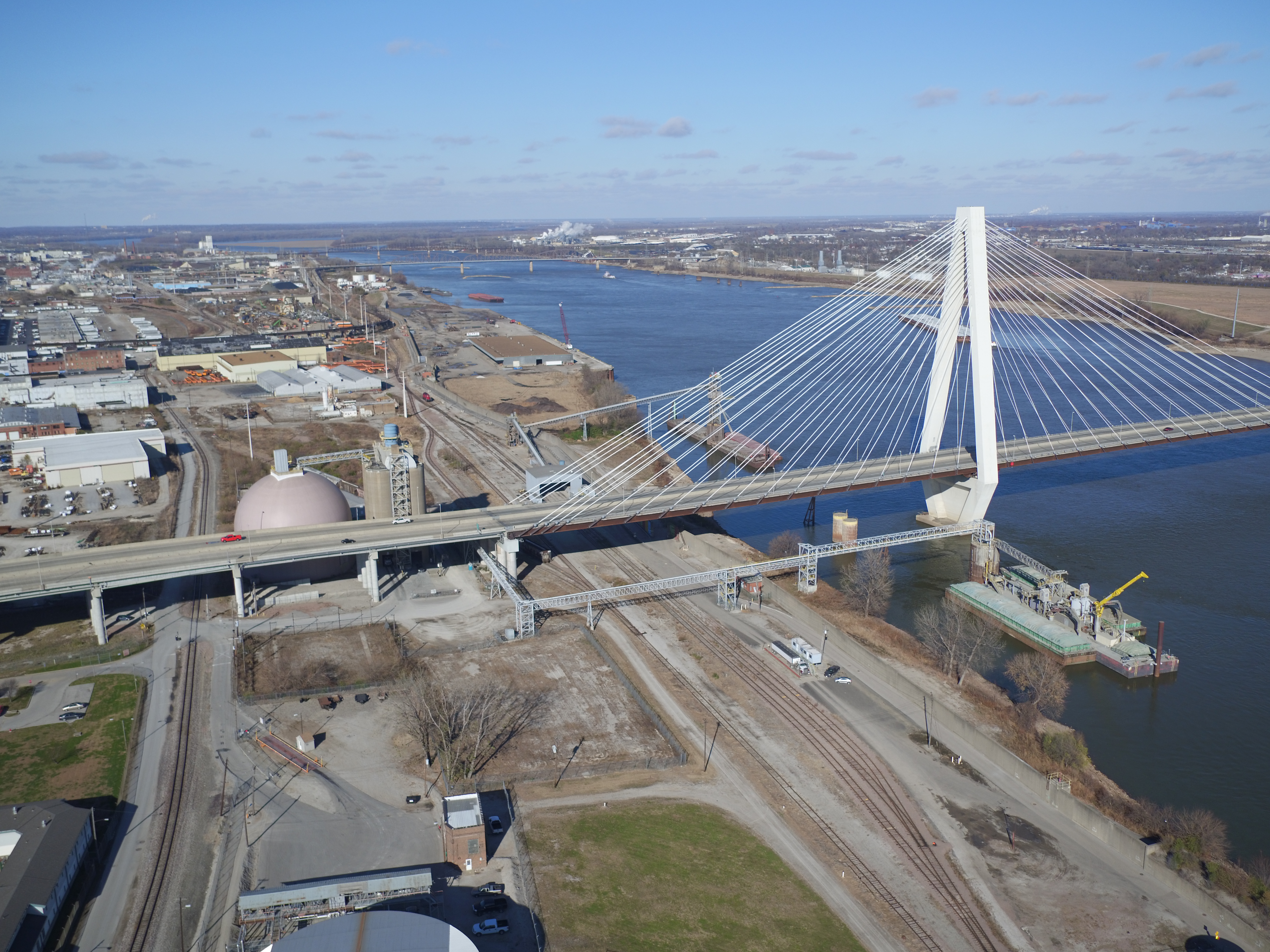
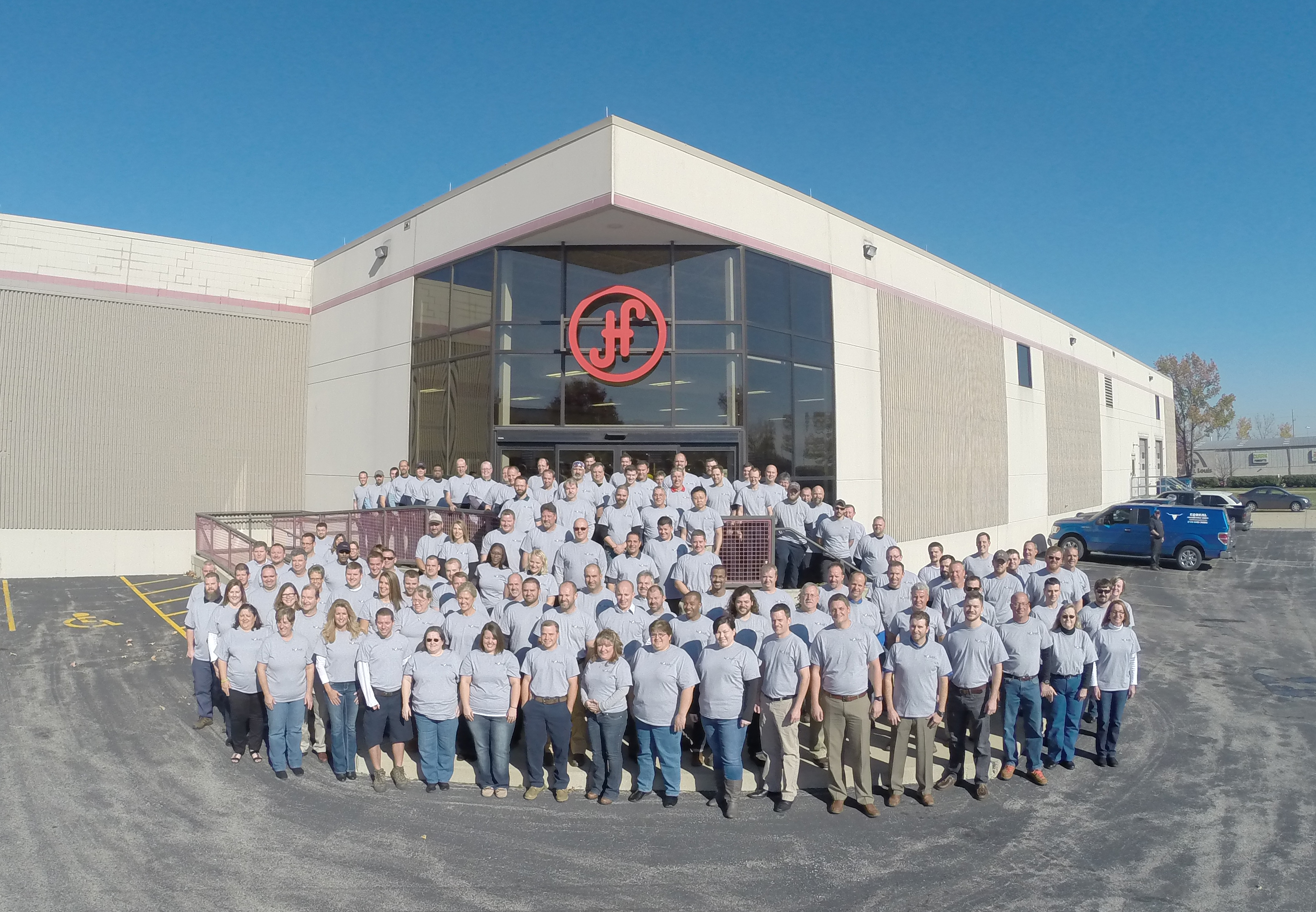
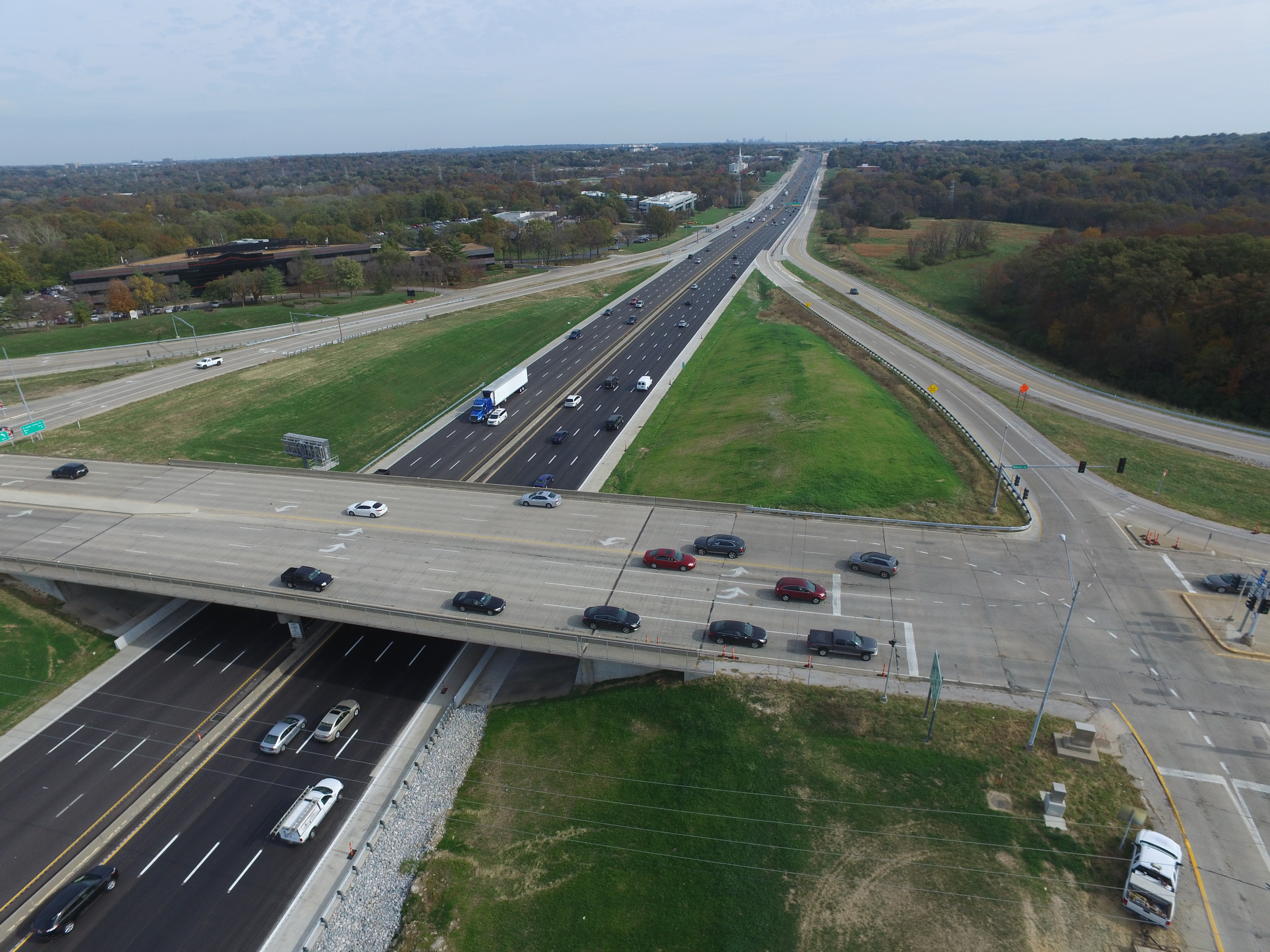
- High, wide establishing views that show your entire facility or project in context
- Slow, controlled moves (no frantic panning) that feel confident and composed
- Multiple altitudes and angles so you have options for different platforms
These are the shots that end up in news coverage, on your homepage, and in annual reports.

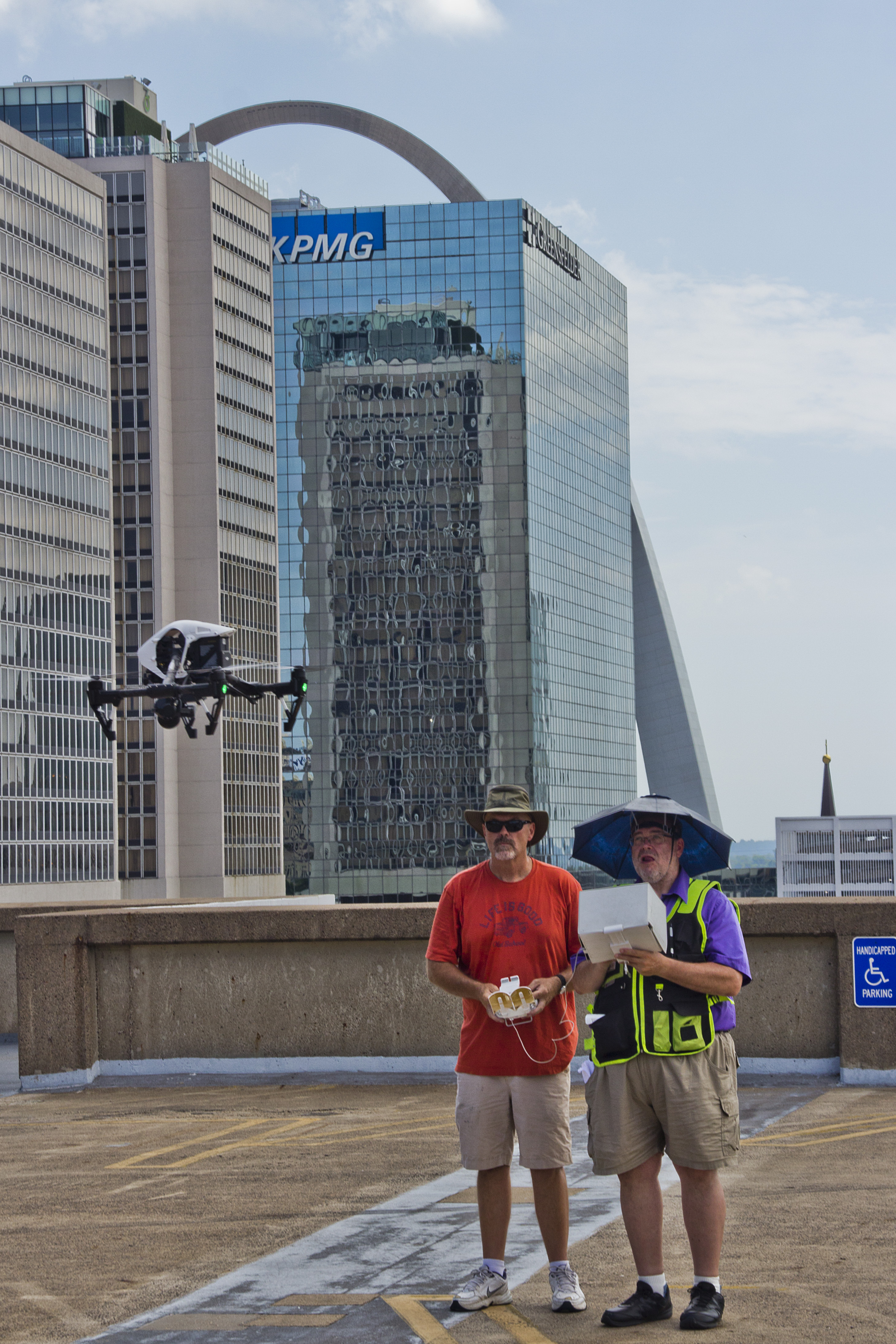
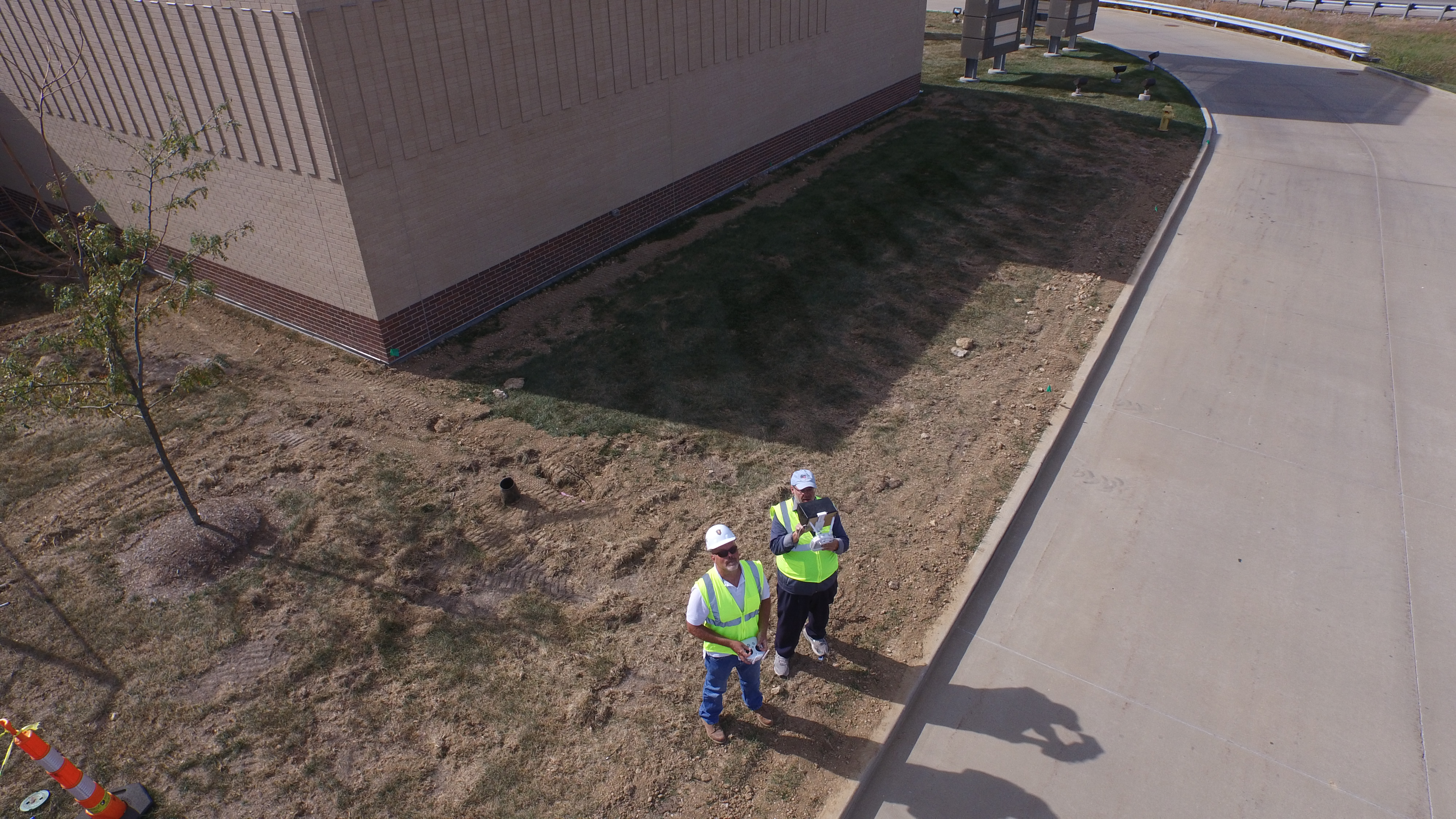
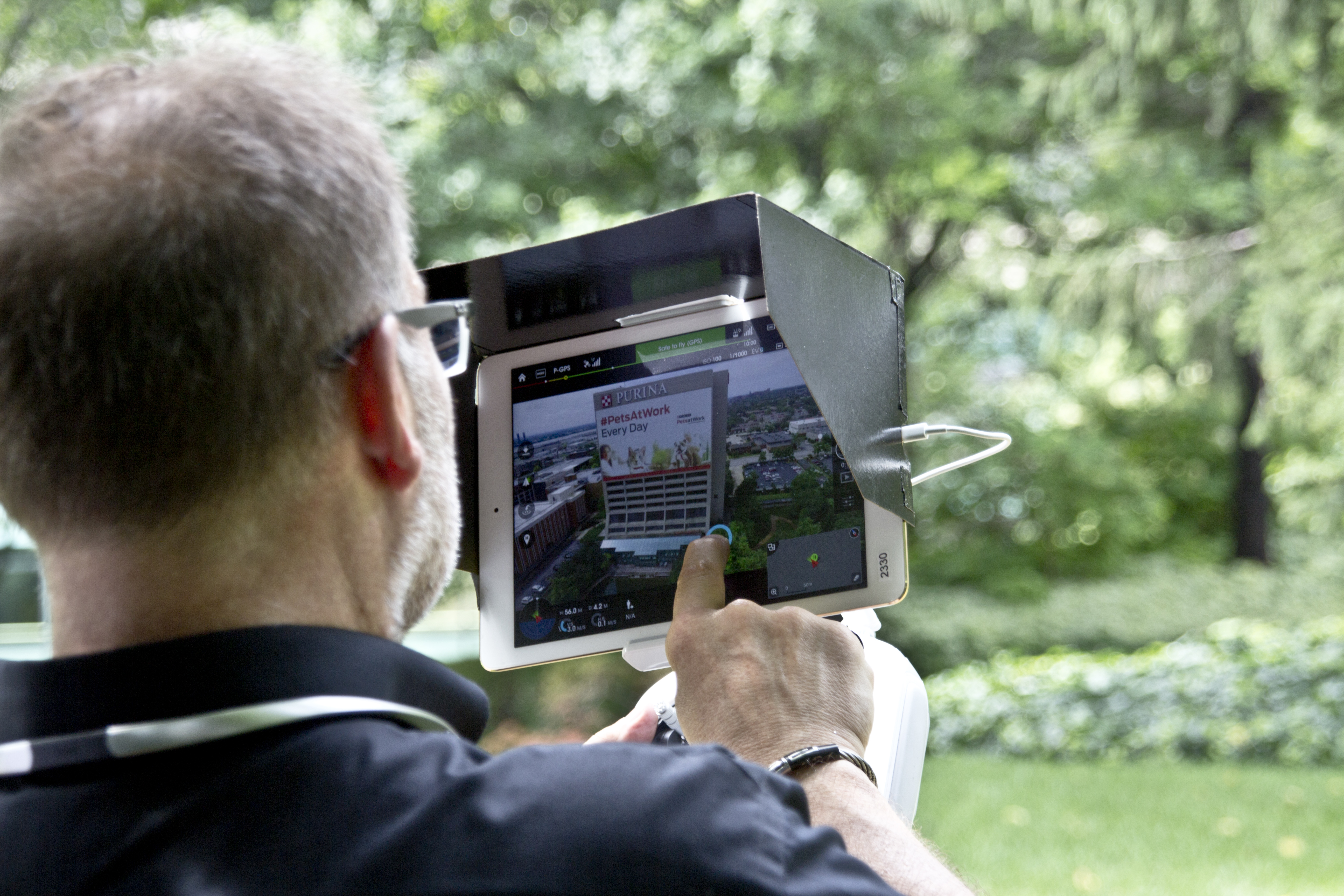
b. Show People, Not Just Property
PR is about people and impact. Capture:
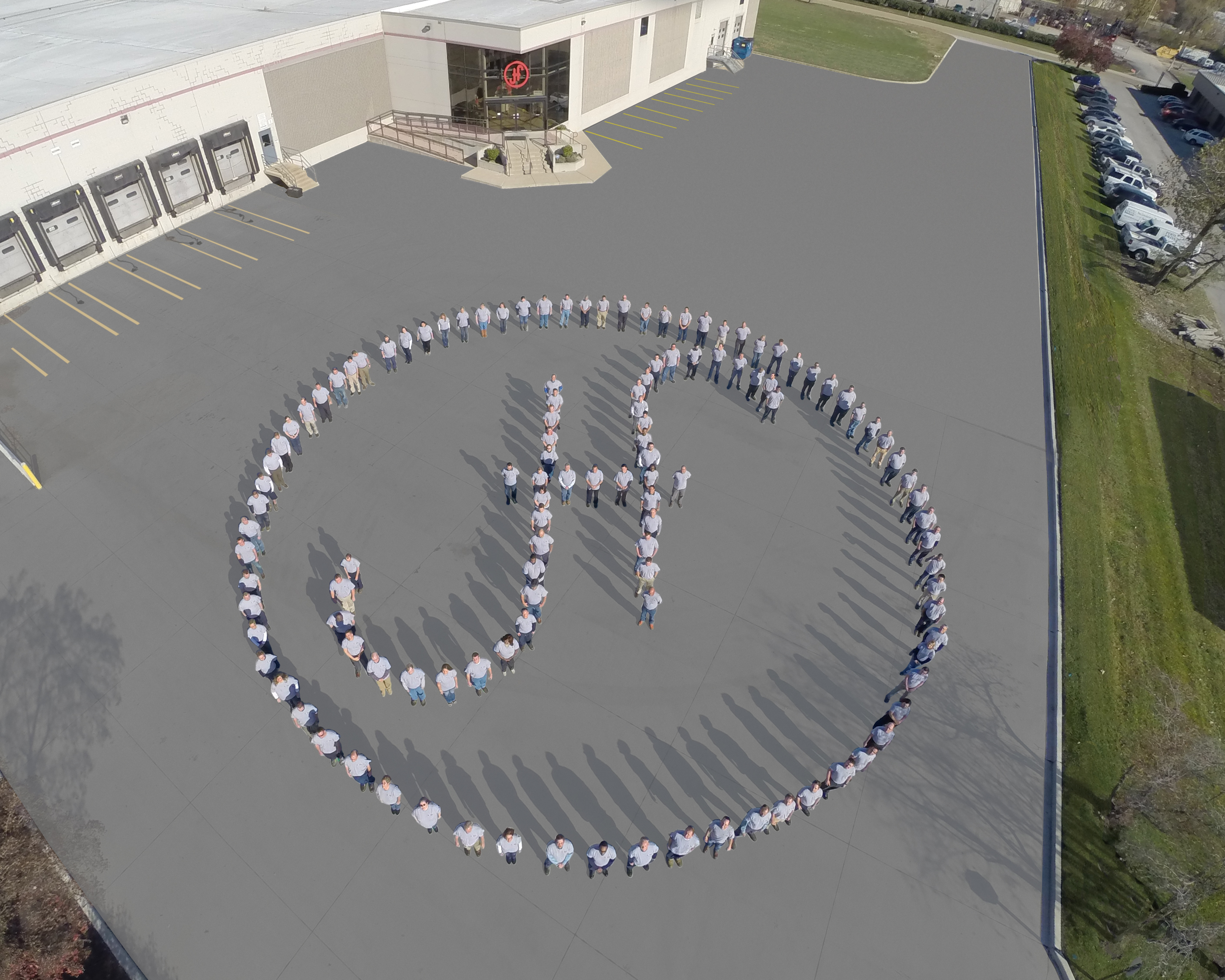
- Employees arriving, collaborating, or working safely on-site
- Leadership walking a site, reviewing progress, or speaking informally
- Community-facing moments like visitors, partners, or events
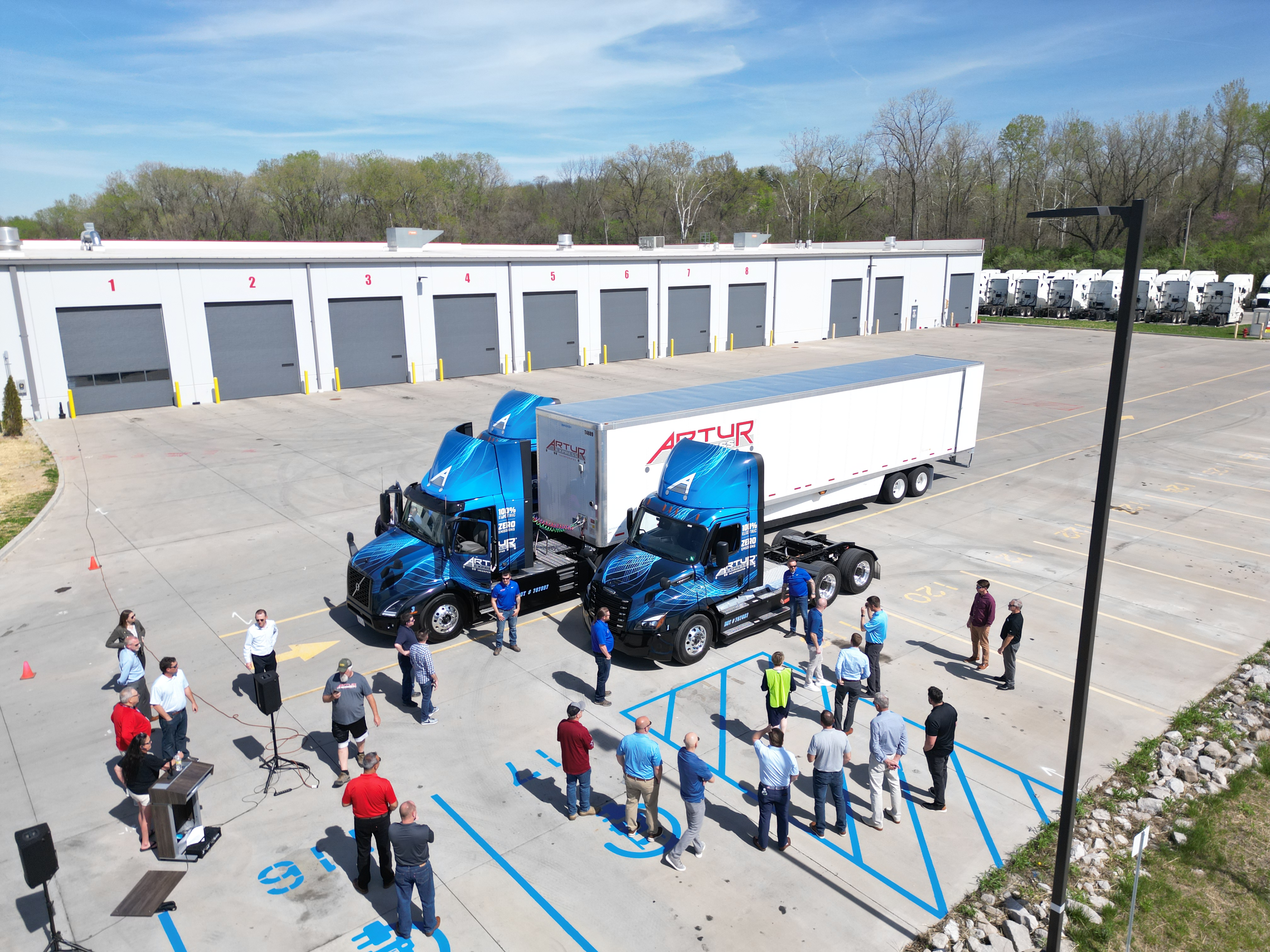
Even if the drone is at a distance, including people in frame makes the story feel human, not just architectural.
c. Highlight Details That Support Your Message
Fine details are critical for PR:
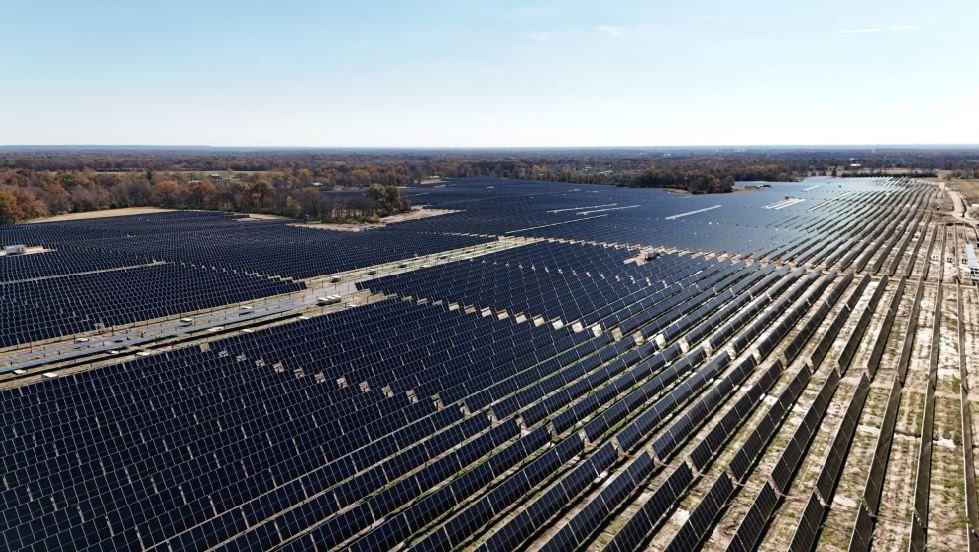
- Solar panels, environmental controls, or sustainable features
- Safety protocols: clear signage, PPE, traffic flow, secure perimeters
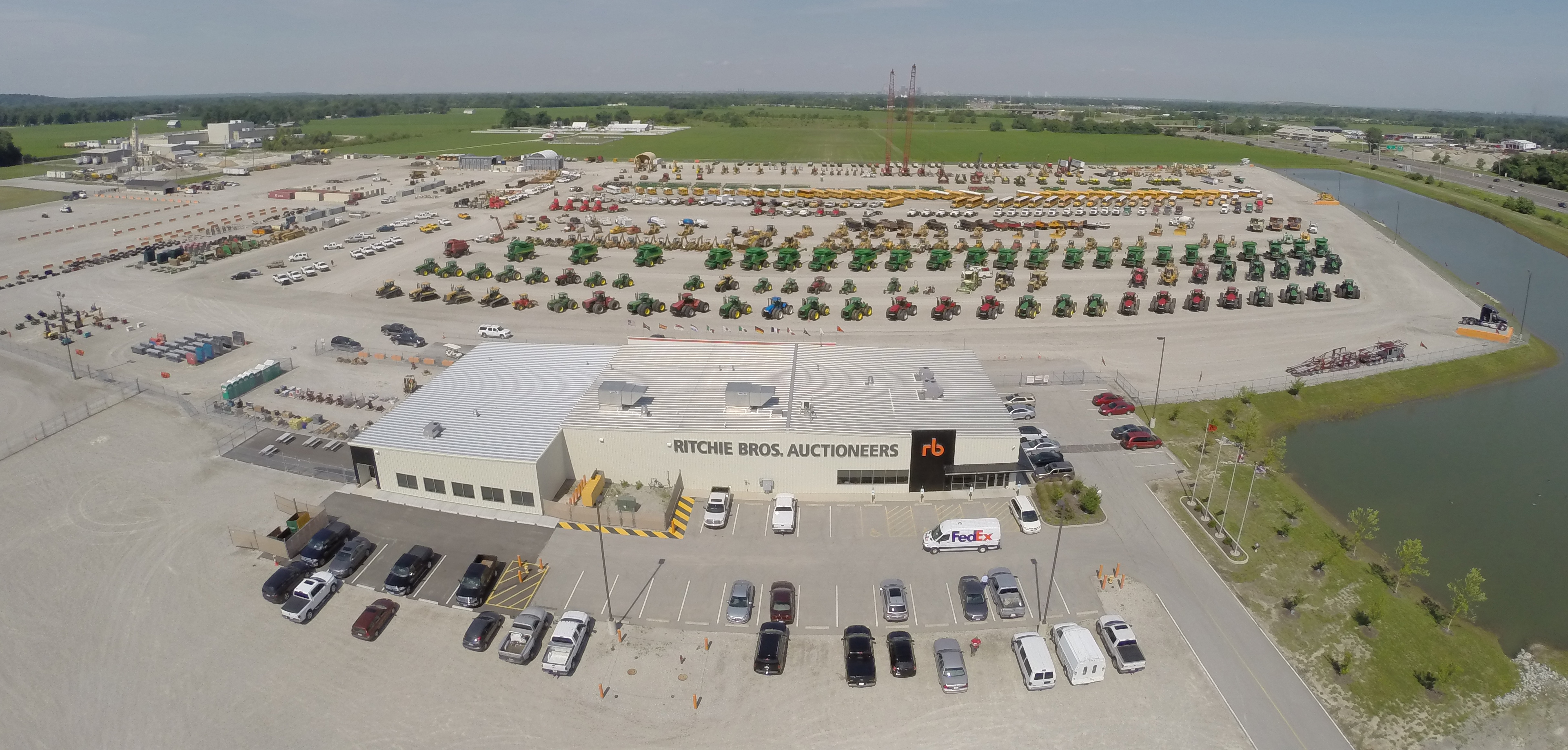
- Branded elements: signage, logos, fleet vehicles, recognizable assets
- Critical infrastructure: logistics, manufacturing, labs, or tech
These details become cutaway shots that editors and your internal team will use over and over.
d. Use Movement Intentionally
Well-planned motion cues add production value:
- Reveal shots: start behind an object, then rise or orbit to reveal the facility
- Follow or lead shots: track a vehicle entering or leaving your property
- Dynamic orbits around key assets: towers, equipment, building additions
The goal isn’t to show off the pilot’s skill; it’s to create clean, usable clips that editors can easily cut into PR pieces.
e. Timing, Weather, and Light
For PR, aesthetics matter:
- Shoot during golden hour where possible for richer, more flattering light
- Avoid harsh midday shadows that flatten or obscure objects
- Consider the sky—dramatic clouds can add texture; flat grey might weaken impact
If a key announcement is months away, it’s still worth capturing a “hero” set of shots in optimal conditions.
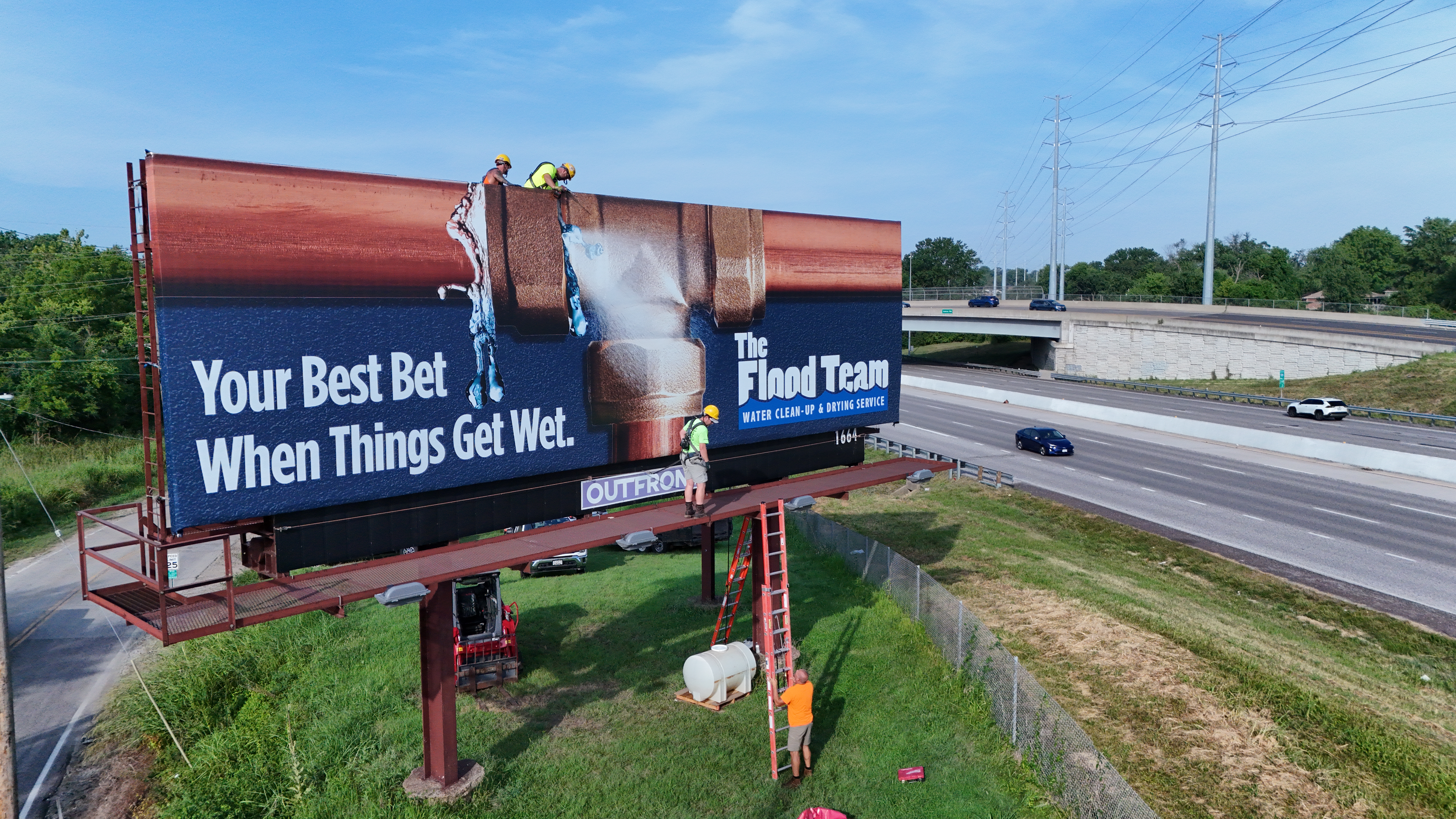


4. Turn Routine Drone Clips into Repeat-Use PR Assets
Once you have good coverage—or even if you’re working with existing footage—you can carve out multiple PR deliverables from the same material.
a. Social Media Micro-Stories
From one flight, you can easily create:
- 10–20 short clips (5–15 seconds) for LinkedIn, X, and Instagram
- Vertical clips formatted for Stories and Reels
- Before/after comparisons of site development or expansion
Add a concise overlay or caption that ties back to your PR message and you have a steady stream of high-quality posts.
b. Press-Ready B-Roll Packages
Media outlets love clean b-roll they can plug into their own stories. Build:
- A 30–60 second sequence with no music, no lower thirds, just clean footage
- A mix of wide, medium, and detail shots, each held for at least 8–10 seconds
- Angles that work with voiceover (no distracting, hyperactive moves)
This becomes a go-to b-roll package your PR team can share whenever there’s a relevant announcement.
c. Website & Landing Page Visuals
From routine drone shots, you can create:
- Looping banner videos for key pages (10–20 seconds, subtle motion)
- Background visuals for brand or careers pages
- Visual anchors for ESG, sustainability, or community impact sections


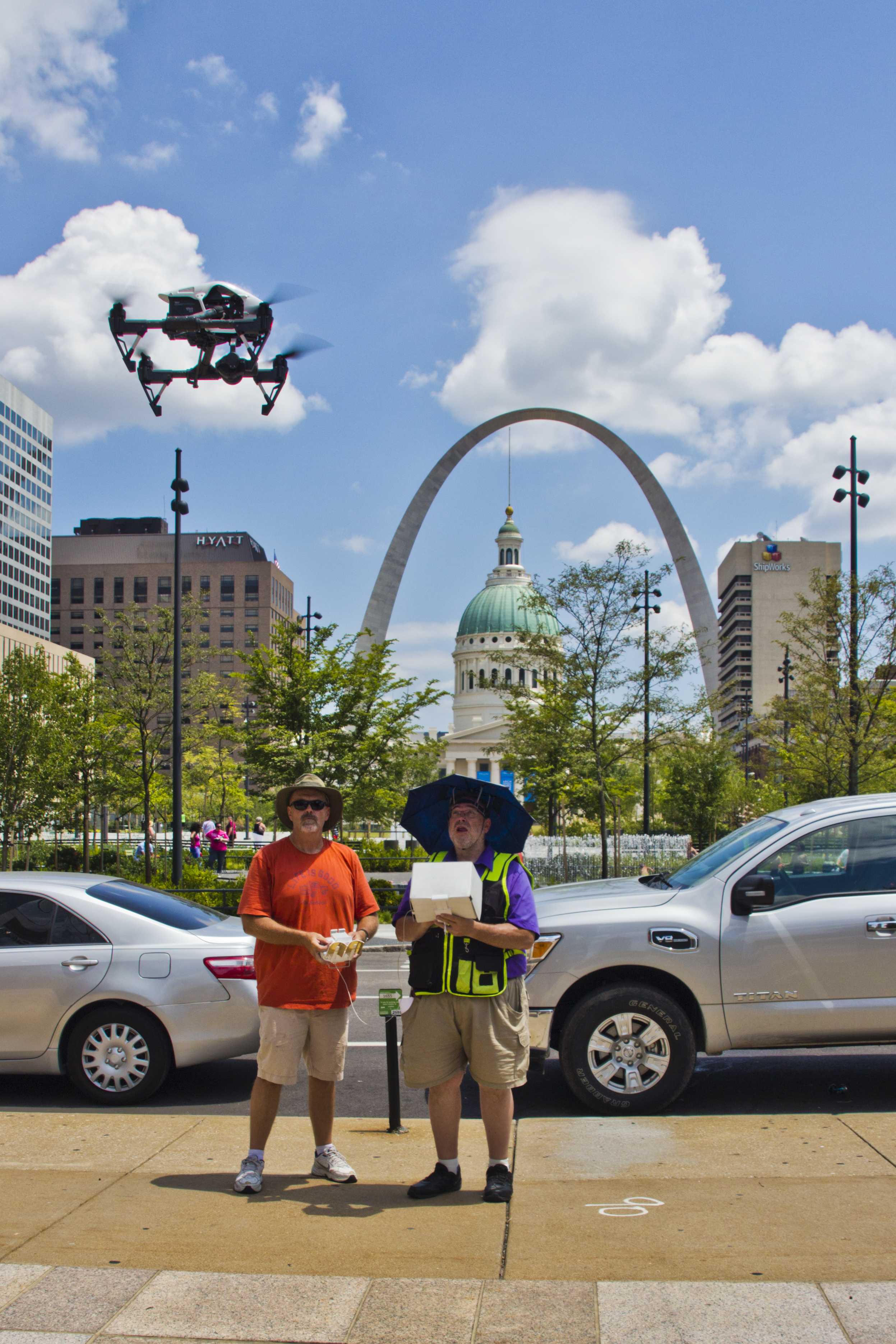


Strategic use of aerial footage immediately communicates scale, credibility, and investment.
d. Executive & Investor Presentations
For leadership decks and investor updates:
- Pull short clips that show progress over time (month-by-month construction shots)
- Use aerials to visualize “before vs. current state” in a single slide
- Pair aerials with key metrics to give numbers a tangible context
Even “ordinary” flyovers can become powerful proof points when framed correctly.
5. Build a Simple, Repeatable Drone-to-PR Workflow
To get real value, you need a repeatable process—not one-off hero projects. A practical workflow might look like this:
- Pre-Production Alignment
- Marketing, PR, operations, and leadership align on upcoming milestones
- Identify which events or build stages need drone documentation
- Define the core narrative: jobs, growth, safety, sustainability, innovation, etc.
- Shot List & Compliance
- Develop a shot plan that addresses both operational needs and PR use
- Ensure all flights comply with current FAA rules and local restrictions
- Lock in any necessary permissions, waivers, or indoor flight plans
- On-Site Execution
- Capture coverage for immediate needs and future stories
- Grab extra angles and “clean” shots for future editing flexibility
- Maintain consistent visual style (framing, motion, camera profiles)
- Post-Production & Asset Management
- Organize footage with clear naming conventions and metadata
- Edit footage into discrete packages: social clips, b-roll, internal use
- Store and catalog assets so PR and marketing can quickly repurpose them
- Measurement & Optimization
- Track how drone-enhanced content performs: media pickup, engagement, time on page
- Identify which visuals resonate most with your audiences
- Use those insights to refine future shot lists and messaging


6. Where AI Fits into the Drone-to-PR Pipeline
Artificial Intelligence has become a practical toolset, not just a buzzword. In a drone + PR workflow, AI can:
- Stabilize and enhance footage without reshooting
- Reframe content automatically for vertical, square, and horizontal formats
- Clean up skies and color for a consistent brand look
- Mask sensitive areas by blurring faces, license plates, or restricted assets
- Generate quick captions and transcript-based summaries for social posts or internal updates
- Suggest best-performing segments for short-form vertical platforms
The key is restraint: AI should improve clarity, consistency, and safety—not fabricate realities. For PR and corporate communications, authenticity and accuracy are non-negotiable.





7. When You Need a Specialized Drone Production Partner
There are situations where “grab a quick drone shot” isn’t enough:
- Indoor flights around machinery, production lines, or staged environments
- Complex or congested sites with multiple safety constraints
- Coordinated shoots across multiple locations or timeframes
- Tight timelines for press events, announcements, or crisis response
- High-stakes narratives where footage must align perfectly with messaging
In these cases, working with a seasoned drone and production team ensures:
- You stay compliant and safe
- You get the right coverage in a limited window
- Your drone visuals integrate seamlessly with ground footage, interviews, and brand standards
- Your PR team receives well-organized, ready-to-use assets instead of raw, messy files



Why St Louis Drones Is a Strategic Partner for PR-Driven Drone Content
For many organizations, the real challenge isn’t having drone footage—it’s turning that footage into consistent, credible, and on-brand PR content. That’s where we come in.
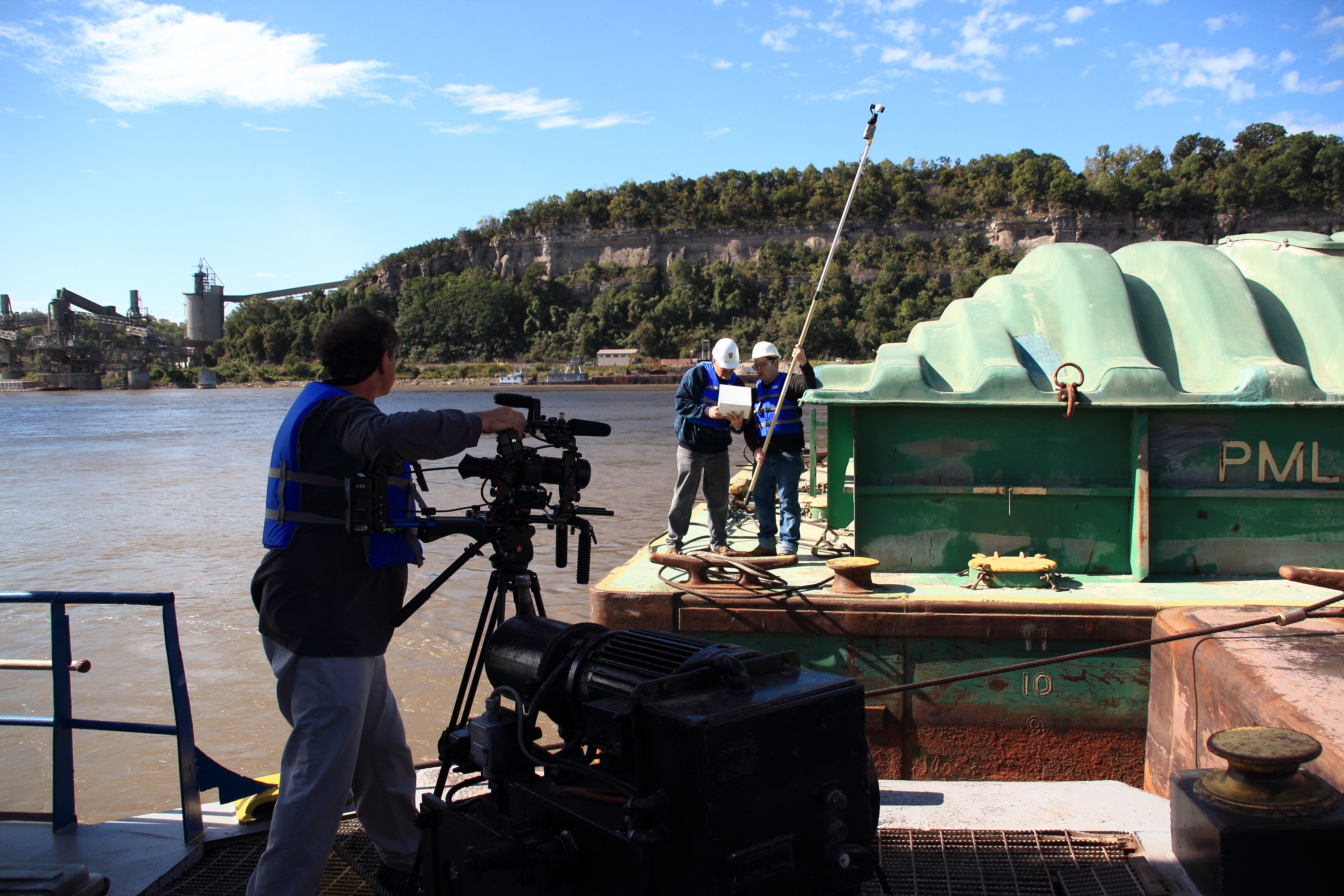
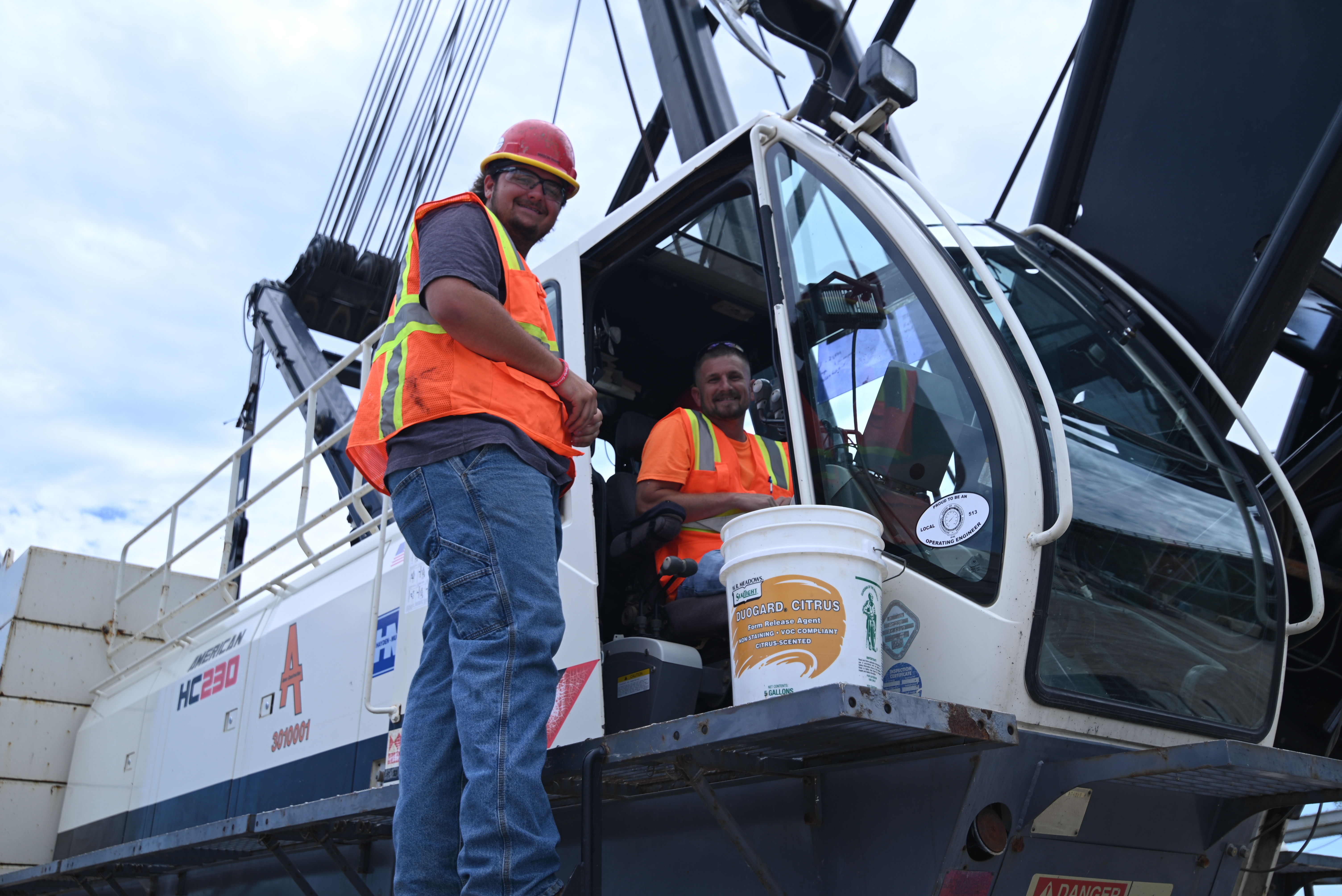
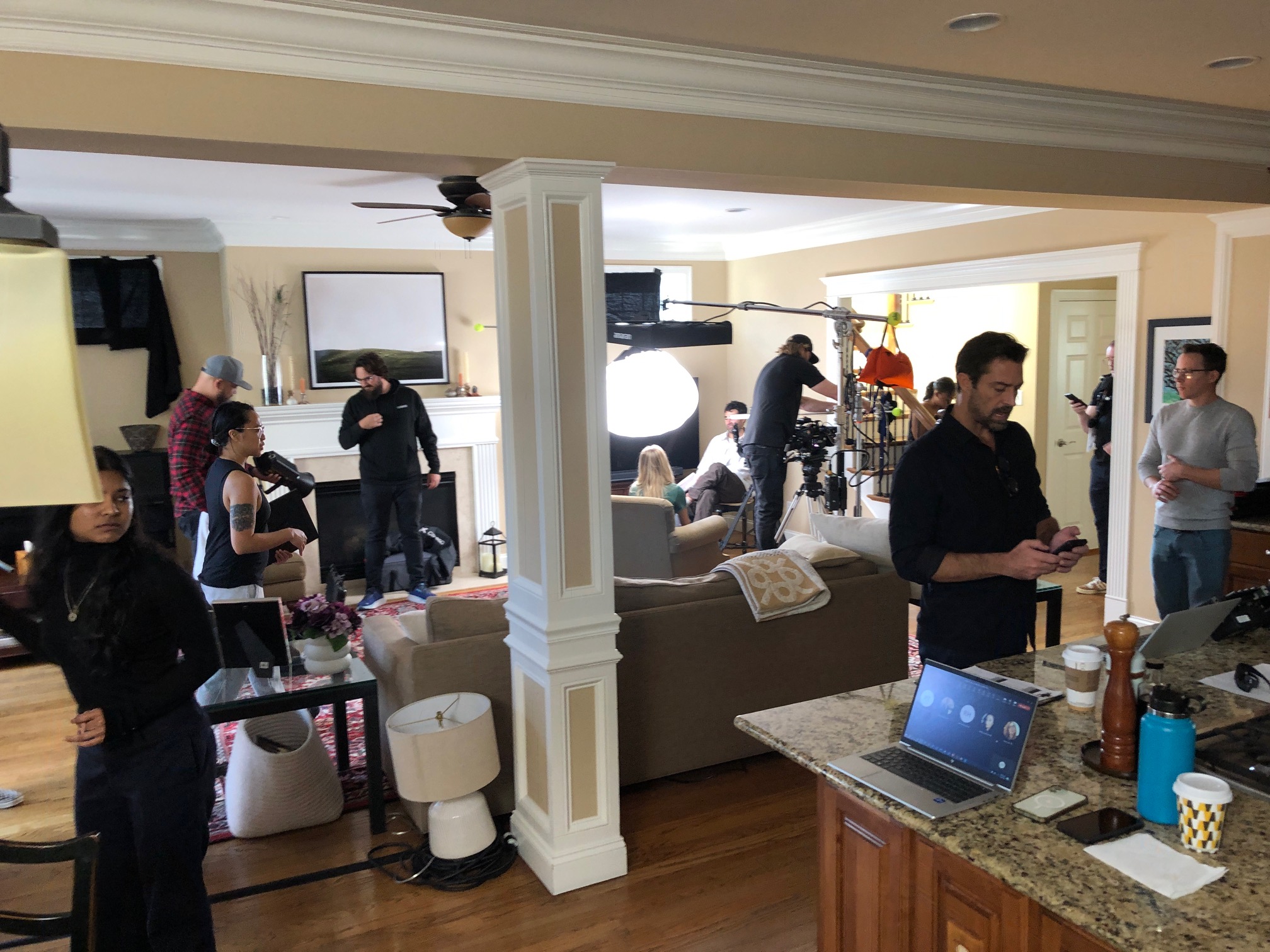
St Louis Drones is an experienced, full-service professional commercial photography and video production company with the right equipment and creative crew experience for successful image acquisition. We offer full-service studio and location video and photography, along with editing, post-production, and licensed drone pilots who understand both the technical and storytelling demands of PR-driven content.
We can customize your productions for a wide range of media requirements—from press kits and brand films to social campaigns and internal communications. Repurposing your existing photography and video branding to gain more traction is a core specialty; we’re well-versed in all modern file types, media styles, and the accompanying software required to keep your pipeline efficient.
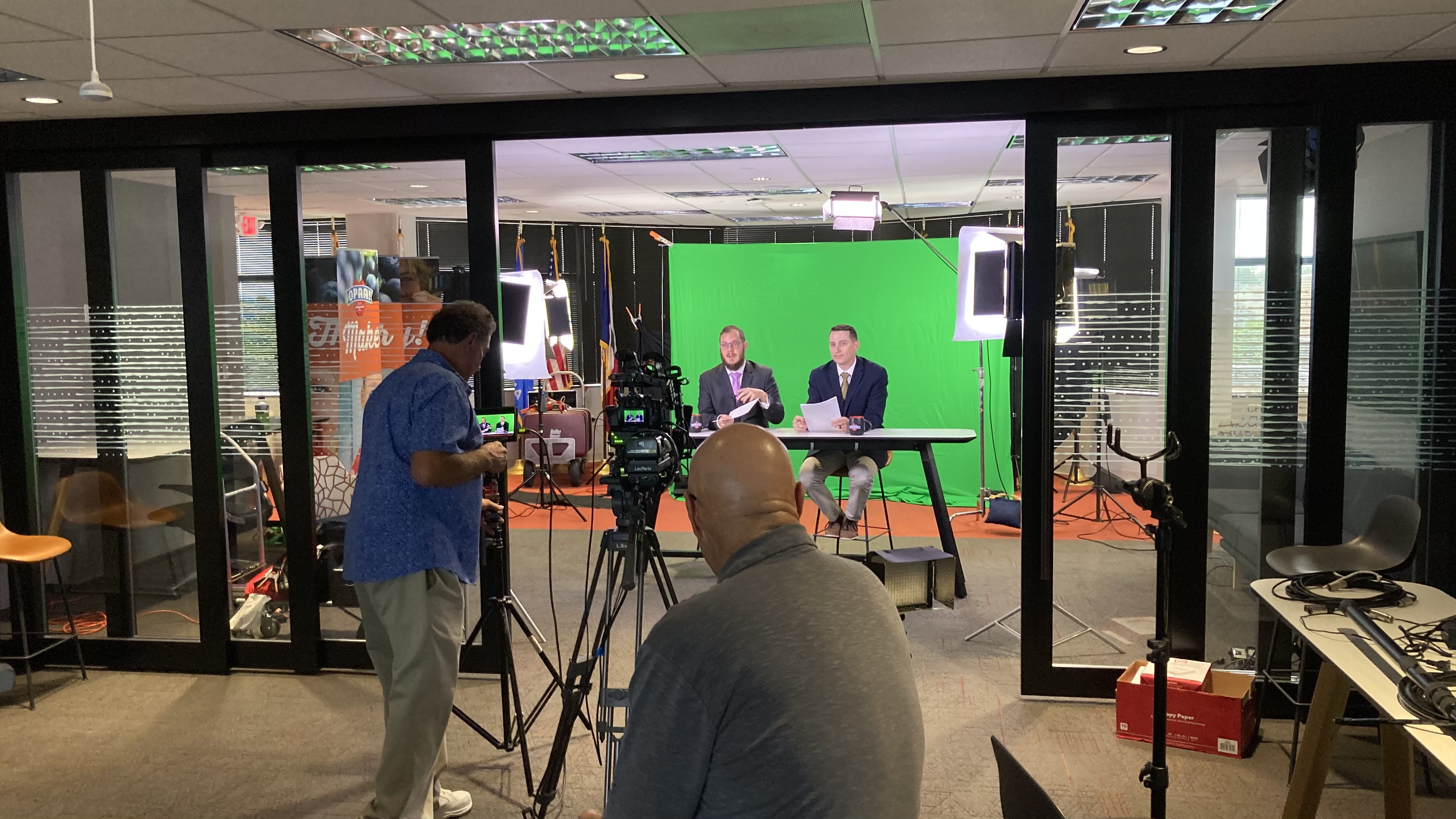
Our private studio lighting and visual setup is ideal for small productions and interview scenes, and our studio is large enough to incorporate props and custom builds to round out your set. We integrate drone footage seamlessly with studio interviews and ground-based coverage, supporting every aspect of your production—from setting up a private, custom interview studio to supplying professional sound and camera operators, as well as the right equipment—for a seamless, successful video experience.
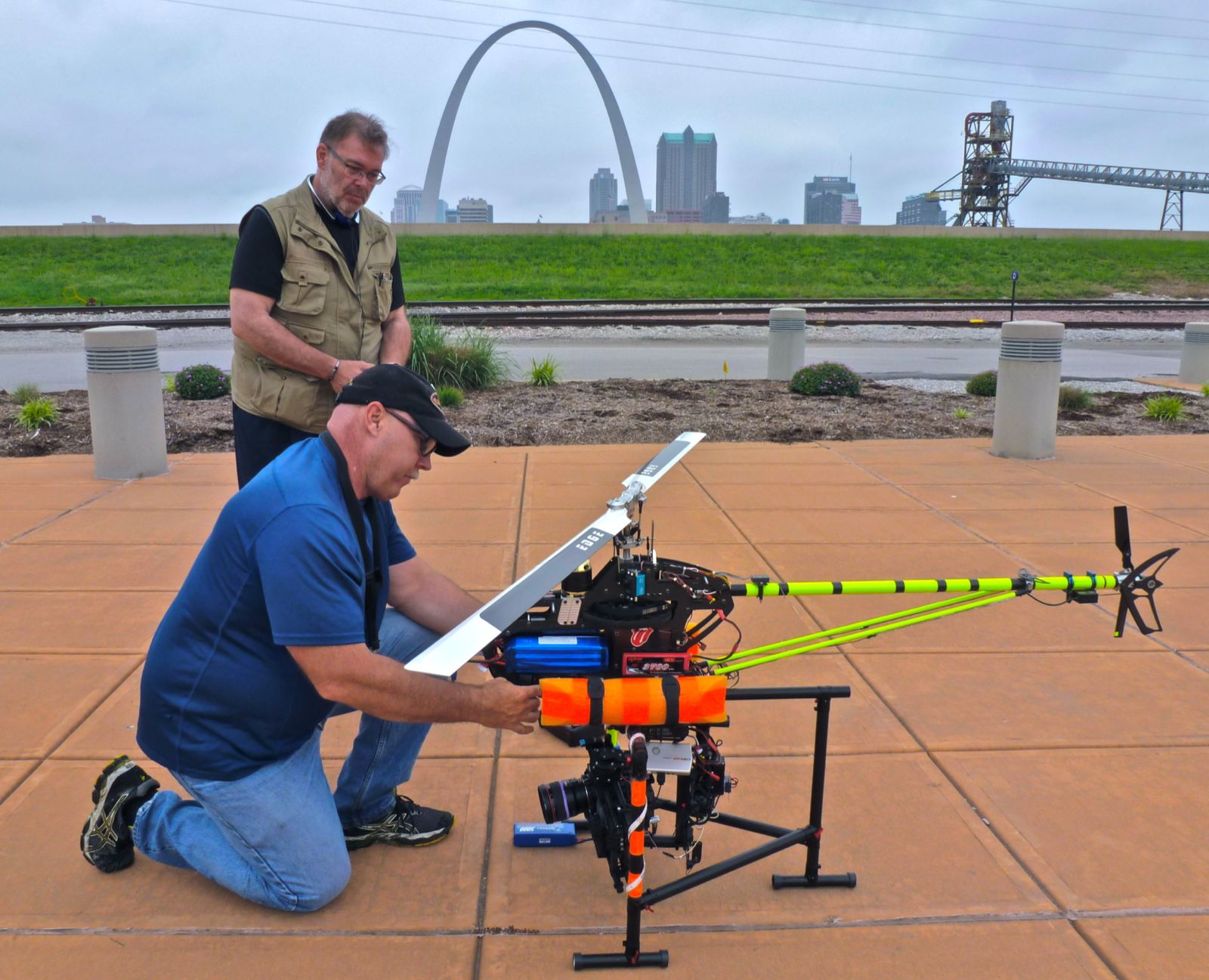
We also bring a unique capability to the table: we can fly our specialized drones indoors, safely and creatively, to capture perspectives that traditional systems simply can’t reach.
As a full-service video and photography production corporation operating since 1982, St Louis Drones has partnered with businesses, marketing firms, and creative agencies across the St. Louis area for their marketing photography and video needs. If you’re ready to turn “everyday” drone shots into eye-catching PR content that actually works for your brand, we’re ready to help you design and execute a strategy that makes every flight count.
Rob Haller 314-604-6544 stlouisdrones@gmail.com











 St Louis Drones