Tag Archives: digital-marketing

Drones for FLIR Thermal and LiDAR in St. Louis

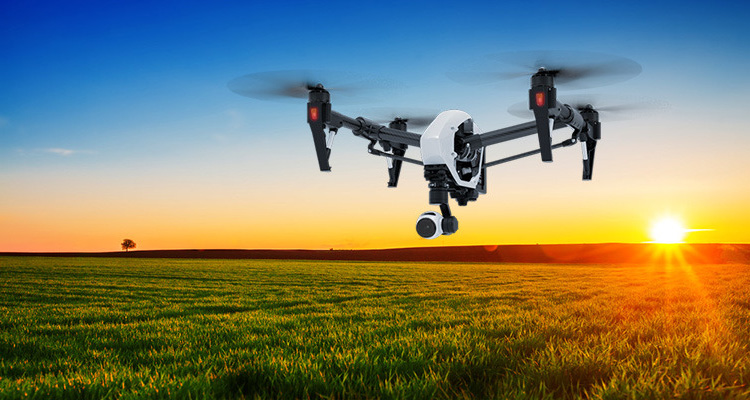
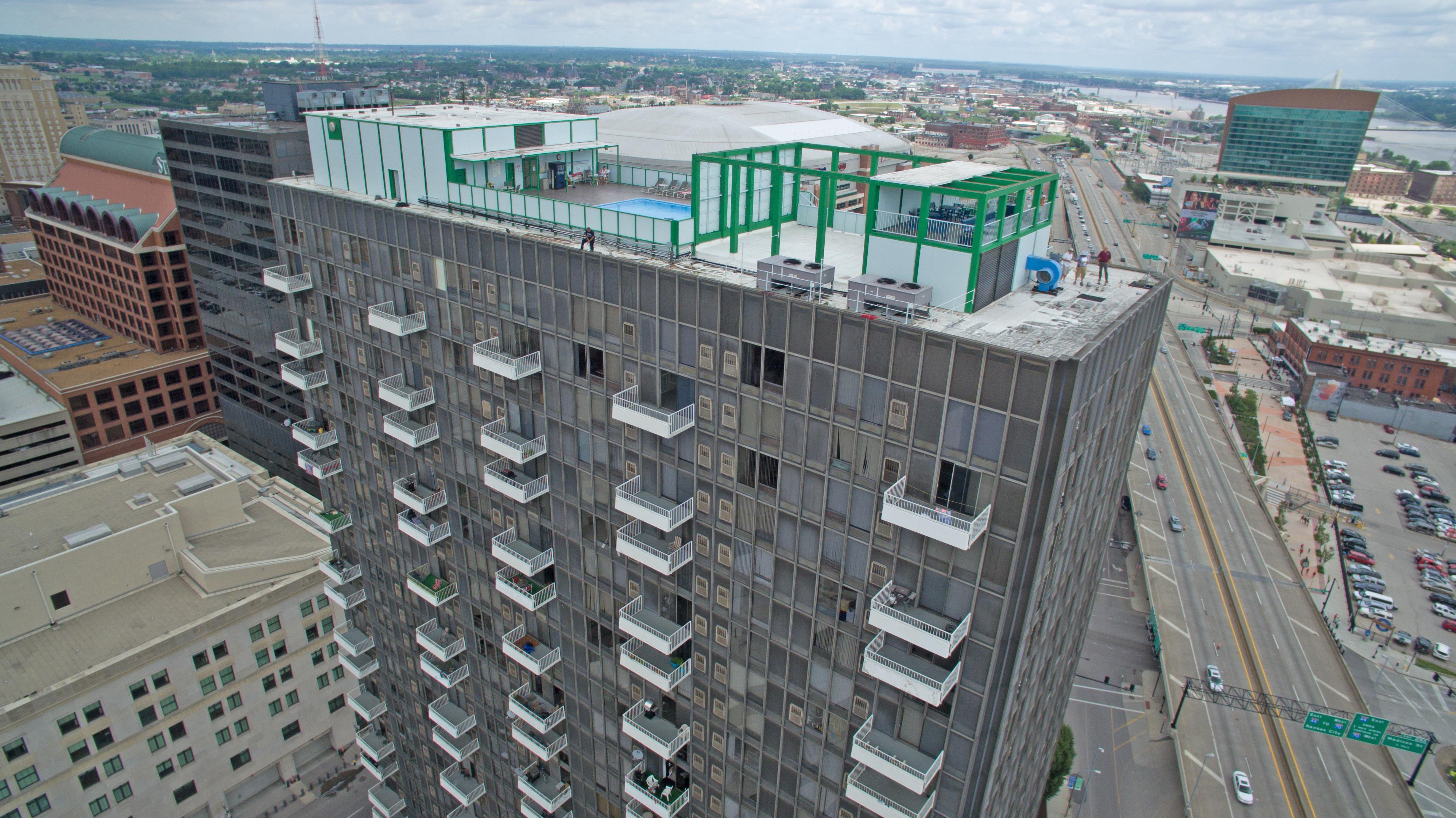
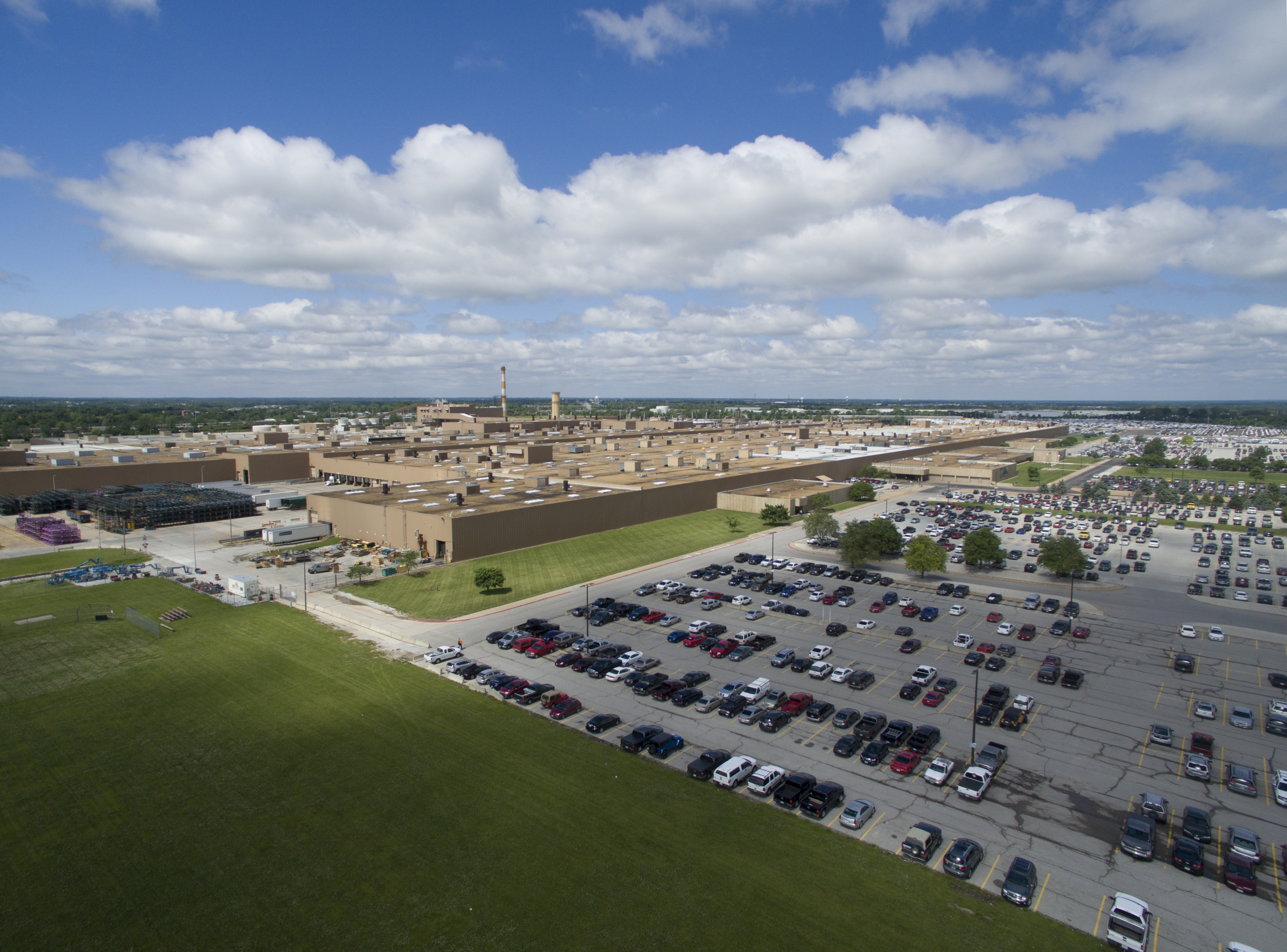
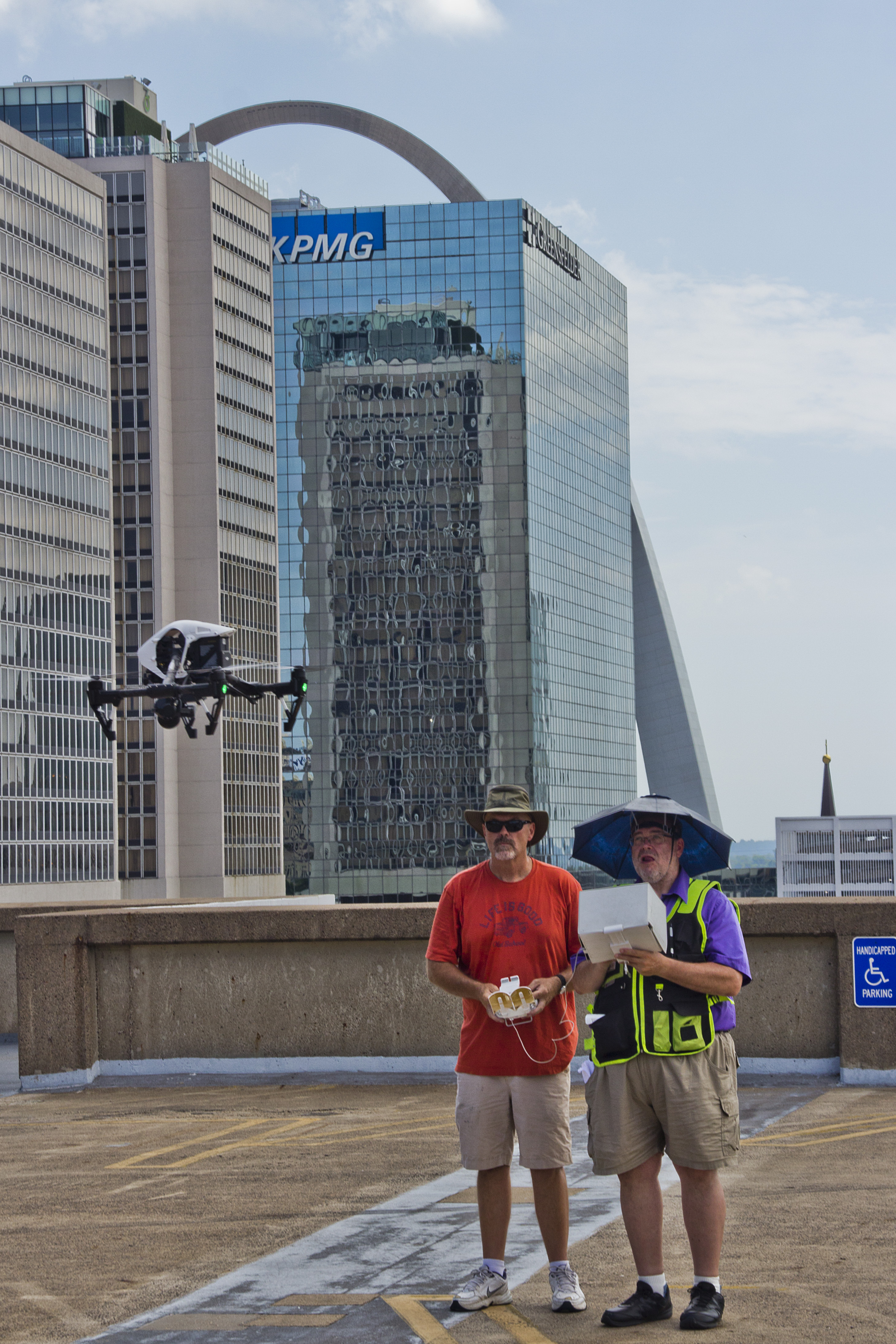
Drone technology has expanded well beyond beautiful aerial views and cinematic flyovers. For businesses and organizations in St. Louis, drones equipped with FLIR thermal imaging and LiDAR capabilities now offer practical, high-value tools for inspection, analysis, mapping, documentation, and strategic visual communication. These are not just specialty services for engineers or surveyors. They are increasingly relevant to facility managers, property owners, contractors, developers, manufacturers, utilities, municipalities, marketers, and decision makers who need better information and stronger visual assets.

When deployed correctly, FLIR thermal drones and LiDAR drones can help organizations see what standard cameras cannot show, measure what ground crews may struggle to capture efficiently, and communicate technical information with clarity. For companies that want actionable aerial intelligence as well as polished media deliverables, these technologies represent a major advantage.

Why FLIR Thermal and LiDAR Drones Matter

Traditional aerial photography and video are extremely effective for showing scale, access, property layout, architecture, and overall site conditions. But there are many business situations where visible-light imagery alone is not enough. A roof may look fine from above while still hiding trapped moisture. A site may appear straightforward from standard video while still requiring far more precise elevation and terrain data for planning or engineering purposes. Large facilities, industrial systems, construction sites, and commercial properties often demand deeper levels of analysis.

That is where FLIR thermal and LiDAR drone services become so valuable.

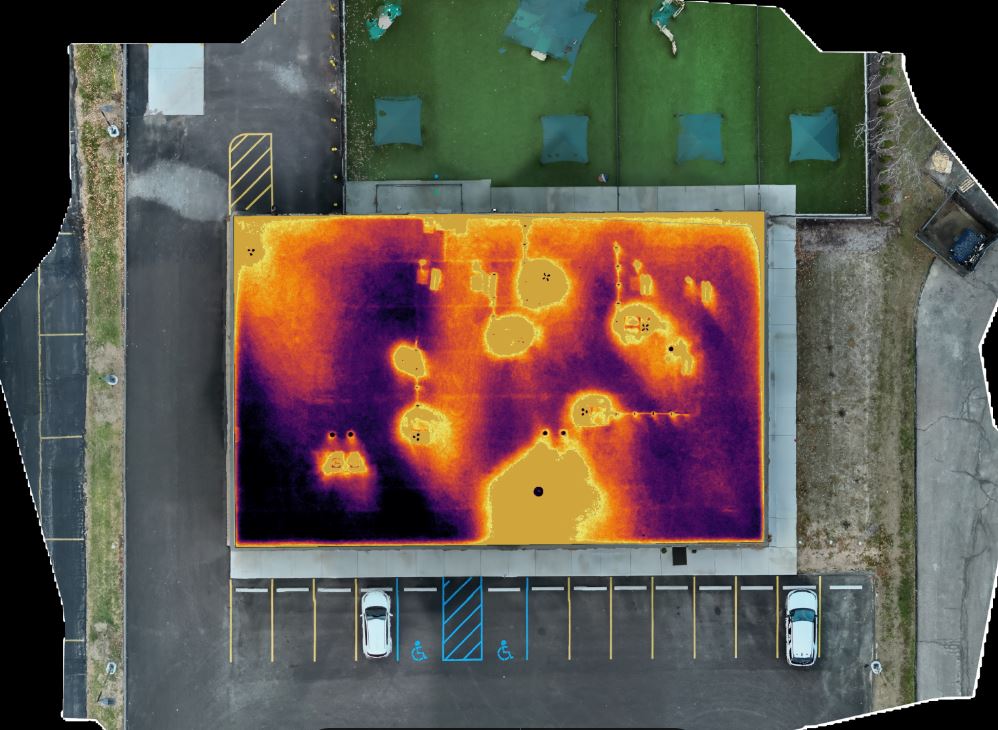
FLIR thermal imaging detects temperature variations across surfaces and systems. These thermal differences can indicate moisture intrusion, insulation failures, energy loss, overheating components, electrical concerns, or abnormal building behavior. LiDAR, on the other hand, uses laser pulses to generate precise three-dimensional measurements of land, structures, and surface conditions. It is especially valuable when detailed spatial understanding is needed for planning, documentation, modeling, and analysis.
Together, these tools allow organizations to collect far more meaningful aerial information than standard video or photography alone can provide.

Understanding FLIR Thermal Drone Imaging

FLIR thermal imaging is one of the most useful drone-based technologies for organizations that need to identify hidden issues quickly and efficiently across large areas. Instead of relying solely on what is visible to the eye, a FLIR-equipped drone measures heat patterns and temperature differences across roofs, walls, equipment, mechanical systems, and outdoor assets.

In commercial and industrial settings, this can be extremely useful. A thermal drone can help detect moisture beneath roof membranes where temperature retention differs from surrounding areas. It can assist in identifying building envelope inconsistencies, overloaded electrical components, uneven HVAC behavior, and heat signatures that may point to maintenance needs or system inefficiencies. For large properties or difficult-to-access surfaces, drones can gather this information far faster and with less disruption than many conventional inspection approaches.

For businesses in St. Louis, this matters because the region has a broad mix of industrial properties, healthcare campuses, educational institutions, office buildings, logistics sites, manufacturing operations, utility infrastructure, and aging commercial buildings. Many of these facilities can benefit from faster, more comprehensive temperature-based aerial reviews.

FLIR Thermal Drones for Roof Inspections

One of the most common and valuable uses for FLIR drone imaging is commercial roof inspection. Large flat roofs often present significant challenges for visual-only assessment. Problems beneath the surface may not be obvious until damage becomes more severe or more expensive to address. Moisture trapped within insulation or membrane systems can create thermal anomalies that show up under the right conditions during a properly planned FLIR inspection flight.
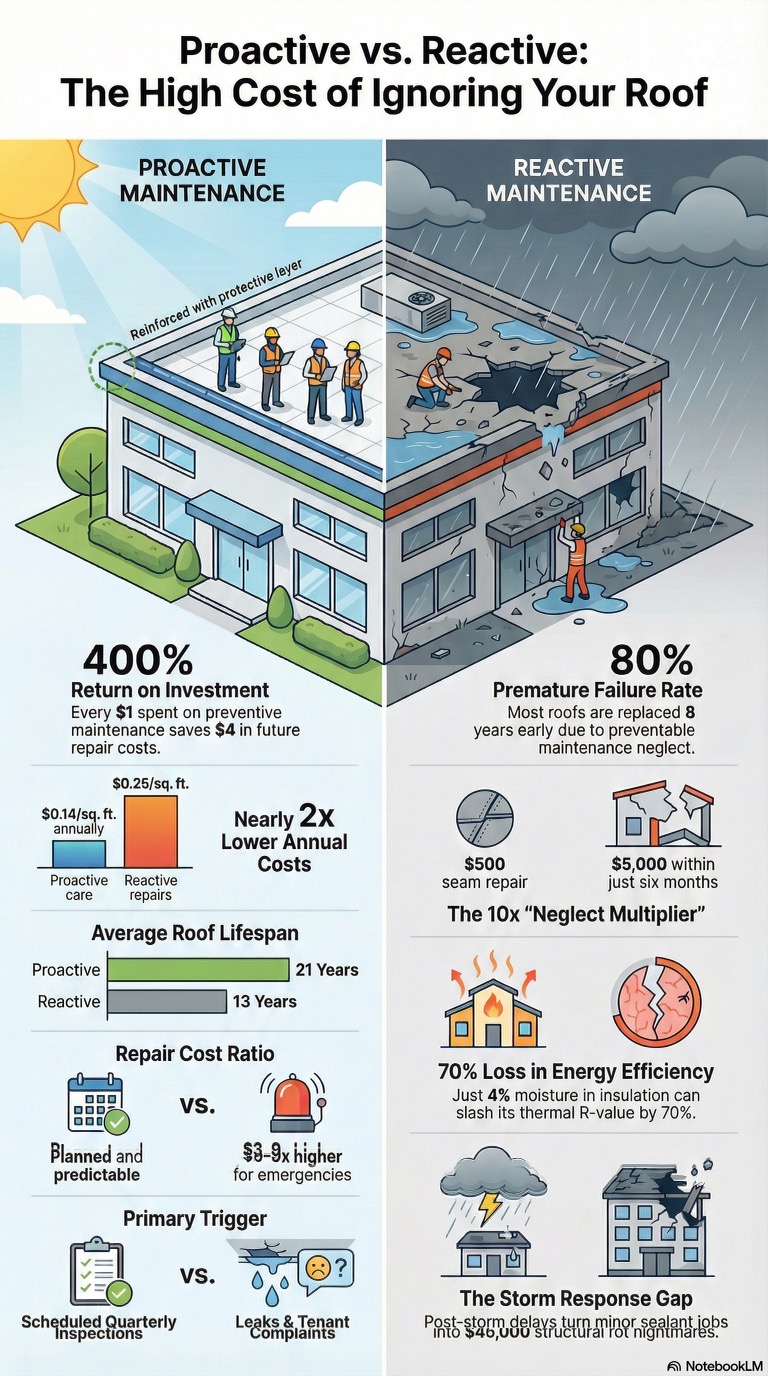
This does not mean thermal drones replace all other inspection methods, but they can provide highly useful guidance for identifying suspect areas, prioritizing follow-up evaluation, and documenting conditions over time. For property managers, facility operators, and building owners, that can mean better planning and more informed maintenance decisions.

The key is not simply owning a thermal camera. The real value comes from understanding when to fly, how environmental conditions affect readings, how building materials behave thermally, and how to separate meaningful anomalies from misleading surface effects. Experienced drone operation and interpretation are essential.

Industrial and Facility Applications for FLIR Thermal Drones

Thermal drones are also highly useful across industrial and institutional environments. Large manufacturing properties, utility assets, warehouses, mechanical systems, and infrastructure sites often include areas that are difficult, time-consuming, or costly to assess manually. Aerial thermal imaging can help teams look for unusual heat signatures, monitor asset conditions, and visualize problem areas in a way that standard photography cannot.

This can be useful for maintenance planning, facilities documentation, pre-project evaluation, or communication with internal stakeholders and outside consultants. In many organizations, one of the greatest values of thermal imaging is that it helps people clearly see the problem. It becomes much easier to explain a roof concern, a heat irregularity, or a suspect system condition when the issue can be shown visually rather than described only in text.

For organizations that need to support decisions with clear documentation, FLIR drone imagery can become an important business tool.
What LiDAR Drones Bring to the Table

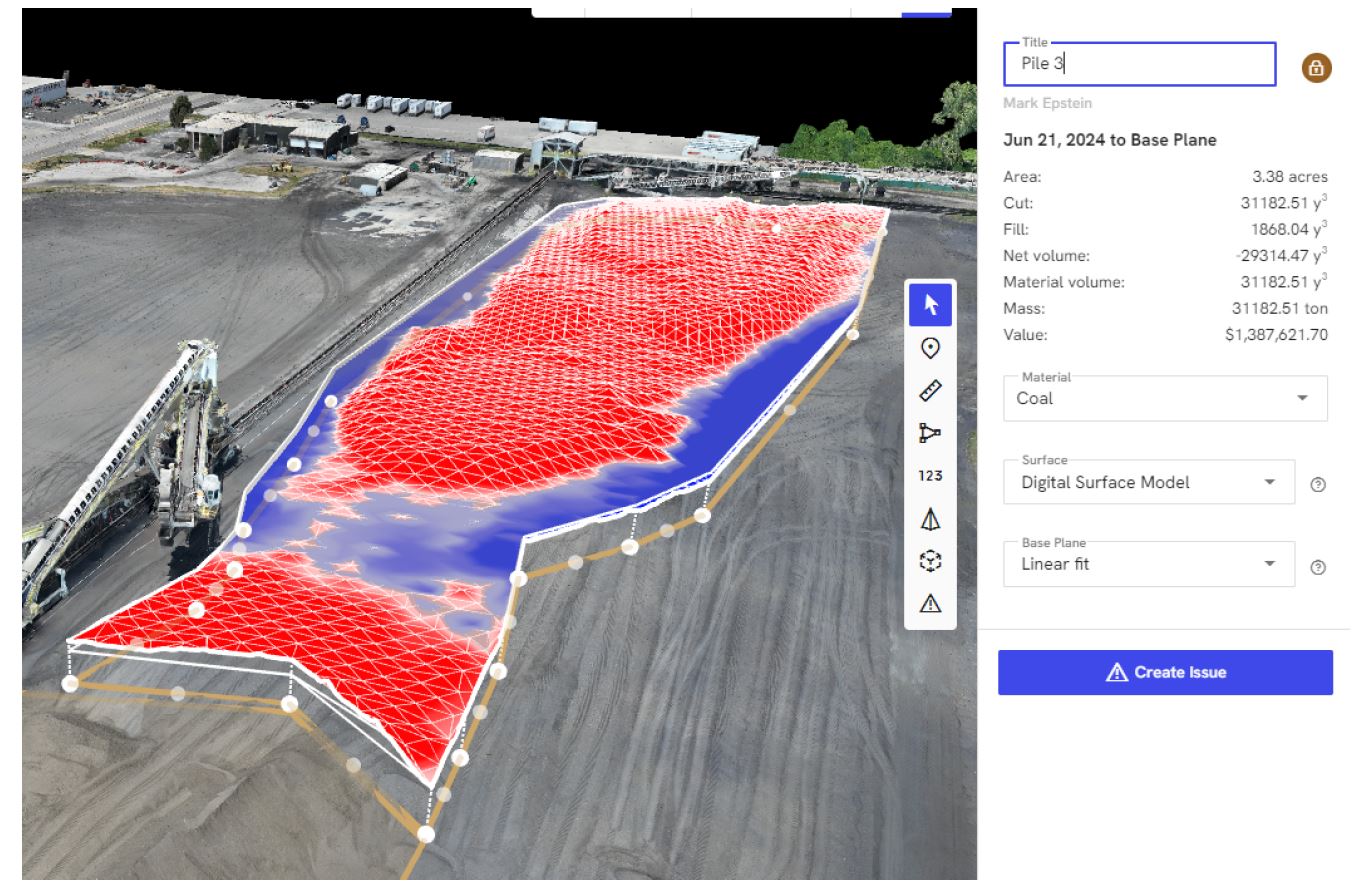
LiDAR offers a different but equally powerful set of advantages. While thermal imaging focuses on heat patterns, LiDAR focuses on spatial precision. A LiDAR drone emits laser pulses and measures the return of those pulses to generate detailed point cloud data and highly accurate three-dimensional representations of land and structures.

This makes LiDAR particularly valuable for projects where precision mapping, terrain understanding, elevation data, or spatial measurement are critical. It is widely useful in construction, development, engineering support, infrastructure assessment, site planning, corridor mapping, and large-property documentation.

Unlike standard aerial photography, which relies on visible surface imagery, LiDAR captures measurable geometry. That allows businesses and organizations to move beyond general impressions and into usable spatial intelligence. In some environments, especially where vegetation, uneven terrain, or complex surface relationships are involved, LiDAR can provide clearer and more dependable data than methods based entirely on standard imagery.
LiDAR Drone Uses in St. Louis

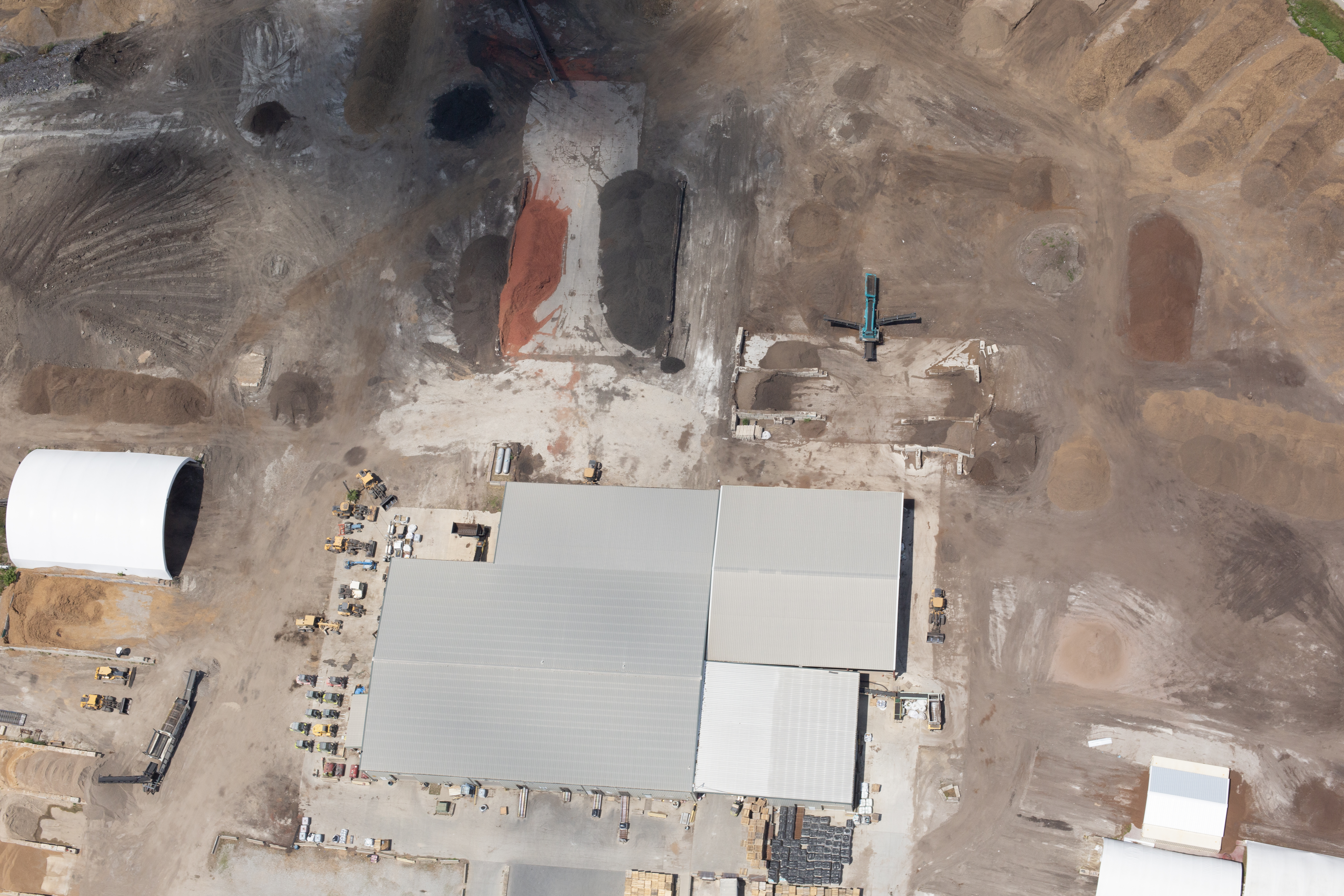
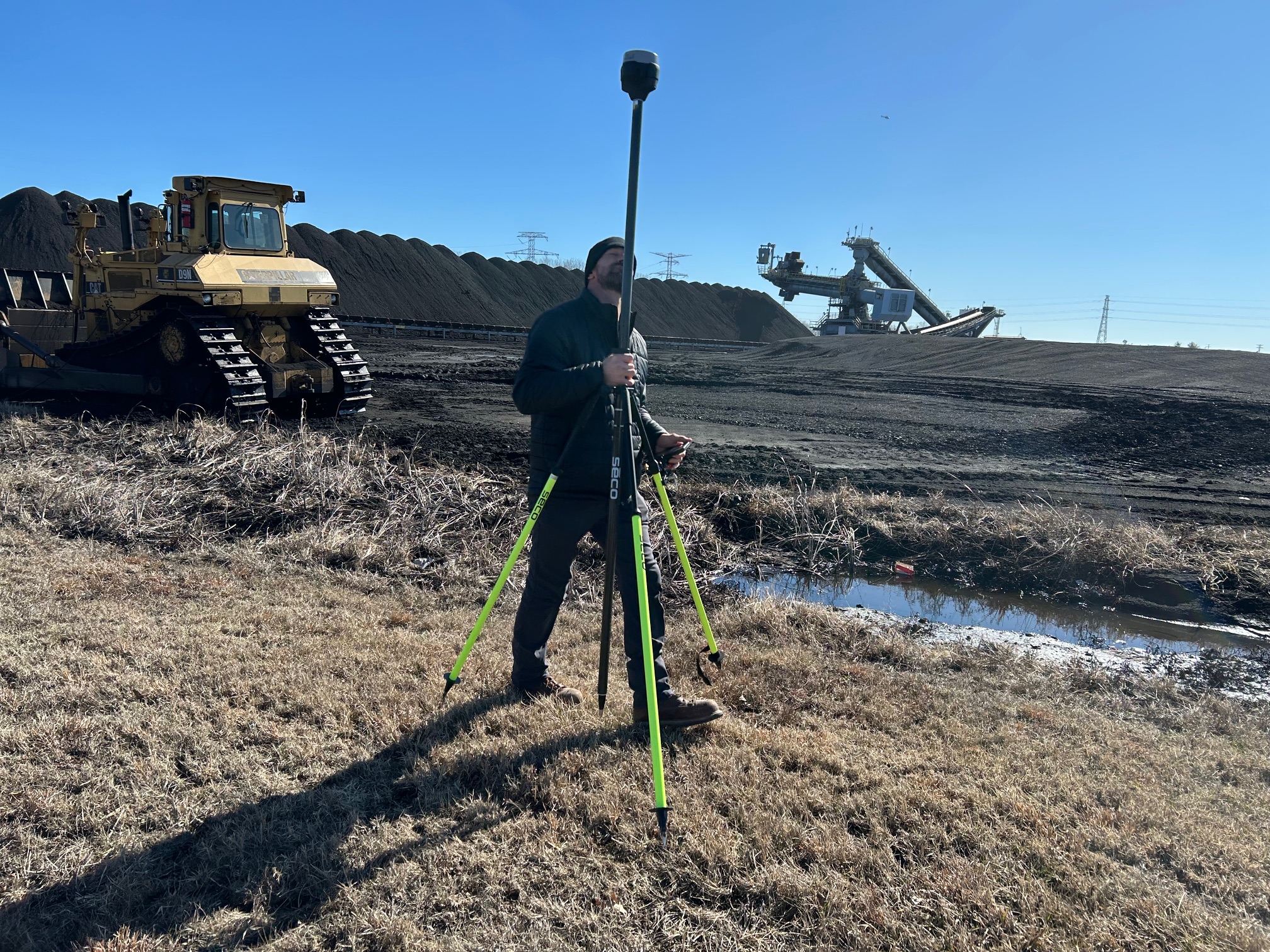
In the St. Louis area, LiDAR drone services can be valuable for land developers, civil engineering teams, construction managers, municipalities, industrial property operators, utilities, and organizations managing large or changing sites. A construction team may use LiDAR to better understand grading progress or site conditions. A developer may want more accurate terrain context before design work proceeds. Municipal or infrastructure projects may require efficient mapping of corridors, easements, drainage paths, or large public properties.

LiDAR can also support documentation over time. Repeated flights can help teams compare site conditions, track changes, and maintain a visual-spatial record of project evolution. This can be useful not only for operations and engineering but also for executive reporting, stakeholder presentations, and case-study development.
That crossover value is important. The most successful drone projects often serve more than one purpose. The data may support analysis, while the visuals support communication, marketing, or planning.

FLIR Thermal and LiDAR Are Strategic Business Assets

It is easy to think of FLIR thermal and LiDAR drones as niche technical tools, but that view is too limited. For many businesses, these services are strategic assets because they combine operational value with communication value.
A thermal roof survey can support maintenance planning while also providing compelling visuals for insurance discussions, internal reporting, or capital improvement presentations. A LiDAR-supported site documentation project can help engineers and planners while also supplying visual material for project promotion, investor presentations, public communication, or marketing content.

This matters because modern organizations increasingly need content that is informative, credible, and visually persuasive. Technical drone services can help bridge the gap between raw analysis and polished storytelling. When handled by an experienced production team, the resulting deliverables can support multiple departments at once, from operations and engineering to sales and marketing.

Why Experience Matters in Advanced Drone Services

FLIR thermal and LiDAR drone work are not commodity services. They require more than pilot skill. They require planning, site awareness, technical understanding, equipment knowledge, safety discipline, and a clear understanding of how the final deliverables will be used. Thermal imaging can be affected by time of day, weather, reflections, surface materials, and ambient conditions. LiDAR capture requires careful mission planning, data handling, and an understanding of the intended output.

Just as important, clients often need more than raw files. They may need edited visuals, still images, annotation-ready frames, presentation graphics, processed media, or integrated production assets that can be used across multiple platforms. A provider who understands both the technical capture and the communication side of the project can deliver much more value than one who simply flies and hands off data.
For decision makers, that means the right drone partner should understand not only the technology, but also the business purpose behind the flight.

Combining Technical Capture with Professional Media Production

One of the major advantages of working with a full-service production company for FLIR thermal and LiDAR drone projects is the ability to transform specialized capture into usable business media. Many organizations do not just need inspection imagery or mapping visuals. They need deliverables that work in presentations, websites, proposals, project updates, sales materials, training pieces, recruiting campaigns, and stakeholder communications.

That requires more than technical acquisition. It requires editing, post-production, visual consistency, formatting flexibility, and an understanding of how to shape technical material into clear communication. When drone services are backed by an experienced photography and video production team, the results are more versatile and more valuable.

A single project can often yield technical documentation, branded visuals, aerial stills, edited case-study videos, presentation support graphics, and content for multiple communication channels. That type of repurposing is exactly where organizations can gain more traction from one well-planned production effort.
The Future of Drone Services in St. Louis

As businesses continue to seek faster assessments, clearer documentation, safer data collection methods, and better visual content, the role of drones in commercial production will only grow. In St. Louis, where businesses operate across construction, manufacturing, healthcare, logistics, infrastructure, education, utilities, real estate, and corporate services, FLIR thermal and LiDAR drones offer practical solutions for both technical and communication needs.

The organizations that benefit most are often the ones that think beyond the flight itself. They view drone services not just as an aerial add-on, but as part of a broader strategy for better information, better media, and better decision-making.

Experienced FLIR Thermal and LiDAR Drone Services from St Louis Drones

At St Louis Drones, we understand that advanced drone work must do more than capture images from above. It must produce useful, professional results that help businesses and organizations solve problems, communicate clearly, and present their capabilities with confidence. As an experienced full-service professional commercial photography and video production company, St Louis Drones has the right equipment and creative crew service experience for successful image acquisition.

We offer full-service studio and location video and photography, as well as editing, post-production, and licensed drone services. St Louis Drones can customize your productions for diverse types of media requirements. Repurposing your photography and video branding to gain more traction is another specialty. We are well-versed in all file types and styles of media and accompanying software. We use the latest in Artificial Intelligence for all our media services.
Our private studio lighting and visual setup is perfect for small productions and interview scenes, and our studio is large enough to incorporate props to round out your set. We support every aspect of your production, from setting up a private, custom interview studio to supplying professional sound and camera operators, as well as providing the right equipment, ensuring your next video production is seamless and successful. We can fly our specialized drones indoors. As a full-service video and photography production corporation, since 1982, St Louis Drones has worked with many businesses, marketing firms, and creative agencies in the St. Louis area for their marketing photography and video.

For organizations exploring drones for FLIR thermal and LiDAR in St. Louis, experience, production quality, and strategic thinking all matter. St Louis Drones brings those strengths together to help clients capture more than footage. We help them capture meaningful information and turn it into media that works.

Rob Haller 314-604-6544 stlouisdrones@gmail.com
Maximizing ROI: The Strategic Value of Cost-Efficient St. Louis Drone Crews for High-Impact B-Roll

As experienced producers in the competitive St. Louis market, we recognize that the demand for high-quality video content is insatiable. Marketing directors and business leaders are under constant pressure to deliver visually arresting narratives across multiple platforms, often with tightening budgets.

In corporate, industrial, and commercial video production, the narrative backbone—the interviews or scripted messaging—is often called “A-Roll.” But the soul of the production, the elements that provide context, visual engagement, and cinematic production value, is the “B-Roll.”

Historically, acquiring high-end, dynamic B-Roll—especially aerials or sweeping motion shots—was distinctively not cost-efficient. It required helicopters, expensive jibs, extensive track systems, and large, specialized crews. Today, professional drone technology has democratized this cinematic quality, but only when deployed by experienced operators.

This article addresses how utilizing specialized, local St. Louis drone crews for B-Roll acquisition is no longer just a stylistic choice—it is a strategic, cost-efficient business decision.

The New Economics of Cinematic Acquisition

For decision-makers, “cost-efficiency” doesn’t mean “cheap”; it means maximizing the return on every production dollar spent.

A professional drone team replaces tons of legacy equipment. Where a sweeping shot of a manufacturing facility once required renting a boom lift or a piloted aircraft, a two-person certified drone crew can capture the same shot—often with greater stability and lower altitudes—in a fraction of the time and cost.

Furthermore, the speed of acquisition is unparalleled. A skilled drone operator and visual observer can relocate rapidly across a corporate campus or industrial site. We can capture establishing shots of the exterior, dynamic tracking shots of fleet vehicles, and revealing architectural movements all within a single battery cycle. This speed translates directly to reduced crew hours on site and more footage in the can.

Beyond the Sky: Specialized Indoor Applications

A common misconception among our commercial clients is that drones are solely an outdoor tool. This is outdated thinking.

Modern, specialized drones—often referred to as “cinewhoops” or guarded-propeller aircraft—have revolutionized indoor B-Roll. We can now fly cameras safely through active warehouses, along assembly lines, through real estate developments, and inside large office atriums.

This capability allows for seamless transitions from exterior grandeur to interior detail in a single, fluid movement. It provides a “fly-on-the-wall” perspective that standard ground cameras simply cannot achieve, adding immense production value to facility tours or operational overview videos without disrupting the workflow on the ground.

The Importance of the “Local” Crew

When budgeting for a production in the St. Louis region, utilizing a local, experienced drone team immediately eliminates significant line items: travel costs, lodging, and per diems for out-of-town specialists.

More importantly, local knowledge is an operational asset. As long-standing St. Louis producers, we understand the specific airspace regulations overlapping the metro area, from Lambert International to regional airports. We know the lighting conditions at specific times of day for key local landmarks and industrial zones. This local expertise ensures faster permitting, safer flight planning, and more efficient shoot days.

The Professional Difference: Why Experience Matters

While the technology is accessible, high-level B-Roll acquisition is an art form requiring professional discipline. It is not merely about flying a drone; it is about understanding composition, camera movement, lens choices, and how a specific shot will edit into the final sequence.

An experienced producer knows that B-Roll must serve the story, not just look pretty. We approach drone cinematography with the same rigor as traditional camera work, ensuring the footage we capture integrates seamlessly with ground-based cameras in terms of color science, frame rate, and resolution.

St Louis Drones: Your Full-Service Production Partner

While specialized drone B-Roll is a powerful tool for efficiency, it is usually just one component of a successful marketing campaign. You need a partner who understands the entire production ecosystem.

St Louis Drones is more than just an aerial provider. We are a full-service professional commercial photography and video production company with deep roots in the industry, serving businesses, marketing firms, and creative agencies in the area since 1982. We possess the right equipment, creative crew service experience, and logistical know-how for successful image acquisition across any terrain.

We support every aspect of your production to ensure a seamless experience. Our capabilities extend far beyond aerials:

  • Full-Service Studio and Location Production: Whether on-site at your facility or in our controlled environment, we handle all aspects of video and photography.
  • Private Studio Facilities: Our private studio offers professional lighting and visual setups perfect for small productions and interview scenes. The space is large enough to incorporate props to round out your set, providing a controlled environment for pristine audio and video capture.
  • Comprehensive Post-Production: We offer end-to-end editing and post-production services. We are well-versed in all file types, media styles, and accompanying professional software.
  • AI Integration: We utilize the latest in Artificial Intelligence tools throughout our media services to enhance workflow efficiency, footage culling, and post-production processes.
  • Content Repurposing: A successful shoot shouldn’t just yield one video. A specialty of ours is repurposing your high-quality photography and video branding across diverse media requirements to gain more traction on social media, websites, and internal communications.

From supplying professional sound and camera operators for a ground shoot to flying specialized drones indoors for unique perspectives, St Louis Drones has the experience and technology to execute your vision cost-effectively.

Rob Haller 314-604-6544 stlouisdrones@gmail.com
From Routine Flyovers to Headline-Worthy Stories: Turning Everyday Drone Shots into Eye-Catching PR Content

Drone footage isn’t a novelty anymore. Many organizations already have some form of aerial imagery—roof inspections, project progress shots, a quick flyover of a facility “just in case we need it someday.”

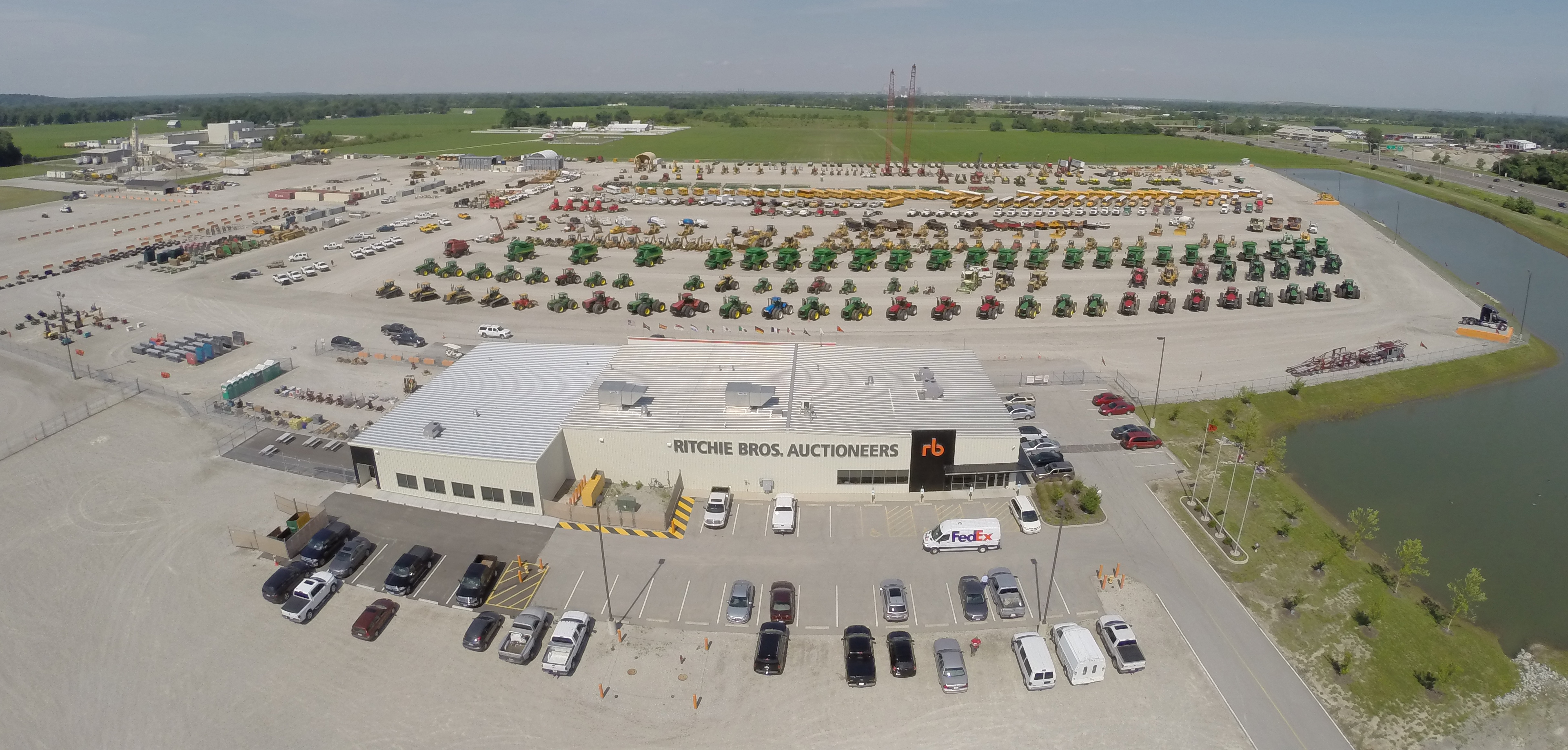
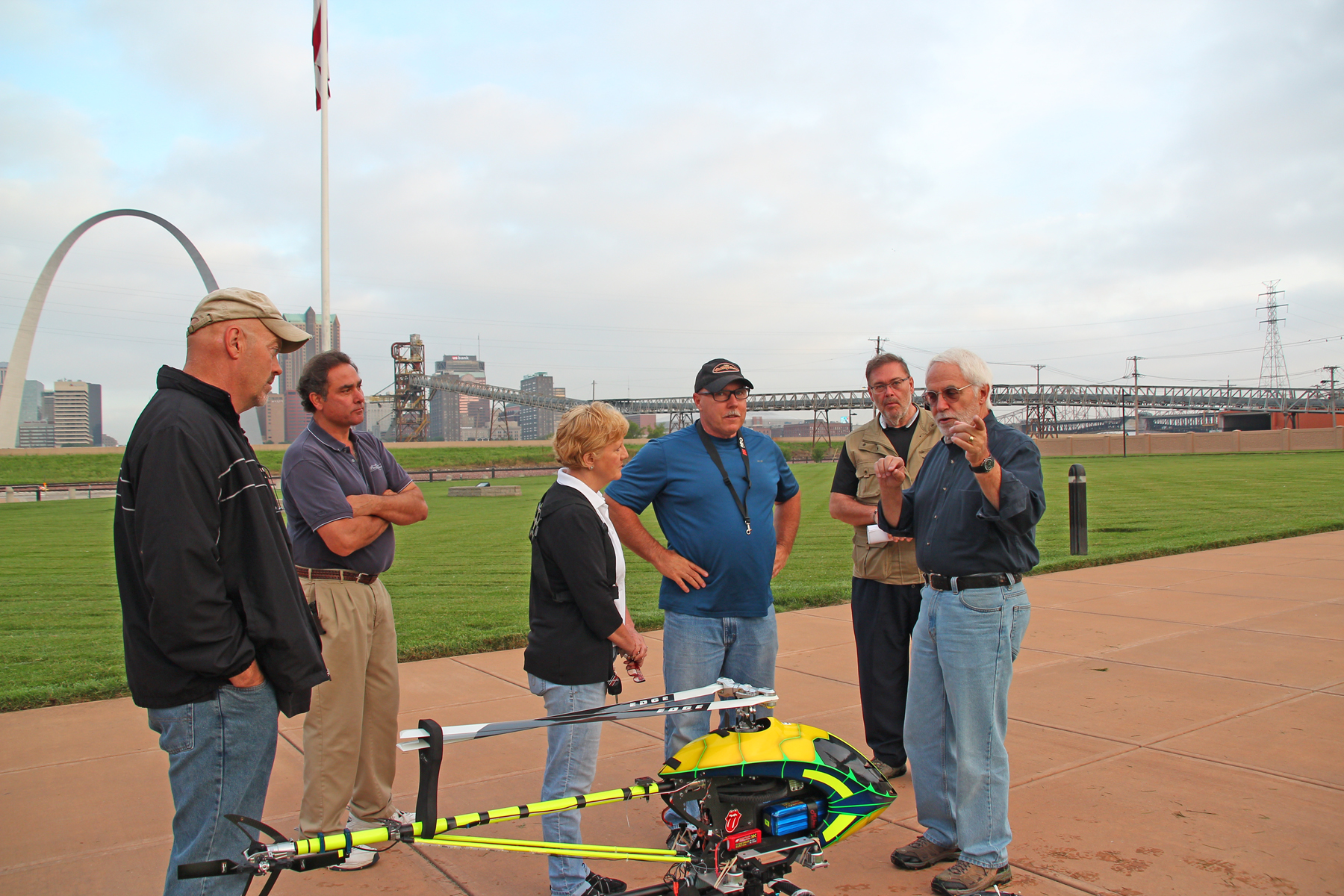
Raw drone footage shoot for future editing to support Public Relations programs.

The problem? Most of that footage sits on a server and never earns its keep. From a PR and marketing standpoint, that’s a missed opportunity.

Used strategically, those “everyday” drone shots can become powerful public relations assets: press-ready visuals, social media sequences, executive presentations, and short videos that actually move reputations and revenue. The difference isn’t the drone—it’s how you plan, shoot, and repurpose the material.

As an experienced videographer, photographer and producer at St Louis Drones, here’s how I recommend turning routine aerial footage into eye-catching PR content that works for your brand and your stakeholders.


1. Redefine What “Everyday Drone Shots” Really Are

When you look at your current drone library, you’ll likely see:

  • Simple flyovers of your building or campus
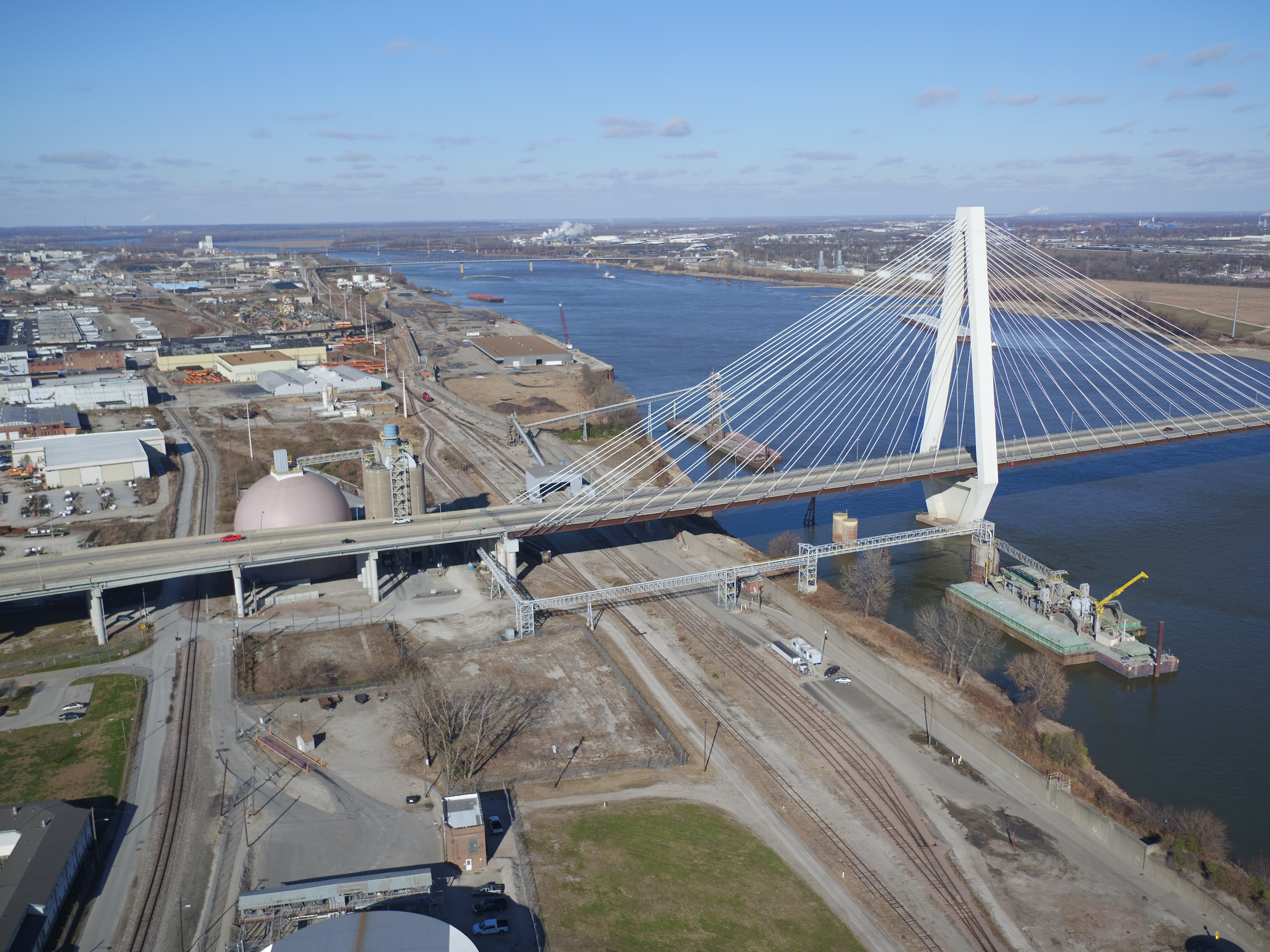
  • Top-down shots of parking lots, rooftops, or construction sites
  • Wide views of facilities, manufacturing lines, or logistics hubs
  • Quick clips grabbed “while the pilot was there anyway”

Individually, these may feel ordinary. But to your audiences—media, investors, customers, recruits, community stakeholders—they’re not. They show:

  • Scale: How big your operation truly is
  • Capability: The complexity of your facilities and projects
  • Location & access: How you fit into the surrounding community
  • Momentum: Visible proof that things are happening, changing, growing

Your first mindset shift: “Everyday drone footage is documentation that can be shaped into compelling proof.” Proof that you’re investing, innovating, and delivering.


2. Start with the PR Objective, Not the Drone

Before you send a pilot into the air—or dive into your existing footage—get clarity on the PR objective.

Ask three questions:

  1. Who is this content really for?
    • Local media?
    • Trade journals?
    • Investors and analysts?
    • Job candidates?
    • Community stakeholders or regulatory partners?
  2. What one sentence should this visual story support?
    Think in headlines and quotes:
    • “Company X expands St. Louis facility to create 150 new jobs.”
    • “Manufacturer Y invests in sustainable operations and reduced emissions.”
    • “Healthcare provider Z improves regional access with new clinic campus.”
  3. Where will this content live?
    • Press releases and media kits
    • LinkedIn or other social channels
    • Website homepage or landing pages
    • Internal town halls and leadership presentations

Once those answers are clear, you can frame your “everyday” shots as visual evidence that supports a specific narrative—not just “cool drone footage.”


3. Capture Drone Shots with PR Storytelling Built In

If you’re shooting new footage (or planning a reshoot to upgrade what you have), build a PR-focused shot list. Some essentials:

a. Establishing Credibility with Strong Wide Shots

  • High, wide establishing views that show your entire facility or project in context
  • Slow, controlled moves (no frantic panning) that feel confident and composed
  • Multiple altitudes and angles so you have options for different platforms

These are the shots that end up in news coverage, on your homepage, and in annual reports.

b. Show People, Not Just Property

PR is about people and impact. Capture:

  • Employees arriving, collaborating, or working safely on-site
  • Leadership walking a site, reviewing progress, or speaking informally
  • Community-facing moments like visitors, partners, or events

Even if the drone is at a distance, including people in frame makes the story feel human, not just architectural.

c. Highlight Details That Support Your Message

Fine details are critical for PR:

  • Solar panels, environmental controls, or sustainable features
  • Safety protocols: clear signage, PPE, traffic flow, secure perimeters
  • Branded elements: signage, logos, fleet vehicles, recognizable assets
  • Critical infrastructure: logistics, manufacturing, labs, or tech

These details become cutaway shots that editors and your internal team will use over and over.

d. Use Movement Intentionally

Well-planned motion cues add production value:

  • Reveal shots: start behind an object, then rise or orbit to reveal the facility
  • Follow or lead shots: track a vehicle entering or leaving your property
  • Dynamic orbits around key assets: towers, equipment, building additions

The goal isn’t to show off the pilot’s skill; it’s to create clean, usable clips that editors can easily cut into PR pieces.

e. Timing, Weather, and Light

For PR, aesthetics matter:

  • Shoot during golden hour where possible for richer, more flattering light
  • Avoid harsh midday shadows that flatten or obscure objects
  • Consider the sky—dramatic clouds can add texture; flat grey might weaken impact

If a key announcement is months away, it’s still worth capturing a “hero” set of shots in optimal conditions.


4. Turn Routine Drone Clips into Repeat-Use PR Assets

Once you have good coverage—or even if you’re working with existing footage—you can carve out multiple PR deliverables from the same material.

a. Social Media Micro-Stories

From one flight, you can easily create:

  • 10–20 short clips (5–15 seconds) for LinkedIn, X, and Instagram
  • Vertical clips formatted for Stories and Reels
  • Before/after comparisons of site development or expansion

Add a concise overlay or caption that ties back to your PR message and you have a steady stream of high-quality posts.

b. Press-Ready B-Roll Packages

Media outlets love clean b-roll they can plug into their own stories. Build:

  • A 30–60 second sequence with no music, no lower thirds, just clean footage
  • A mix of wide, medium, and detail shots, each held for at least 8–10 seconds
  • Angles that work with voiceover (no distracting, hyperactive moves)

This becomes a go-to b-roll package your PR team can share whenever there’s a relevant announcement.

c. Website & Landing Page Visuals

From routine drone shots, you can create:

  • Looping banner videos for key pages (10–20 seconds, subtle motion)
  • Background visuals for brand or careers pages
  • Visual anchors for ESG, sustainability, or community impact sections

Strategic use of aerial footage immediately communicates scale, credibility, and investment.

d. Executive & Investor Presentations

For leadership decks and investor updates:

  • Pull short clips that show progress over time (month-by-month construction shots)
  • Use aerials to visualize “before vs. current state” in a single slide
  • Pair aerials with key metrics to give numbers a tangible context

Even “ordinary” flyovers can become powerful proof points when framed correctly.


5. Build a Simple, Repeatable Drone-to-PR Workflow

To get real value, you need a repeatable process—not one-off hero projects. A practical workflow might look like this:

  1. Pre-Production Alignment
    • Marketing, PR, operations, and leadership align on upcoming milestones
    • Identify which events or build stages need drone documentation
    • Define the core narrative: jobs, growth, safety, sustainability, innovation, etc.
  2. Shot List & Compliance
    • Develop a shot plan that addresses both operational needs and PR use
    • Ensure all flights comply with current FAA rules and local restrictions
    • Lock in any necessary permissions, waivers, or indoor flight plans
  3. On-Site Execution
    • Capture coverage for immediate needs and future stories
    • Grab extra angles and “clean” shots for future editing flexibility
    • Maintain consistent visual style (framing, motion, camera profiles)
  4. Post-Production & Asset Management
    • Organize footage with clear naming conventions and metadata
    • Edit footage into discrete packages: social clips, b-roll, internal use
    • Store and catalog assets so PR and marketing can quickly repurpose them
  5. Measurement & Optimization
    • Track how drone-enhanced content performs: media pickup, engagement, time on page
    • Identify which visuals resonate most with your audiences
    • Use those insights to refine future shot lists and messaging

6. Where AI Fits into the Drone-to-PR Pipeline

Artificial Intelligence has become a practical toolset, not just a buzzword. In a drone + PR workflow, AI can:

  • Stabilize and enhance footage without reshooting
  • Reframe content automatically for vertical, square, and horizontal formats
  • Clean up skies and color for a consistent brand look
  • Mask sensitive areas by blurring faces, license plates, or restricted assets
  • Generate quick captions and transcript-based summaries for social posts or internal updates
  • Suggest best-performing segments for short-form vertical platforms

The key is restraint: AI should improve clarity, consistency, and safety—not fabricate realities. For PR and corporate communications, authenticity and accuracy are non-negotiable.


7. When You Need a Specialized Drone Production Partner

There are situations where “grab a quick drone shot” isn’t enough:

  • Indoor flights around machinery, production lines, or staged environments
  • Complex or congested sites with multiple safety constraints
  • Coordinated shoots across multiple locations or timeframes
  • Tight timelines for press events, announcements, or crisis response
  • High-stakes narratives where footage must align perfectly with messaging

In these cases, working with a seasoned drone and production team ensures:

  • You stay compliant and safe
  • You get the right coverage in a limited window
  • Your drone visuals integrate seamlessly with ground footage, interviews, and brand standards
  • Your PR team receives well-organized, ready-to-use assets instead of raw, messy files

Why St Louis Drones Is a Strategic Partner for PR-Driven Drone Content

For many organizations, the real challenge isn’t having drone footage—it’s turning that footage into consistent, credible, and on-brand PR content. That’s where we come in.

St Louis Drones is an experienced, full-service professional commercial photography and video production company with the right equipment and creative crew experience for successful image acquisition. We offer full-service studio and location video and photography, along with editing, post-production, and licensed drone pilots who understand both the technical and storytelling demands of PR-driven content.

We can customize your productions for a wide range of media requirements—from press kits and brand films to social campaigns and internal communications. Repurposing your existing photography and video branding to gain more traction is a core specialty; we’re well-versed in all modern file types, media styles, and the accompanying software required to keep your pipeline efficient.

Our private studio lighting and visual setup is ideal for small productions and interview scenes, and our studio is large enough to incorporate props and custom builds to round out your set. We integrate drone footage seamlessly with studio interviews and ground-based coverage, supporting every aspect of your production—from setting up a private, custom interview studio to supplying professional sound and camera operators, as well as the right equipment—for a seamless, successful video experience.

We also bring a unique capability to the table: we can fly our specialized drones indoors, safely and creatively, to capture perspectives that traditional systems simply can’t reach.

As a full-service video and photography production corporation operating since 1982, St Louis Drones has partnered with businesses, marketing firms, and creative agencies across the St. Louis area for their marketing photography and video needs. If you’re ready to turn “everyday” drone shots into eye-catching PR content that actually works for your brand, we’re ready to help you design and execute a strategy that makes every flight count.

Rob Haller 314-604-6544 stlouisdrones@gmail.com
Boost Your Brand: Easy, High-Impact Ways to Use Drone Services

If your brand lives in crowded feeds and busy inboxes, clarity and scale are your unfair advantages. Aerial cinematography does both. It reframes familiar places, reveals patterns a handheld camera can’t see, and delivers thumb-stopping motion that quietly signals “this is a serious operation.” As a videographer, photographer, and producer at St Louis Drones, here’s a practical playbook of low-lift, high-return ways to plug drone content into campaigns without blowing up timelines or budgets.

Why aerial works (and when to use it)

  • Instant context: One five-second top-down shot can tell viewers where they are and why it matters—no lower thirds or exposition needed.
  • Authority on sight: Aerials communicate operational scale (campus, fleet, footprint) and safety culture—useful in B2B, construction, healthcare, logistics, and manufacturing.
  • Editorial contrast: Cut between ground-level human moments and elevated perspectives for a cinematic rhythm that keeps viewers watching.
  • Platform-native motion: Short, stable, looping drone shots perform well as LinkedIn headers, web hero banners, and vertical teaser reels.

12 easy wins you can deploy this quarter

  1. Hero banner refresh – A 6–8s slow push-in over your headquarters or jobsite as the homepage hero. Export a lightweight, muted-loop MP4 and a still fallback.
  2. LinkedIn loopers – 5-second orbits of your facility, fleet, or signage for use as pinned posts and profile covers.
  3. Campus/plant flyover – Label major buildings with clean motion-tracked callouts; great for recruiting and investor relations.
  4. FPV office walkthrough – Micro-drone tour of your lobby → production floor → team spaces. One take, big energy.
  5. Product launch “reveal” – Start low behind an object, rise to unveil the product in context (rooftop solar, EV charger, retail buildout).
  6. Event recaps – Elevated wide shots establish crowd size and layout; combine with ground reactions for sponsor-friendly social cuts.
  7. Project milestones – Monthly “same-path” flyovers or top-downs to show progress for construction, civil, or energy projects.
  8. Safety & training snippets – Quick aerial context at the start of a training video helps orient learners to site hazards.
  9. Customer testimonial openers – 3–4s exterior establishing shot of the client location before cutting to the interview.
  10. Map overlays & motion graphics – Animate routes, coverage areas, or service radii over aerial plates for sales decks and RFPs.
  11. Short verticals (9:16) – Crop-safe framing for Reels/TikTok/Shorts; think “one maneuver, one message.”
  12. Before/after showcases – Roof repairs, landscaping, facade upgrades—split-screen aerials make transformations obvious.

Shot recipes that always look expensive (without being difficult)

  • Parallax orbit: Slow side-to-side movement around a subject; foreground elements create depth.
  • Top-down “blueprint” pass: 90° straight down; pause above key features for animated labels.
  • Reveal rise: Start hidden behind architecture or signage; ascend to reveal the full scene.
  • Leading line track: Follow roads, conveyor lines, or utility runs to guide the eye toward your CTA.
  • Indoor micro-FPV: Palm-sized, prop-guarded drones weave through tight spaces for dynamic tours—no post speed ramps needed.

Tech notes: Fly at 24/30 fps for cinematic looks; 60 fps only when you intend to slow-mo. Use ND filters to keep natural motion blur. Avoid harsh midday sun when possible; blue hour adds polish to glass and signage.


Funnel-first planning

  • Awareness: Short, emotive aerials (5–10s) for paid social and homepage hero.
  • Consideration: 30–60s overviews with animated callouts and on-screen stats.
  • Conversion: Case studies with aerial + interviews + graphics (2–3 minutes).
  • Loyalty/Recruiting: Culture-forward FPV tours and milestone updates.

Compliance, safety, and approvals (so your legal team sleeps at night)

  • FAA Part 107 licensed pilots, airspace checks, waivers where required, and documented pre-flight risk assessments.
  • Location permissions and site safety coordination (PPE, spotters, radio comms).
  • Privacy and brand control—no identifiable data in sensitive areas; review raw selects before anything leaves the site.
  • Indoor operations—FAA rules don’t apply indoors, but our own safety SOPs absolutely do.

Aerial + ground = the winning edit

Best-performing pieces pair a few surgical aerials with strong ground coverage. Consider this simple, proven structure:

  1. 0:00–0:04 – Aerial reveal (context + scale)
  2. 0:05–0:20 – Ground human moments (faces, hands, product in use)
  3. 0:21–0:35 – Aerial callouts (features/footprint)
  4. 0:36–0:45 – Social-ready tagline & CTA card

Post-production that multiplies value

  • Deliverable sets: 16:9 master, 1:1 square, 9:16 vertical, plus a 6–8s loop.
  • Graphics: Clean lower thirds, map pins, tracked labels; keep brand fonts and safe zones consistent.
  • AI assists: Noise reduction, smart reframing to vertical, object tracking for labels, speech cleanup on interviews, and versioning at multiple lengths for A/B tests.
  • Asset reuse: Turn one shoot into a site hero, three social shorts, a slide background, and a sales deck screenshot.

Measuring impact (so the work pays for itself)

  • Before/after benchmarks: Hero banner dwell time, scroll depth, and CTA clicks.
  • Social: Hook rate in first 3 seconds, average watch time, saves/shares.
  • Sales enablement: Deck adoption by reps and influenced pipeline tied to pages with aerial content.
  • Recruiting: Application starts following campus/plant tour posts.

Budget & timeline, simplified

  • Essentials (half-day): One location, pilot + camera op, 3–4 core maneuvers, 15–30s edit + stills.
  • Enhanced (full-day): Multiple locations or indoor + outdoor, aerial + ground crew, 60–90s edit, social cut-downs, graphic labels.
  • Integrated (multi-day): Phased construction progress, executive interviews, full graphic system, deliverables for web, social, and events.

Lead time for permits/airspace varies; we handle that paperwork while your team finalizes messaging.


Common pitfalls to avoid

  • Over-using drone shots (they’re seasoning, not the whole dish).
  • Flying at noon in harsh light.
  • Speed-ramping everything (feels gimmicky in B2B).
  • Skipping permissions or safety briefings.
  • Forgetting captions/alt text for accessibility.

Your quick-start briefing (copy/paste to kick things off)

  • Goals: What should viewers think/do after watching?
  • Audience & platform: Web hero, LinkedIn, trade-show loop, recruiting, etc.
  • Locations & sensitivities: Addresses, no-fly/sensitive areas, interior access.
  • Must-show: Products, signage, teams, partners, milestones.
  • Brand guardrails: Fonts, colors, lower-third templates, logo safe area.
  • Deliverables: Aspect ratios, durations, stills, captions, graphic callouts.
  • Timeline: Launch date and any permit deadlines.
  • Point people: On-site contact, safety lead, brand reviewer.

Why partner with St Louis Drones

St Louis Drones is a full-service professional commercial photography and video production company with the right equipment and a seasoned creative crew for successful image acquisition. We offer full-service studio and location video and photography, editing, post-production, and licensed drone pilots. We customize productions for diverse media requirements and repurpose your photography and video branding to gain more traction across channels. Our team is well-versed in all file types, media styles, and accompanying software, and we use the latest in Artificial Intelligence across our services. Our private studio lighting and visual setup is perfect for small productions and interview scenes, and the studio is large enough to incorporate props to round out your set. We support every aspect of your production—from setting up a private, custom interview studio to supplying professional sound and camera operators, as well as providing the right equipment—to ensure your next video production is seamless and successful. We can even fly our specialized drones indoors. As a full-service video and photography production corporation since 1982, we’ve partnered with businesses, marketing firms, and creative agencies across the St. Louis area to deliver marketing photography and video that performs.

If you’d like, send over the quick-start briefing and we’ll propose a shot list, flight plan, and deliverables tailored to your launch date.

Rob Haller 314-604-6544 stlouisdrones@gmail.com
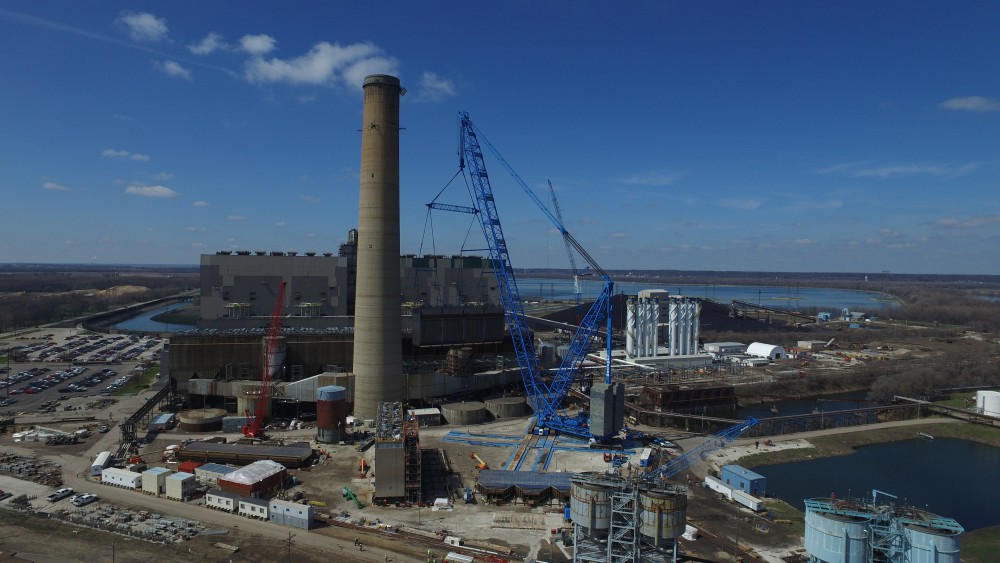
Aerial Precision: Using Drones to Document Demolition, Decommissioning, and Site Clearing

In today’s fast-paced world of development, infrastructure transformation, and environmental responsibility, capturing key phases of a project is more critical than ever. Whether you’re a construction manager overseeing a high-profile teardown, a property developer navigating the environmental compliance of site decommissioning, or a marketing executive tasked with showing progress to stakeholders—visual documentation of demolition, decommissioning, and site clearing has never been more essential.

Enter drone videography and photography—your new essential tool for aerial precision and powerful storytelling.


Why Drones Are Revolutionizing Demolition Documentation

Gone are the days of static before-and-after images taken from ground level. Drones offer unparalleled vantage points, providing comprehensive and dynamic visuals that ground-based cameras simply can’t capture. Here’s how drone services bring value to every stage of a site transition:


1. Pre-Demolition Aerial Surveys

Before the first wall comes down, drones provide detailed pre-demolition footage from every angle. This high-resolution photography and video can:

  • Document existing site conditions for permits or insurance purposes
  • Support architectural analysis and teardown planning
  • Offer historical preservation records when needed

3D modeling and orthomosaic mapping are available options that allow teams to virtually navigate the site and strategize logistics with confidence.


2. Live or Scheduled Progress Monitoring

During active demolition, drone flyovers can be scheduled at daily, weekly, or milestone intervals. This not only provides real-time progress updates to stakeholders but also helps:

  • Ensure compliance with safety and environmental regulations
  • Monitor equipment, personnel, and material management
  • Communicate with offsite teams, investors, or city officials effectively

We can even provide live drone feeds for remote site walkthroughs or investor presentations.


3. Decommissioning and Environmental Compliance

Drone footage is a powerful tool in documenting the safe removal of hazardous materials, verifying the integrity of environmental remediation, and confirming that decommissioning procedures follow required protocols. This visual evidence can support:

  • Environmental reports and audits
  • Government inspections
  • PR and corporate transparency initiatives

Our licensed pilots are trained to fly within regulated airspace, including around sensitive facilities, with the proper permits and safety protocols in place.


4. Final Site Clearing and Transition

The last phase—clearing and leveling—is often just as critical as demolition itself. Whether the end use is redevelopment, resale, or returning land to its natural state, drone footage can:

  • Validate contract completion
  • Create marketing content for the next phase
  • Serve as visual documentation for tax records or legal filings

Time-lapse drone videos can be particularly effective in showing the transformation of a site from structure to blank canvas.


Custom Productions and Repurposed Content

The content we capture during a demolition or decommissioning project doesn’t have to stop at internal use. Repurposed drone footage can become dynamic content for:

  • Company reels and case studies
  • Web and social media marketing
  • Stakeholder and board presentations
  • Future RFPs or client bids

With the right editing and storytelling techniques, your project teardown becomes a powerful visual narrative of capability and progress.


Why Partner with St. Louis Drones

At St. Louis Drones, we specialize in professional commercial photography and video production that adapts to the needs of our clients. Our full-service team includes FAA-licensed drone pilots, cinematographers, editors, and producers ready to help you capture your site safely and effectively.

Whether you need studio or location video and photography, editing, post-production, or live coverage, we’ve got you covered. Our private studio lighting setup is ideal for interview scenes, while our large indoor studio allows us to incorporate props and set designs for customized productions.

We’re equipped with specialized drones capable of flying indoors, perfect for capturing unique angles and controlled demolition environments. With decades of experience since 1982, we’ve worked with numerous businesses, marketing firms, and creative agencies throughout the St. Louis area, producing image assets for everything from internal documentation to national advertising campaigns.

Our team is well-versed in all file types, media styles, and software platforms, making us the ideal partner for seamless production and repurposing your visuals across multiple marketing channels.

314-604-6544 stlouisdrones@gmail.com