Tag Archives: st louis video editing

Creative Ways to Elevate Your Brand: Using Drone Shots in Ads and Promos

In today’s competitive media landscape, captivating visuals aren’t a luxury—they’re a necessity. Marketers, producers, and creative agencies are constantly seeking ways to differentiate their brand stories and engage viewers. One powerful solution that continues to gain traction is the strategic use of drone footage in advertising and promotional content.

At St Louis Drones, we’ve spent decades helping businesses bring their vision to life with creative aerial imagery. In this post, we’ll explore how drone videography can be leveraged in advertising and promotional campaigns to enhance storytelling, expand production value, and ultimately drive results.


1. Establishing Shots that Build Presence

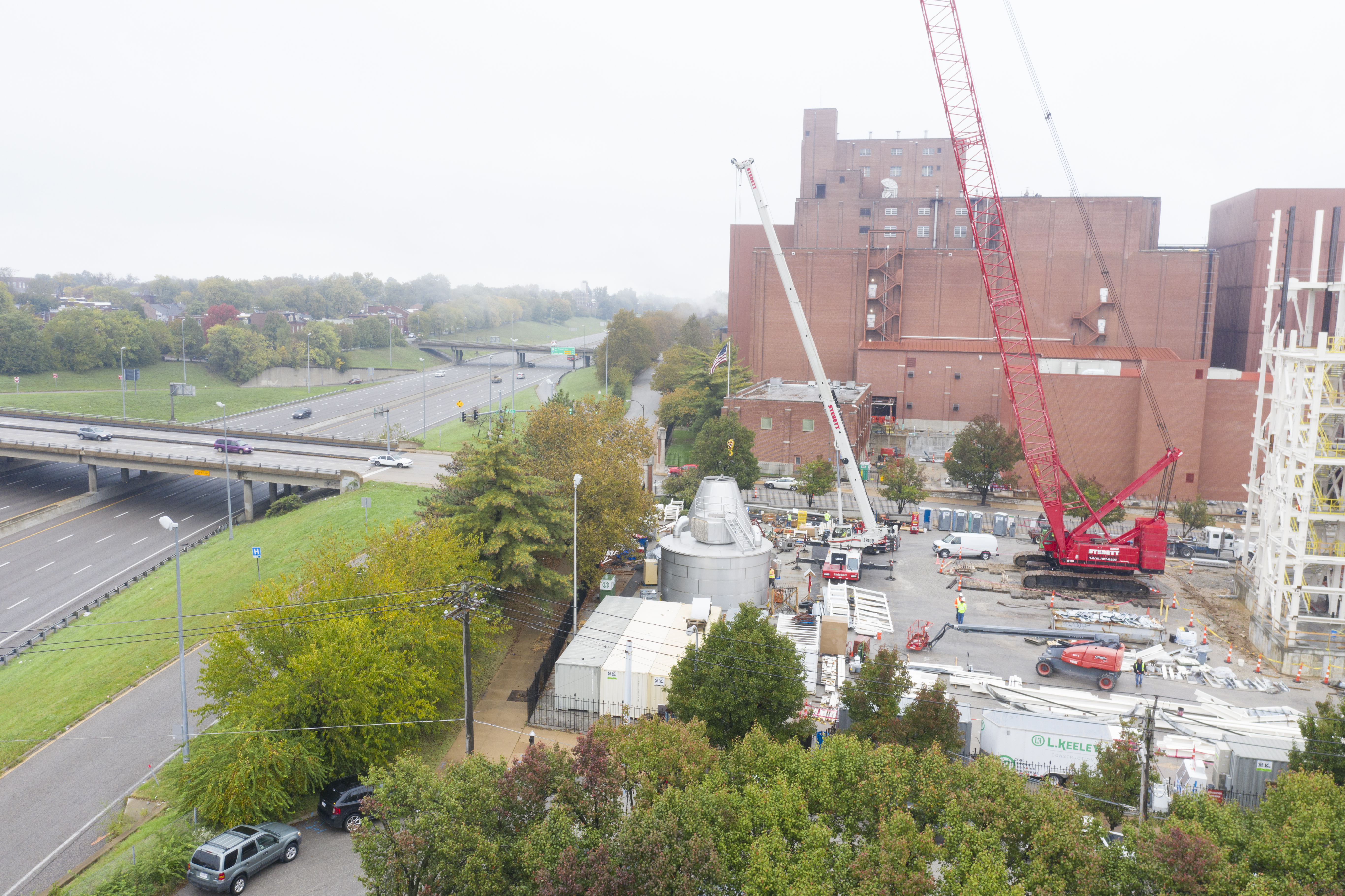
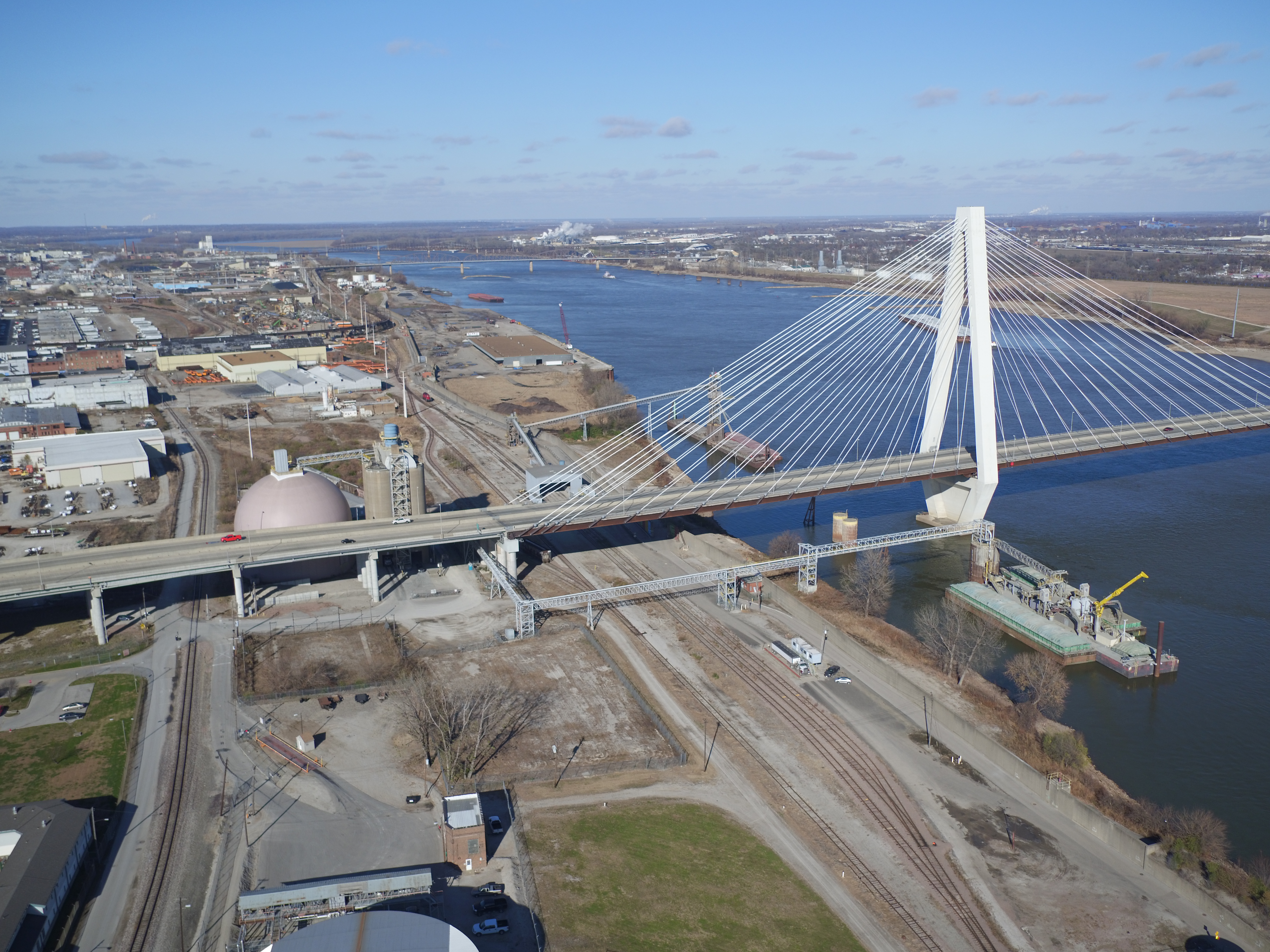
Drone footage immediately elevates your production by providing cinematic establishing shots. Whether it’s a sweeping flyover of your headquarters, a panoramic view of your outdoor event, or a dynamic reveal of a new development site, drone shots command attention and create a sense of scale. They’re perfect for setting the tone early in a promo or ad.

Use case: A commercial real estate firm promoting a new development uses a drone fly-in to showcase property access, layout, and neighborhood appeal—all within the first 10 seconds.

2. Dynamic Motion Creates Emotional Engagement

Drones introduce motion in a way that handheld and traditional camera systems cannot. With smooth tracking shots, overhead reveals, and fly-throughs, drones help brands evoke emotion and energy.

Use case: A fitness brand pairs energetic drone tracking shots with motivational messaging for a product launch video—showcasing athletes sprinting through urban landscapes from a bird’s-eye view.


3. Indoor Drone Shots: A Modern Twist on Product and Facility Showcases

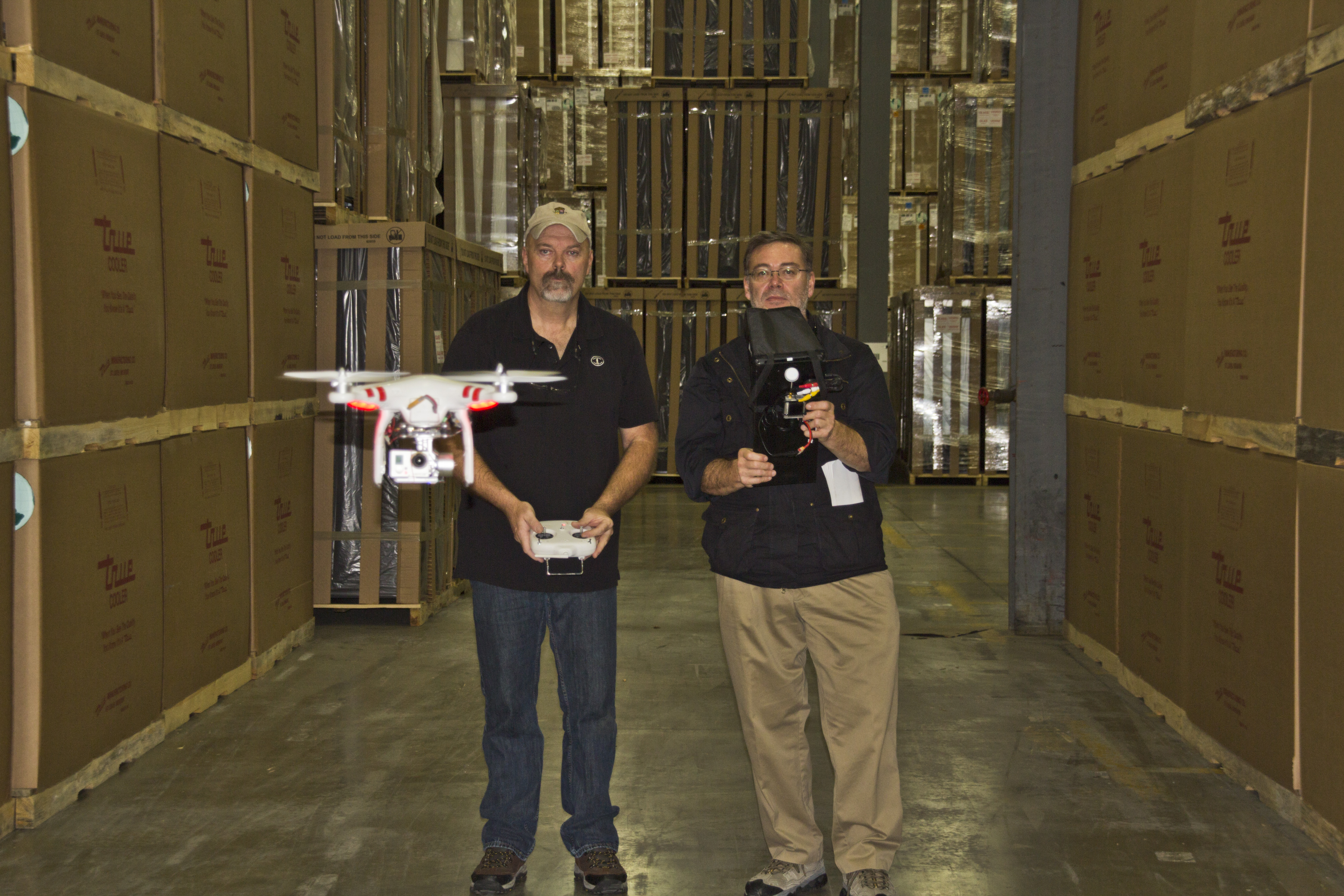
Our licensed drone pilots at St Louis Drones are trained to fly in tight indoor environments, making it possible to guide the viewer through your space in one continuous shot. This technique is ideal for product walkthroughs, warehouse tours, or manufacturing promos.

Use case: A brewery uses an indoor drone to give viewers a seamless behind-the-scenes tour from grain to tap, ending with a crowd enjoying the final product in the taproom.

4. Highlighting Logistics, Infrastructure, and Operations

For industrial or logistics companies, drone footage is an efficient way to demonstrate the scale, coordination, and technological sophistication of your operations.

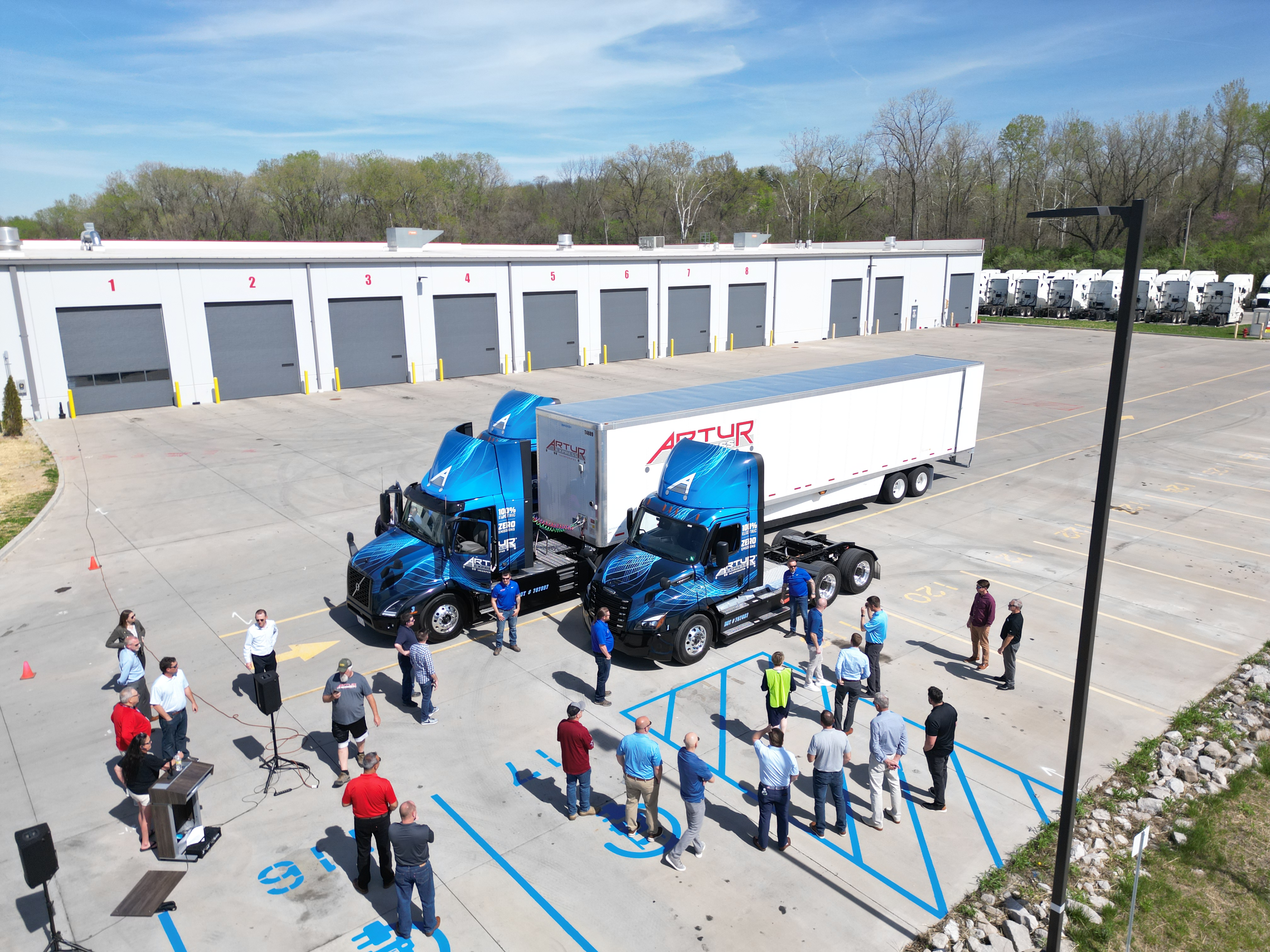
Use case: A supply chain company features aerial footage of truck movement, container coordination, and facility layout to illustrate operational excellence in a promo video for prospective clients.


5. B-roll that Breaks the Mold

Even in traditional interview-driven videos, aerial B-roll can transform the look and feel. Overlaying drone shots over voiceover or customer testimonials adds production value and keeps viewer interest high.

Use case: A tech company uses aerial B-roll of its office campus and employees commuting to complement customer success interviews in a case study video.

6. Seasonal and Time-of-Day Visuals for Mood and Tone

Drone footage can creatively capture sunrises, sunsets, fall colors, or snowfall, which can be repurposed across multiple campaigns and seasons. This adds emotional depth and thematic consistency to your content.

Use case: A healthcare organization’s fall campaign features a drone shot of golden trees surrounding their clinic, reinforcing their message of comfort and care through the seasons.


7. Social Media Cuts that Fly

Short-form videos and social media promos benefit from high-impact visuals. A quick 5-10 second drone shot can serve as a perfect hook for platforms like Instagram Reels, LinkedIn, or YouTube pre-roll ads.

Use case: A travel brand uses a 6-second drone shot of hikers atop a cliffside at sunrise as a pre-roll ad with the tagline “Find Your Next Adventure.”


Why Choose St Louis Drones for Aerial Content?

At St Louis Drones, we are a full-service professional commercial photography and video production company equipped with the latest technology and an expert crew. Since 1982, we’ve partnered with marketing firms, agencies, and businesses throughout the St. Louis area to produce compelling visual content.

We offer:

  • Licensed drone pilots skilled in both outdoor and indoor aerial work
  • Full-service editing and post-production capabilities
  • Custom studio setups with props and lighting for interviews and B-roll
  • Repurposing strategies to extend the value of your content across campaigns
  • AI-powered media tools to enhance editing workflows and content quality
  • Expertise in all file types, codecs, and formats for seamless integration into any media platform

Whether you need a high-impact opening shot for your ad, a facility walkthrough for your next promo, or drone footage that blends effortlessly into an interview-based video, St Louis Drones delivers the creativity, technical excellence, and strategic thinking you need for successful image acquisition.

Let’s elevate your brand—from the ground up and into the sky.

Rob Haller 314-604-6544 stlouisdrones@gmail.com

Interview and B-Roll Production: Techniques Every Filmmaker Should Know

Producing high-quality interviews and B-roll footage is a fundamental skill for any filmmaker. Whether you’re creating corporate videos, documentaries, or promotional content, mastering these techniques can significantly elevate the production value of your projects. In this post, we’ll delve into the essential strategies and tips for capturing compelling interviews and dynamic B-roll footage.

Use wide shots to establish context, medium shots for detail, and close-ups for emotional impact.

Preparing for the Interview

Research and Planning

Before you even pick up the camera, thorough preparation is crucial. Understand your subject matter, research the interviewee, and prepare a list of questions that guide the conversation while allowing for natural flow. This preparation helps in creating a comfortable environment for the interviewee and ensures you capture the key messages needed for the final production.

Location Scouting

Choosing the right location can make or break your interview. Look for a setting that is visually interesting but not distracting. Ensure good natural lighting, or plan to bring in your own lighting equipment. Consider the acoustics of the space and minimize background noise as much as possible.

Technical Setup

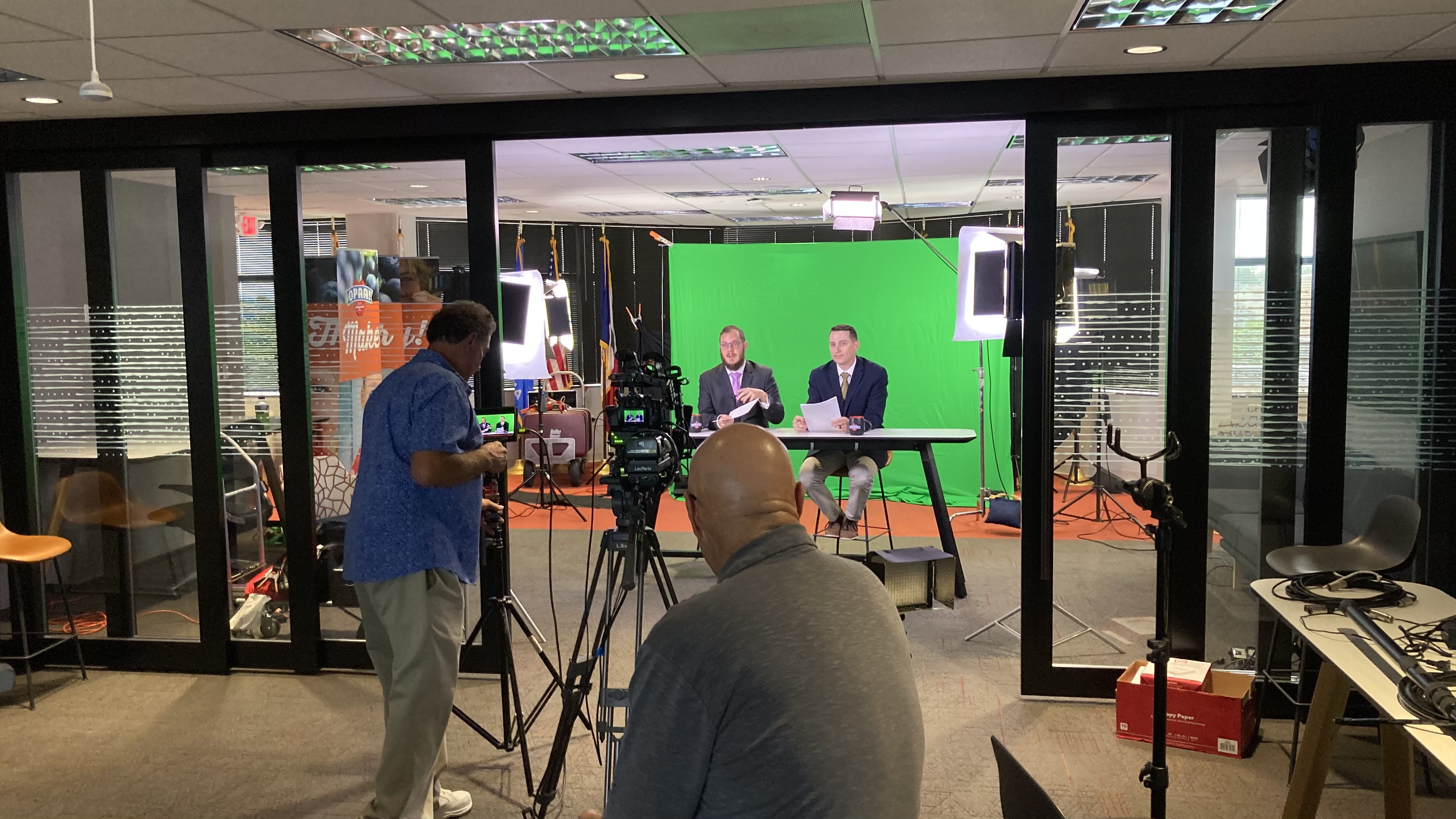
Your technical setup should include high-quality cameras, microphones, and lighting. Use a three-point lighting setup to ensure your subject is well-lit and stands out from the background. Test your audio levels beforehand to avoid any unpleasant surprises during the editing process.

Conducting the Interview

Building Rapport

A relaxed interviewee will provide more genuine and engaging responses. Spend a few minutes before the interview chatting informally to build rapport. Explain the process and what you aim to achieve with the interview to put them at ease.

Framing and Composition

Pay attention to how you frame your subject. Use the rule of thirds to place the interviewee off-center, creating a more dynamic composition. Ensure the background complements the subject without being too distracting. A shallow depth of field can help keep the focus on the interviewee by blurring the background.

Active Listening

During the interview, listen actively to the responses. This not only shows respect to the interviewee but also helps you identify interesting points that you can explore further. Be ready to ask follow-up questions based on their answers to delve deeper into the topic.

Capturing B-Roll

Planning Your Shots

B-roll footage is essential for covering cuts, enhancing the narrative, and adding visual interest. Plan your B-roll shots based on the interview content. Think about what visuals will best illustrate the points made during the interview.

Variety of Shots

Capture a variety of shots to keep your B-roll dynamic. Use wide shots to establish context, medium shots for detail, and close-ups for emotional impact. Experiment with different angles and perspectives to add visual interest.

Movement and Stability

Incorporate movement into your B-roll shots to make them more engaging. Use sliders, gimbals, or drones to achieve smooth, professional-looking camera movements. However, ensure that your shots remain stable and not jarring to the viewer.

Post-Production Tips

Syncing Audio and Video

Ensure that your audio is perfectly synced with your video footage. This is especially important for interviews where the audio is a critical component of the narrative. Use clapperboards or digital markers to make syncing easier during editing.

Selecting the Best Takes

Review all your footage and select the best takes for your final edit. Look for moments where the interviewee is most natural and expressive. Combine these with your most compelling B-roll shots to create a cohesive and engaging story.

Color Grading and Sound Design

Enhance the visual appeal of your footage with color grading. Match the tones across different shots to maintain visual consistency. Pay attention to sound design as well, ensuring clear dialogue and adding ambient sounds or music to enhance the overall production quality.

Why Choose St Louis Drones for Your Next Production

At St Louis Drones, we bring extensive experience and expertise to every project. Our full-service professional commercial photography and video production company is equipped with the latest technology and a creative crew dedicated to capturing stunning visuals.

We offer comprehensive services including studio and location video and photography, editing, post-production, and licensed drone pilots. Our ability to customize productions for various media requirements ensures your content stands out across all platforms.

With our specialized indoor drones and private studio setup, we can handle productions of any scale, from small interview scenes to complex, multi-camera shoots. Our team is skilled in all file types and media styles, and we provide complete support from initial planning to final delivery.

We’ve successfully collaborated with numerous businesses, marketing firms, and agencies in the St. Louis area, delivering high-quality corporate photography and video. Trust St Louis Drones to make your next video production perfect.

For more information on how we can help elevate your brand with our professional services, contact us today.

314-604-6544 stlouisdrones@gmail.com

A Day in the Life of a Testimonial Videographer

Welcome to a behind-the-scenes glimpse into the dynamic world of testimonial videography. In the realm of visual storytelling, testimonial videos stand out as powerful tools for businesses and organizations to convey authentic narratives, establish credibility, and connect with their target audience on a deeper level. As experienced photographers and videographers at St Louis Drones, we understand the intricacies involved in capturing compelling testimonials that resonate with viewers and drive results.

Before the cameras start rolling, meticulous planning is essential to ensure a seamless production process.

Understanding the Essence of Testimonial Videography

Testimonial videos are more than just interviews; they are testimonials brought to life through the art of visual storytelling. At the heart of every successful testimonial video lies a genuine story, one that evokes emotion, builds trust, and leaves a lasting impression. As testimonial videographers, our role extends beyond simply recording footage; it involves cultivating an environment where interviewees feel comfortable sharing their experiences authentically.

Preparing for the Shoot

Before the cameras start rolling, meticulous planning is essential to ensure a seamless production process. This involves understanding the client’s objectives, identifying key interviewees, and scouting locations that complement the narrative. At St Louis Drones, we leverage our expertise to develop a comprehensive strategy that aligns with the client’s vision and goals.

Capturing Authenticity on Camera

On the day of the shoot, our team arrives equipped with state-of-the-art gear and a keen eye for detail. We strive to create an environment where interviewees feel relaxed and confident, allowing their authentic personalities to shine through. Through strategic framing, lighting, and direction, we capture genuine moments that resonate with viewers and convey the essence of the testimonial.

Post-Production Magic

Once the footage is captured, the magic happens in the editing room. Our skilled editors meticulously weave together interviews, b-roll footage, and graphics to craft a cohesive narrative that captivates audiences. From color grading to audio mastering, every aspect of post-production is carefully tailored to enhance the visual impact and effectiveness of the testimonial video.

Leveraging Testimonial Videos for Success

A well-produced testimonial video has the power to elevate a brand’s reputation, attract new customers, and drive business growth. At St Louis Drones, we understand the importance of repurposing testimonial content across various marketing channels to maximize its reach and impact. Whether it’s website embeds, social media snippets, or email campaigns, we work closely with our clients to develop a tailored distribution strategy that amplifies their message and generates results.

Elevate Your Brand with St Louis Drones

As a full-service video and photography production company, St Louis Drones has a proven track record of delivering exceptional results for businesses, marketing firms, and agencies in the St. Louis area. With our extensive experience, cutting-edge equipment, and creative expertise, we are committed to bringing your vision to life and helping you achieve your goals through the power of visual storytelling.

Contact us today to learn how St Louis Drones can elevate your brand through captivating testimonial videos and comprehensive photography and video production services.

As a full-service video and photography production company, St Louis Drones has worked with many businesses, marketing firms, and agencies in the St. Louis area for their corporate photography and video.

314-604-6544 stlouisdrones@gmail.com
Transforming Your Business Communication with Polished Video Interviews

In today’s fast-paced digital world, effective communication is paramount for businesses aiming to connect with their audience. One of the most impactful tools in the realm of business communication is video interviews. Whether it’s for internal training, marketing campaigns, or industry insights, well-executed video interviews can captivate, inform, and inspire viewers. In this comprehensive guide, we’ll delve into the intricacies of video interviews, exploring their significance, key elements for success, and tips for achieving polished results.

Trim unnecessary footage, enhance audio quality, and add relevant graphics or overlays to reinforce key points.

Understanding the Importance of Video Interviews

Video interviews offer a dynamic platform to convey messages, showcase expertise, and establish credibility. Unlike text-based content, videos engage multiple senses, facilitating better retention of information. Moreover, they humanize the communication process by allowing viewers to see and hear the speaker, fostering a deeper connection. In the context of businesses, video interviews can:

  • Enhance Brand Visibility: Video interviews provide an opportunity to showcase your brand’s personality, values, and expertise, thereby strengthening brand identity and recognition.
  • Build Trust and Authority: When key personnel or industry experts share insights through video interviews, it enhances credibility and establishes them as thought leaders within their field.
  • Engage Audiences: Visual storytelling through video interviews captivates audiences, making complex topics more digestible and relatable.

Key Elements of Successful Video Interviews

Creating impactful video interviews requires careful planning, execution, and post-production refinement. Here are some essential elements to consider:

1. Preparation:

  • Research and Planning: Thoroughly research your topic or interviewee to ensure relevant and insightful content. Create a structured outline or list of questions to guide the conversation.
  • Equipment Setup: Invest in quality audio and video equipment to ensure clear, professional-looking footage. Test equipment and lighting conditions before recording.

2. Interview Execution:

  • Engaging Conversation: Encourage natural dialogue by fostering a comfortable atmosphere for the interviewee. Maintain eye contact, active listening, and appropriate body language.
  • Visual Composition: Frame shots carefully, ensuring the interviewee is well-centered and in focus. Consider the background and lighting to create a visually appealing scene.

3. Post-Production:

  • Editing: Trim unnecessary footage, enhance audio quality, and add relevant graphics or overlays to reinforce key points. Maintain a consistent tone and pacing throughout the video.
  • Branding: Incorporate your brand’s logo, colors, and messaging to reinforce brand identity and recognition.

Tips for Polished Video Interviews

  • Focus on Storytelling: Craft a narrative arc that engages viewers from start to finish. Personal anecdotes, case studies, or industry insights can add depth and resonance to your interviews.
  • Authenticity Matters: Encourage interviewees to be authentic and genuine in their responses. Authenticity builds trust and fosters a deeper connection with the audience.
  • Practice Active Listening: Pay attention to the interviewee’s responses and ask follow-up questions to delve deeper into interesting topics. Active listening leads to more engaging and insightful conversations.
  • Seek Feedback: After producing a video interview, solicit feedback from colleagues or trusted individuals to identify areas for improvement and refine your approach.

Elevate Your Business Communication with St Louis Drones

As a full-service professional commercial photography and video production company, St Louis Drones possesses the expertise, equipment, and creative crew necessary for successful conference documentation. We offer comprehensive services, including full-service studio and location video and photography, editing, post-production, and media repurposing. Our team is well-versed in all file types, styles of media, and accompanying software, ensuring that your productions meet the highest standards of quality and effectiveness.

Call to Action: If you’re seeking to elevate your business communication through polished video interviews, partner with St Louis Drones. With our experience and dedication to excellence, we’ve worked with numerous businesses, marketing firms, and agencies in the St. Louis area for their corporate photography and video needs. Contact us today to discuss how we can tailor our services to meet your specific requirements and objectives.

By incorporating polished video interviews into your communication strategy, you can effectively convey your brand’s message, engage your audience, and drive meaningful connections that propel your business forward. Unlock the power of visual storytelling with St Louis Drones and transform the way you communicate.

314-604-6544 stlouisdrones@gmail.com

Utilizing Essential Drone Shots in Your Documentary

In the world of documentary filmmaking, capturing breathtaking visuals is paramount. It not only adds depth and intrigue to your narrative but also immerses your audience into the story you’re trying to tell. While traditional cameras have their place, drones have revolutionized the way documentaries are filmed. As an experienced drone pilot at St. Louis Drones, I’m here to guide you through the essential drone shots that can elevate your documentary to new heights.

Pre-flight planning helps ensure that you capture the shots you need without any mishaps.

The Power of Aerial Perspectives

Drones have become indispensable tools for filmmakers, allowing them to capture stunning aerial shots that were once only possible with expensive helicopters or cranes. These aerial perspectives offer a unique vantage point that can showcase landscapes, cityscapes, and even the smallest details from a perspective that’s impossible to achieve with ground-based cameras.

1. Establishing Shots

Establishing shots are the backbone of any documentary. They set the scene, provide context, and give viewers a sense of the location or environment in which the story unfolds. Drones excel at capturing awe-inspiring establishing shots that can instantly grab your audience’s attention. Whether it’s a sweeping view of a natural landscape, a bustling cityscape, or an architectural marvel, a well-crafted drone establishing shot can set the tone for your entire documentary.

2. Tracking Shots

Tracking shots are dynamic and engaging, allowing you to follow subjects or objects seamlessly. Drones can effortlessly track moving subjects, whether it’s a person hiking through the wilderness, a car racing down a winding road, or wildlife in its natural habitat. The smooth and stable footage achieved with drones adds a professional touch to your documentary.

3. Reveal Shots

Reveal shots are all about building anticipation and unveiling something significant to your audience. Drones can create dramatic reveal shots by flying over or around obstacles, gradually exposing what lies beyond. This technique can be particularly effective when revealing hidden landscapes, historical sites, or key elements of your story.

4. Subject Isolation Shots

Drones can also be used to isolate your subject, drawing attention to it amidst a larger context. By employing techniques like depth of field and framing, you can emphasize your subject and convey its significance in the narrative.

5. 360-Degree Shots

To provide a comprehensive view of your surroundings, consider using 360-degree shots. Drones equipped with 360-degree cameras can capture everything around them, allowing your audience to immerse themselves fully in the environment you’re showcasing. This technique is ideal for capturing the beauty of natural landscapes, historic sites, and cultural events.

Technical Considerations for Drone Filmmaking

Achieving stunning drone shots is not just about creativity; it also requires technical proficiency. Here are some essential technical considerations for successful drone filmmaking:

1. Camera Quality

Invest in a high-quality drone with a capable camera. The resolution and image stabilization of the camera are crucial for producing professional-looking footage. At St. Louis Drones, we use state-of-the-art drones with top-notch cameras to ensure the best results for our clients.

2. Safety First

Safety should always be a top priority when flying drones. Familiarize yourself with local regulations and airspace restrictions. St. Louis Drones adheres to all safety guidelines and is fully licensed and insured for drone operations.

3. Flight Planning

Plan your drone flights carefully. Consider factors like weather conditions, wind speed, and flight path. Pre-flight planning helps ensure that you capture the shots you need without any mishaps.

4. Post-Production

Post-production is where the magic happens. Editing software allows you to refine your footage, add special effects, and create a polished final product. St. Louis Drones specializes in post-production services, ensuring that your documentary looks its best.

St. Louis Drones: Your Full-Service Infrared Drone Production Partner

At St. Louis Drones, we go beyond just capturing incredible drone shots for your documentary. We are a full-service drone production and post-production company with a track record of delivering compelling shots. Our team comprises experienced drone videographers and producers who understand the nuances of documentary filmmaking.

Our Services Include:

  • Full-service studio and location video recording
  • Expert video editing and post-production
  • Photography services
  • Customized video productions for diverse reporting needs
  • Repurposing your productions to gain more traction

We are well-versed in all file types and styles of media software and reporting, ensuring that your documentary meets the highest standards of quality and precision.

Your Story Deserves the Best

As a full-service video creation company, St. Louis Drones has collaborated with numerous commercial businesses in the St. Louis area to create building infrared reports that are both informative and visually captivating. Our experienced team of drone videographers and producers can help you craft insightful marketing communications that leave a lasting impression on your audience.

When it comes to drone filmmaking, trust the experts at St. Louis Drones to take your documentary to the next level. Contact us today to discuss your project, and let’s bring your vision to life.

Your story is unique, and it deserves to be told with the best visuals possible. Elevate your documentary with St. Louis Drones.

How to Incorporate Ground Video Footage with Aerial Shots for Maximum Impact.

Using the different perspectives of aerial and ground footage, you can create a narrative arc that will keep viewers engaged and help them understand the story.

Aerial photography and videography are becoming increasingly popular for film and video production, offering unique perspectives and stunning visuals that capture attention and create maximum impact. But incorporating ground video footage with aerial shots can take your production to the next level, creating an engaging, immersive experience for viewers. By blending the two formats in creative and strategic ways, you can create a captivating video that tells a story and has a lasting impression. This article will discuss the various techniques for combining aerial and ground footage to create a truly impactful video.

Benefits of Combining Aerial and Ground Footage

When aerial and ground footage are used together, they can create a powerful and dynamic visual experience. Ground footage gives viewers a sense of immersion, making them feel like they are part of the action. Aerial footage, on the other hand, gives viewers a wider perspective and allows them to take in the entire scene. When combined, these two elements can create a truly captivating video.

In addition to creating a visually stimulating experience, combining aerial and ground footage can also help you tell a story. By using the different perspectives of aerial and ground footage, you can create a narrative arc that will keep viewers engaged and help them understand the story.

Finally, combining aerial and ground footage can also help you to create a unique aesthetic for your video. By using the two different formats in creative ways, you can create a visually stunning video that stands out from the crowd.

Types of Ground Footage

When incorporating ground footage into your video, there are several different types of shots you can use. For example, you can use close-up shots to create a more intimate feel, or you can use wide shots to give viewers a broader perspective. You can also use tracking shots to follow a subject and create a sense of movement, or you can use handheld shots to add a sense of energy and excitement.

In addition, you can also use timelapse shots to speed up a scene and create a sense of urgency, or you can use slow motion shots to emphasize a moment or draw out a scene. Finally, you can use drone shots to give viewers an aerial perspective while still providing the intimacy of being on the ground.

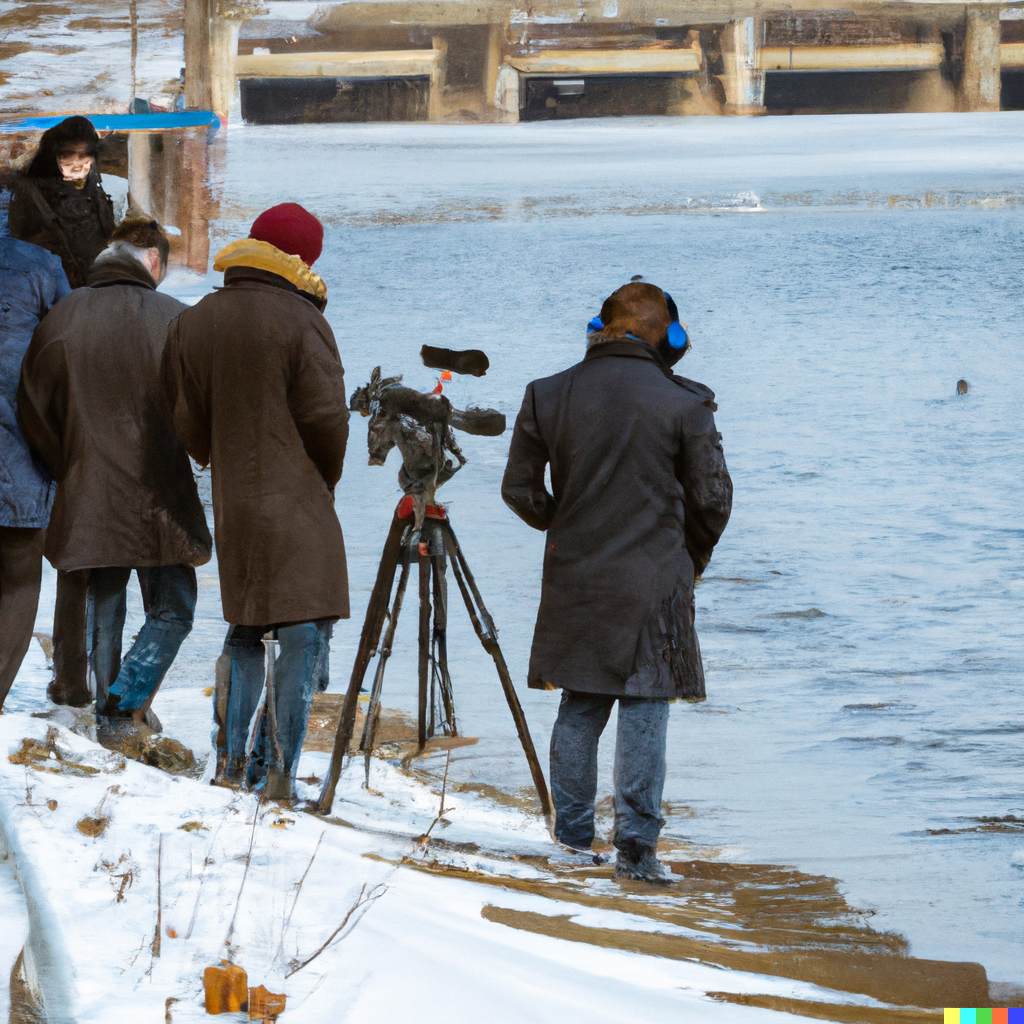
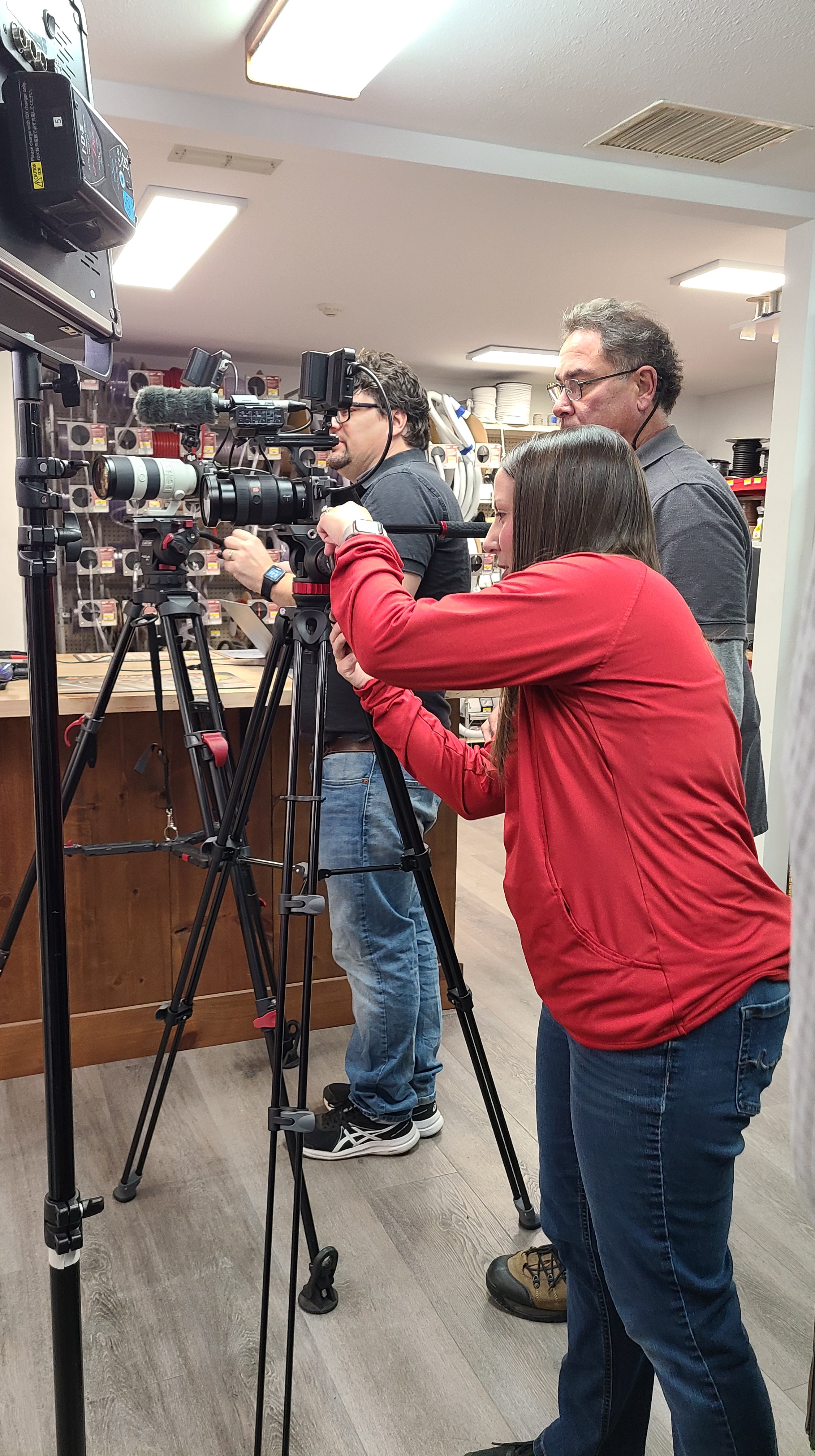
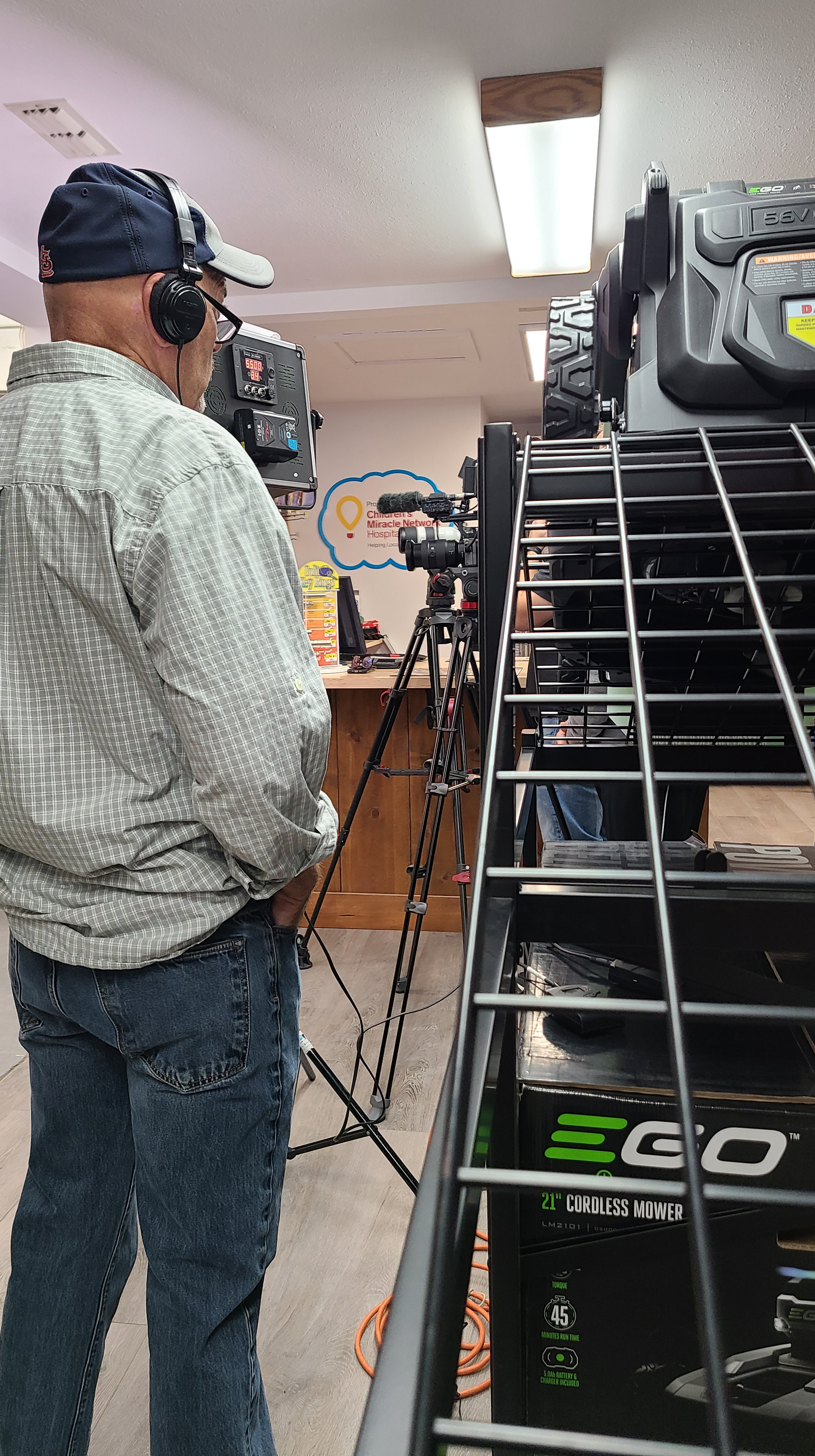
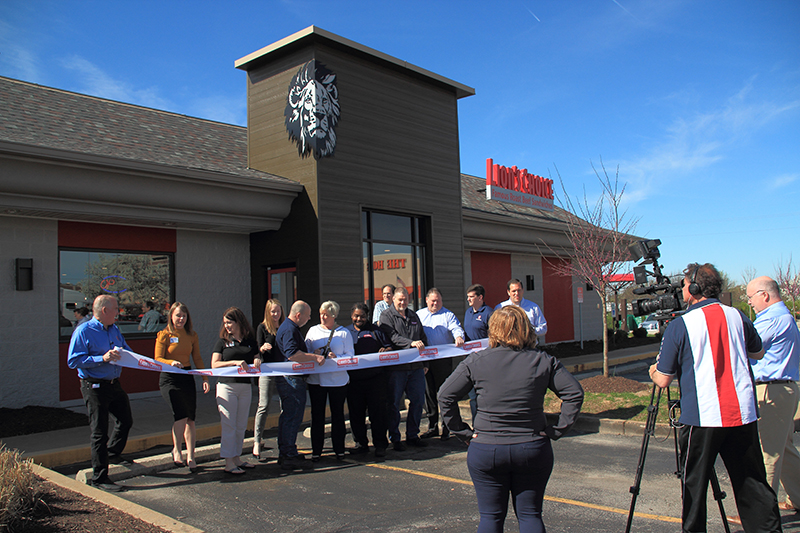
Video ground crew taping interviews and b-roll at ACE Hardware.

Types of Aerial Footage

When incorporating aerial footage into your video, there are several different types of shots you can use. For example, you can use wide-angle shots to capture the entire scene and give viewers a sense of the landscape. You can also use medium shots to focus on a specific area, or you can use close-up shots to create intense and dramatic visuals.

In addition, you can also use low-altitude shots to create a sense of intimacy and urgency, or you can use high-altitude shots to give viewers a sense of perspective and scale. You can also use tracking shots to follow a subject and create a sense of movement, or you can use static shots to emphasize a moment or draw out a scene.

Tips for Combining Aerial and Ground Footage

When combining aerial and ground footage, it’s important to think strategically about how the two formats can be used together to create a captivating video. Here are some tips for combining aerial and ground footage:

  1. Use a variety of different shots. By using a variety of shots from different angles and perspectives, you can create a more dynamic and engaging video.
  2. Think about the story. When combining aerial and ground footage, think about how each shot fits into the story you’re trying to tell.
  3. Balance the two formats. Make sure to use a balanced mix of aerial and ground footage, so that neither format overpowers the other.
  4. Use transitions. When transitioning from one shot to another, use creative transitions to keep viewers engaged.
  5. Consider the lighting. Pay attention to the lighting in both aerial and ground shots, and make sure the two formats are well-balanced.

Best Practices for Editing Ground and Aerial Footage

When editing aerial and ground footage, it’s important to consider the different formats and how they interact with each other. Here are some best practices for editing aerial and ground footage:

  1. Use color-correction. When editing aerial and ground footage, use color-correction to ensure that the two formats match in terms of color and tone.
  2. Match the tempo. When combining aerial and ground footage, make sure that the tempo of each format is matched. This will create a more cohesive and unified video.
  3. Add music. Music can help to tie the two formats together and create a more captivating video.
  4. Use effects. Effects such as slow motion and time-lapses can help to create a more dynamic and engaging video.
  5. Consider sound design. Sound design can help to create a more immersive experience for viewers, and can be used to transition between shots.

Creative Ways of Incorporating Ground and Aerial Footage

When incorporating aerial and ground footage into your video, it’s important to be creative and think outside the box. Here are some creative ways of incorporating aerial and ground footage:

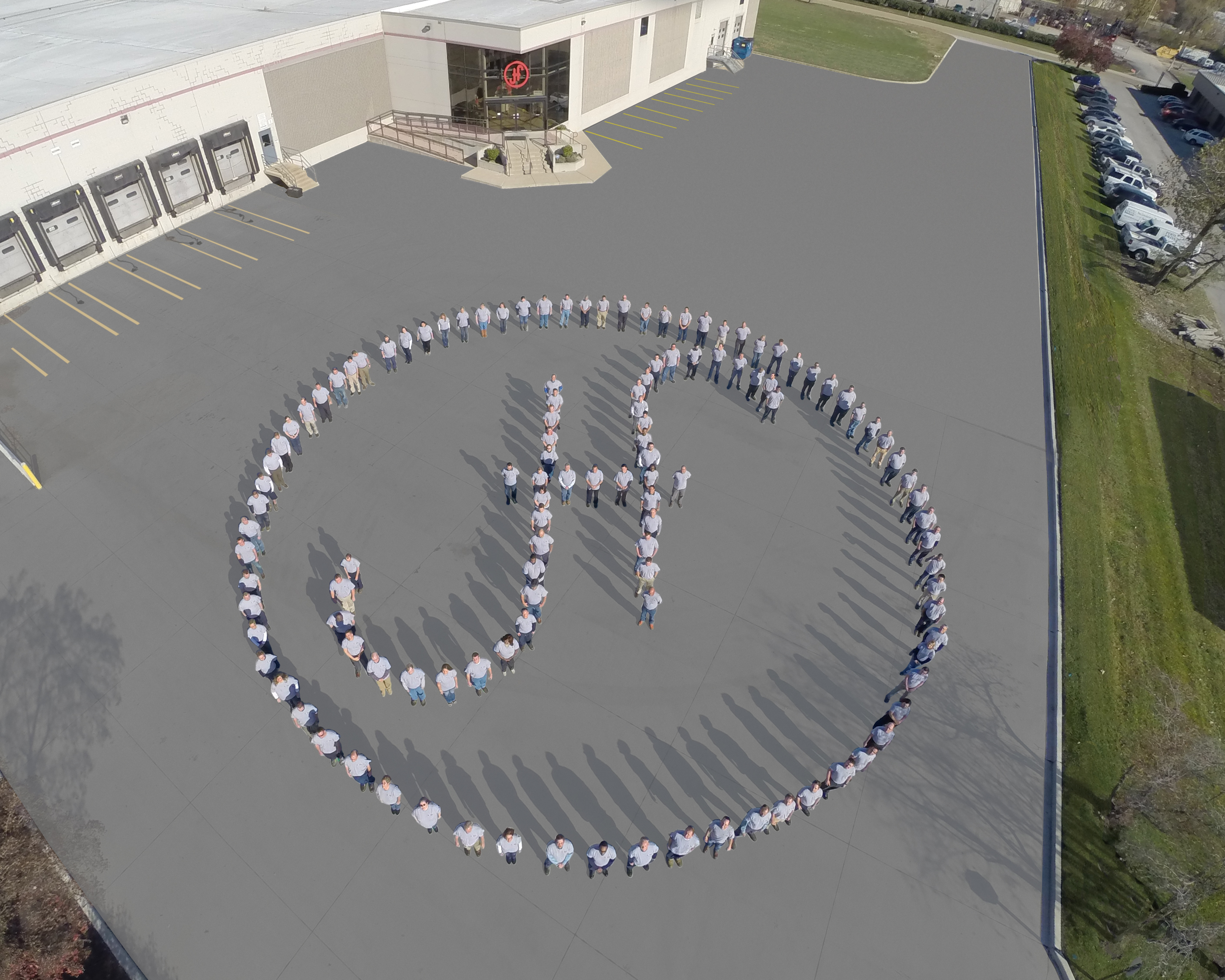
  1. Use the aerial footage to give viewers a sense of scale. For example, you can use aerial footage to show how small a person is compared to the environment around them.
  2. Use the aerial footage to emphasize a moment. For example, you can use aerial footage of a crowd to emphasize the emotion of the moment.
  3. Use the aerial footage to create an introduction. For example, you can use aerial footage to introduce a scene and set the tone for the video.
  4. Use the aerial footage to create a transition. For example, you can use aerial footage to transition from one scene to another.
  5. Use the aerial footage to show the passage of time. For example, you can use aerial footage to show the progression of a day or the passing of a season.
Birdseye view aerial of city intersection b-roll footage for interviews.

Tips for Shooting Great Aerial and Ground Footage

When shooting aerial and ground footage, there are several tips to keep in mind. Here are a few tips for shooting great aerial and ground footage:

  1. Use a high-quality camera. By using a high-quality camera, you can ensure that your footage is sharp and vibrant.
  2. Use a stabilizer. When shooting aerial footage, make sure to use a stabilizer to keep your shots steady and smooth.
  3. Use a gimbal. When shooting ground footage, make sure to use a gimbal to keep your shots stable and level.
  4. Use a drone. When shooting aerial footage, make sure to use a drone to get the best angles and perspectives.
  5. Use a tripod. When shooting ground footage, make sure to use a tripod to keep your shots steady and consistent.

Common Mistakes to Avoid When Combining Aerial and Ground Footage

When combining aerial and ground footage, there are several mistakes to avoid. Here are some common mistakes to avoid when combining aerial and ground footage:

  1. Not using a variety of shots. Make sure to use a variety of shots from different perspectives and angles to create a dynamic and engaging video.
  2. Not considering the story. Make sure to consider how each shot fits into the story you’re trying to tell, and how the aerial and ground footage can be used together to create a narrative arc.
  3. Not balancing the two formats. Make sure to use a balanced mix of aerial and ground footage, so that neither format overpowers the other.
  4. Not using transitions. When transitioning from one shot to another, make sure to use creative transitions to keep viewers engaged.
  5. Not considering the lighting. Pay attention to the lighting in both aerial and ground shots, and make sure the two formats are well-balanced.

Conclusion

Aerial and ground footage can be used together to create a powerful and captivating video. By using the different perspectives of aerial and ground footage, you can create a narrative arc that will keep viewers engaged and help them understand the story. In addition, by using a variety of shots from different angles and perspectives, you can create a more dynamic and engaging video. Finally, by using creative transitions and considering the lighting, you can create a visually stunning video that stands out from the crowd. By following these tips and avoiding common mistakes, you’ll be able to incorporate ground video footage with aerial shots for maximum impact.

stlouisdrones@gmail.com
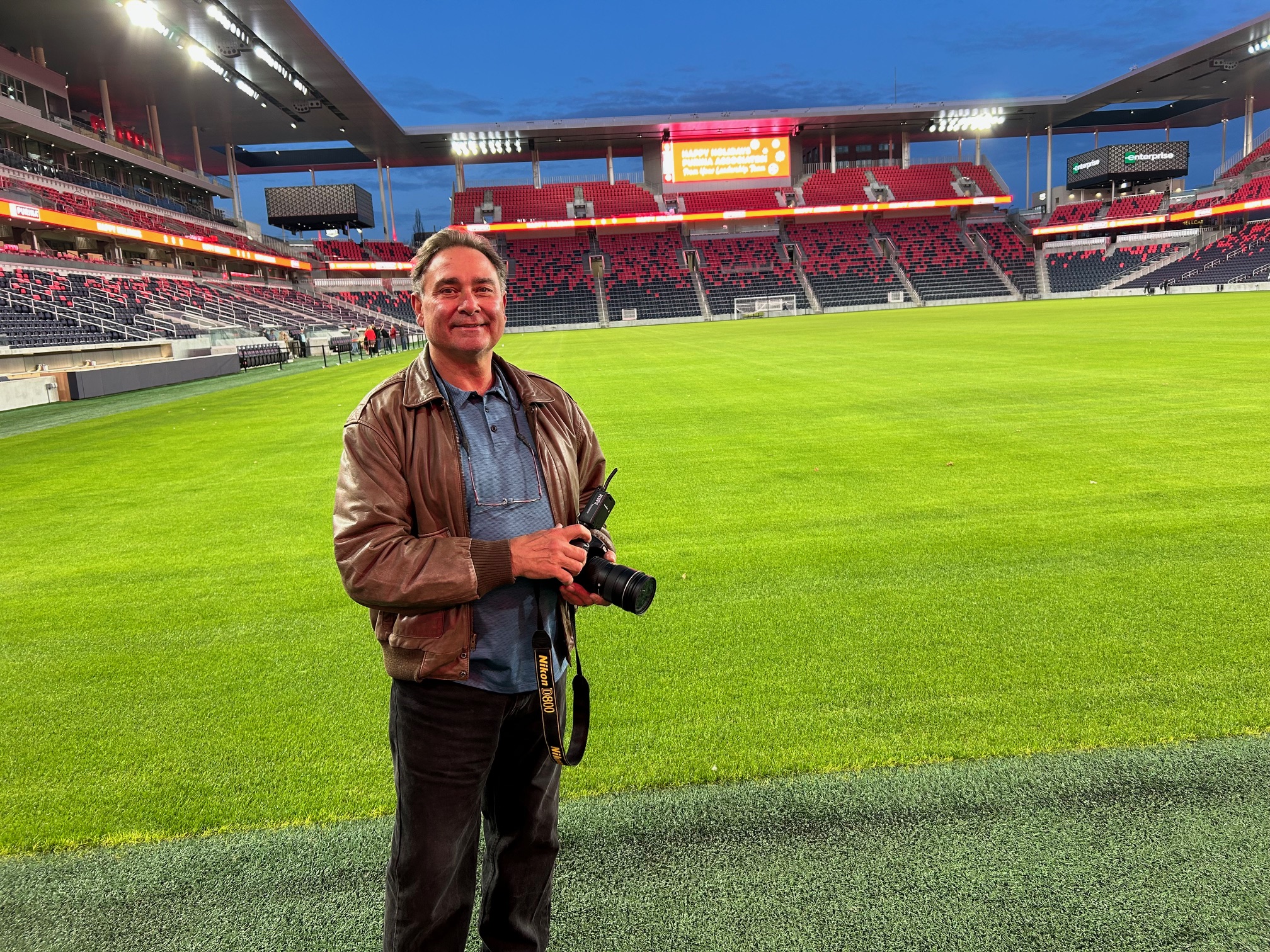
Robert Haller, Drone Specialist
314-604-6544