Tag Archives: Aerial videography St. Louis

Cut Repair Costs Before They Explode: Early Infrared Drone Detection That Finds Problems While They’re Still Cheap

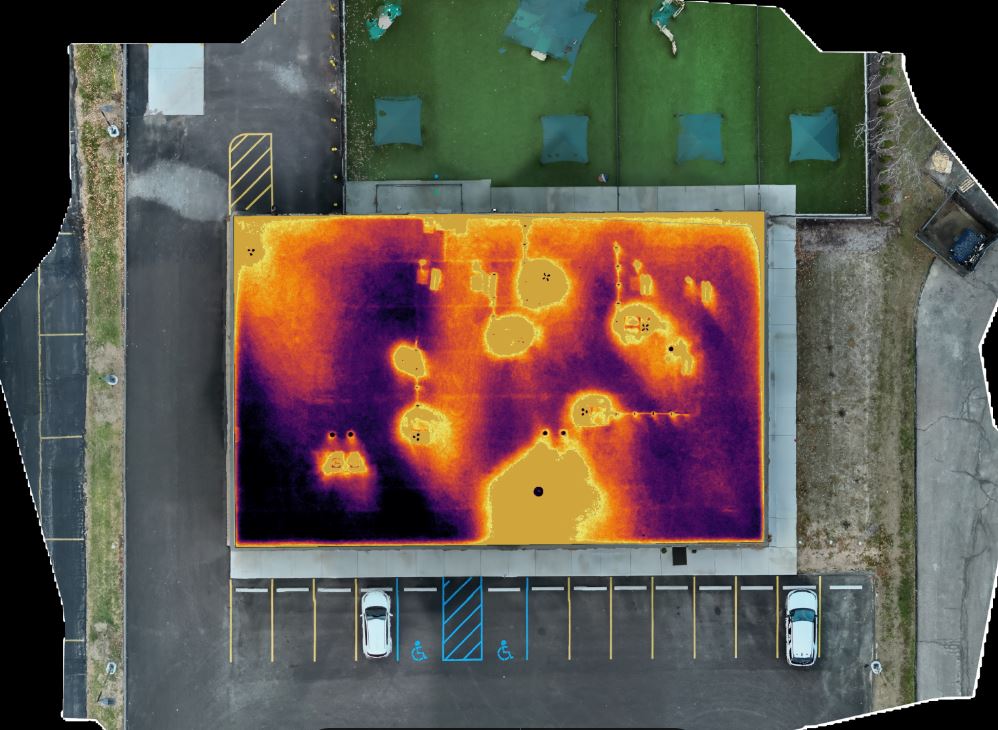
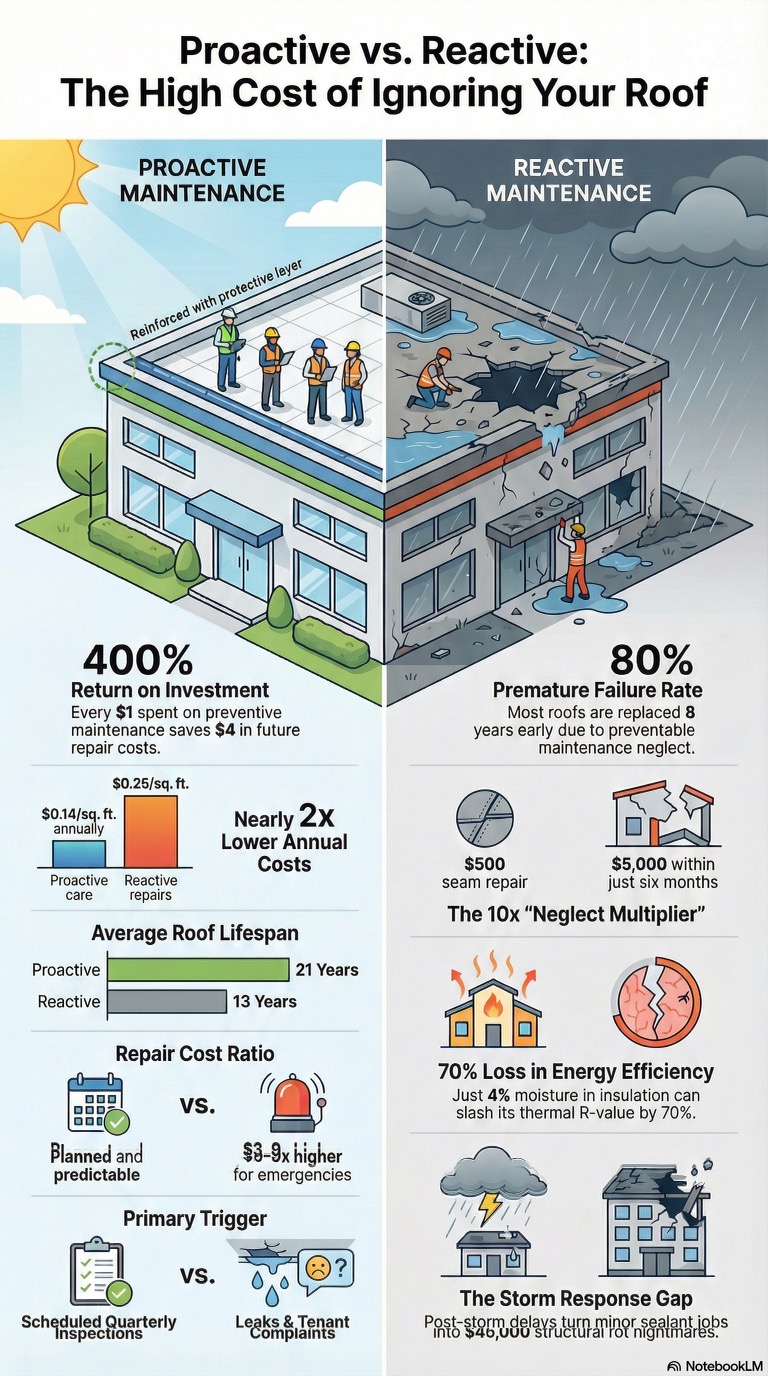
Every facilities leader and marketing decision maker has seen it: a “small” roof leak becomes mold remediation, a minor electrical hot spot becomes downtime, or a hidden moisture pocket turns into a full replacement. The common thread is timing. When you detect heat loss, moisture intrusion, or electrical anomalies early—before they show up as visible damage—you dramatically reduce repair scope, disruption, and cost.

That’s where infrared (thermal) drone inspections shine. They let you scan large, complex assets quickly, safely, and repeatably, producing visual evidence you can act on (and share internally) while problems are still in the “maintenance” category—not the “emergency” category.

What infrared drone detection actually reveals (and what it doesn’t)

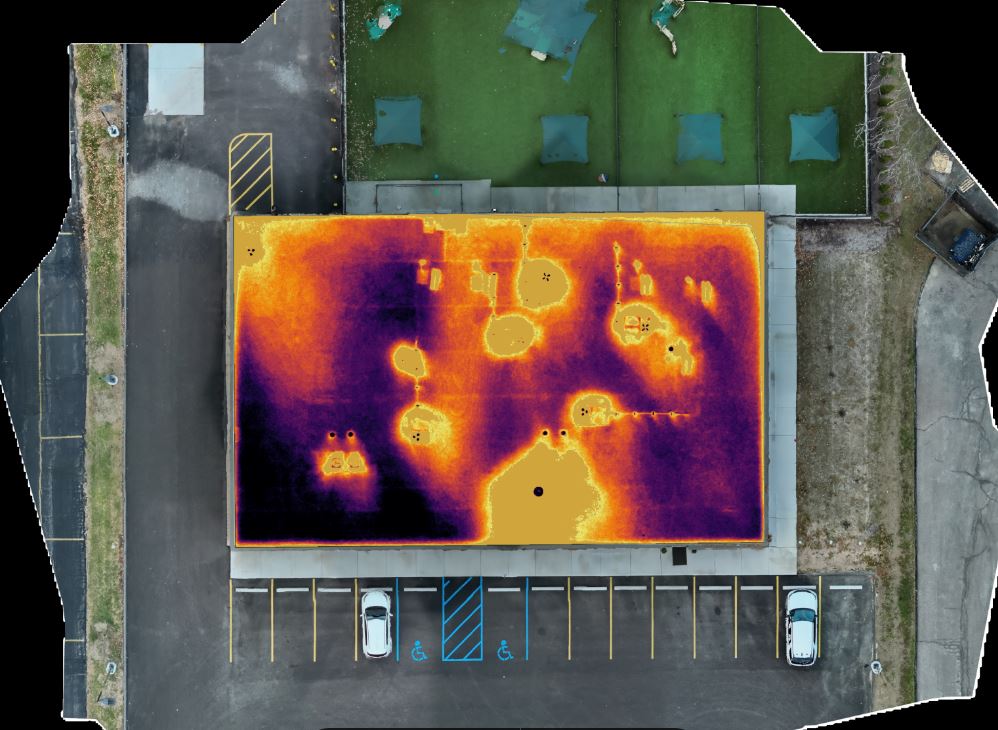
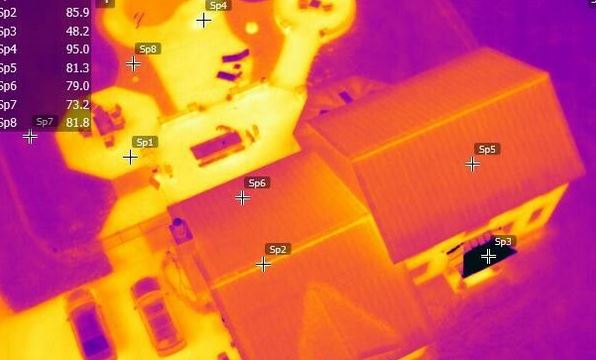
Thermal imaging doesn’t “see water” or “see electricity.” It measures surface temperature differences and maps them to color values. Those differences can indicate underlying conditions such as:

  • Moisture intrusion (wet insulation or saturated roof materials retain heat and cool differently than dry areas)
  • Heat loss (missing insulation, air leakage, thermal bridging)
  • Electrical resistance (loose connections and overloaded components often present as localized hot spots)
  • Mechanical stress (bearings, motors, and equipment under abnormal load can show elevated temperatures)

Thermal is powerful, but it’s not magic. The best outcomes come from pairing thermal capture with proper conditions, correct calibration, and an experienced interpretation workflow—then validating with targeted ground truth where needed.

Why drones make infrared more cost-effective than traditional methods

Infrared cameras have been used for years, but drones change the economics and practicality:

1) Scale without scaffolding

Large roofs, façades, and multi-building campuses can be surveyed without lifts, ladders, or risky rooftop foot traffic.

2) Faster detection = faster decisions

You can move from “We think something’s wrong” to “Here’s the exact location and severity” in a single inspection cycle.

3) Repeatable documentation

Because drone flights are structured and georeferenced, you can build a baseline and track change over time—perfect for budgeting, warranty discussions, and vendor accountability.

4) Safer for teams and sites

Reduced exposure to heights, fragile roofs, and hazardous areas means fewer safety risks and fewer operational disruptions.

High-ROI applications for early infrared detection

Roofs and building envelopes

Infrared drone scans are especially effective for:

  • Flat and low-slope commercial roofs
  • Roof sections with a history of leakage
  • Recently repaired areas (quality verification)
  • Large facilities where manual inspection is slow and inconsistent

What you get: a prioritized map of suspected moisture zones or insulation anomalies so you can repair surgically, not wholesale.

Electrical systems and solar arrays

With the right safety constraints and coordination, thermal inspections can flag:

  • Hot connectors or imbalanced loads
  • Inverter-related heating patterns
  • Solar module hot spots indicating underperformance or failure

What you get: early warnings that can reduce downtime risk and improve maintenance planning.

HVAC and mechanical equipment

Thermal can highlight:

  • Abnormal motor temperatures
  • Heat exchange inefficiencies
  • Duct leakage patterns at the building envelope level

What you get: evidence to justify preventive maintenance—before energy bills and comfort complaints pile up.

The conditions that make (or break) a thermal drone inspection

Thermal results are only as good as the environment and method. A professional workflow accounts for:

  • Temperature differential (ΔT): You need enough contrast between inside/outside or between wet/dry materials to make anomalies readable.
  • Timing: Many roof moisture scans perform best after solar loading and during cooling cycles (conditions vary by material and season).
  • Wind and weather: Wind can mask heat signatures; rain can distort moisture interpretation; reflective surfaces can create false readings.
  • Emissivity and reflectivity: Shiny metals, glass, and some roof membranes can reflect heat sources and mislead interpretation unless handled correctly.

A credible provider will talk about these constraints up front—because correct planning is what turns thermal from “cool imagery” into defensible insight.

What decision makers should demand as deliverables

If your goal is to reduce repair costs and justify maintenance budgets, insist on deliverables that drive action:

  • Annotated thermal + visible images (side-by-side or picture-in-picture) so non-technical stakeholders can understand the finding
  • Location context (roof plan references, elevation context, or map overlays)
  • Severity prioritization (what to fix now vs monitor)
  • Clear recommendations for verification steps (core sample locations, moisture meter checks, electrician follow-up, etc.)
  • Versioned reporting so you can compare baseline vs post-repair scans

This turns the inspection into a decision tool, not just a media asset.

Where AI helps—and where it must be controlled

Modern production workflows increasingly use AI to:

  • Speed sorting and clustering of anomalies
  • Improve reporting consistency
  • Track change across repeated inspections
  • Enhance deliverable packaging for stakeholders (summaries, captions, structured callouts)

But AI should support expert review—not replace it. The right approach is human-led interpretation with AI-assisted workflow acceleration, plus transparent notes on assumptions and limitations.

A practical ROI frame you can use internally

Infrared drone detection tends to pay off when it prevents one of these:

  • A roof leak that becomes interior damage and business interruption
  • An electrical issue that escalates into equipment failure or downtime
  • A small insulation/air leak problem that inflates energy costs over seasons
  • A maintenance project that becomes larger because the problem area wasn’t precisely identified

A useful way to explain ROI is: “We’re buying certainty early.” Certainty reduces waste—wasted labor, wasted materials, wasted time, and wasted disruption.

A simple readiness checklist before you schedule

  • Do you have an asset map / roof plan or site drawings?
  • Are there known problem zones or prior repairs to verify?
  • What outcome matters most: moisture detection, heat loss, electrical risk, or documentation?
  • Who will receive the report—and what format helps them act fast?

If you can answer those four, your inspection can be scoped for maximum value.


Why St Louis Drones is built for this kind of work

St Louis Drones is a full-service professional commercial photography and video production company with the right equipment and creative crew service experience for successful image acquisition. We offer full-service studio and location video and photography, plus editing, post-production, and licensed drone pilots. St Louis Drones can customize your productions for diverse media requirements, and repurposing your photography and video branding to gain more traction is a specialty. We’re well-versed in all file types, media styles, and the accompanying software, and we use the latest Artificial Intelligence across our media services. Our private studio lighting and visual setup is perfect for small productions and interview scenes, and our studio is large enough to incorporate props to round out your set. We support every aspect of production—from building a private, custom interview studio to supplying professional sound and camera operators and the right equipment—ensuring your next video production is seamless and successful. We can also fly specialized drones indoors. And as a full-service video and photography production corporation serving the St. Louis area since 1982, we’ve worked with many businesses, marketing firms, and creative agencies on marketing photography and video that performs.

Rob Haller 314-604-6544 stlouisdrones@gmail.com
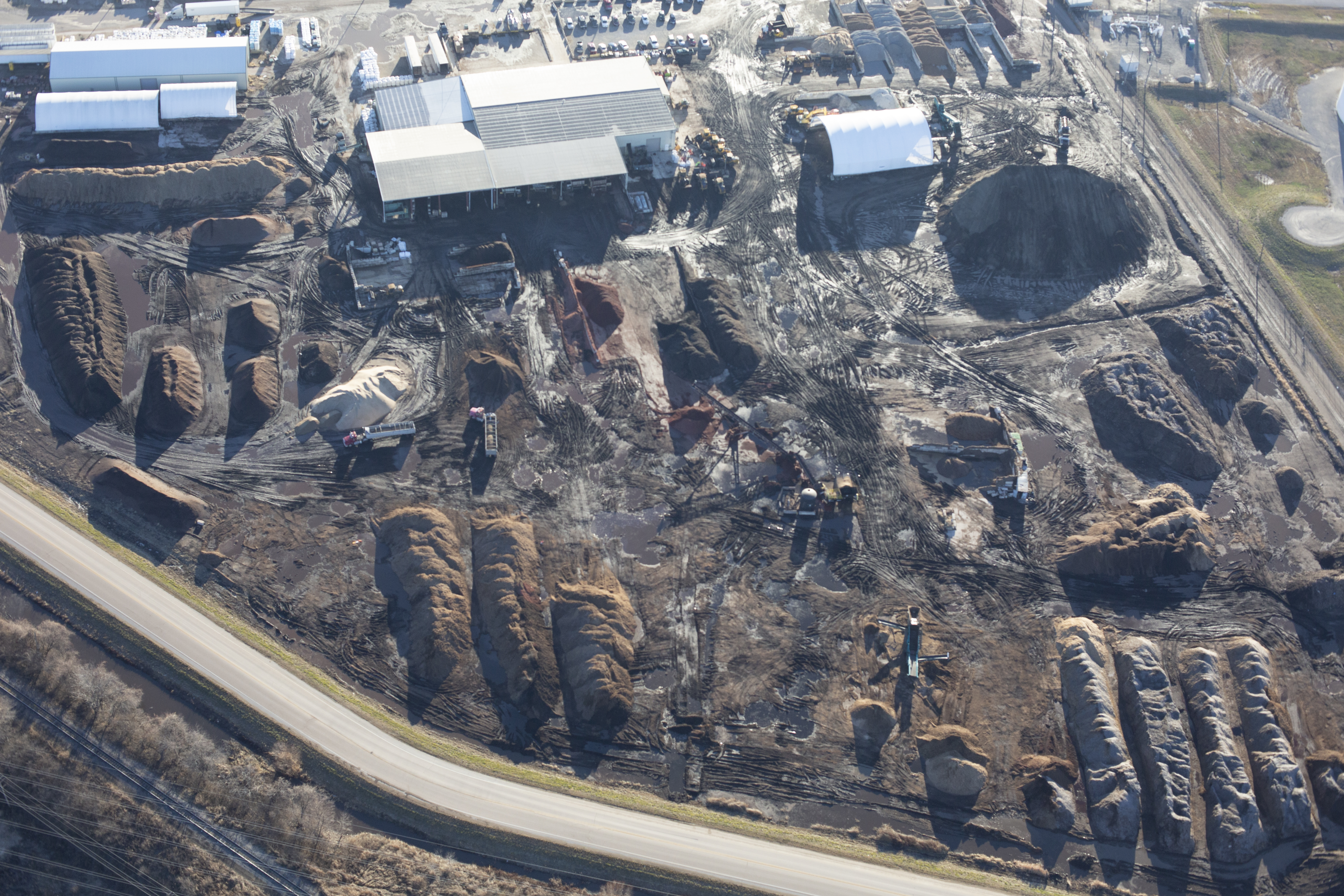
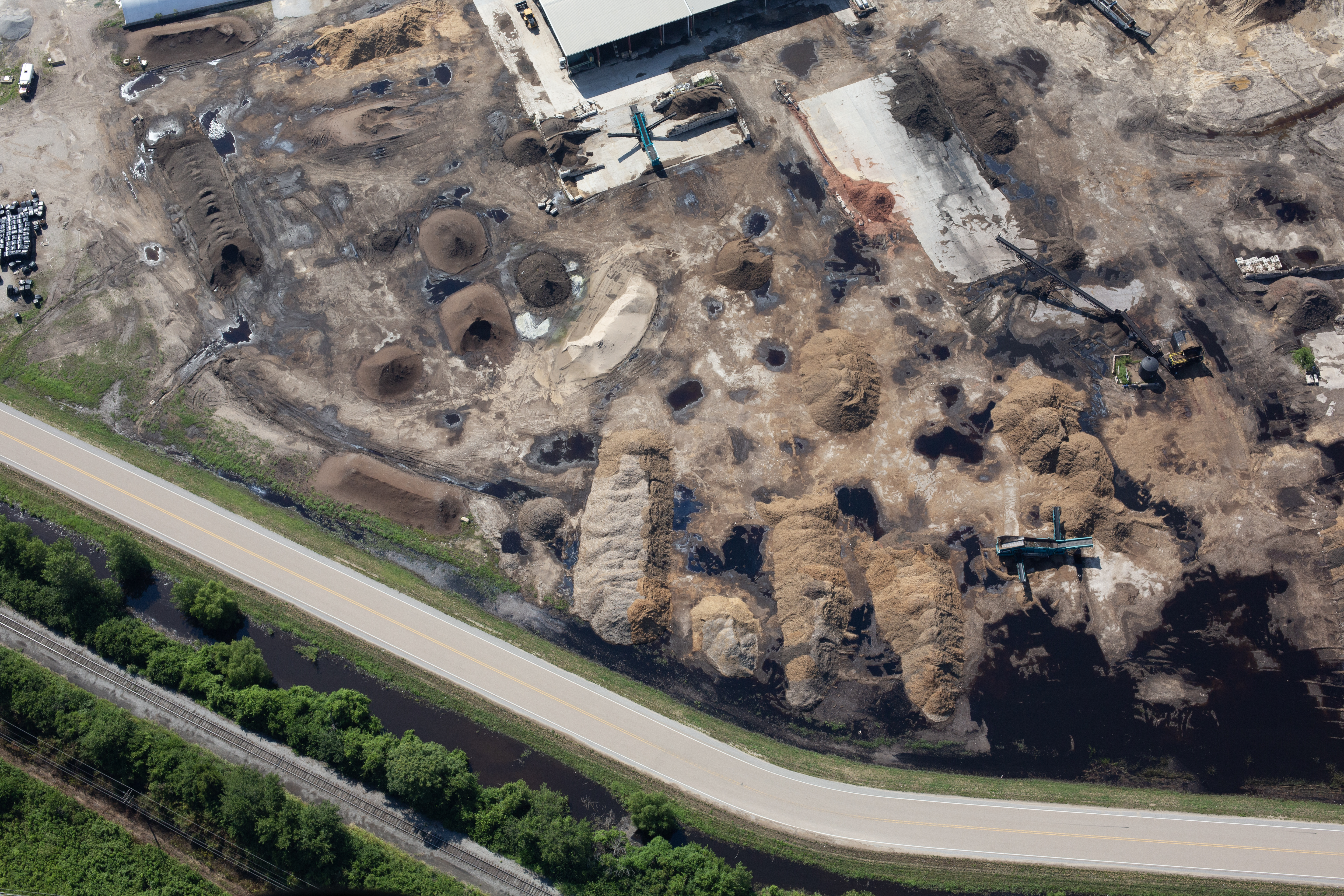
Drone Photogrammetry & Volumetrics: Fast, Repeatable, Auditable Data for Real-World Decisions

When you’re moving material, pouring capital into sitework, or reconciling quarterly inventory, speed without defensibility is a liability. Drone photogrammetry and volumetrics give operations, marketing, and finance teams the same truth set: a georeferenced, measurable 3D record you can validate, repeat, and audit.

What it is—in business terms

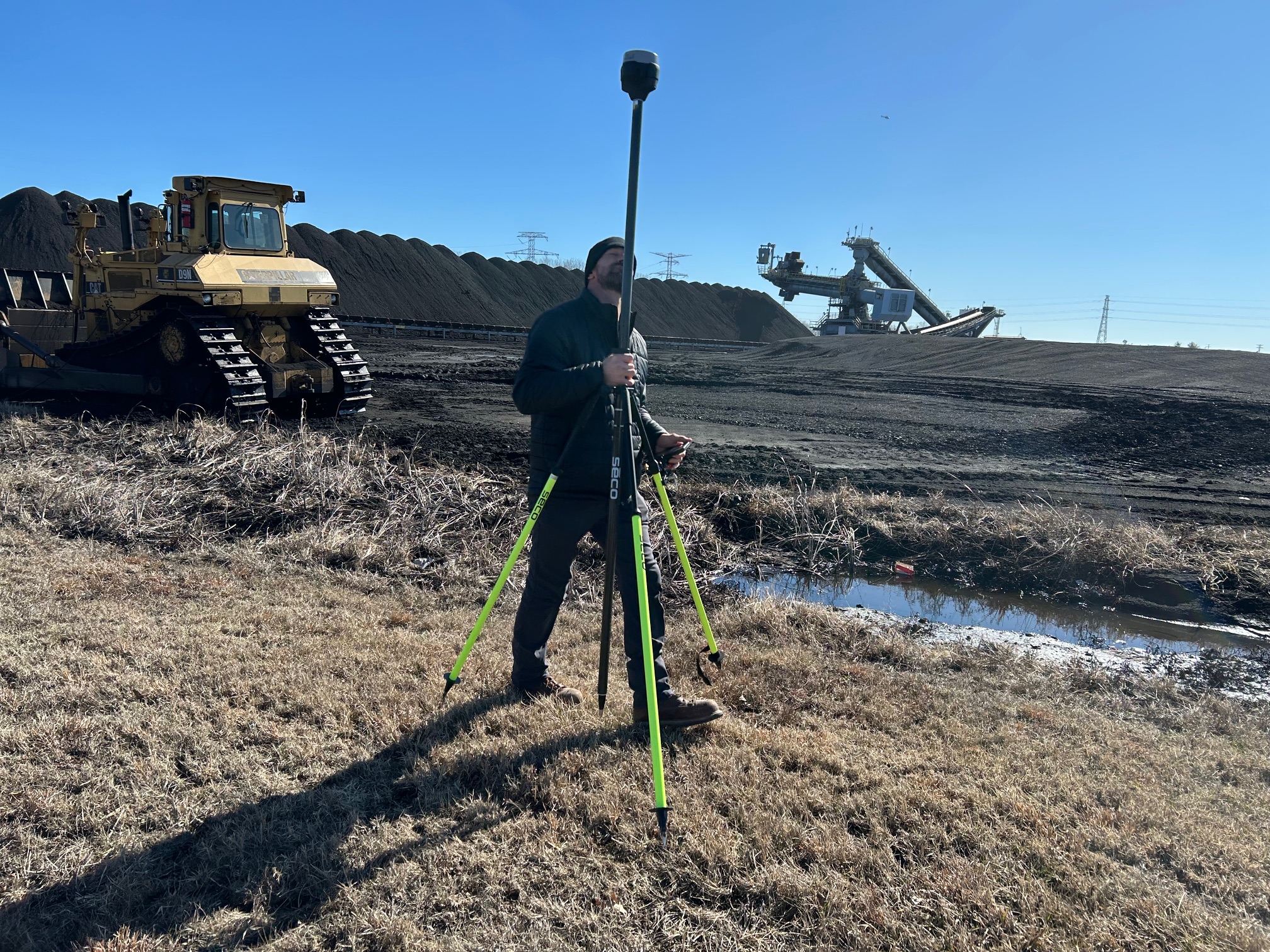
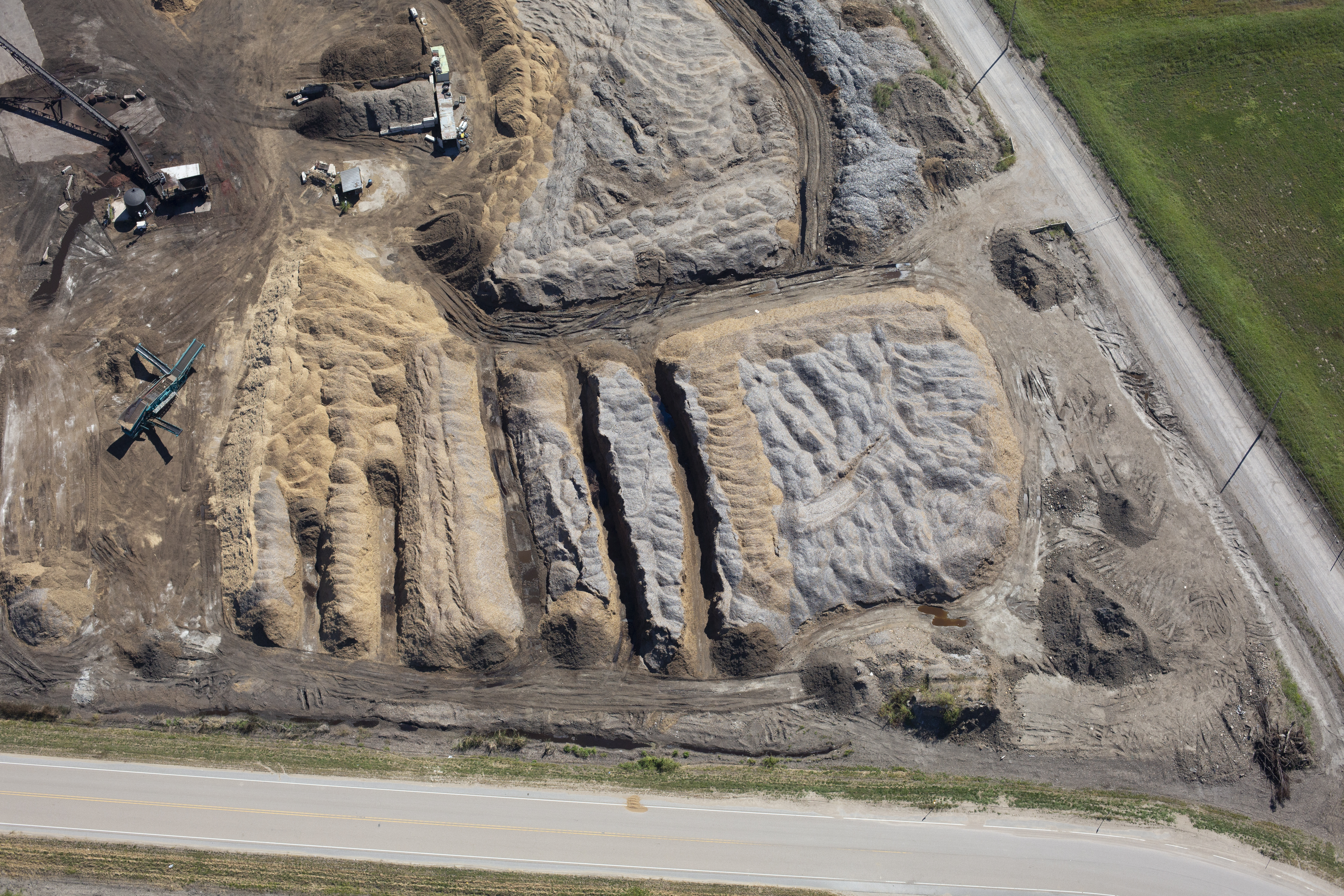
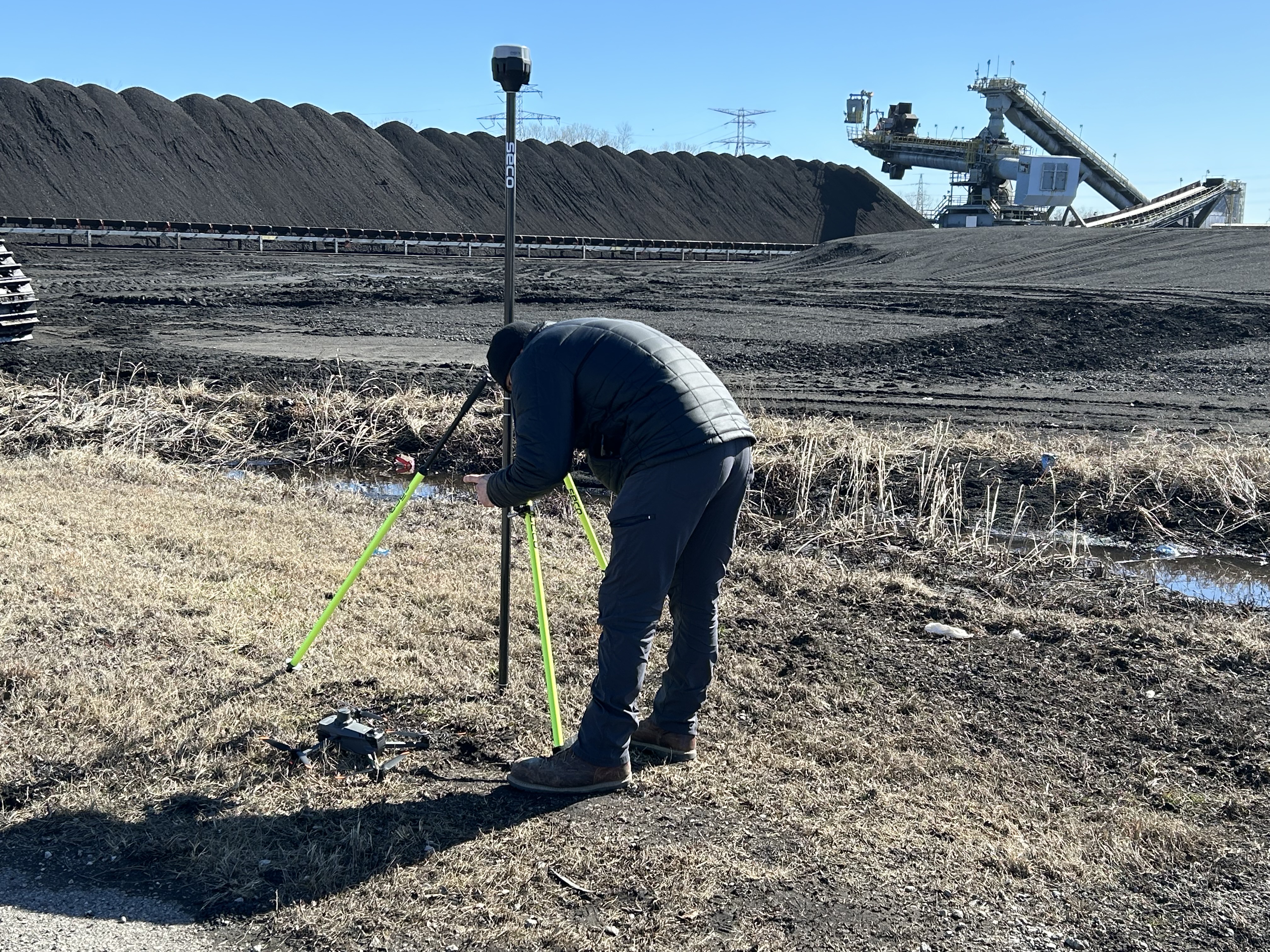
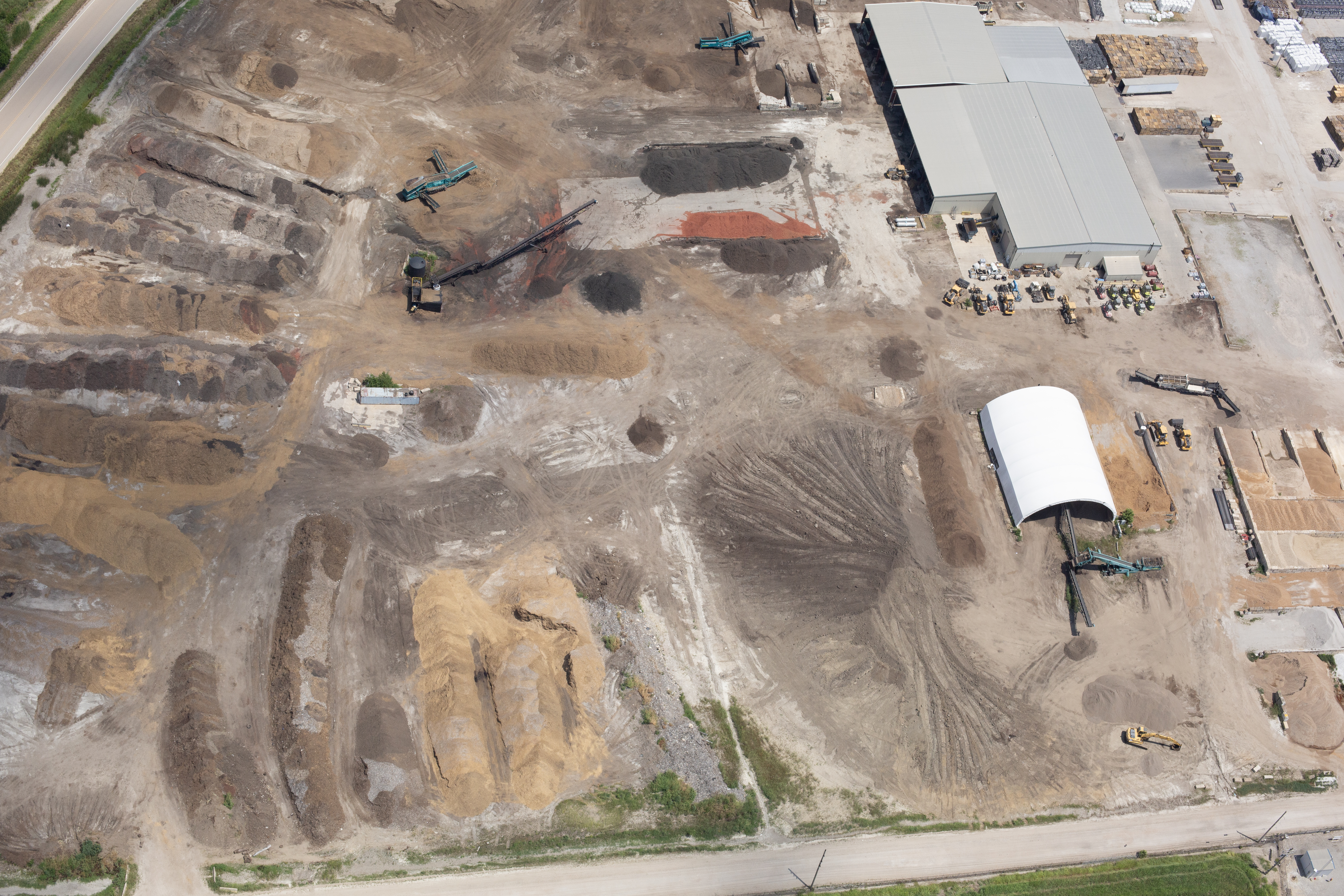
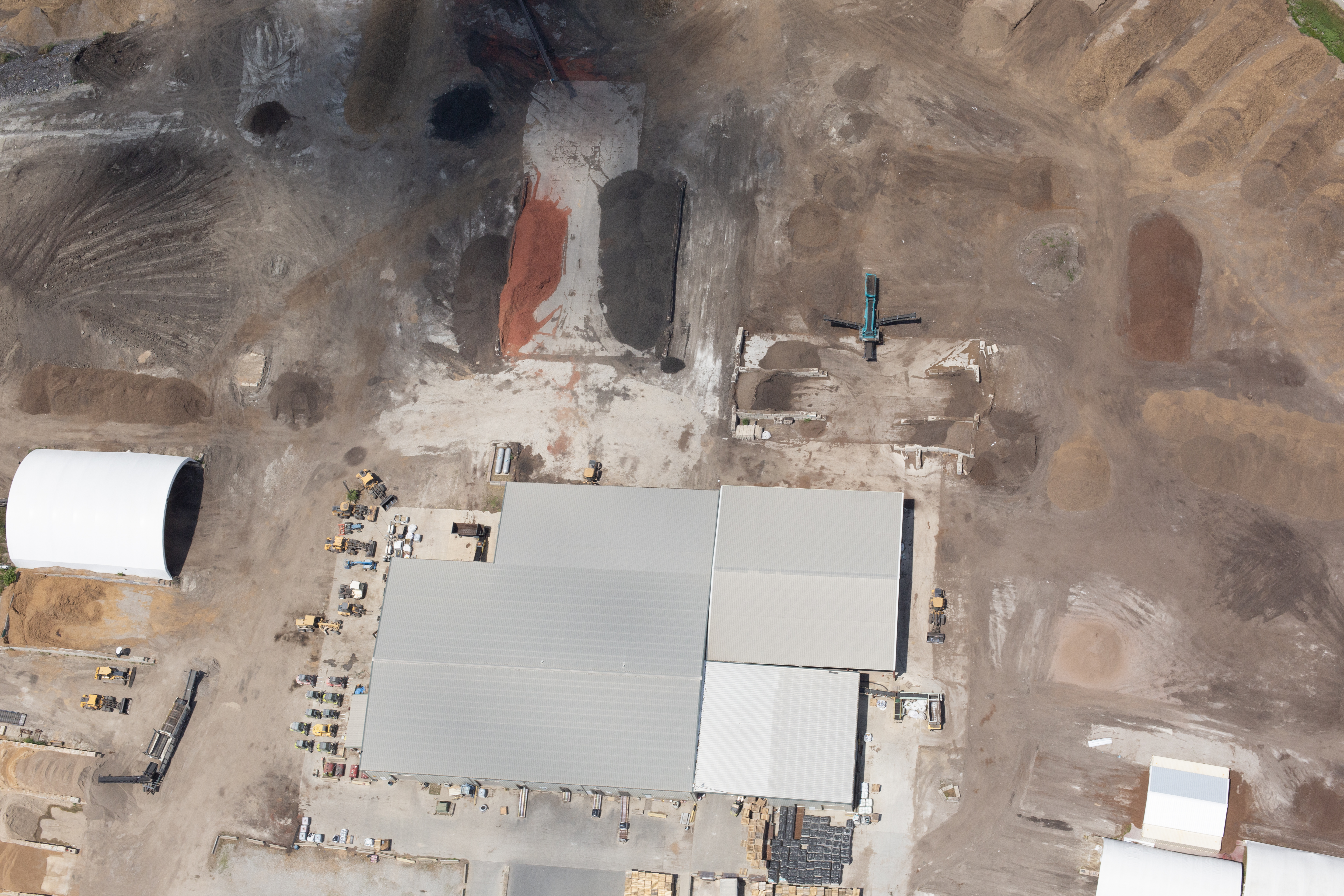
  • Drone photogrammetry: We fly structured image missions (nadir + oblique), then reconstruct those overlapping photos into a scaled 3D surface (point cloud, mesh, DSM/DTM) tied to a survey coordinate system.
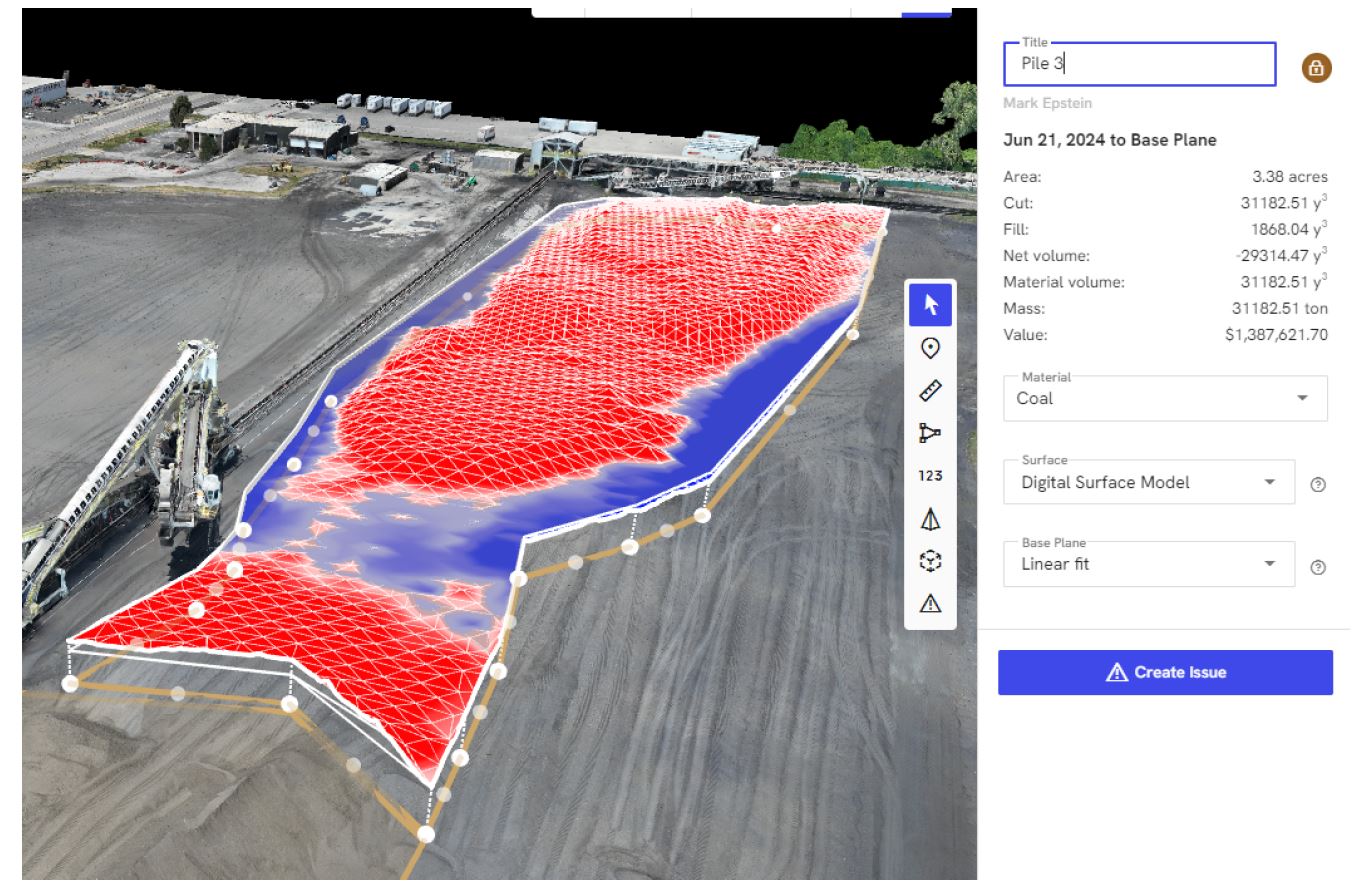
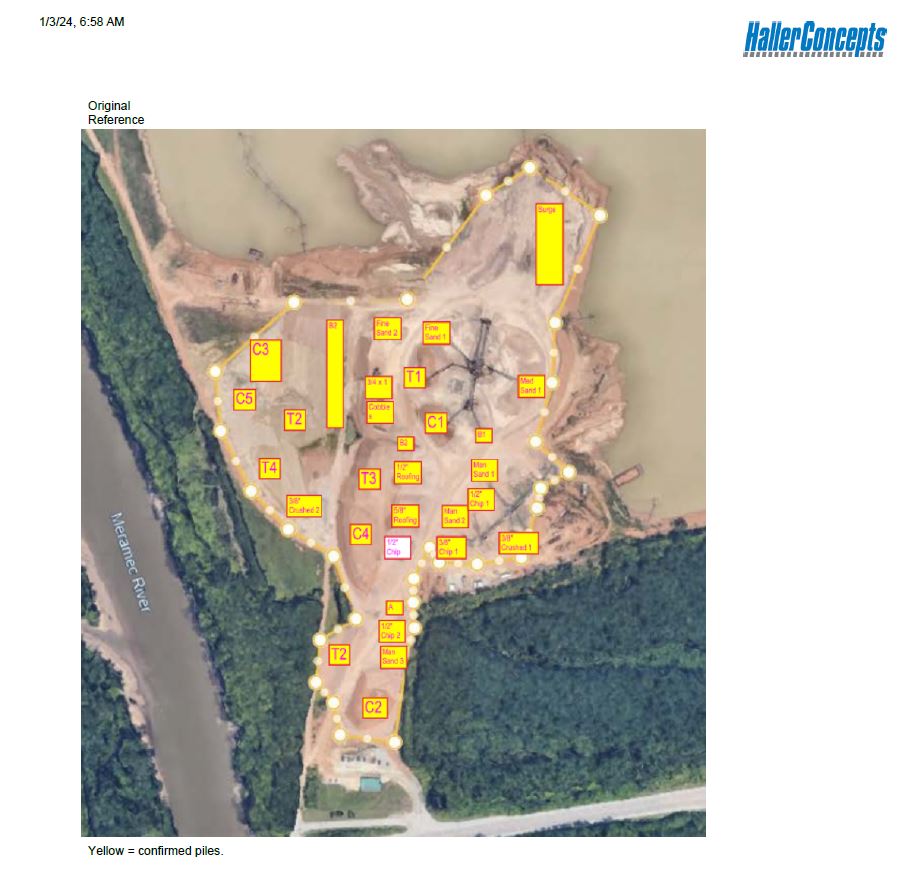
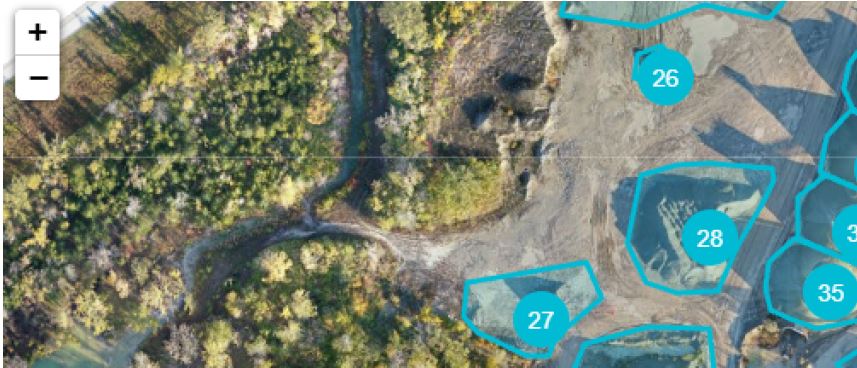
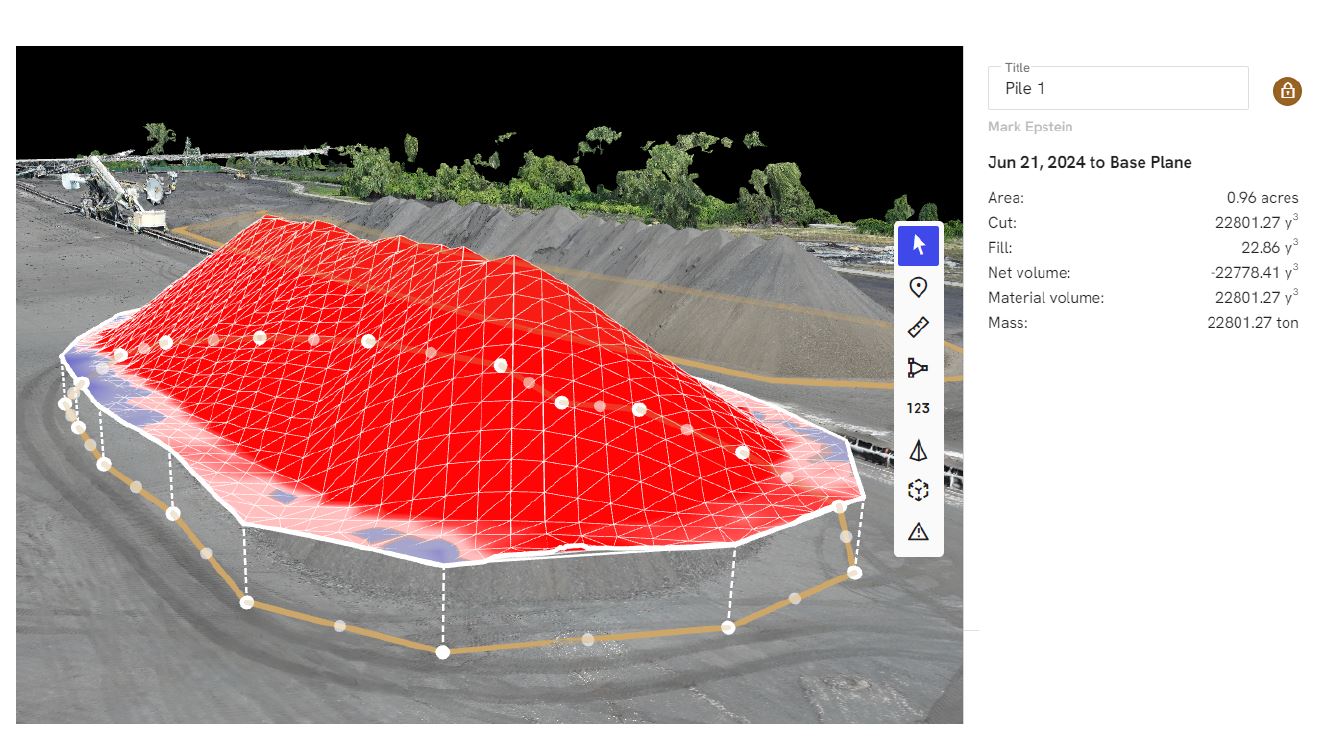
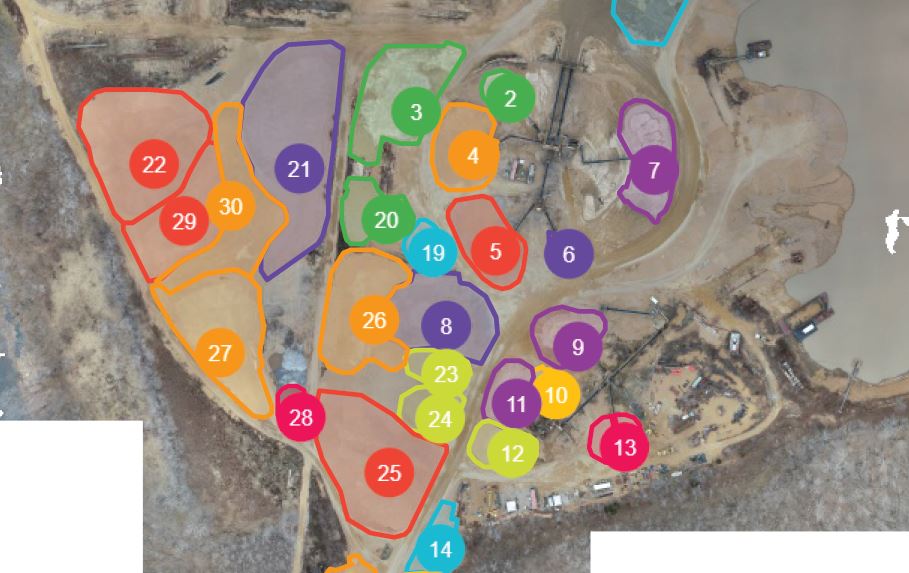
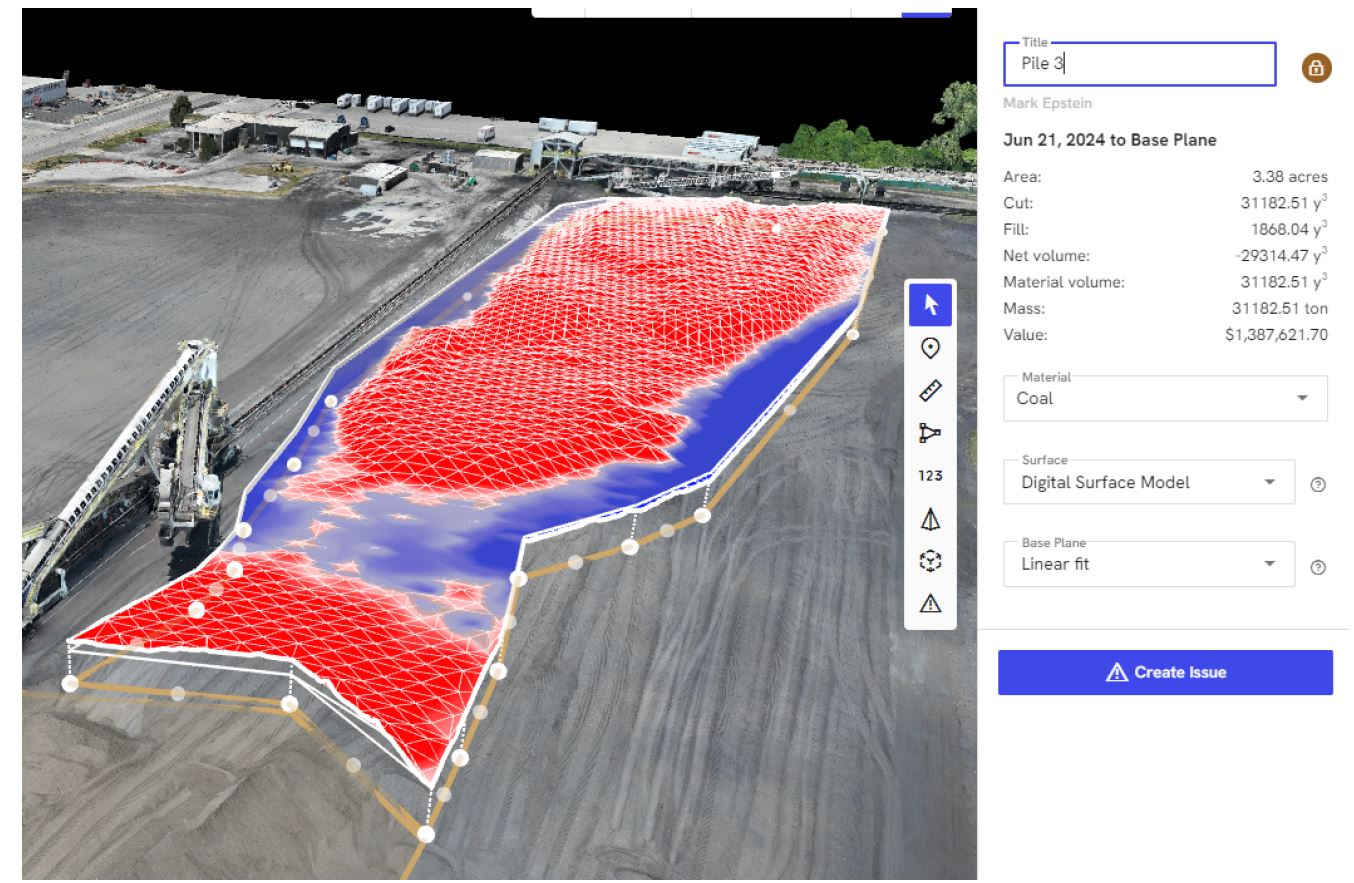
  • Volumetrics: Using that surface, we measure stockpiles and cut/fill against a defined base or prior survey—reporting quantities, deltas over time, and confidence metrics (RMSE, checkpoint errors).

Bottom line: you get quantities you can sign off on, timelines you can compare apples-to-apples, and visuals your stakeholders understand.

Why leaders adopt it now

  1. Speed: A 30–60 minute flight can cover an entire site. Processing pipelines return draft surfaces the same day; validated numbers follow quickly.
  2. Repeatability: Identical flight templates and control workflows produce consistent, comparable datasets month after month.
  3. Auditability: Control points, checkpoints, geoid/vertical model, and method selection are documented—so numbers survive procurement, compliance, and external reviews.
  4. Cross-functional value: Operations uses volumes and haul plans; Finance uses reconciliations; Safety uses 3D context; Marketing/Comms uses orthos, renders, and time-lapse for stakeholder updates.

Where it fits

  • Quarries & bulk material yards: Inventory, cycle counts, vendor reconciliation.
  • Construction & civil: Earthwork progress, as-built verification, subcontractor pay apps.
  • Manufacturing & logistics: Aggregate bays, salt/sand piles, mulch, scrap, recyclables.
  • Utilities & industrial: Berm health, containment volumes, spoil piles, laydown yards.

What “good” looks like (the measurement standard)

  • Capture: 80/80 overlap for piles, nadir + low obliques to see toes and steep faces; consistent lighting; fast shutter to avoid blur.
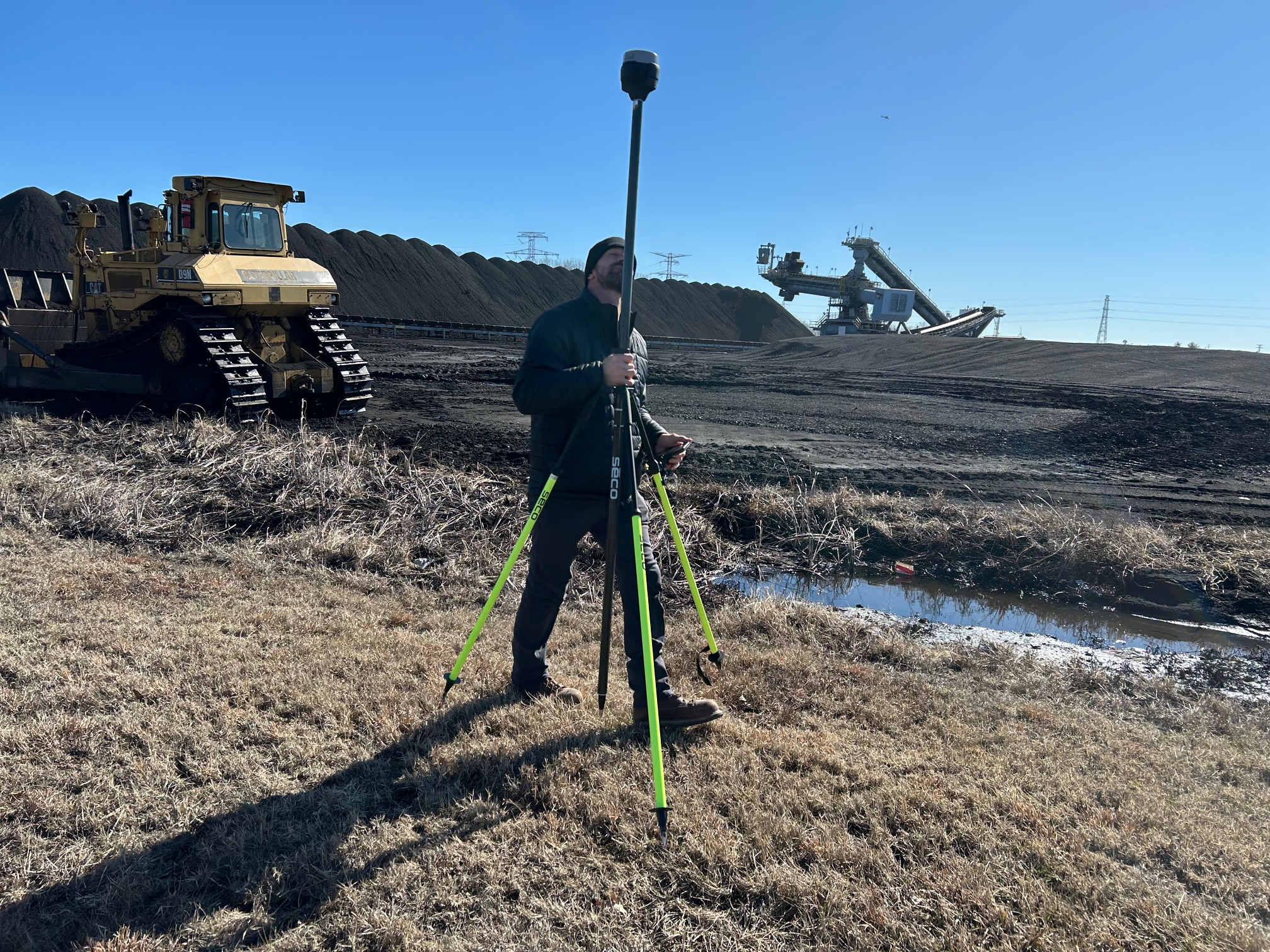
  • Control: RTK/PPK on the aircraft plus 3–6 well-surveyed GCPs and independent checkpoints (corners + center).
  • Vertical truth: Correct geoid/vertical datum (e.g., NAVD88 with appropriate GEOID), method logged in the report.
  • Method transparency: For each pile: polygon, base definition (TIN, best-fit plane, or reference surface), and any masking or smoothing.
  • QA: GCP and checkpoint RMSE, reprojection error, image counts used, GSD, and coordinate system.

The deliverables decision-makers actually use

  • Per-pile CSV: Name, material, base type, volume (yd³/m³), surface area, date/time, operator, RMSE.
  • Cut/Fill summary: Positive/negative volumes and net, with colorized maps.
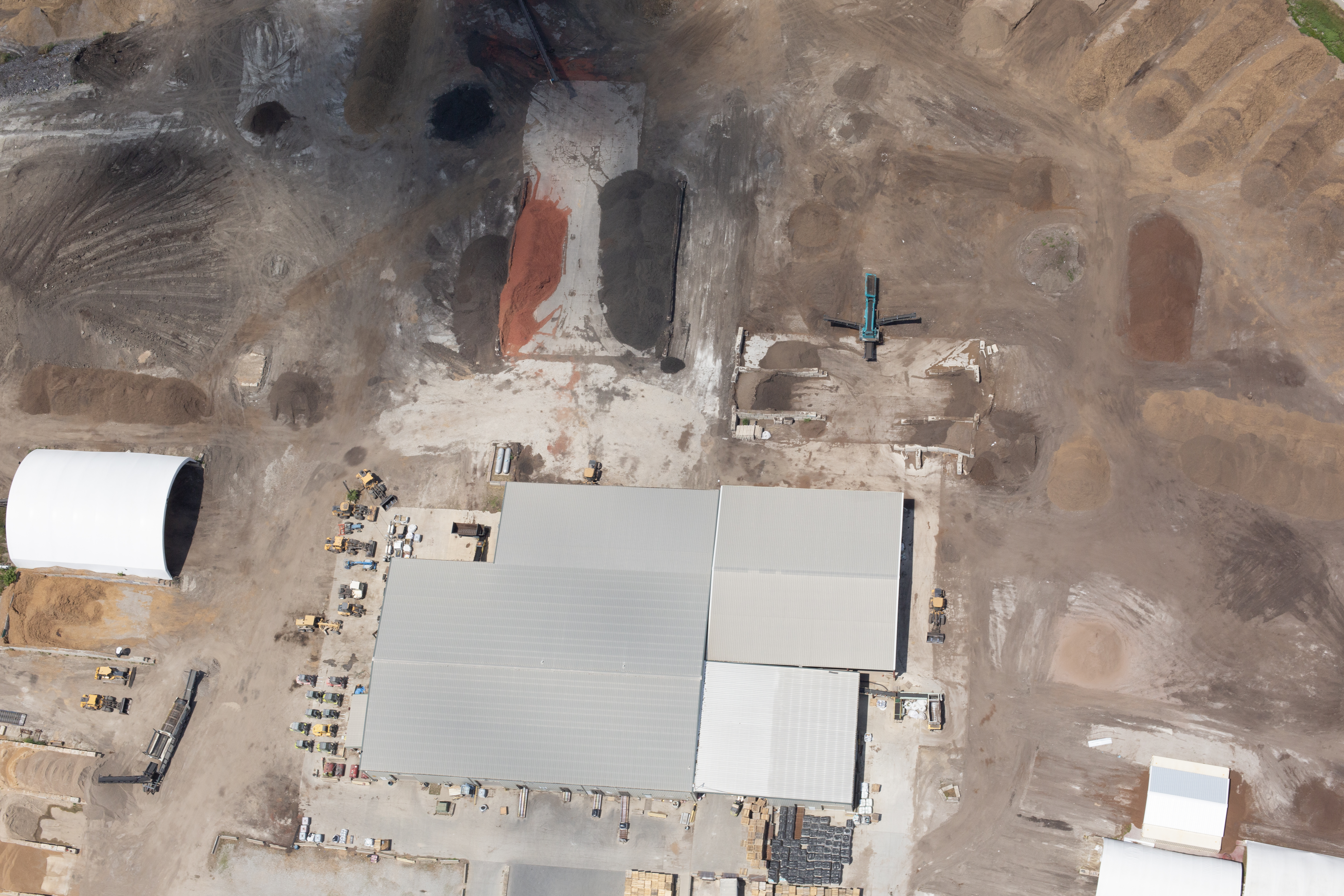
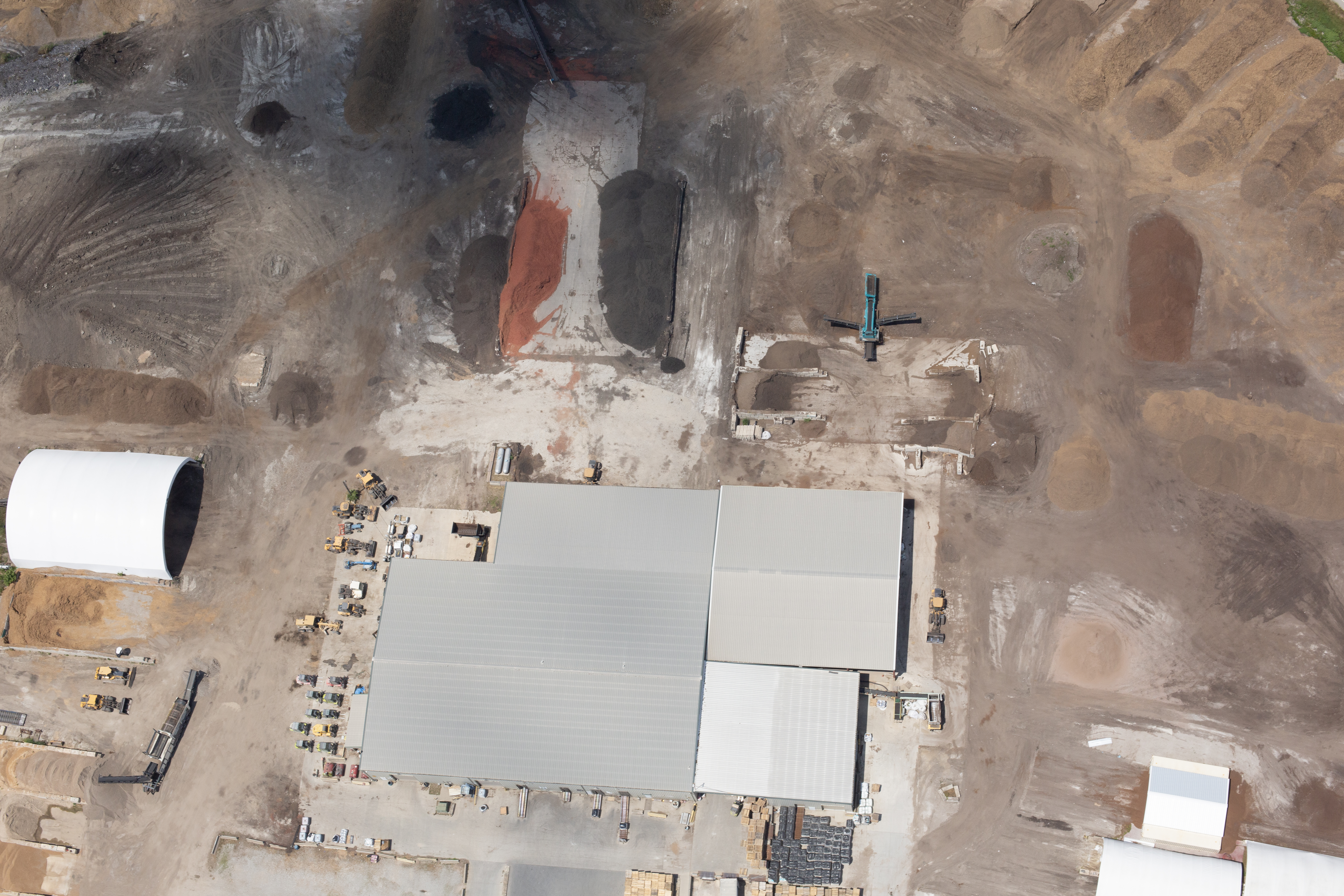
  • Orthomosaic (GeoTIFF/PNG): True-to-scale plan view for presentations and internal updates.
  • Point cloud (LAS/LAZ) & surfaces (TIN/GeoTIFF): For engineers and survey teams to ingest into Civil 3D, TBC, Carlson.
  • Executive PDF: One-pager with site overview, key charts, and methodology notes suitable for audit packages.

Accuracy, stated plainly

  • Horizontal: ~2–3 cm with RTK + quality GCPs; ~3–5 cm with GCPs only.
  • Vertical: ~3–5 cm with RTK + GCPs; ~5–8 cm with GCPs only.
  • Implication: For volumetrics, vertical accuracy dominates. Clean toe visibility and correct base selection reduce bias more than chasing ultra-fine GSD.

Workflow overview (so you know what you’re buying)

  1. Scoping: We align on tolerances, coordinate system, vertical model, base definitions, and reporting format.
  2. Flight plan: Altitude set to hit target GSD; grid + perimeter obliques for pile geometry; safety plan for live yards.
  3. Control: We set and survey GCPs/checkpoints tied to site benchmarks; verify RTK lock and metadata.
  4. Acquisition: Fast, repeatable missions with exposure control and motion mitigation; we can also fly indoors where GPS is unavailable using specialized drones and visual-inertial navigation.
  5. Processing: Photogrammetry (SfM/MVS), georeferencing, dense cloud → DSM/DTM; QC against checkpoints.
  6. Measurement: Digitize or auto-detect toes, choose base (TIN/best-fit/reference), compute volumes; run cut/fill if comparing to prior epoch.
  7. Reporting & handoff: Executive PDF, CSVs, GIS/CAD files, visuals for marketing/leadership; archive the chain of custody.

Risk controls & compliance

  • Chain of custody: Operator, aircraft logs, firmware, capture settings, and processing versions retained.
  • Method consistency: Identical pile IDs, polygons, and base rules across months to avoid “method-induced” variance.
  • Safety: Part 107 procedures, hazard matrix, comms plan with yard managers; dust and moving equipment mitigation.
  • Privacy & airspace: Site permissions, NOTAM checks, FRIA/FR restrictions, and when needed, waivers/authorizations.

How this helps Marketing & Communications

Your operations generate quantifiable progress; your stakeholders crave stories. The same dataset that finances use for reconciliation becomes visual evidence: before/after sliders, colorized cut/fill maps, annotated orthos, short motion graphics for board decks and social, and hero imagery for proposals. One acquisition, many deliverables.

Cost levers you control

  • Cadence: Monthly/quarterly inventories reduce per-event costs via templated missions and known controls.
  • Method: Standardizing base definitions eliminates rework and disputes.
  • Scope: Focus flights on active bays or high-value piles to concentrate measurement effort where it pays.

Photogrammetry vs. LiDAR—when to switch

  • Photogrammetry excels on exposed, granular materials (rock, gravel, salt) and paved surfaces, delivering high visual fidelity for communications.
  • LiDAR is preferred when vegetation occludes the ground or when thin, vertical features must be captured. We advise per site based on accuracy targets and surface conditions.

A quick case pattern (representative)

  • Context: Multi-pile aggregate yard requiring monthly inventory and quarterly audit.
  • Approach: 100 m nadir + 35 m oblique ring; RTK with five GCPs and two checkpoints; NAVD88 (GEOID) vertical.
  • Outcome: Executives received a one-page PDF and CSVs within 24 hours; Finance reconciled variances within ±2–3% against scale data; Ops adjusted haul plans the same day; Marketing repurposed orthos and 3D stills for the quarterly stakeholder update.

What to look for in a provider

  • Verifiable RMSE on checkpoints, not just GCPs.
  • Documented coordinate/vertical systems and geoid models.
  • Transparent base and polygon methods (repeatable across cycles).
  • Ability to fly indoors and in confined/complex sites.
  • A post team that can output engineer-ready files and executive-ready visuals.

Ready-to-act checklist

  • Define tolerance (e.g., ±3–5 cm vertical) and reporting cadence.
  • Confirm coordinate system and vertical model you use internally.
  • Identify piles/areas of record and required base method per category.
  • Decide who signs off on QA (internal surveyor/engineer or external).
  • Establish your deliverable set (CSV, PDF, CAD/GIS, marketing renders).

About St Louis Drones

St Louis Drones is a full-service professional commercial photography and video production company with the right equipment and creative crew experience for successful image acquisition. We offer full-service studio and location video and photography, as well as editing, post-production, and licensed drone pilots. St Louis Drones can customize your productions for diverse types of media requirements. Repurposing your photography and video branding to gain more traction is another specialty. We are well-versed in all file types and styles of media and accompanying software, and we use the latest in Artificial Intelligence across our media services. Our private studio lighting and visual setup is perfect for small productions and interview scenes, and our studio is large enough to incorporate props to round out your set. We support every aspect of your production—from setting up a private, custom interview studio to supplying professional sound and camera operators, as well as providing the right equipment—ensuring your next video production is seamless and successful. We can fly our specialized drones indoors. As a full-service video and photography production corporation, since 1982, St Louis Drones has worked with many businesses, marketing firms, and creative agencies in the St. Louis area for their marketing photography and video.

If you want this month’s inventory measured—or you’re ready to standardize a defensible, repeatable workflow—let’s set your spec and flight plan.

Boost Your Brand: Easy, High-Impact Ways to Use Drone Services

If your brand lives in crowded feeds and busy inboxes, clarity and scale are your unfair advantages. Aerial cinematography does both. It reframes familiar places, reveals patterns a handheld camera can’t see, and delivers thumb-stopping motion that quietly signals “this is a serious operation.” As a videographer, photographer, and producer at St Louis Drones, here’s a practical playbook of low-lift, high-return ways to plug drone content into campaigns without blowing up timelines or budgets.

Why aerial works (and when to use it)

  • Instant context: One five-second top-down shot can tell viewers where they are and why it matters—no lower thirds or exposition needed.
  • Authority on sight: Aerials communicate operational scale (campus, fleet, footprint) and safety culture—useful in B2B, construction, healthcare, logistics, and manufacturing.
  • Editorial contrast: Cut between ground-level human moments and elevated perspectives for a cinematic rhythm that keeps viewers watching.
  • Platform-native motion: Short, stable, looping drone shots perform well as LinkedIn headers, web hero banners, and vertical teaser reels.

12 easy wins you can deploy this quarter

  1. Hero banner refresh – A 6–8s slow push-in over your headquarters or jobsite as the homepage hero. Export a lightweight, muted-loop MP4 and a still fallback.
  2. LinkedIn loopers – 5-second orbits of your facility, fleet, or signage for use as pinned posts and profile covers.
  3. Campus/plant flyover – Label major buildings with clean motion-tracked callouts; great for recruiting and investor relations.
  4. FPV office walkthrough – Micro-drone tour of your lobby → production floor → team spaces. One take, big energy.
  5. Product launch “reveal” – Start low behind an object, rise to unveil the product in context (rooftop solar, EV charger, retail buildout).
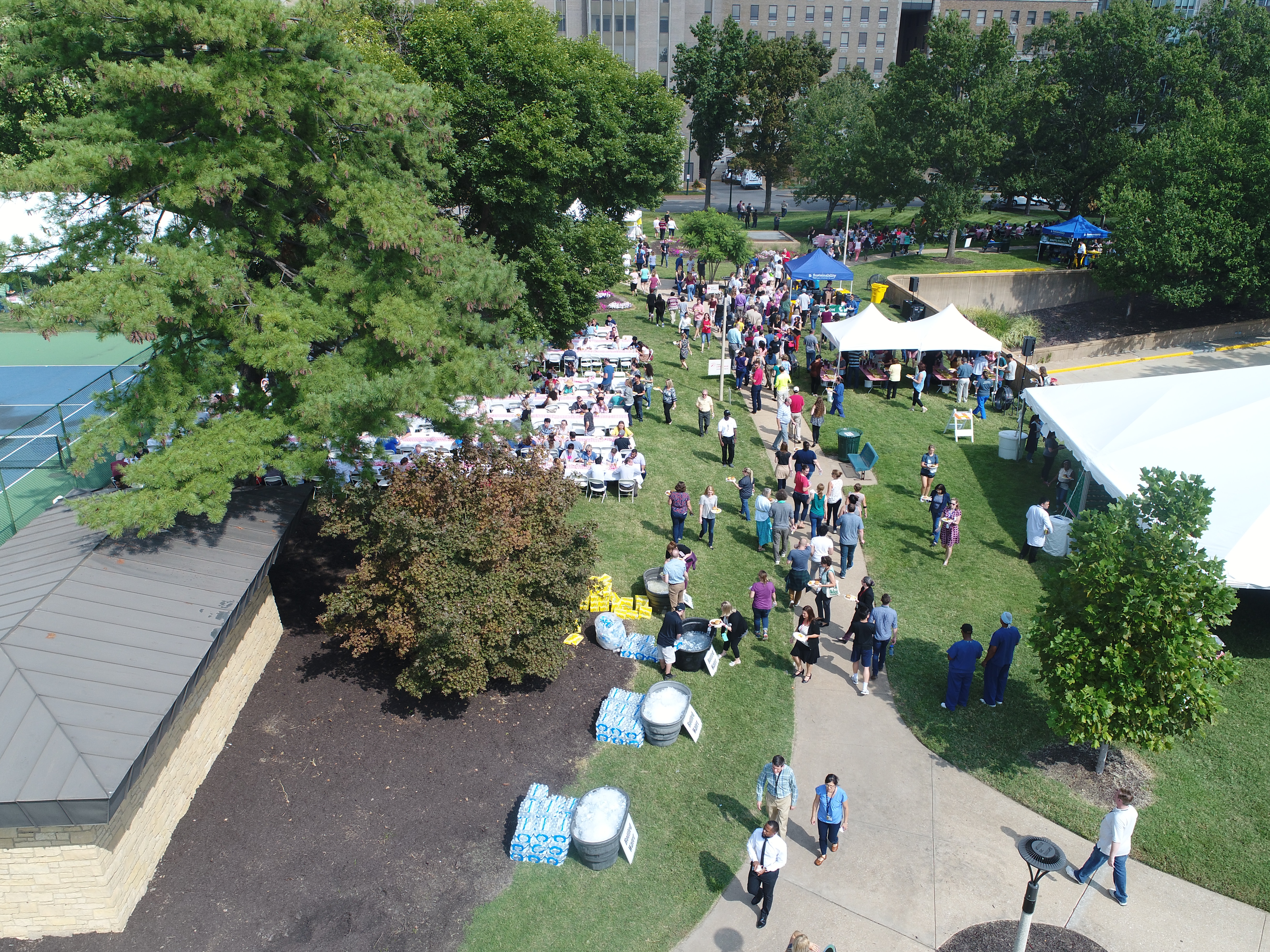
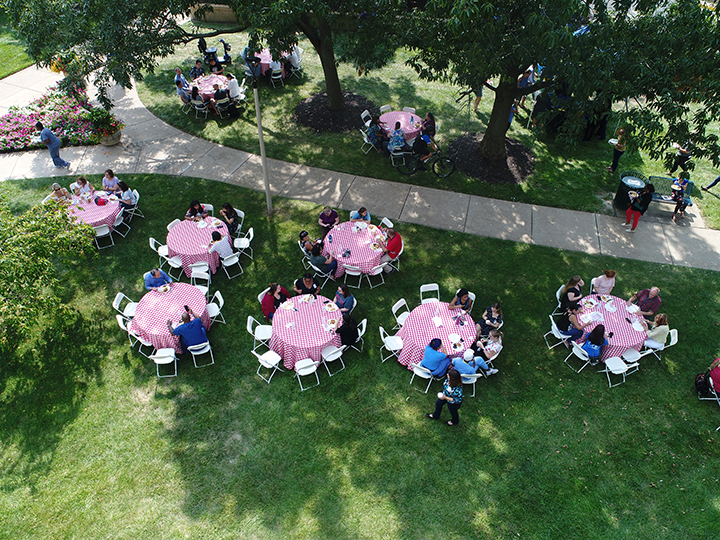
  6. Event recaps – Elevated wide shots establish crowd size and layout; combine with ground reactions for sponsor-friendly social cuts.
  7. Project milestones – Monthly “same-path” flyovers or top-downs to show progress for construction, civil, or energy projects.
  8. Safety & training snippets – Quick aerial context at the start of a training video helps orient learners to site hazards.
  9. Customer testimonial openers – 3–4s exterior establishing shot of the client location before cutting to the interview.
  10. Map overlays & motion graphics – Animate routes, coverage areas, or service radii over aerial plates for sales decks and RFPs.
  11. Short verticals (9:16) – Crop-safe framing for Reels/TikTok/Shorts; think “one maneuver, one message.”
  12. Before/after showcases – Roof repairs, landscaping, facade upgrades—split-screen aerials make transformations obvious.

Shot recipes that always look expensive (without being difficult)

  • Parallax orbit: Slow side-to-side movement around a subject; foreground elements create depth.
  • Top-down “blueprint” pass: 90° straight down; pause above key features for animated labels.
  • Reveal rise: Start hidden behind architecture or signage; ascend to reveal the full scene.
  • Leading line track: Follow roads, conveyor lines, or utility runs to guide the eye toward your CTA.
  • Indoor micro-FPV: Palm-sized, prop-guarded drones weave through tight spaces for dynamic tours—no post speed ramps needed.

Tech notes: Fly at 24/30 fps for cinematic looks; 60 fps only when you intend to slow-mo. Use ND filters to keep natural motion blur. Avoid harsh midday sun when possible; blue hour adds polish to glass and signage.


Funnel-first planning

  • Awareness: Short, emotive aerials (5–10s) for paid social and homepage hero.
  • Consideration: 30–60s overviews with animated callouts and on-screen stats.
  • Conversion: Case studies with aerial + interviews + graphics (2–3 minutes).
  • Loyalty/Recruiting: Culture-forward FPV tours and milestone updates.

Compliance, safety, and approvals (so your legal team sleeps at night)

  • FAA Part 107 licensed pilots, airspace checks, waivers where required, and documented pre-flight risk assessments.
  • Location permissions and site safety coordination (PPE, spotters, radio comms).
  • Privacy and brand control—no identifiable data in sensitive areas; review raw selects before anything leaves the site.
  • Indoor operations—FAA rules don’t apply indoors, but our own safety SOPs absolutely do.

Aerial + ground = the winning edit

Best-performing pieces pair a few surgical aerials with strong ground coverage. Consider this simple, proven structure:

  1. 0:00–0:04 – Aerial reveal (context + scale)
  2. 0:05–0:20 – Ground human moments (faces, hands, product in use)
  3. 0:21–0:35 – Aerial callouts (features/footprint)
  4. 0:36–0:45 – Social-ready tagline & CTA card

Post-production that multiplies value

  • Deliverable sets: 16:9 master, 1:1 square, 9:16 vertical, plus a 6–8s loop.
  • Graphics: Clean lower thirds, map pins, tracked labels; keep brand fonts and safe zones consistent.
  • AI assists: Noise reduction, smart reframing to vertical, object tracking for labels, speech cleanup on interviews, and versioning at multiple lengths for A/B tests.
  • Asset reuse: Turn one shoot into a site hero, three social shorts, a slide background, and a sales deck screenshot.

Measuring impact (so the work pays for itself)

  • Before/after benchmarks: Hero banner dwell time, scroll depth, and CTA clicks.
  • Social: Hook rate in first 3 seconds, average watch time, saves/shares.
  • Sales enablement: Deck adoption by reps and influenced pipeline tied to pages with aerial content.
  • Recruiting: Application starts following campus/plant tour posts.

Budget & timeline, simplified

  • Essentials (half-day): One location, pilot + camera op, 3–4 core maneuvers, 15–30s edit + stills.
  • Enhanced (full-day): Multiple locations or indoor + outdoor, aerial + ground crew, 60–90s edit, social cut-downs, graphic labels.
  • Integrated (multi-day): Phased construction progress, executive interviews, full graphic system, deliverables for web, social, and events.

Lead time for permits/airspace varies; we handle that paperwork while your team finalizes messaging.


Common pitfalls to avoid

  • Over-using drone shots (they’re seasoning, not the whole dish).
  • Flying at noon in harsh light.
  • Speed-ramping everything (feels gimmicky in B2B).
  • Skipping permissions or safety briefings.
  • Forgetting captions/alt text for accessibility.

Your quick-start briefing (copy/paste to kick things off)

  • Goals: What should viewers think/do after watching?
  • Audience & platform: Web hero, LinkedIn, trade-show loop, recruiting, etc.
  • Locations & sensitivities: Addresses, no-fly/sensitive areas, interior access.
  • Must-show: Products, signage, teams, partners, milestones.
  • Brand guardrails: Fonts, colors, lower-third templates, logo safe area.
  • Deliverables: Aspect ratios, durations, stills, captions, graphic callouts.
  • Timeline: Launch date and any permit deadlines.
  • Point people: On-site contact, safety lead, brand reviewer.

Why partner with St Louis Drones

St Louis Drones is a full-service professional commercial photography and video production company with the right equipment and a seasoned creative crew for successful image acquisition. We offer full-service studio and location video and photography, editing, post-production, and licensed drone pilots. We customize productions for diverse media requirements and repurpose your photography and video branding to gain more traction across channels. Our team is well-versed in all file types, media styles, and accompanying software, and we use the latest in Artificial Intelligence across our services. Our private studio lighting and visual setup is perfect for small productions and interview scenes, and the studio is large enough to incorporate props to round out your set. We support every aspect of your production—from setting up a private, custom interview studio to supplying professional sound and camera operators, as well as providing the right equipment—to ensure your next video production is seamless and successful. We can even fly our specialized drones indoors. As a full-service video and photography production corporation since 1982, we’ve partnered with businesses, marketing firms, and creative agencies across the St. Louis area to deliver marketing photography and video that performs.

If you’d like, send over the quick-start briefing and we’ll propose a shot list, flight plan, and deliverables tailored to your launch date.

Rob Haller 314-604-6544 stlouisdrones@gmail.com
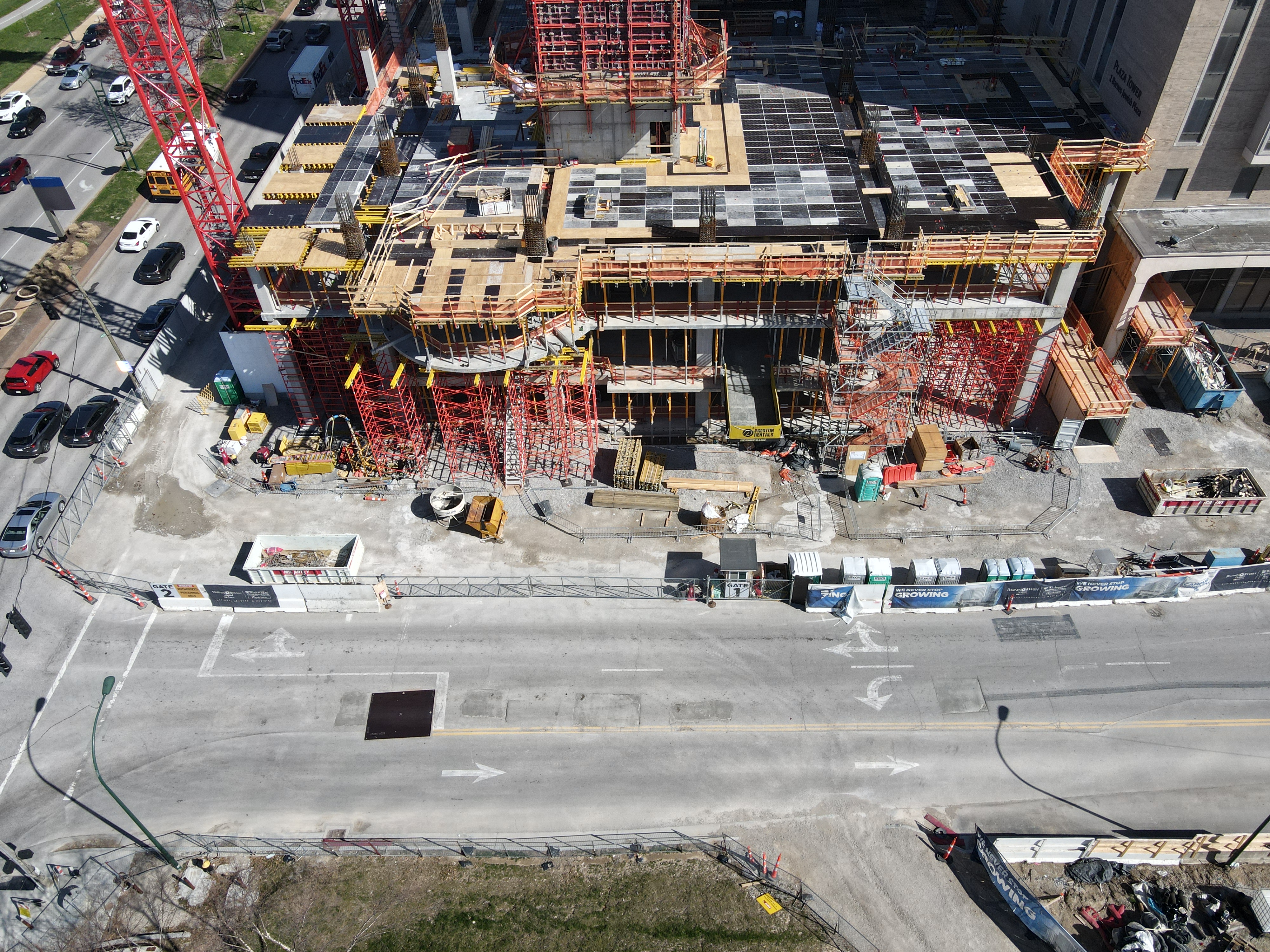
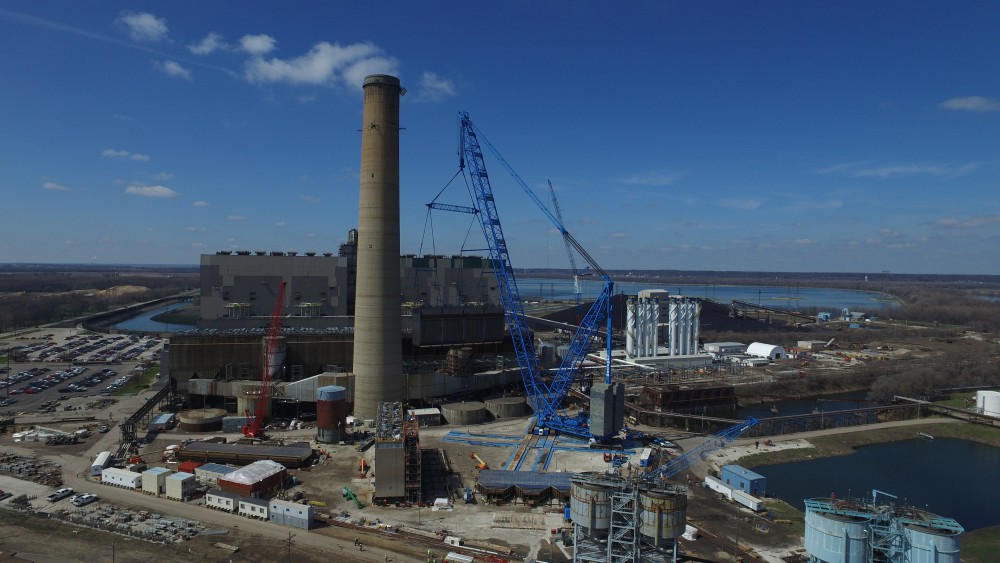
Aerial Precision: Using Drones to Document Demolition, Decommissioning, and Site Clearing

In today’s fast-paced world of development, infrastructure transformation, and environmental responsibility, capturing key phases of a project is more critical than ever. Whether you’re a construction manager overseeing a high-profile teardown, a property developer navigating the environmental compliance of site decommissioning, or a marketing executive tasked with showing progress to stakeholders—visual documentation of demolition, decommissioning, and site clearing has never been more essential.

Enter drone videography and photography—your new essential tool for aerial precision and powerful storytelling.


Why Drones Are Revolutionizing Demolition Documentation

Gone are the days of static before-and-after images taken from ground level. Drones offer unparalleled vantage points, providing comprehensive and dynamic visuals that ground-based cameras simply can’t capture. Here’s how drone services bring value to every stage of a site transition:


1. Pre-Demolition Aerial Surveys

Before the first wall comes down, drones provide detailed pre-demolition footage from every angle. This high-resolution photography and video can:

  • Document existing site conditions for permits or insurance purposes
  • Support architectural analysis and teardown planning
  • Offer historical preservation records when needed

3D modeling and orthomosaic mapping are available options that allow teams to virtually navigate the site and strategize logistics with confidence.


2. Live or Scheduled Progress Monitoring

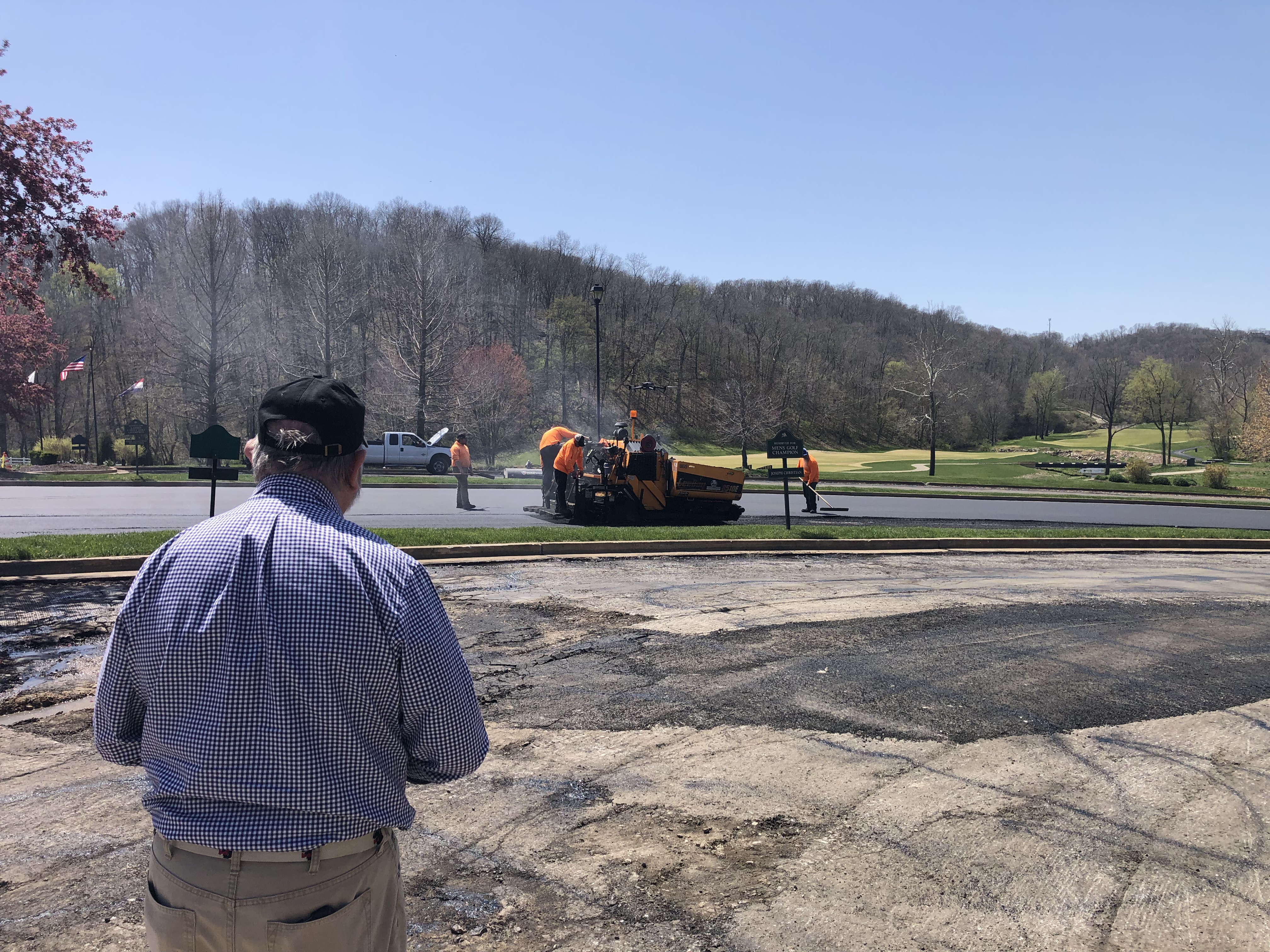
During active demolition, drone flyovers can be scheduled at daily, weekly, or milestone intervals. This not only provides real-time progress updates to stakeholders but also helps:

  • Ensure compliance with safety and environmental regulations
  • Monitor equipment, personnel, and material management
  • Communicate with offsite teams, investors, or city officials effectively

We can even provide live drone feeds for remote site walkthroughs or investor presentations.


3. Decommissioning and Environmental Compliance

Drone footage is a powerful tool in documenting the safe removal of hazardous materials, verifying the integrity of environmental remediation, and confirming that decommissioning procedures follow required protocols. This visual evidence can support:

  • Environmental reports and audits
  • Government inspections
  • PR and corporate transparency initiatives

Our licensed pilots are trained to fly within regulated airspace, including around sensitive facilities, with the proper permits and safety protocols in place.


4. Final Site Clearing and Transition

The last phase—clearing and leveling—is often just as critical as demolition itself. Whether the end use is redevelopment, resale, or returning land to its natural state, drone footage can:

  • Validate contract completion
  • Create marketing content for the next phase
  • Serve as visual documentation for tax records or legal filings

Time-lapse drone videos can be particularly effective in showing the transformation of a site from structure to blank canvas.


Custom Productions and Repurposed Content

The content we capture during a demolition or decommissioning project doesn’t have to stop at internal use. Repurposed drone footage can become dynamic content for:

  • Company reels and case studies
  • Web and social media marketing
  • Stakeholder and board presentations
  • Future RFPs or client bids

With the right editing and storytelling techniques, your project teardown becomes a powerful visual narrative of capability and progress.


Why Partner with St. Louis Drones

At St. Louis Drones, we specialize in professional commercial photography and video production that adapts to the needs of our clients. Our full-service team includes FAA-licensed drone pilots, cinematographers, editors, and producers ready to help you capture your site safely and effectively.

Whether you need studio or location video and photography, editing, post-production, or live coverage, we’ve got you covered. Our private studio lighting setup is ideal for interview scenes, while our large indoor studio allows us to incorporate props and set designs for customized productions.

We’re equipped with specialized drones capable of flying indoors, perfect for capturing unique angles and controlled demolition environments. With decades of experience since 1982, we’ve worked with numerous businesses, marketing firms, and creative agencies throughout the St. Louis area, producing image assets for everything from internal documentation to national advertising campaigns.

Our team is well-versed in all file types, media styles, and software platforms, making us the ideal partner for seamless production and repurposing your visuals across multiple marketing channels.

314-604-6544 stlouisdrones@gmail.com
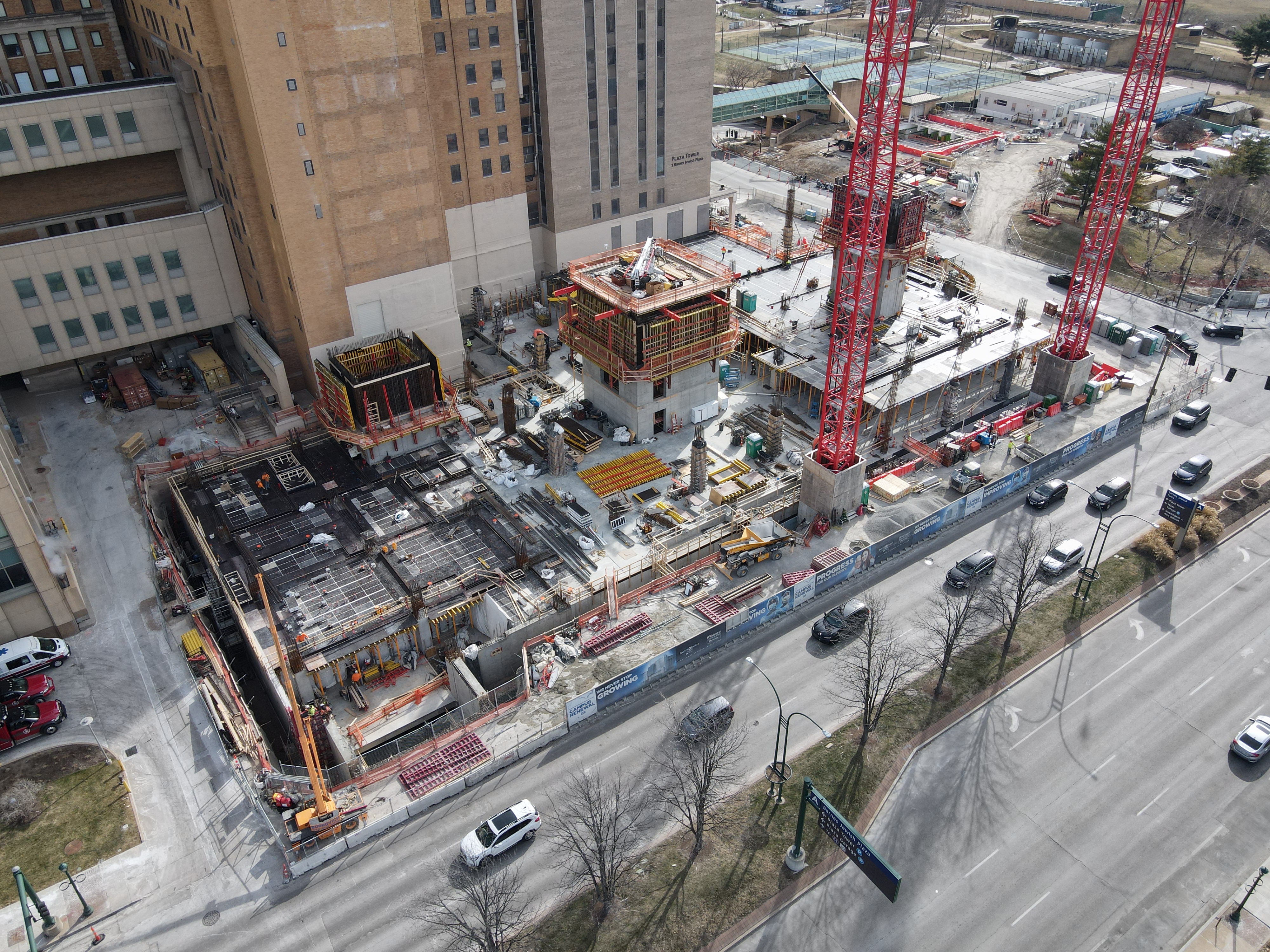
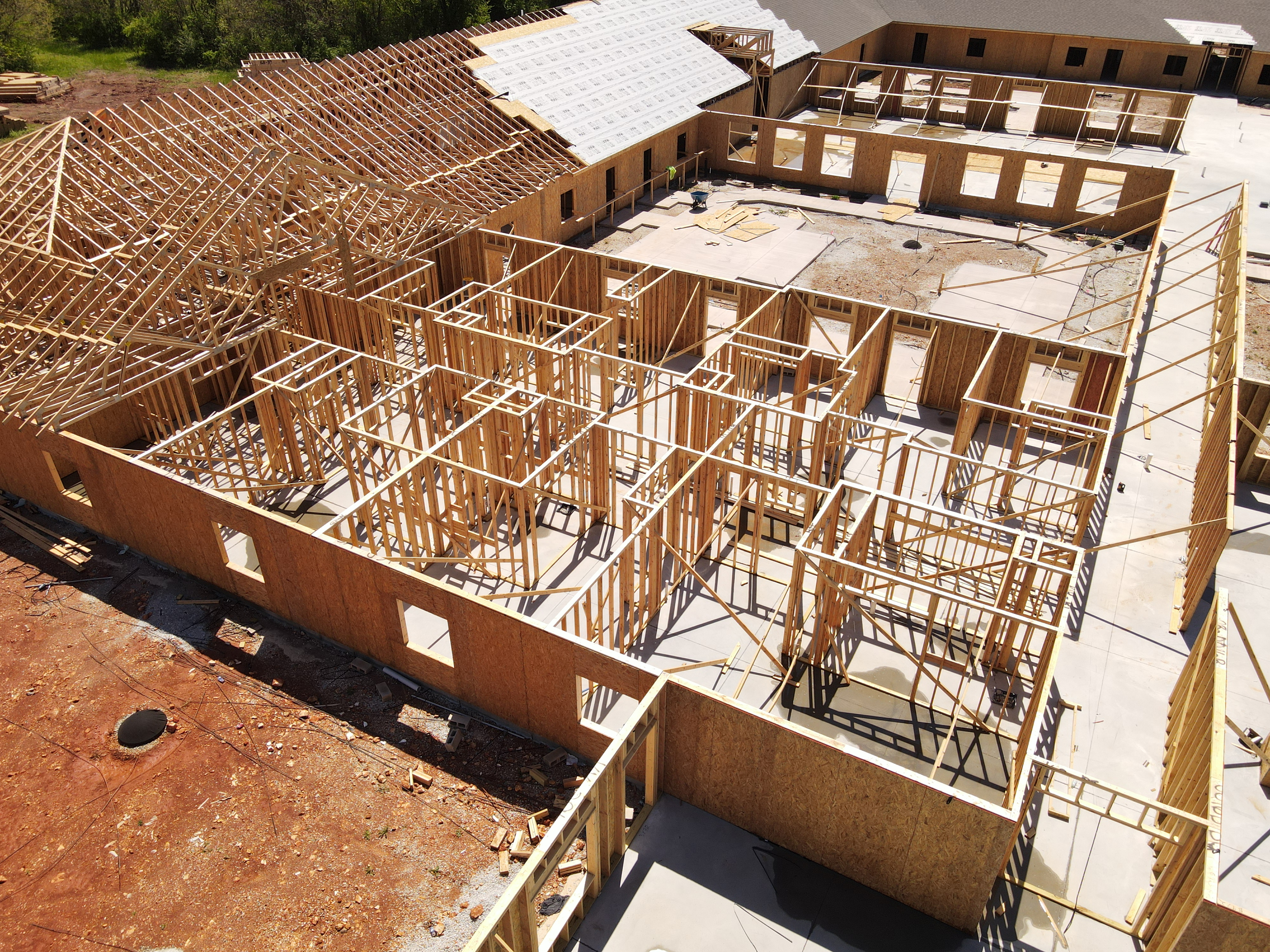
Using Drone Clips to Spot Issues in Your Building Projects

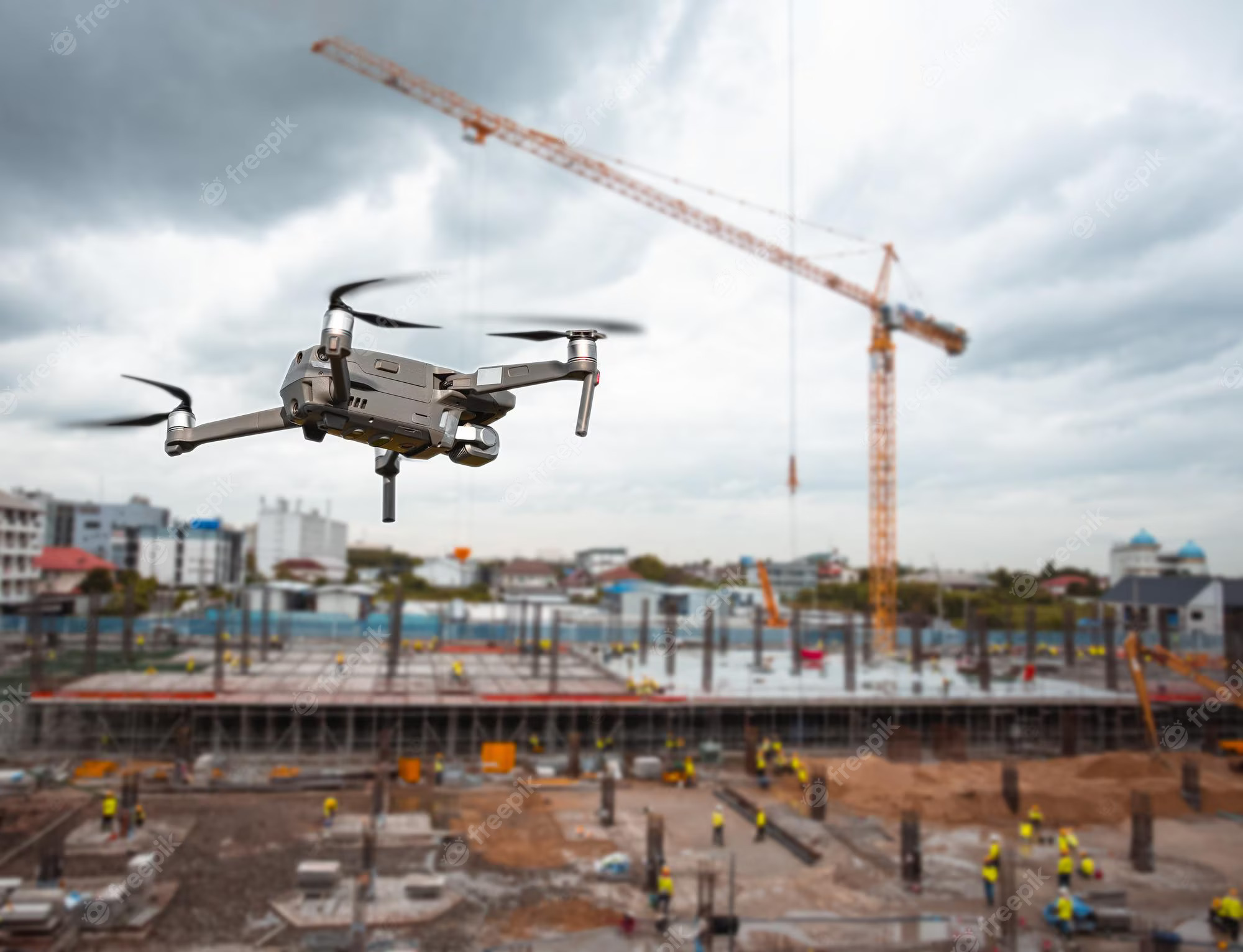
In the ever-evolving landscape of construction and building projects, ensuring quality and efficiency is paramount. One innovative approach that has gained significant traction in recent years is the use of drone technology to enhance project monitoring and management. Drones equipped with high-resolution cameras provide unparalleled aerial views and insights, making it easier to identify potential issues before they escalate. This blog post explores how drone clips can be instrumental in spotting issues in your building projects and how St Louis Drones can support your needs in this area.

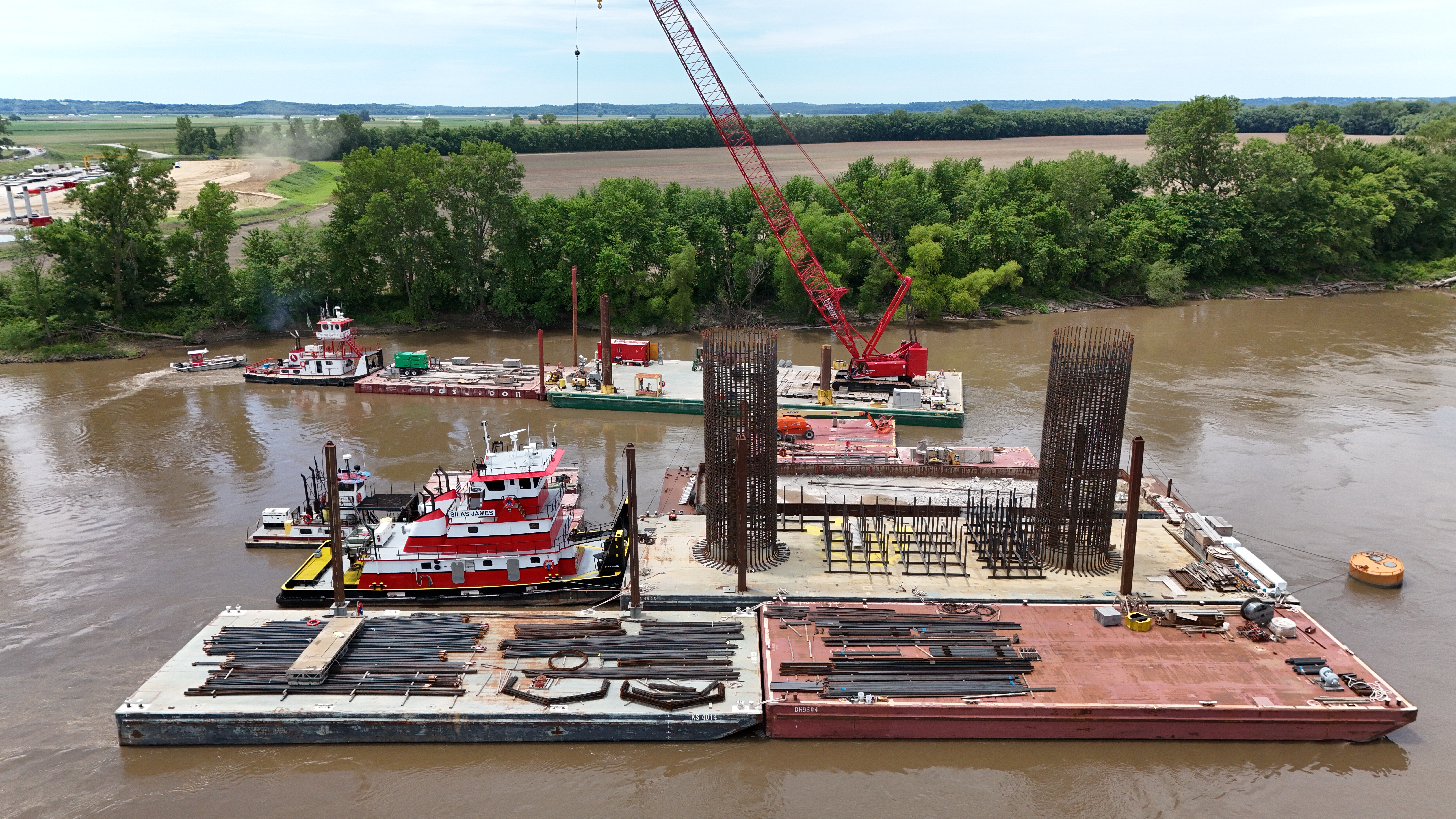
This visual evidence can be invaluable during meetings with clients and contractors, providing clear documentation of progress and any areas requiring attention.

Enhanced Visual Documentation

Drones offer a unique vantage point that traditional methods simply cannot match. By capturing high-resolution aerial footage, project managers and stakeholders can obtain comprehensive visual documentation of the site. This enhanced visibility allows for better assessment of site conditions, progress tracking, and identification of any discrepancies from the project plans.

For instance, using drone footage, you can quickly assess the alignment of structures, the positioning of utilities, and the overall layout of the site. This immediate visual feedback is crucial in the early stages of construction, where rectifying errors can save significant time and costs.

Identifying Safety Hazards

Safety is a top priority in any construction project. Drones can help identify potential safety hazards that might not be visible from the ground. For example, aerial footage can reveal unsafe working conditions, such as areas where workers may be exposed to falling debris or unsafe scaffolding.

By conducting regular drone inspections, project managers can proactively address these issues, ensuring a safer working environment for their teams. This not only enhances worker safety but also minimizes the risk of project delays caused by accidents or injuries.

Monitoring Construction Progress

Regular monitoring of construction progress is essential to stay on schedule and within budget. Drones can be deployed at various project phases to capture real-time footage, allowing stakeholders to compare actual progress against project timelines. This visual evidence can be invaluable during meetings with clients and contractors, providing clear documentation of progress and any areas requiring attention.

In addition, drones can facilitate remote project updates for clients who may not be able to visit the site in person. This transparency helps build trust and confidence, as clients can see firsthand the progress being made.

Conducting Inspections of Hard-to-Reach Areas

Certain areas of a construction site can be difficult or dangerous to access. Drones eliminate the need for scaffolding or ladders, allowing for quick and safe inspections of roofs, tall structures, and confined spaces. This capability ensures that even hard-to-reach areas are regularly monitored, reducing the risk of overlooked issues that could lead to costly repairs later on.

Streamlining Communication

The integration of drone technology into construction projects enhances communication among stakeholders. Aerial footage can be shared easily with project teams, clients, and other interested parties, facilitating discussions about project status, challenges, and solutions. This shared visual language fosters collaboration and ensures everyone is on the same page regarding project objectives.

Conclusion

Utilizing drone clips for building projects is a game-changer for construction management. From enhanced visual documentation to improved safety and communication, drones offer a wealth of benefits that can lead to more successful project outcomes.

At St Louis Drones, we bring over 40 years of experience in commercial photography and video production to the table. As a full-service professional company, we are equipped with the right tools and a creative crew ready to assist you in achieving successful image acquisition. Our offerings include full-service studio and location video and photography, editing, post-production, and licensed drone pilots.

We specialize in customizing productions to meet diverse media requirements, ensuring your branding gains maximum traction. Our expertise spans all file types and media styles, allowing us to adapt to your unique needs. With our private studio, complete with tailored lighting setups, we can create the perfect environment for small productions and interview scenes, incorporating props to enrich your set.

From custom interview studio setups to providing sound and camera operators, St Louis Drones has everything you need to ensure your next video production is flawless. Notably, our specialized drones are capable of flying indoors, offering even more flexibility for your projects. Since 1982, we have proudly collaborated with numerous businesses, marketing firms, and agencies in the St. Louis area for their corporate photography and video needs. Trust St Louis Drones to elevate your building projects with our cutting-edge drone technology and unparalleled expertise.

314-604-6544 stlouisdrones@gmail.com
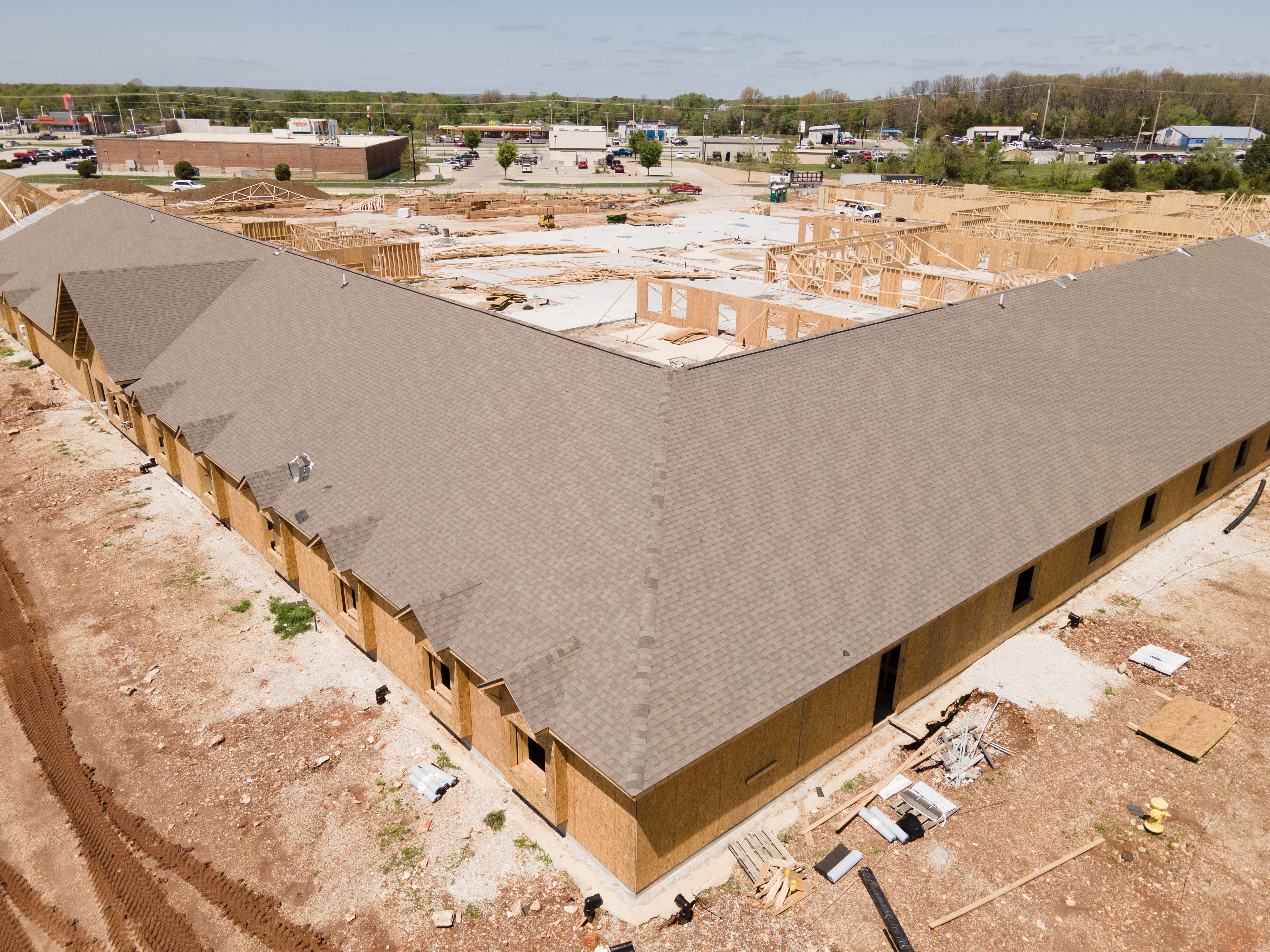
How Drone Images Can Boost Your Construction Marketing Efforts

In today’s competitive market, construction companies are constantly seeking innovative ways to stand out and attract potential clients. One powerful tool that has emerged in recent years is drone photography. Drones have revolutionized how we capture and present construction projects, offering a fresh perspective that traditional photography simply cannot match. Here’s a closer look at how drone images can enhance your construction marketing efforts and elevate your brand.

Drone footage can be integrated into interactive content such as virtual tours and 360-degree views.

1. Unmatched Aerial Perspectives

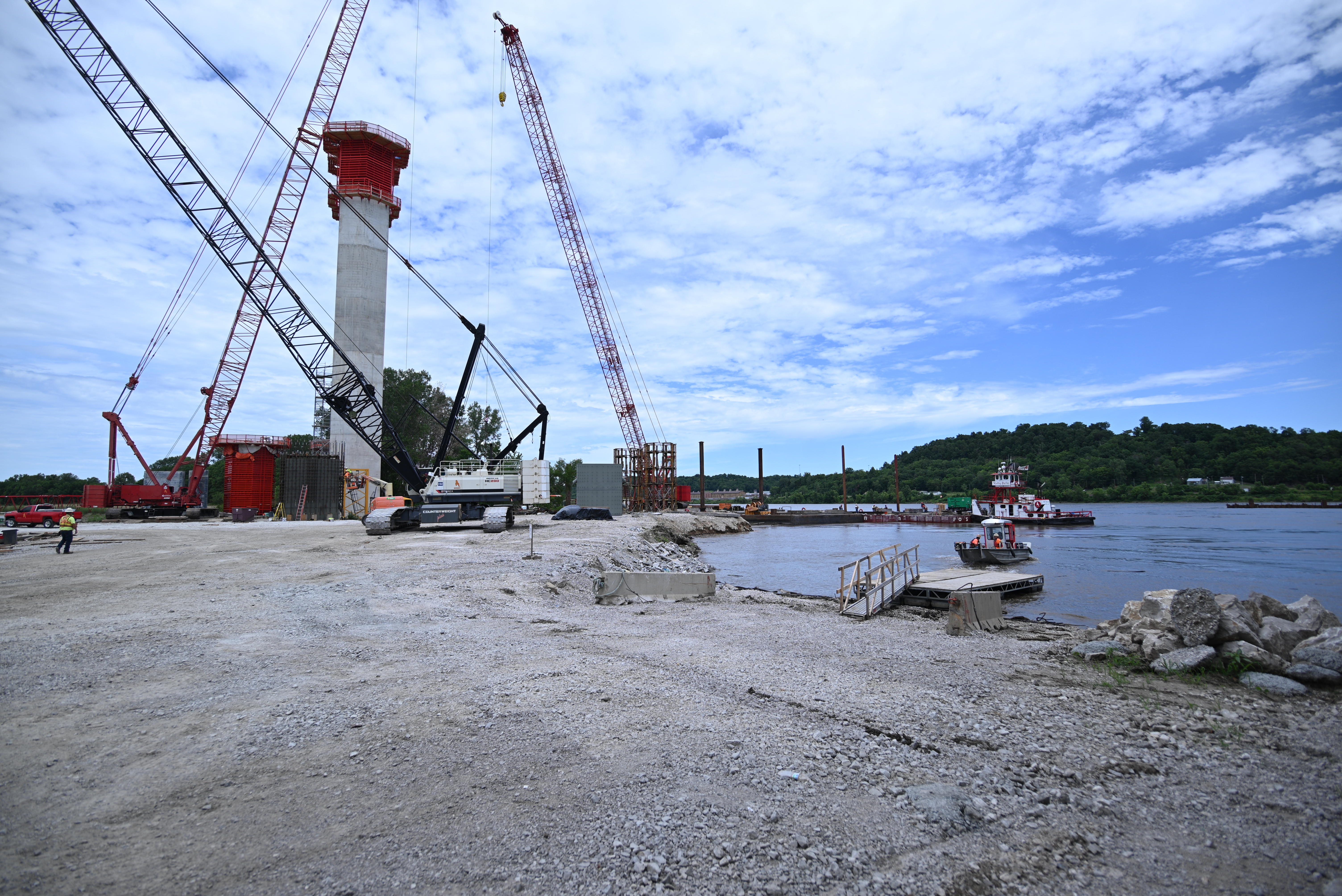
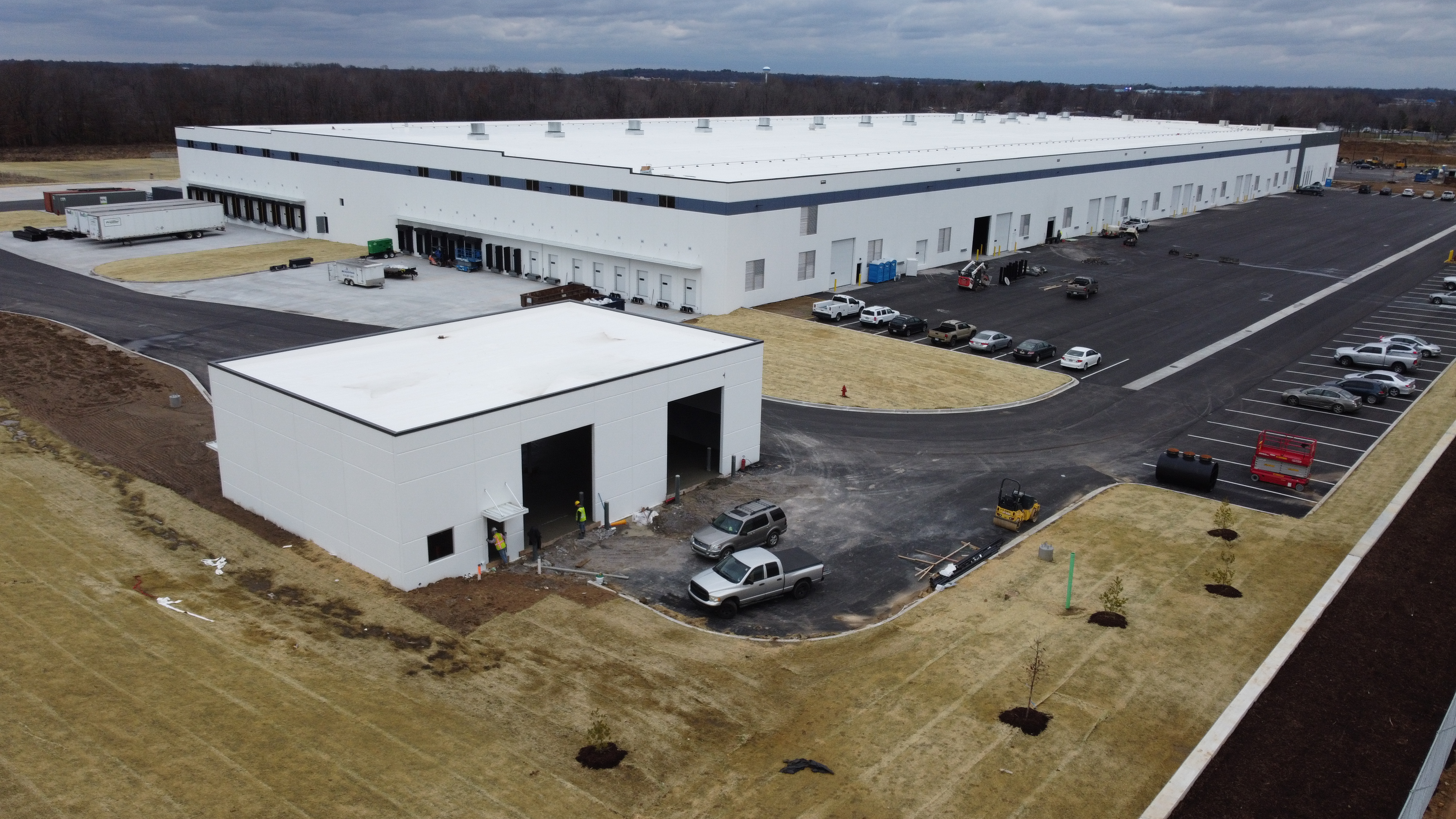
Drone photography provides a bird’s-eye view of construction sites, revealing intricate details that ground-level shots might miss. This aerial perspective allows potential clients to see the full scope of a project, including its scale, layout, and how it fits within its surroundings. By showcasing these comprehensive views, you can highlight the progress and success of your projects more effectively than with traditional methods.

2. Enhanced Project Visualization

Drones are invaluable for project visualization. They allow you to capture high-resolution images and videos of ongoing work, making it easier to communicate the progress and quality of your projects to stakeholders. Whether you’re presenting to potential clients or reporting to investors, drone footage provides a dynamic and engaging way to demonstrate your work.

3. Time-Lapse Documentation

Time-lapse photography is a compelling way to showcase the evolution of a construction project from start to finish. Drones can capture consistent, high-quality time-lapse sequences that highlight the transformation of a site over time. This type of content is not only visually appealing but also serves as a powerful tool for demonstrating your project management skills and efficiency.

4. Increased Engagement with Interactive Content

Drone footage can be integrated into interactive content such as virtual tours and 360-degree views. This level of engagement allows potential clients to explore your projects in a more immersive way, providing them with a comprehensive understanding of your work. Interactive content can also be a great addition to your website or social media channels, driving higher levels of engagement and interest.

5. Superior Marketing Materials

High-quality drone images and videos can significantly enhance your marketing materials. From promotional videos to brochures and online advertisements, incorporating aerial footage can make your materials more compelling and memorable. Drone imagery adds a professional touch and showcases your projects in a way that traditional photography cannot.

6. Competitive Advantage

Incorporating drone photography into your marketing strategy can set you apart from competitors. By using cutting-edge technology to capture and present your work, you demonstrate a commitment to innovation and excellence. This not only attracts potential clients but also positions your company as a leader in the industry.

Why Choose St Louis Drones?

At St Louis Drones, we bring extensive expertise and state-of-the-art equipment to every project. As a full-service professional commercial photography and video production company, we offer a comprehensive range of services, including studio and location video and photography, editing, post-production, and licensed drone pilots. Our team is skilled in customizing productions to meet diverse media requirements and repurposing your photography and video branding to maximize impact.

Our private studio lighting and visual setup is ideal for small productions and interview scenes, while our large studio space can accommodate props and elaborate set designs. We handle every aspect of your production, from setting up custom interview studios to providing sound and camera operators. We even fly specialized drones indoors, ensuring flexibility and precision in capturing your projects.

Since 1982, St Louis Drones has been serving businesses, marketing firms, and agencies in the St. Louis area with unparalleled professionalism and creativity. Whether you need stunning aerial imagery, comprehensive video production, or expert editing services, we have the experience and resources to make your next project a success.

Elevate your construction marketing efforts with the power of drone photography—contact St Louis Drones today to discover how we can enhance your brand and capture your projects like never before.

Rob Haller 314-604-6544 stlouisdrones@gmail.com
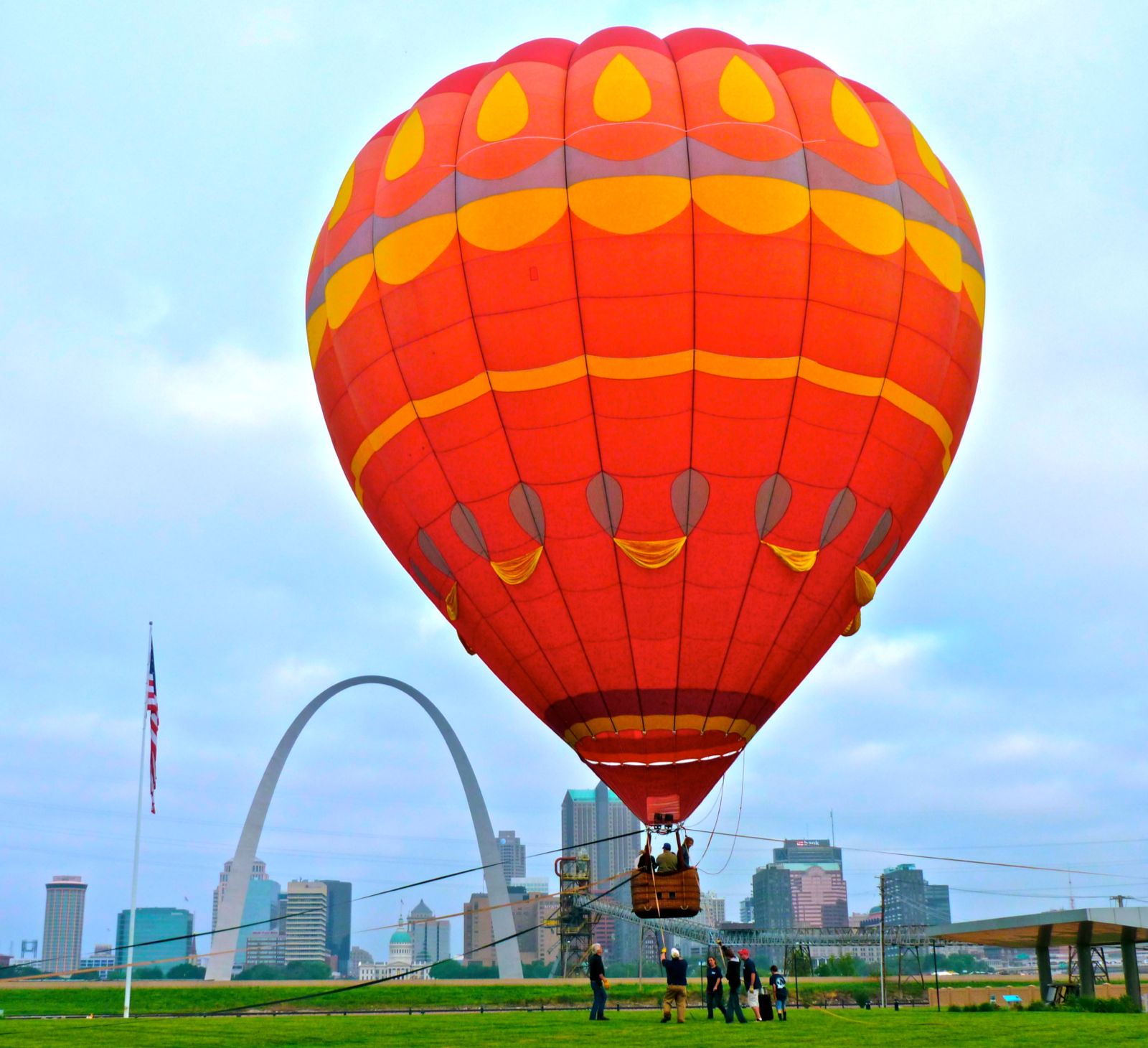
The Dos and Don’ts of Golden Hour Drone Photography for Stunning Results

Capture the Golden Hour Magic with Your Drone!

The beauty of aerial photography has been revolutionized by the emergence of drones. These versatile flying machines have opened up a whole new world of possibilities, allowing photographers to capture breathtaking shots from unique perspectives. One of the most enchanting times to take your drone to the sky is during the golden hour. The golden hour, also known as the magic hour, refers to the period shortly after sunrise or before sunset when the light is warm, soft, and casts a golden hue over the landscape. To help you make the most of this magical time, we’ve compiled a comprehensive guide on the dos and don’ts of golden hour drone photography. So grab your drone, set your alarm, and get ready to create stunning aerial imagery!

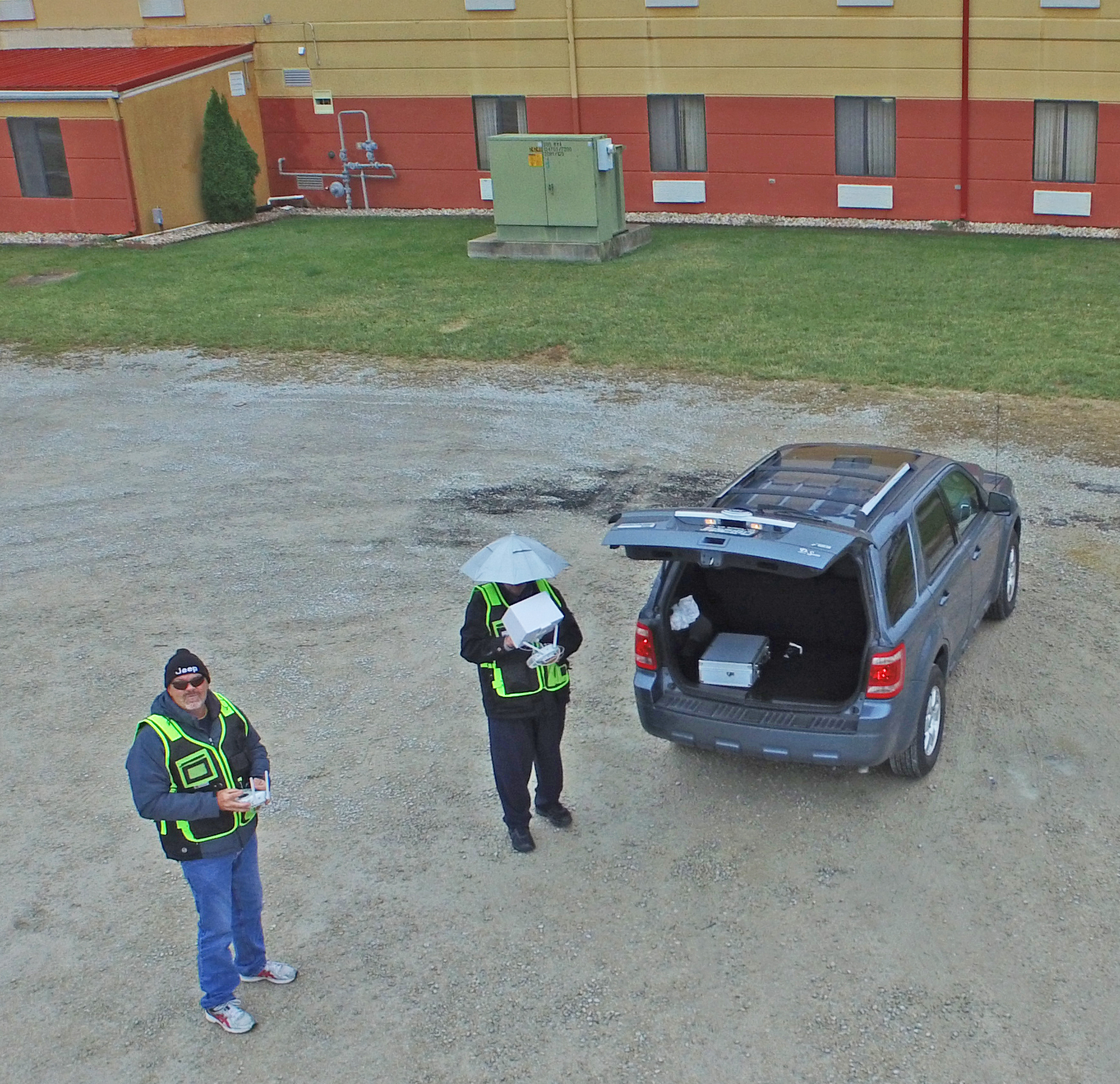
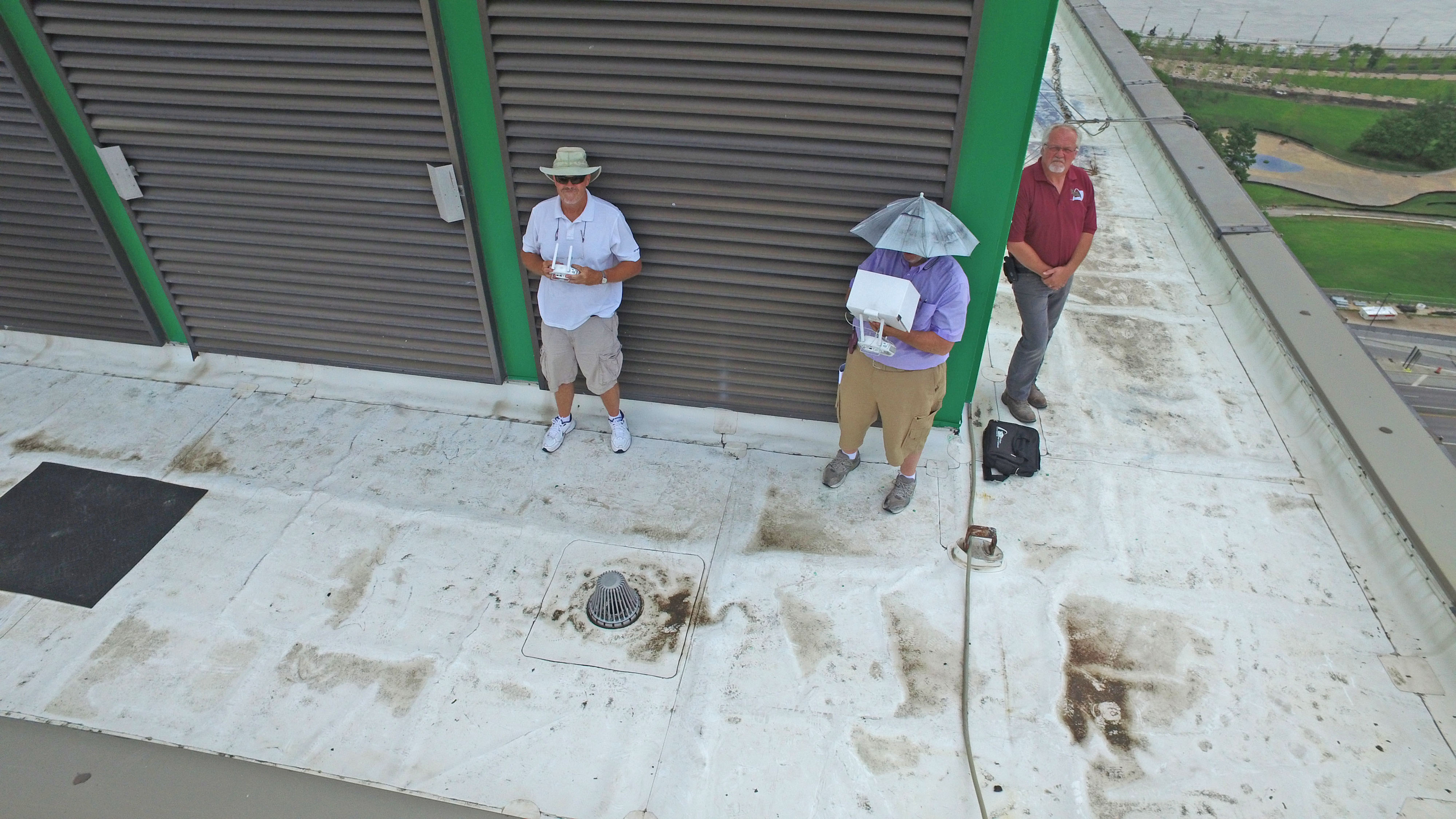
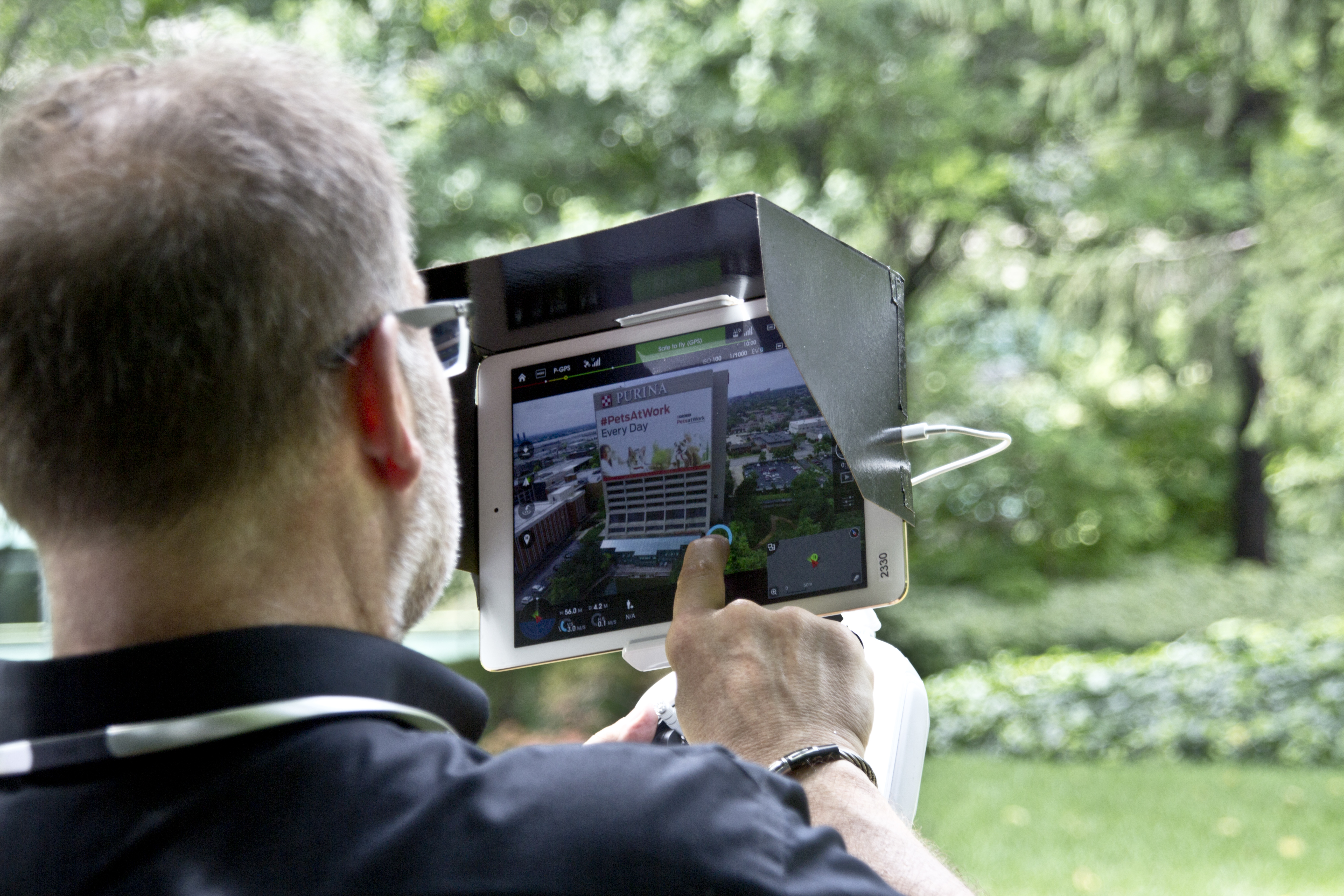
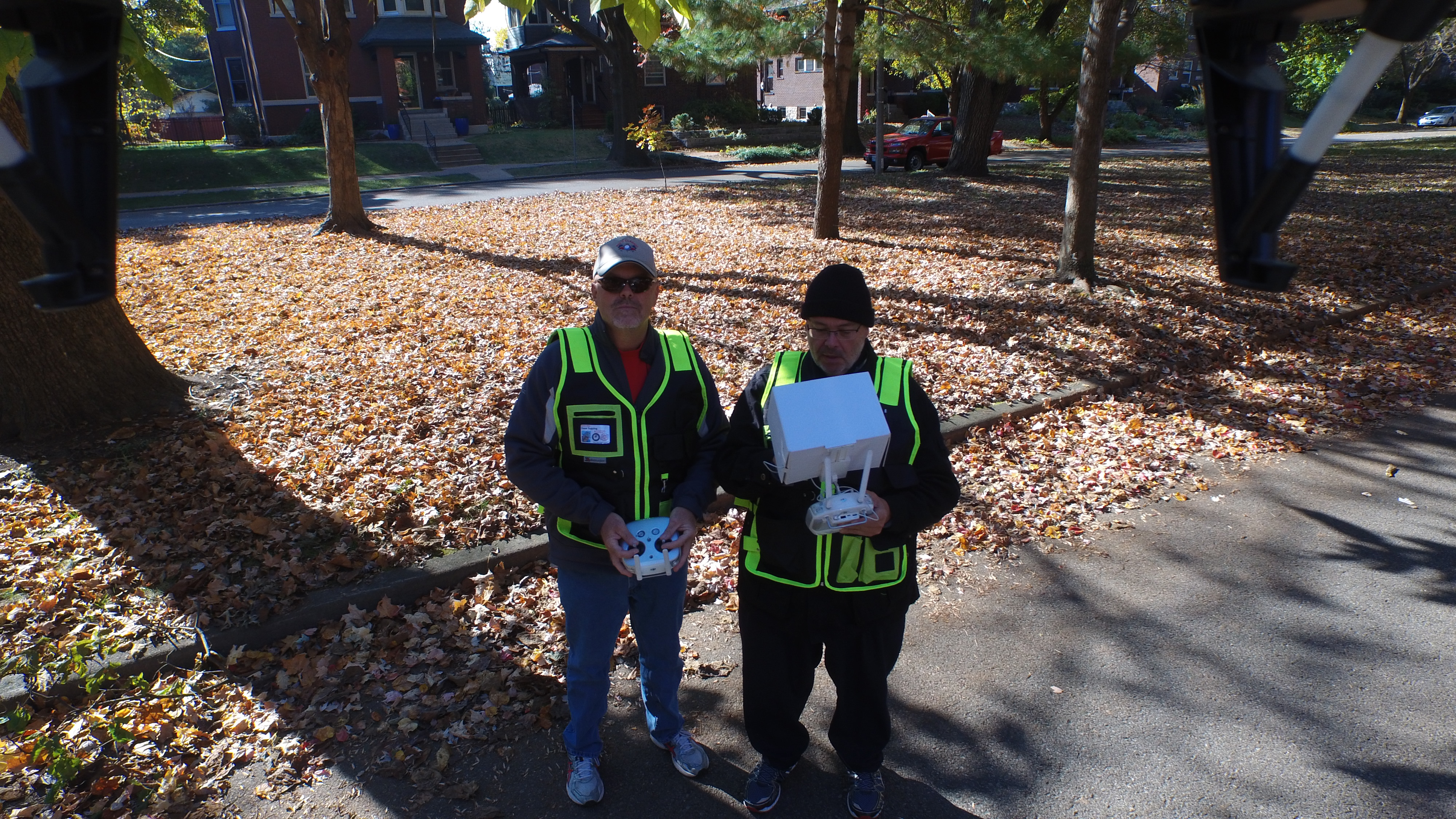
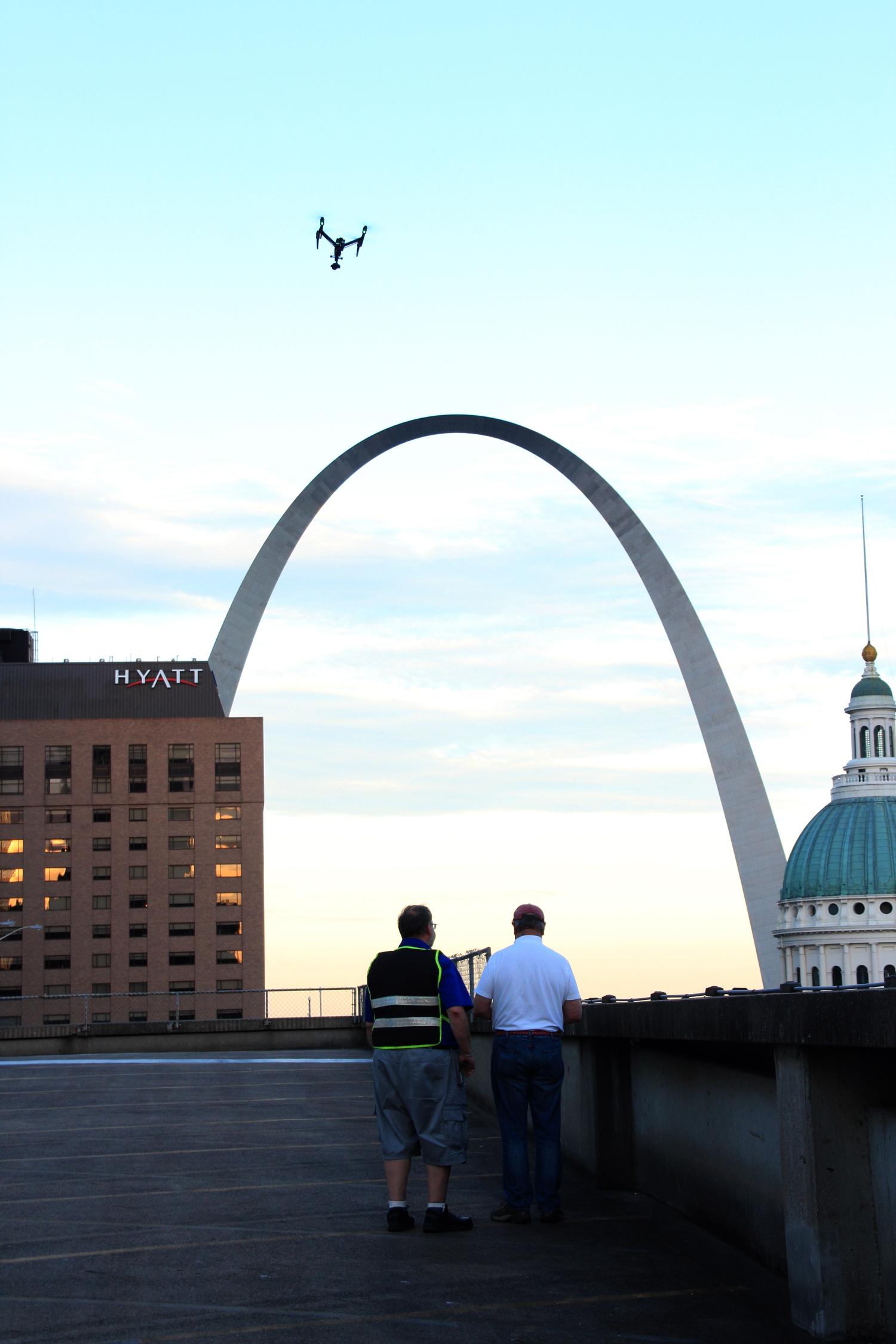
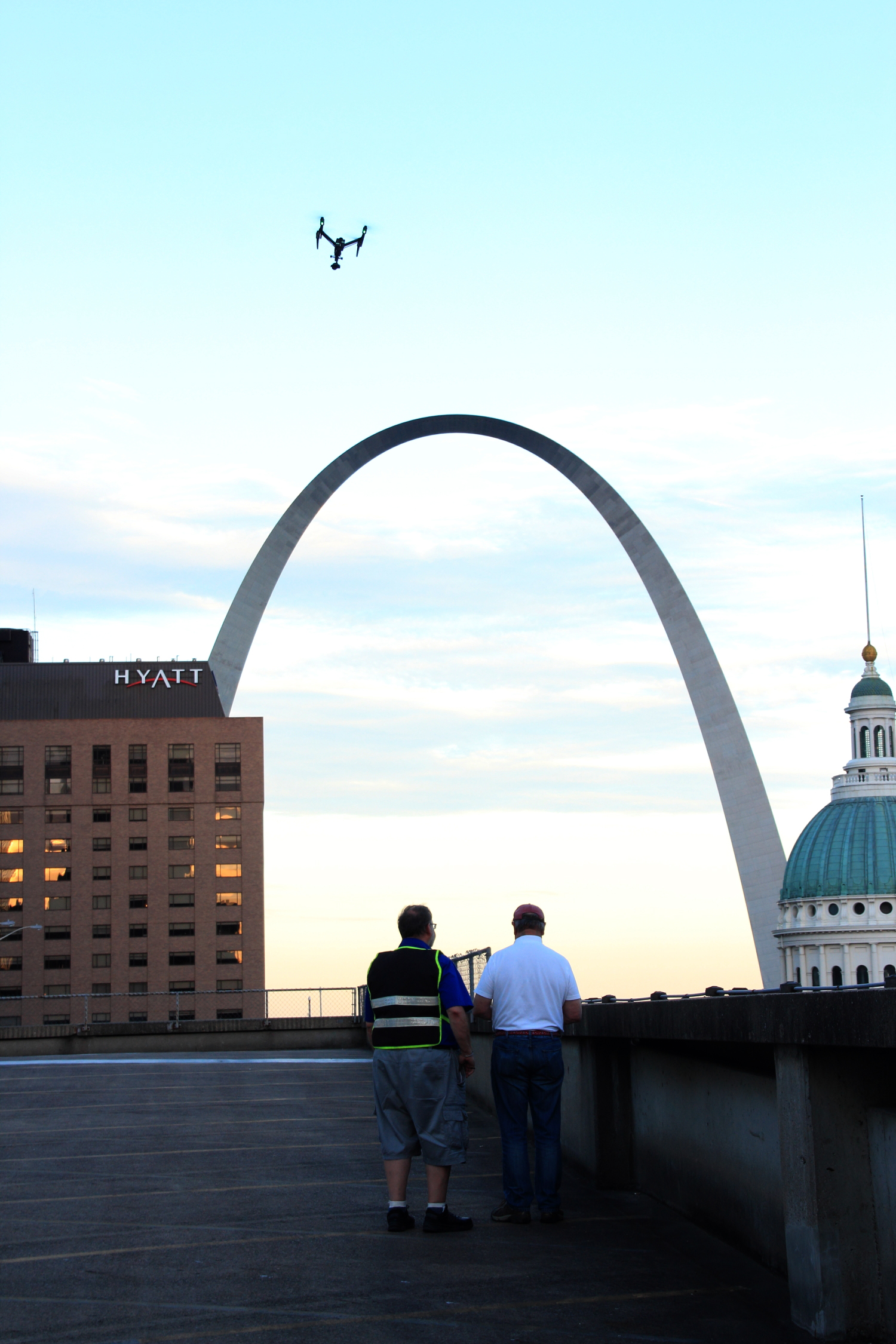
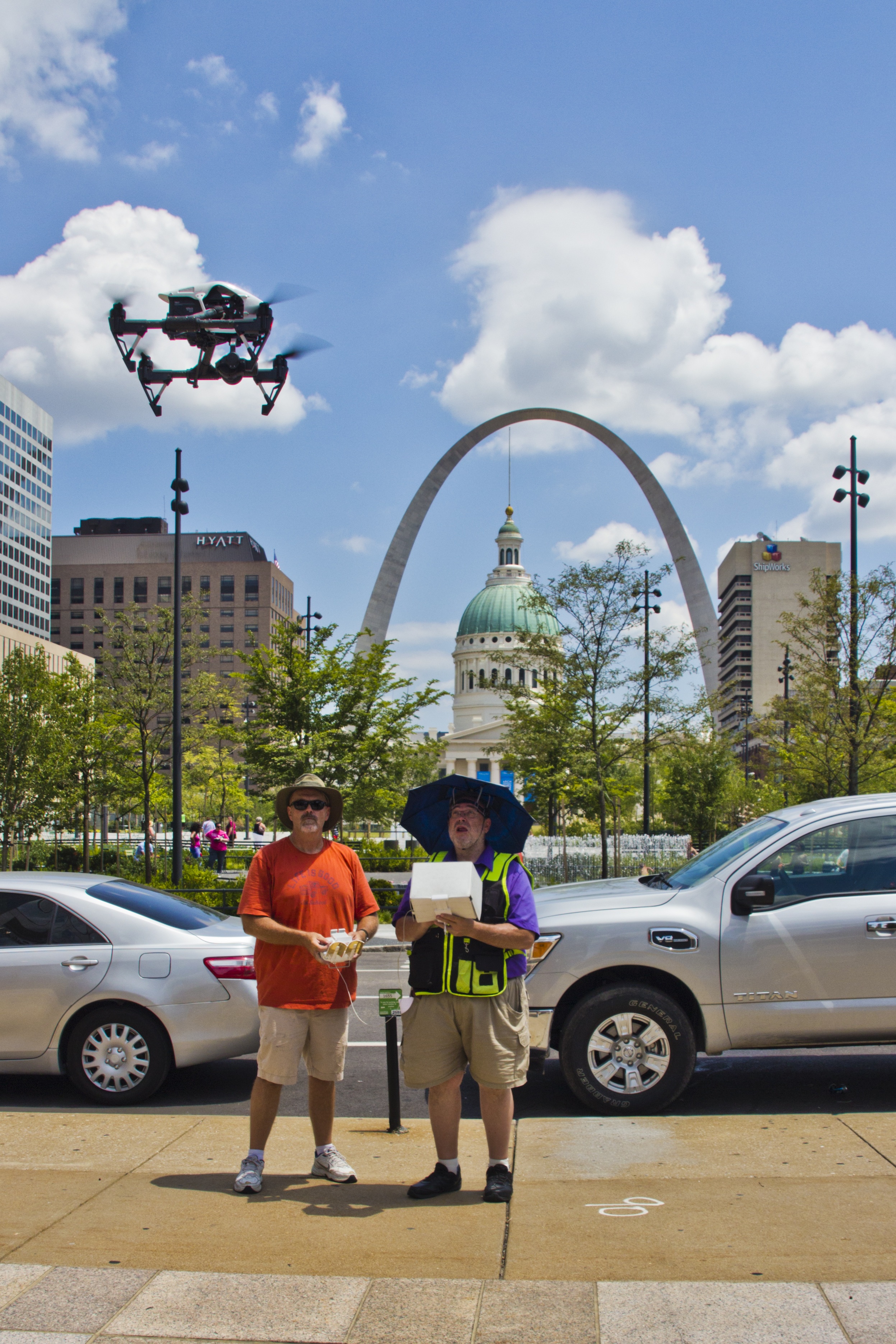
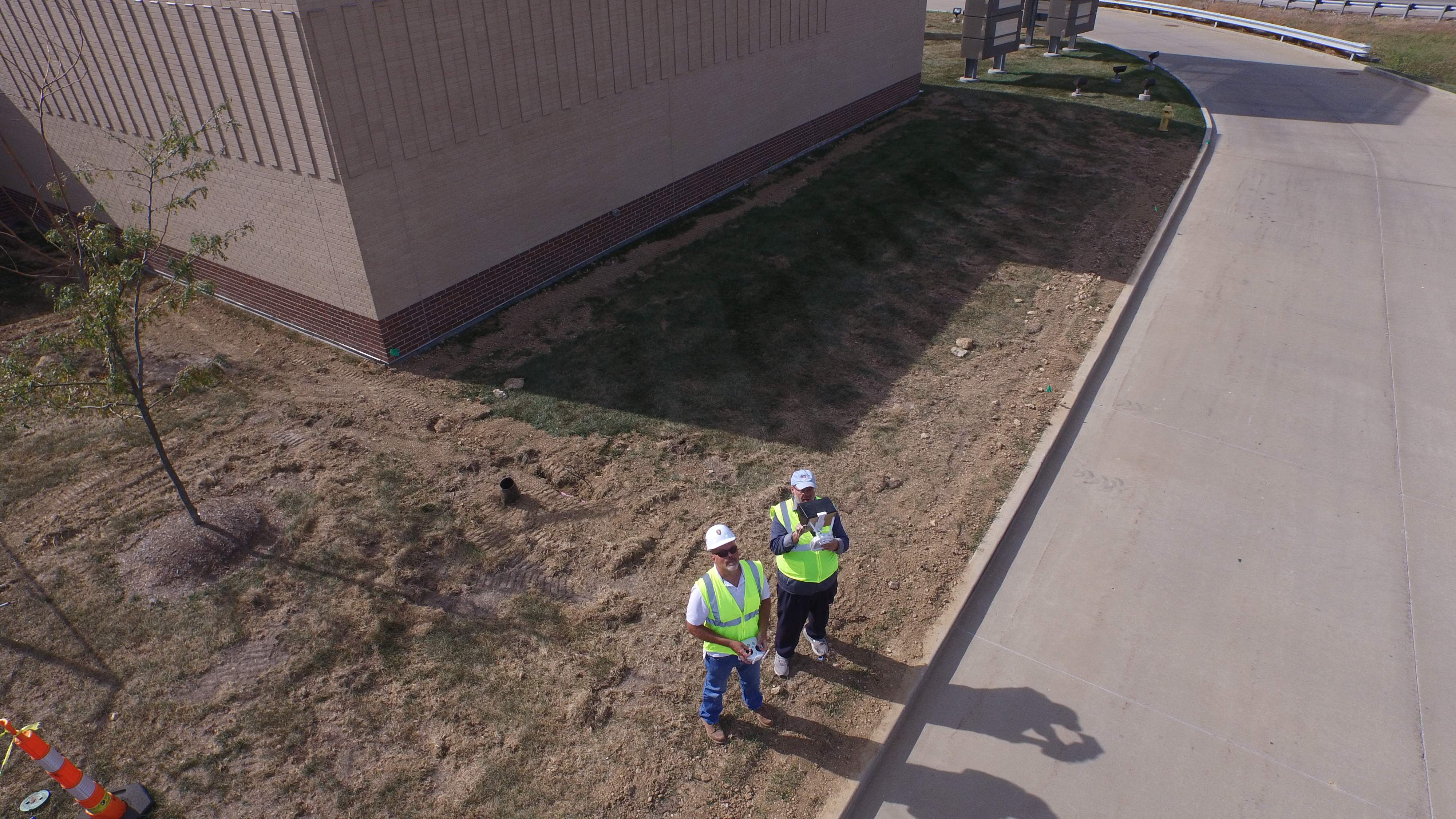
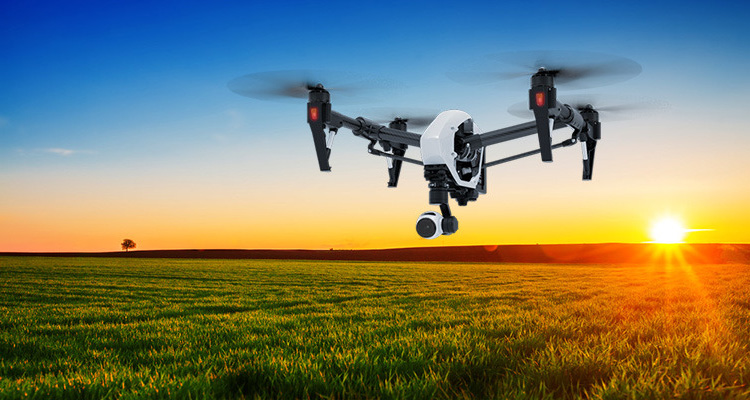
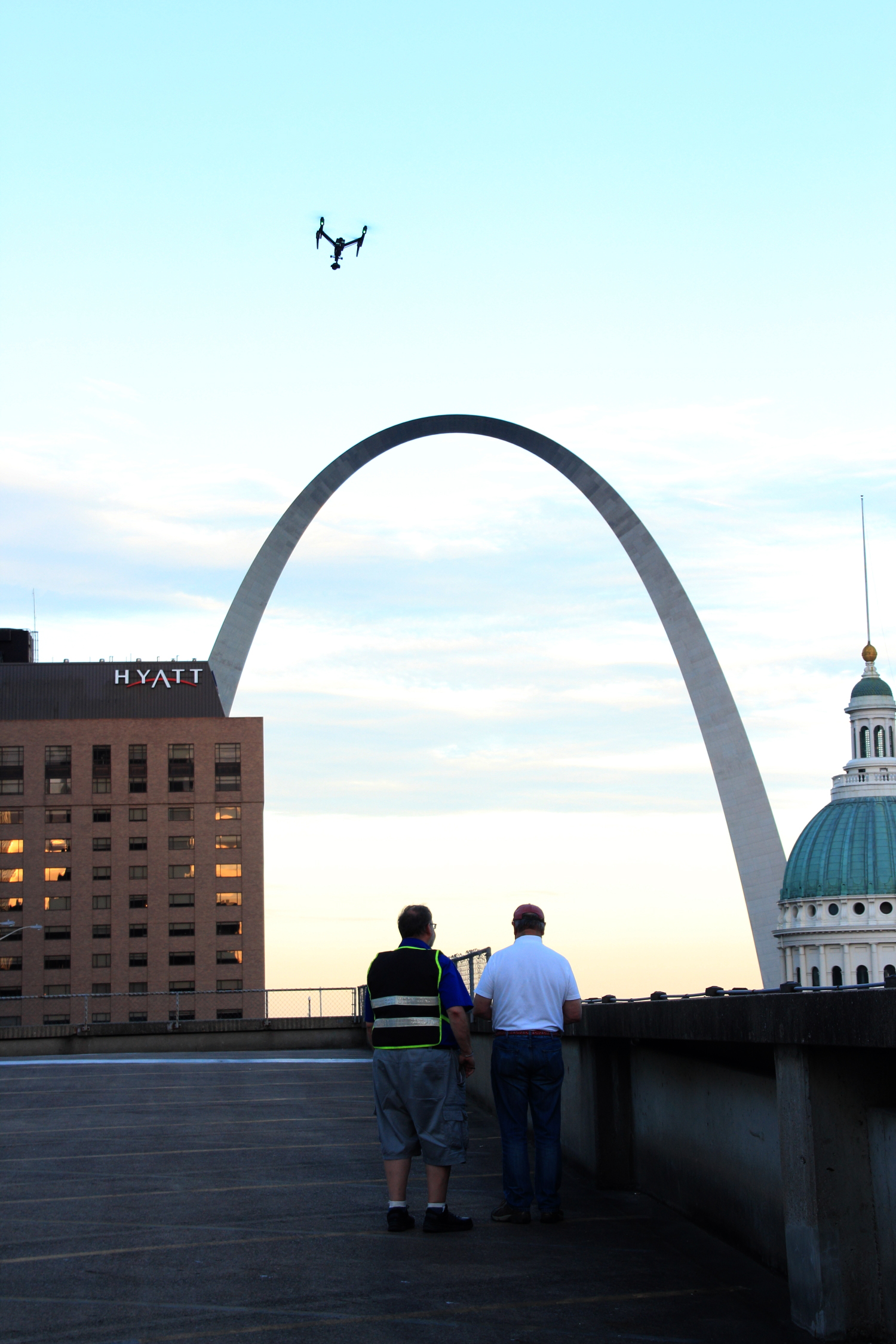
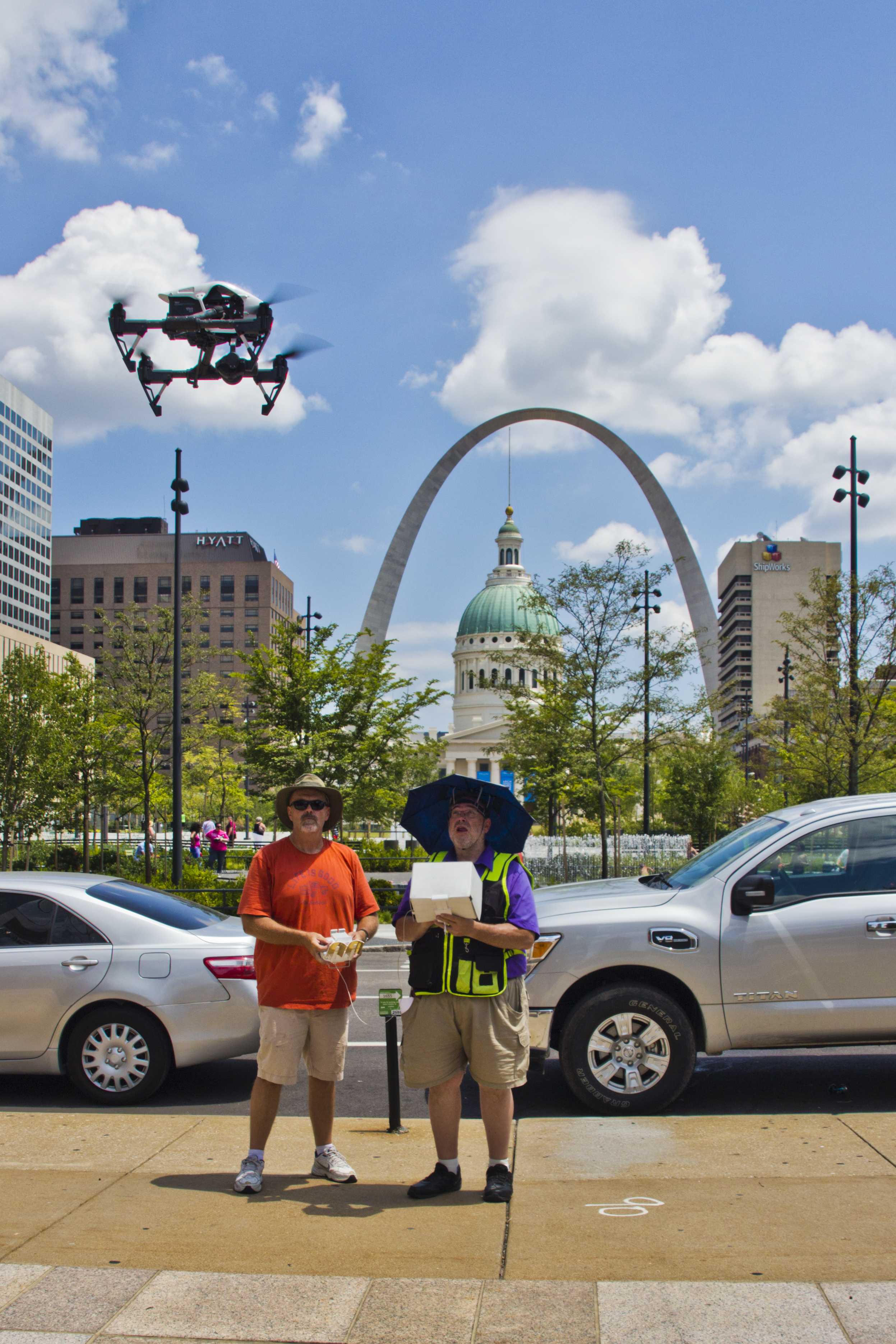
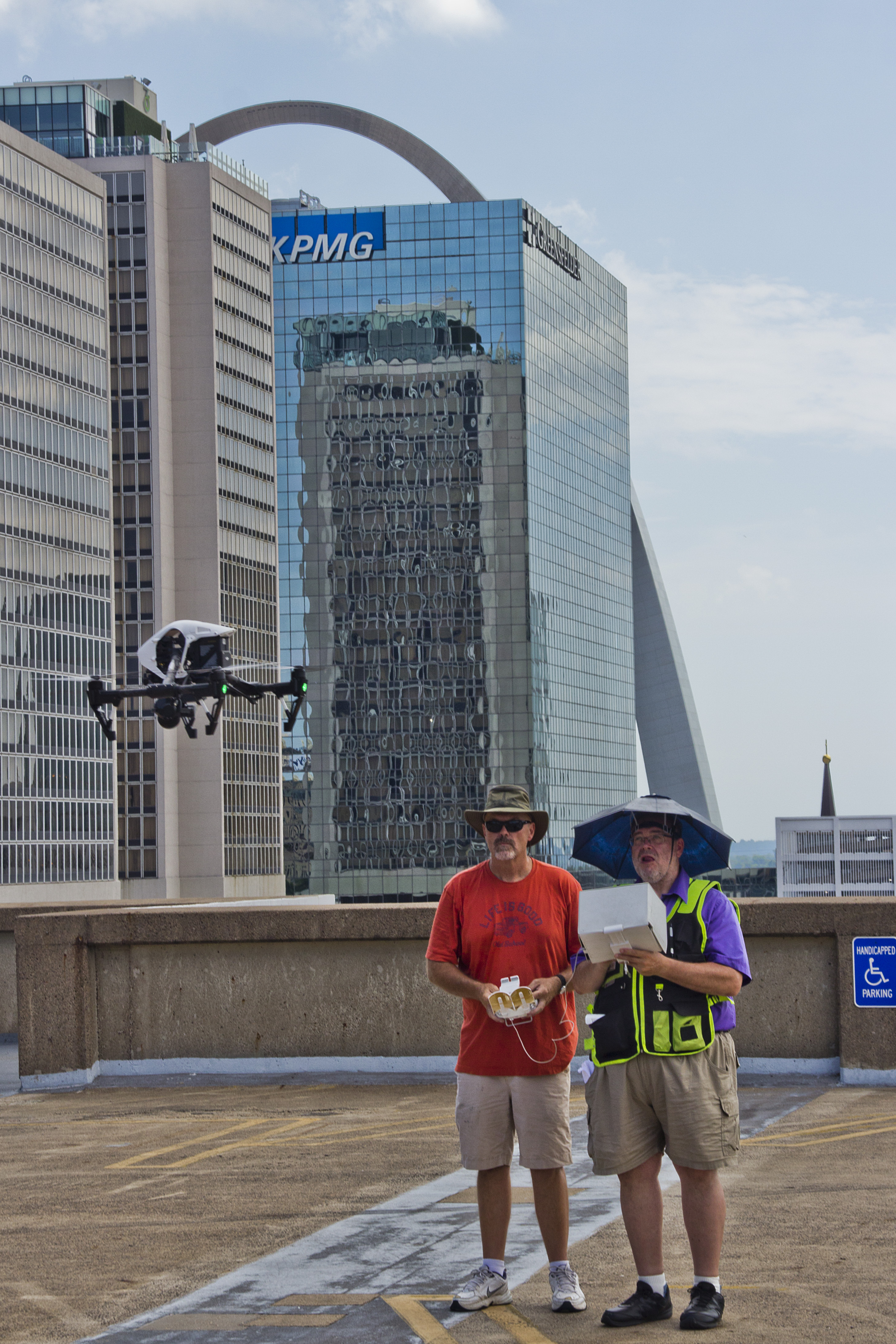
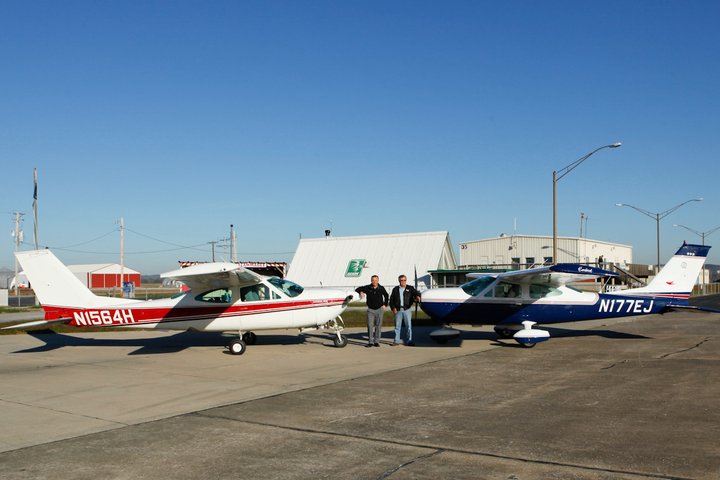
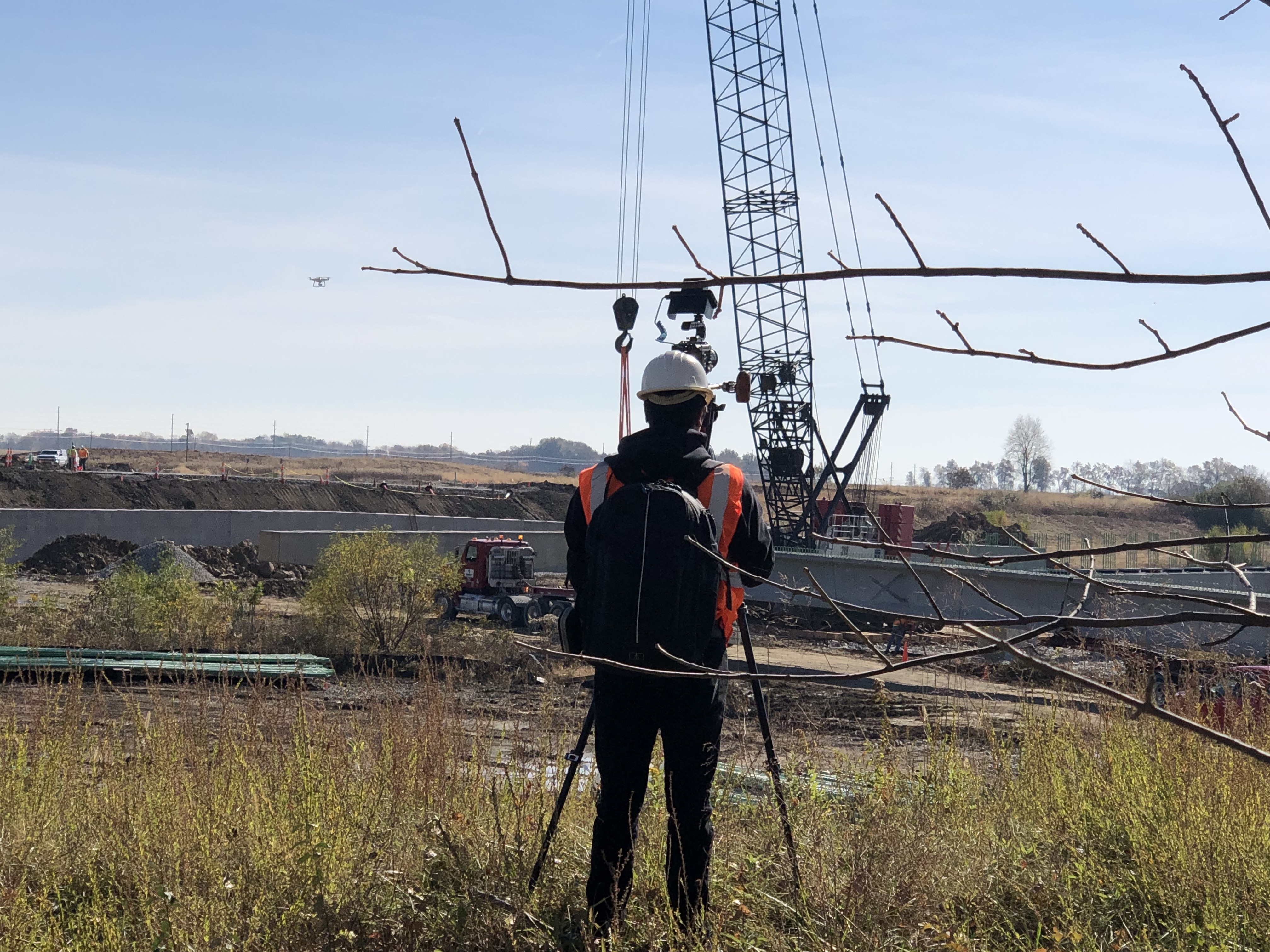
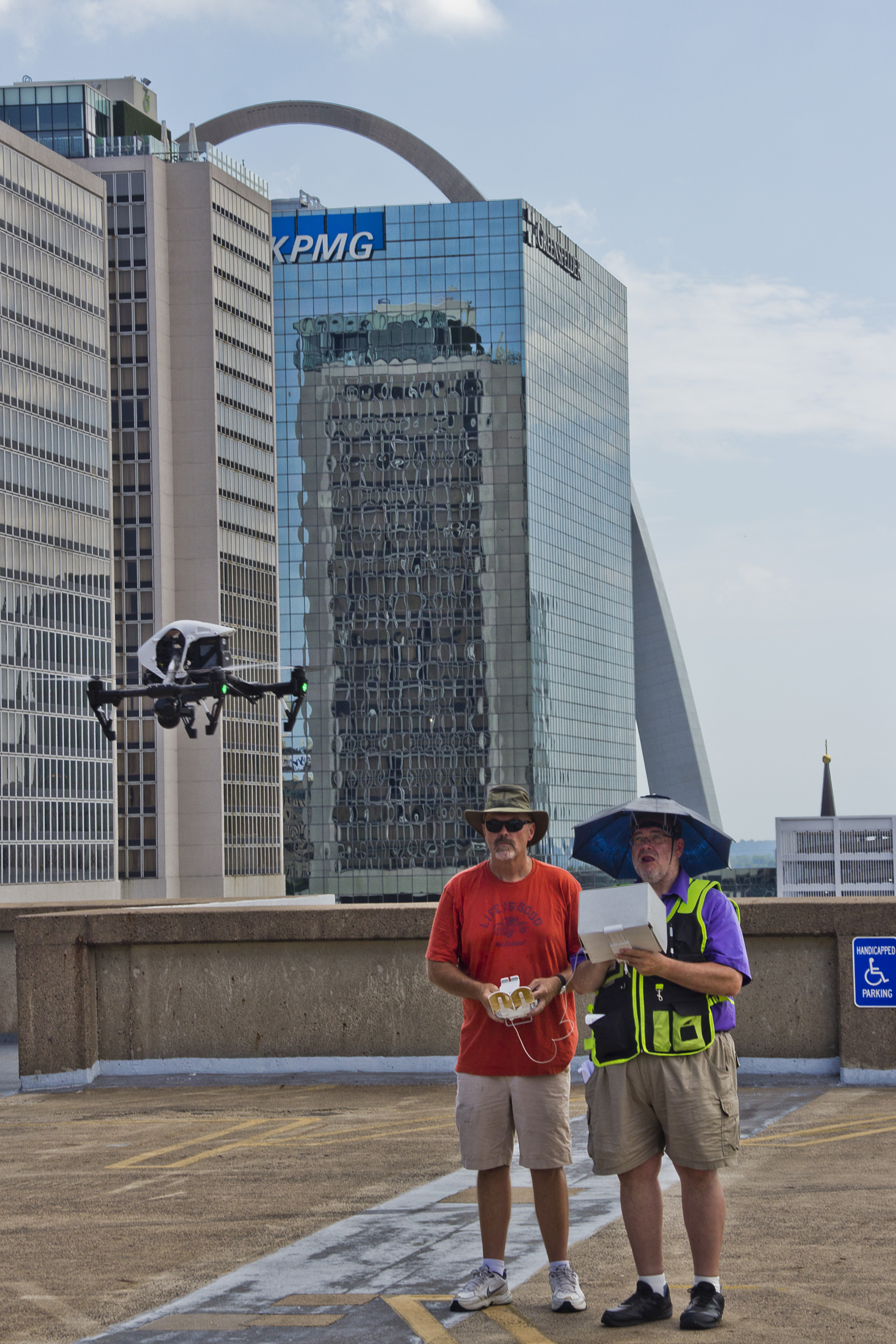
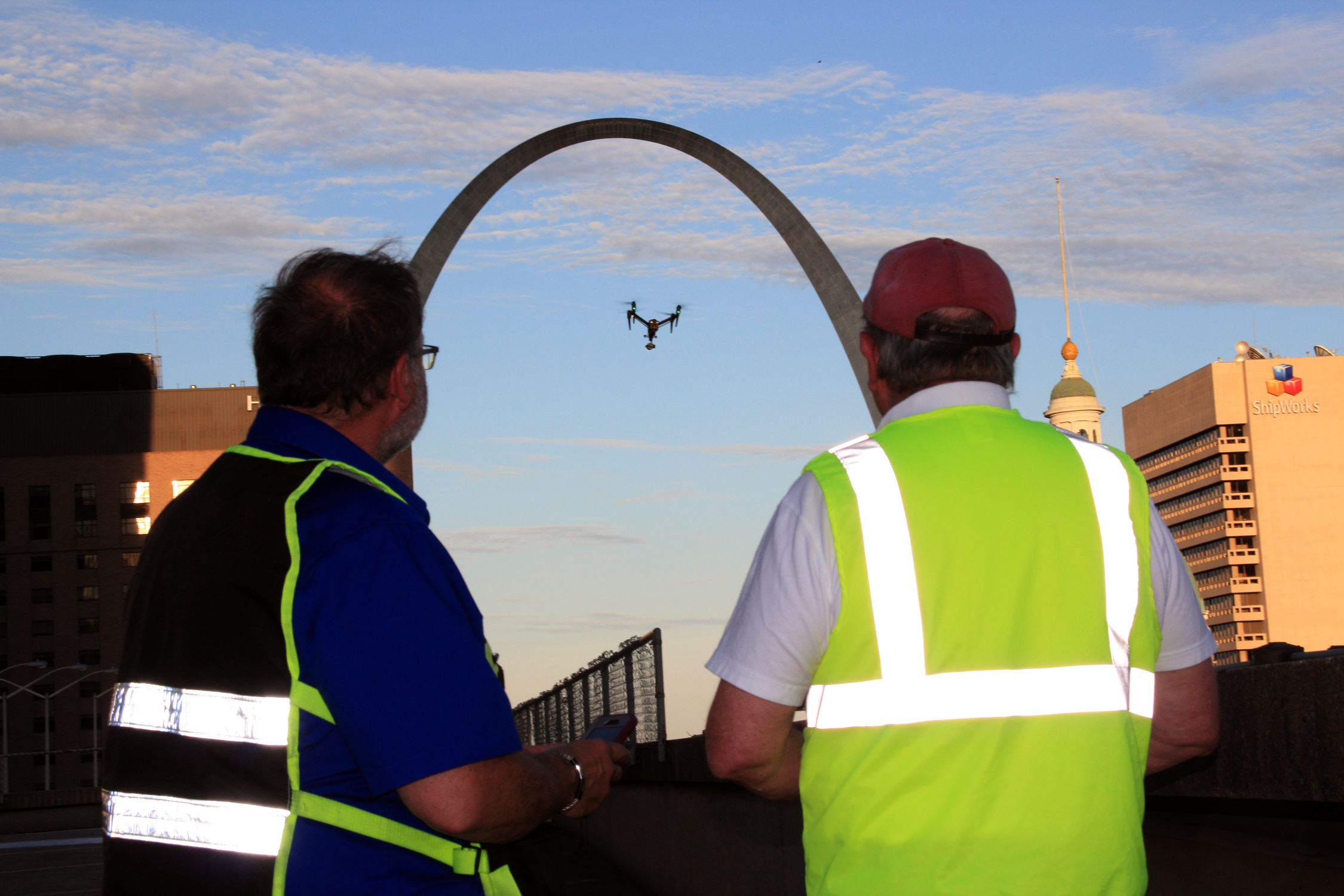
Drone crews getting ready to capture stunning aerial imagery during the enchanting times of day.

Dos

1. Plan Ahead

Before venturing out for a golden hour drone photography session, it’s essential to plan ahead. Research the location you intend to shoot and scout the area in advance. Consider the direction of the sunlight, potential obstacles, and any legal or airspace restrictions. Familiarize yourself with the local regulations, obtain necessary permissions if required, and ensure you have a clear understanding of the flight path and safety precautions.

2. Arrive Early

Arriving at your shooting location well before the golden hour begins allows you to set up your equipment, check for any last-minute adjustments, and be fully prepared to capture the perfect shots. Remember, the golden hour is a limited window of opportunity, and you don’t want to miss out on those magical moments due to technical delays or unpreparedness.

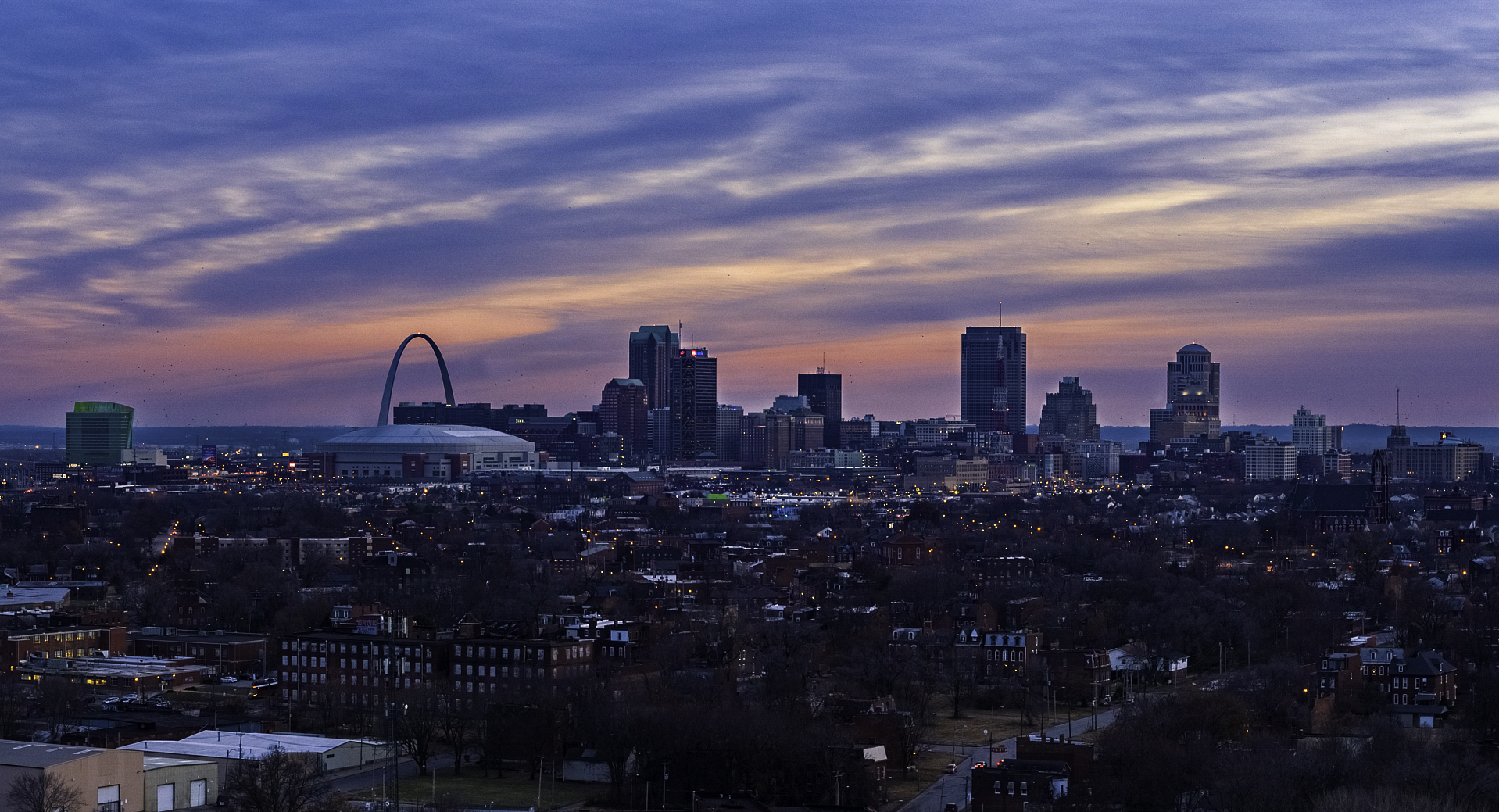
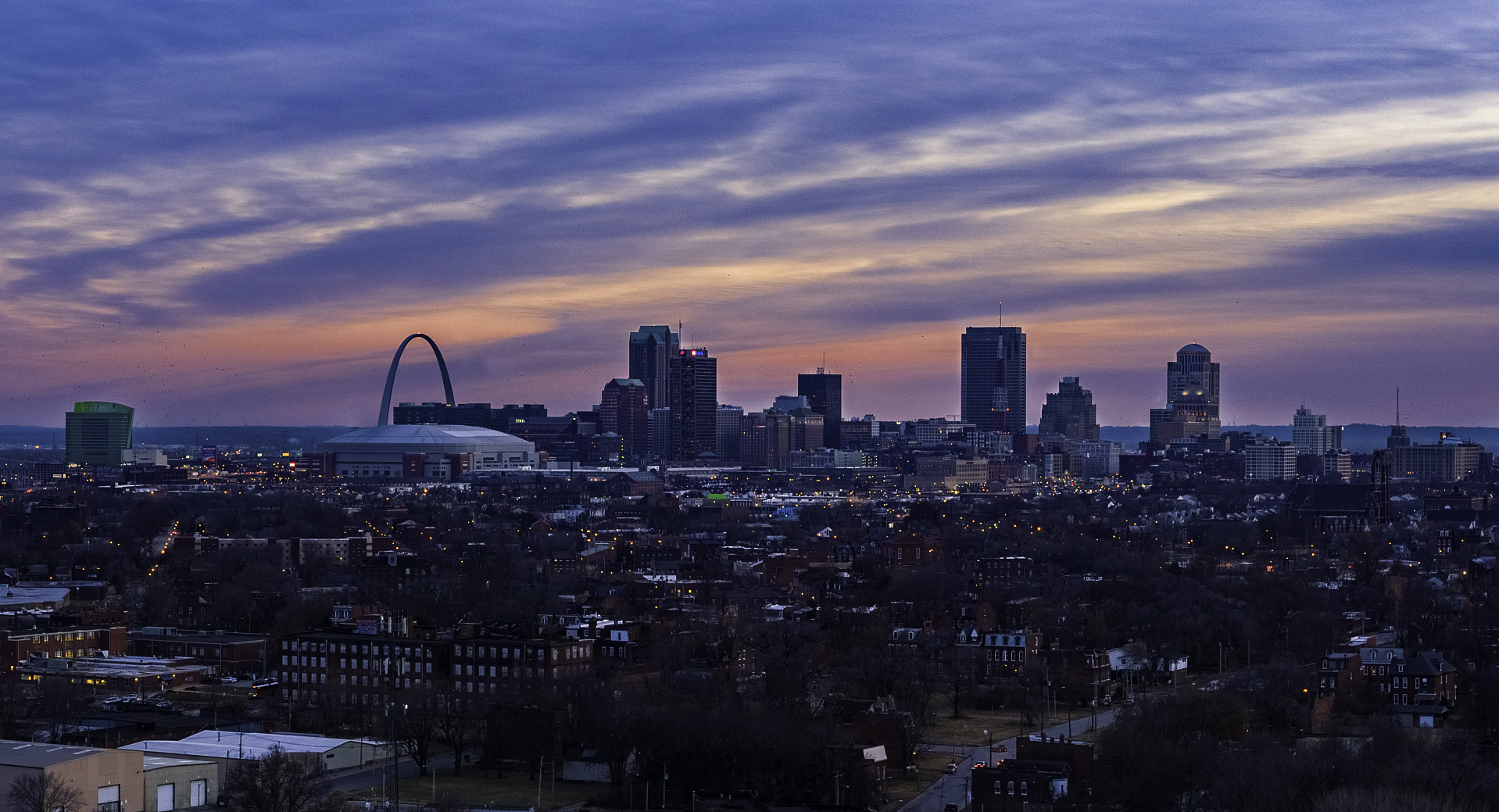
The golden hour, also known as the magic hour, refers to the period shortly after sunrise or before sunset when the light is warm, soft, and casts a golden hue over the landscape.

3. Utilize Filters

Filters are invaluable tools for enhancing your golden hour drone photography. A graduated neutral density (ND) filter, for instance, can help balance the exposure between the bright sky and the darker ground, ensuring that both areas are properly exposed. Additionally, a polarizing filter can reduce glare and increase color saturation, resulting in more vibrant and striking images. Experiment with different filters to achieve the desired effects and make your shots truly stand out.

4. Play with Composition

Composition plays a crucial role in any form of photography, and drone photography is no exception. During the golden hour, take advantage of the soft, warm light to create depth, texture, and contrast in your images. Incorporate interesting elements in the foreground to add depth and lead the viewer’s eye into the frame. Experiment with different angles, heights, and perspectives to capture unique and compelling compositions. Remember, aerial photography offers a bird’s-eye view, so make the most of it!

5. Experiment with Shadows

Shadows can add drama and depth to your golden hour drone photography. During this magical time, the elongated shadows cast by objects can create fascinating patterns and textures. Embrace the shadows and use them as a creative element in your compositions. Experiment with different angles and positions to capture intriguing interplays of light and shadow that evoke emotion and captivate your audience.

6. Maintain Smooth and Stable Movements

To achieve professional-looking footage, it’s crucial to maintain smooth and stable movements while operating your drone. Use slow and gentle maneuvers to avoid jerky or shaky footage. Utilize the drone’s built-in stabilization features or consider using additional stabilization tools such as gimbals to further enhance the stability of your shots. Smooth movements not only create a more pleasant viewing experience but also showcase your technical expertise as a drone pilot.

Don’ts

1. Ignore Safety Precautions

Safety should always be your top priority when operating a drone. It’s essential to follow all safety guidelines, regulations and best practices set forth by the Federal Aviation Administration (FAA) and local authorities. Do not overlook or disregard any safety precautions, no matter how experienced you are as a drone pilot. Familiarize yourself with the FAA rules and regulations specific to your area, such as altitude restrictions, no-fly zones, and privacy considerations. Always fly within visual line of sight and maintain a safe distance from people, buildings, and other aircraft. Ignoring safety precautions not only puts yourself and others at risk but can also lead to legal consequences and damage your professional reputation.

2. Neglect Battery Management

Battery life is a crucial aspect of drone photography, especially during the golden hour when time is limited. Neglecting battery management can result in missed opportunities and premature flight interruptions. Always ensure your drone’s batteries are fully charged before heading out for a shoot. Consider carrying spare batteries to extend your shooting time. Keep an eye on battery levels during your flight and plan your shots accordingly to ensure you have enough power to capture those stunning golden hour moments.

3. Overlook Post-Processing

Post-processing is an integral part of achieving the best results in drone photography, and golden hour shots are no exception. Don’t overlook the power of editing and enhancing your images in post-production. Use photo editing software to fine-tune exposure, adjust colors, enhance details, and remove any imperfections. However, it’s important to strike a balance and avoid excessive editing that can make your images appear unnatural. Aim for a subtle enhancement that accentuates the beauty of the golden hour light and preserves the authenticity of the scene.

4. Limit Yourself to a Single Perspective

One of the advantages of drone photography is the ability to explore various angles and perspectives. Don’t limit yourself to a single viewpoint during the golden hour. Experiment with different heights, angles, and camera movements to capture a diverse range of shots. Fly closer to your subject to emphasize details, or ascend higher to showcase a broader landscape. By exploring different perspectives, you can add visual interest and depth to your golden hour drone photography portfolio.

5. Rely Solely on Auto Mode

While modern drones offer advanced auto modes and intelligent flight features, relying solely on these modes can limit your creativity and control. Auto mode may not always accurately capture the nuances of the golden hour light or deliver the specific mood you envision. Take advantage of manual camera settings to have full control over exposure, shutter speed, ISO, and white balance. Adjusting these settings allows you to customize your shots and achieve the desired effects, resulting in more personalized and artistic golden hour drone photography.

6. Underestimate the Importance of Practice

Photography, including drone photography, is an art that requires practice and refinement. Don’t underestimate the importance of honing your skills through regular practice sessions. Familiarize yourself with your drone’s controls and flight capabilities. Experiment with different shooting techniques and compositions. The more you practice, the more confident and proficient you’ll become in capturing stunning golden hour shots. Practice also helps you anticipate and adapt to changing lighting conditions, ensuring you make the most of the fleeting golden hour moments.

St Louis Drones – Your Expert Drone Photography Partner

At St Louis Drones, we understand the allure and magic of golden hour drone photography. Our team of experienced drone photographers specializes in capturing stunning aerial imagery during this enchanting time of day. Based in St. Louis, we are a full-service video production and photography company that can cater to all your video and photography requirements.

With a team of licensed pilots who are FAA 107 compliant, we prioritize safety above all else. We are proud to be FAA approved and are committed to ensuring safe and responsible drone operations. When you choose St Louis Drones for your branding and business marketing communications needs, you

Rob Haller 314-604-6544 stlouisdrones@gmail.com
Elevate Your Video Productions with These Essential Drone Shots for A-Roll, B-Roll and Stock Footage.

As video content becomes increasingly important in today’s digital landscape, businesses and content creators are constantly seeking new ways to make their videos stand out. One of the most effective ways to do this is through the use of drone shots for B-roll footage. With the ability to capture stunning aerial views and dynamic movements, drone footage can add a level of visual interest and production value that simply can’t be achieved with traditional camera setups. In this post, we’ll cover some essential drone shots that you should consider incorporating into your B-roll footage to elevate your video production to the next level.

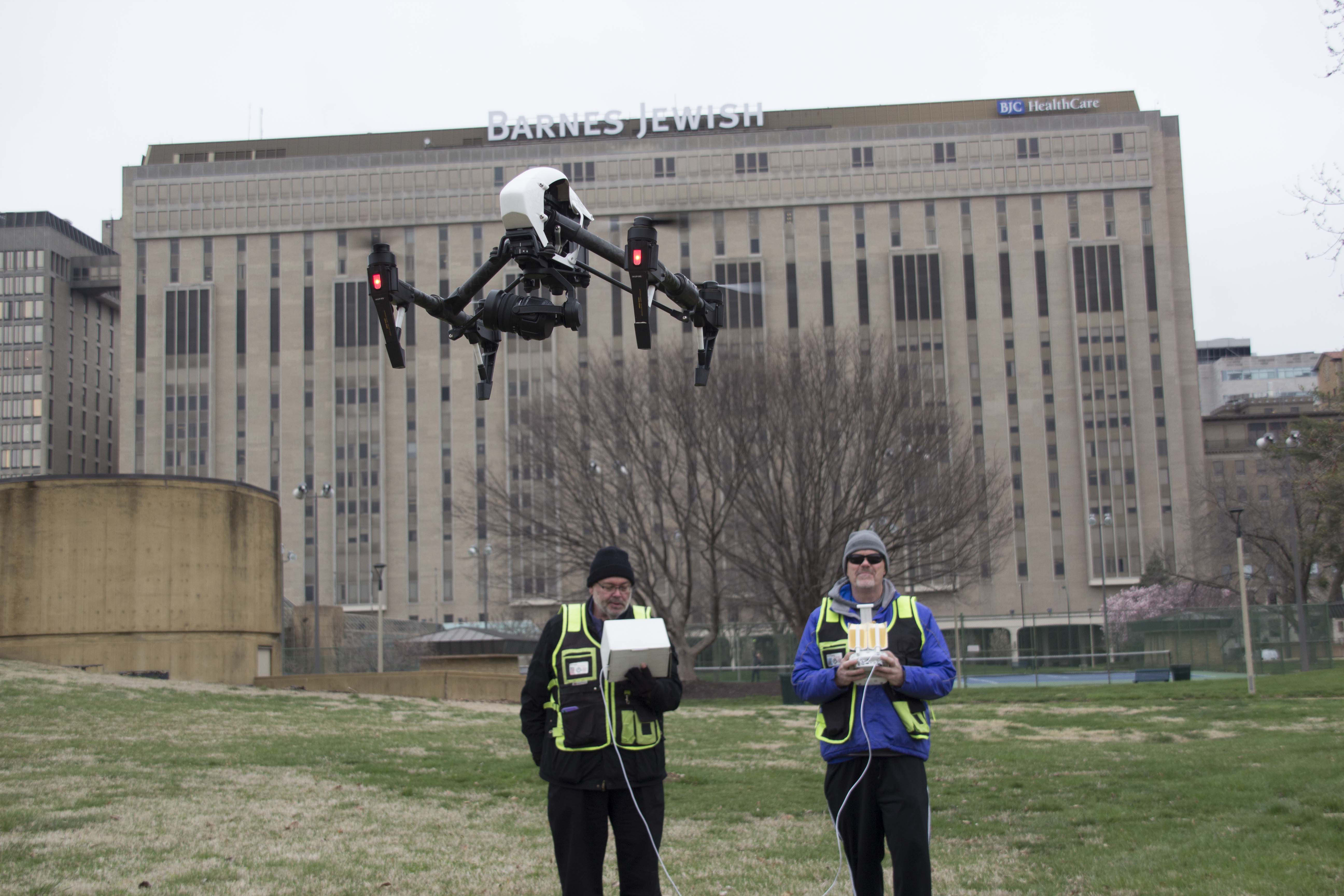
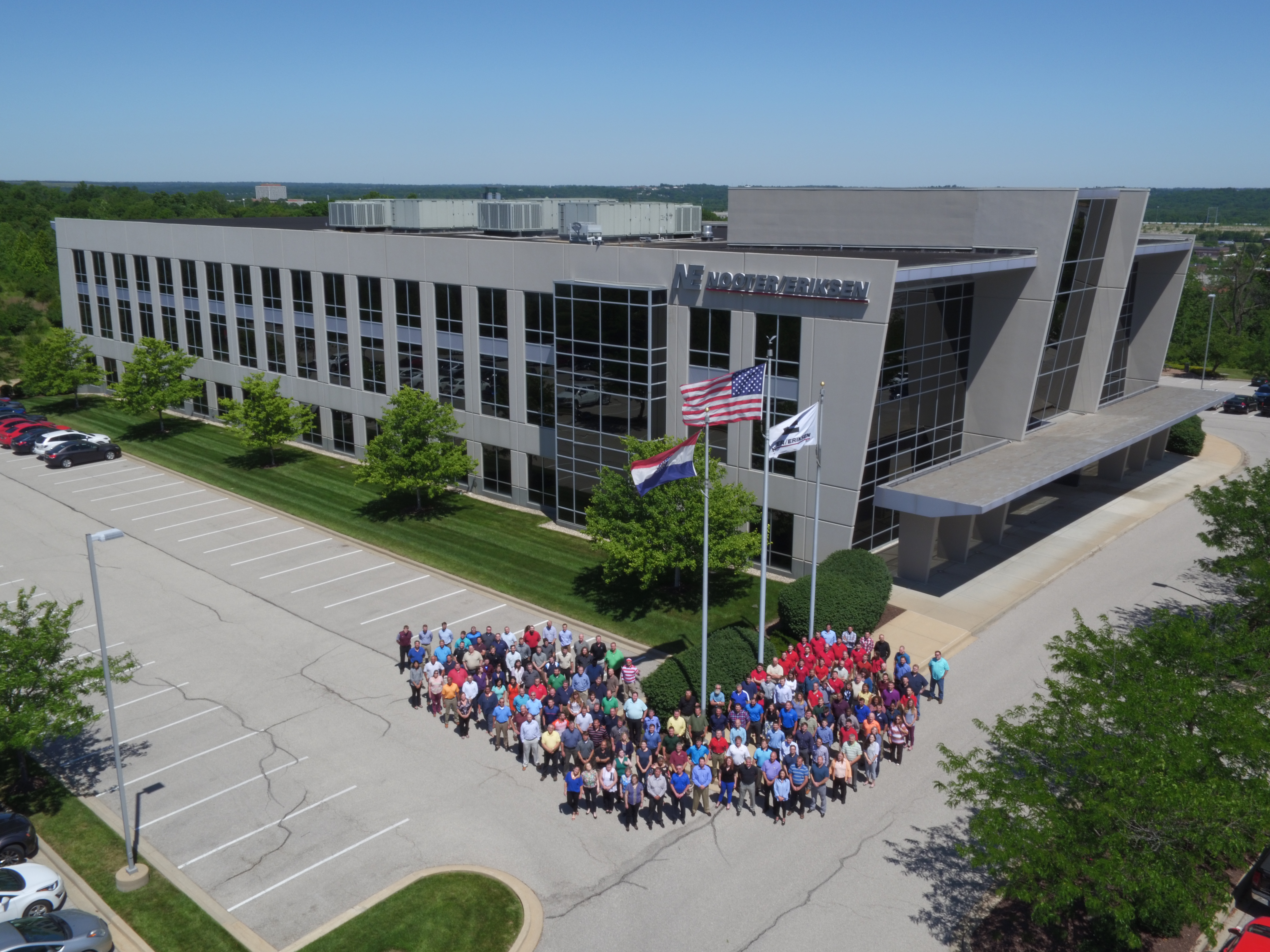
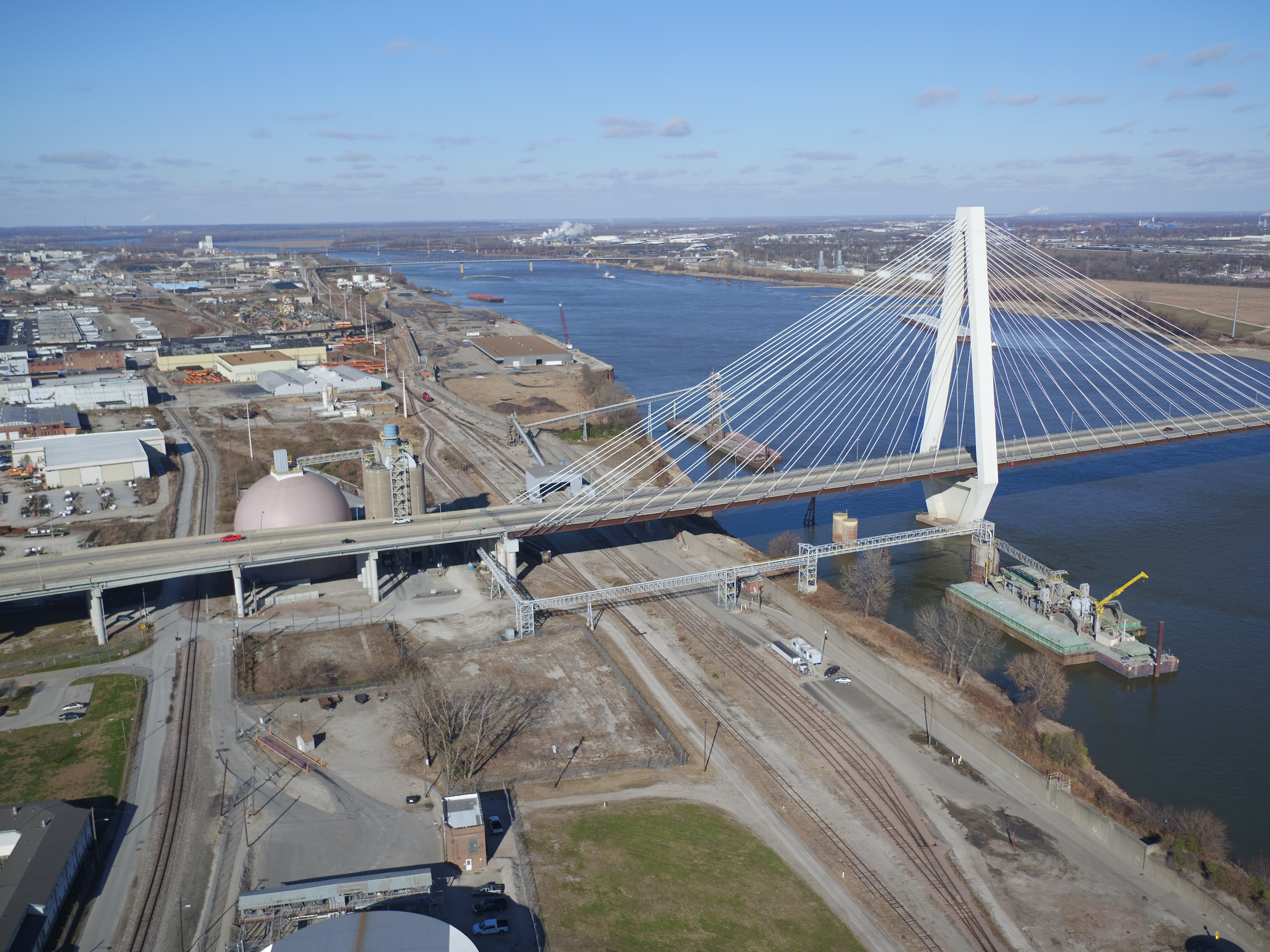
Drone Video Crews Shooting A-Roll, B-Roll and Stock Footage for Many Diverse Productions in St. Louis

Establishing Shots

First and foremost, it’s important to establish the setting of your video with a sweeping aerial shot. This can be done with a simple horizontal pan or a more complex flyover shot. Establishing shots give the viewer a sense of the overall location and can be used to set the tone for the rest of the video. For example, if you’re creating a travel vlog, an establishing shot of the destination can immediately transport the viewer to that location and set the scene for the rest of the video.

Top-Down Shots

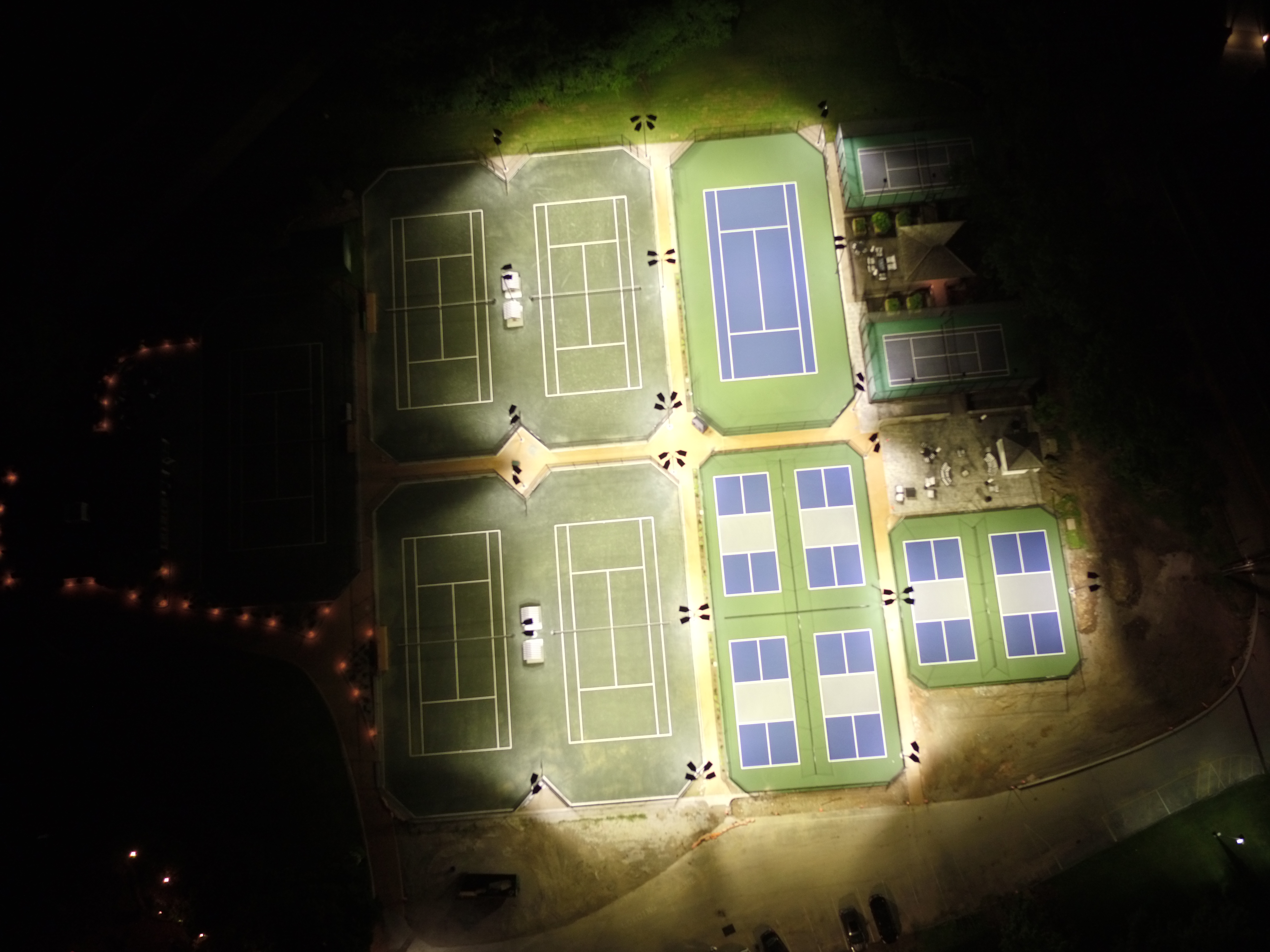
Top-down shots are an excellent way to showcase the layout and design of a location, whether it’s an interior space or an outdoor landscape. These shots can be used to show off intricate architecture, landscaping, or natural formations. Top-down shots are also great for establishing a sense of scale, as they allow viewers to see the entire area from a bird’s-eye view.

Orbit Shots

Orbit shots involve circling around a subject or location, and they’re great for showcasing a specific object or area in detail. These shots work well for both indoor and outdoor locations, and they can be used to highlight specific features or elements of a location. For example, if you’re creating a video about a new building, an orbit shot can be used to showcase the building’s design and unique features.

Flyover Shots

Flyover shots involve flying the drone over a location or subject, creating a sense of movement and direction. These shots work well for showcasing large outdoor locations such as parks, beaches, or cityscapes. Flyover shots can be used to create a cinematic feel, as the movement of the drone adds a dynamic element to the footage.

Revealing Shots

Revealing shots involve starting with a close-up shot of a subject and then pulling back to reveal the larger setting. This type of shot can be used to build anticipation or to reveal a surprise element in the video. For example, if you’re creating a video about a new restaurant, you could start with a close-up shot of the chef preparing a dish, and then reveal the restaurant’s interior as the camera pulls back.

Point of Interest Shots

Point of interest shots involve hovering the drone over a specific object or location, providing a static shot of the subject. These shots work well for showcasing intricate details or patterns, such as a close-up shot of a building’s facade or a shot of a geometric pattern in a field. Point of interest shots can also be used to highlight a specific element of a location, such as a fountain or sculpture.

Tracking Shots

Tracking shots involve following a subject as it moves through a location, creating a sense of movement and direction. These shots work well for action-oriented videos or for showcasing movement within a location, such as people walking through a city or waves crashing on a beach. Tracking shots can add a level of energy and excitement to the footage, making it more engaging for the viewer.

Conclusion

Incorporating drone shots into your B-roll footage can take your video production to the next level. With the ability to capture stunning aerial views and dynamic movements, drone footage can add a level of visual interest and production value that simply can’t be achieved with traditional camera setups. By using these essential drone shots, you can create a more immersive experience for your viewers and showcase your subject or location in a unique and visually stunning way.

It’s important to note that while drones can capture some incredible footage, they also come with their own set of challenges and safety considerations. Always make sure to follow local regulations and guidelines for drone use, and consider hiring a professional drone operator if you’re not experienced in flying drones yourself.

In conclusion, incorporating drone shots into your B-roll footage can elevate your video production and provide viewers with a more immersive experience. With the ability to capture sweeping aerial views, dynamic movements, and intricate details, drones offer a unique perspective that can set your video apart from the rest. Experiment with these essential drone shots and see how they can take your video content to the next level.

Rob Haller 314-604-6544 stlouisdrones@gmail.com