Category Archives: Uncategorized

Understanding the Legal Ownership of Your Company’s Drone Pictures

In today’s dynamic business landscape, the use of drone technology has become increasingly prevalent, offering a unique perspective for photography and videography. As an experienced video producer and drone pilot at St. Louis Drones, I’m here to shed light on a crucial aspect of this exciting realm: the legal ownership of your company’s drone pictures. In this comprehensive guide, we will explore the intricacies of drone photography and videography, addressing legal considerations, copyright issues, and how to maximize the benefits of drone imagery for your business.

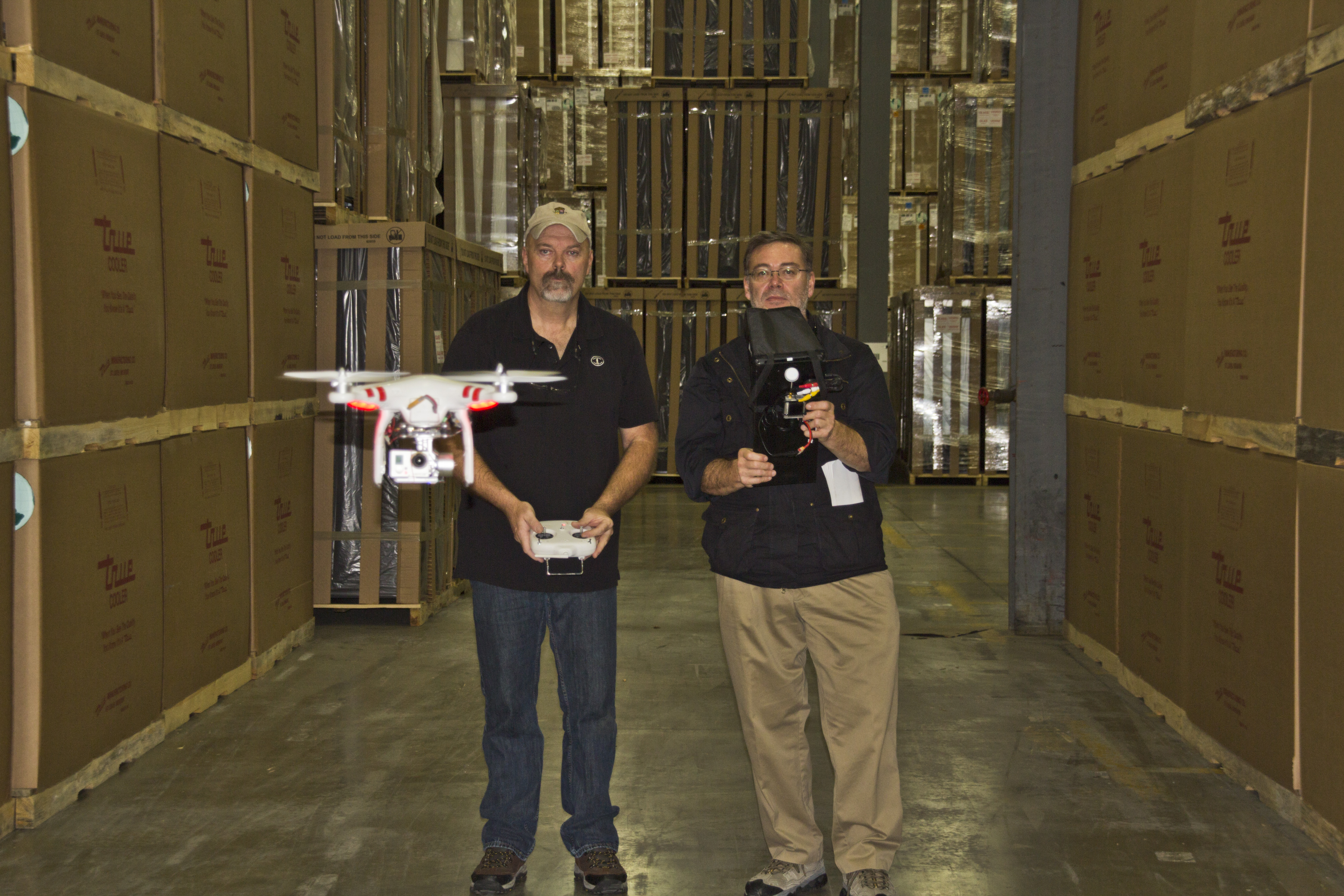
If your company hires a drone operator as an employee, the copyright usually belongs to the employer.

Table of Contents

  1. Introduction
  2. Benefits of Drone Photography and Videography
  3. Understanding Drone Ownership
  4. Legal Aspects of Drone Imagery
    • 4.1. Copyright and Intellectual Property
    • 4.2. Privacy Concerns
    • 4.3. FAA Regulations
  5. Protecting Your Drone Imagery
  6. Licensing and Usage Rights
  7. Collaborating with Professionals
  8. How St. Louis Drones Can Help
  9. Conclusion

Introduction

Drone technology has revolutionized the way we capture images and videos, providing breathtaking aerial perspectives and opening up new possibilities for creative expression. However, with this exciting technology comes a set of legal and ethical considerations that every business should be aware of.

Benefits of Drone Photography and Videography

Before delving into the legal aspects, let’s first explore the numerous advantages of using drones for photography and videography:

  • Aerial Perspectives: Drones allow you to capture stunning aerial shots that were once only achievable with expensive equipment like helicopters.
  • Cost-Effective: Drones are a cost-effective alternative to traditional aerial photography methods, making high-quality imagery accessible to a wider range of businesses.
  • Versatility: Drones can be used for various applications, including real estate photography, construction site monitoring, event coverage, and more.
  • Efficiency: With drones, you can quickly survey large areas and gather data that would be time-consuming to collect manually.

Understanding Drone Ownership

To understand the legal ownership of drone pictures, it’s essential to grasp the concept of drone ownership itself. When you purchase a drone, you are essentially acquiring the physical hardware, but not necessarily the rights to the imagery it captures.

Legal Aspects of Drone Imagery

4.1. Copyright and Intellectual Property

The first and most critical aspect of drone imagery legality revolves around copyright and intellectual property rights. In most cases, the person who operates the drone and takes the photographs or videos owns the copyright to that content. However, there are exceptions:

  • Employee Work: If your company hires a drone operator as an employee, the copyright usually belongs to the employer. It’s essential to establish clear terms regarding ownership in employment contracts.
  • Contracted Services: When hiring a third-party drone operator, the copyright typically belongs to the operator unless stated otherwise in a contract. Businesses should negotiate licensing agreements and usage rights upfront.

4.2. Privacy Concerns

Privacy is another critical consideration when using drones for photography and videography. It’s important to respect individuals’ privacy rights when capturing footage. Avoid filming in areas where people have a reasonable expectation of privacy, such as inside their homes.

4.3. FAA Regulations

The Federal Aviation Administration (FAA) in the United States has established regulations for drone operation, which include rules for commercial drone use. Businesses must comply with these regulations, which include restrictions on altitude, proximity to airports, and obtaining the appropriate licenses.

Protecting Your Drone Imagery

To protect your drone imagery and ensure you are within legal boundaries, consider the following steps:

  • Clearly define ownership and copyright in contracts with drone operators or employees.
  • Obtain necessary permissions and licenses for drone operation from relevant authorities, such as the FAA.
  • Respect individuals’ privacy and obtain consent when necessary.
  • Safeguard your drone imagery by storing it securely and implementing data protection measures.

Licensing and Usage Rights

To maximize the value of your drone imagery, it’s essential to understand licensing and usage rights. When working with drone operators or purchasing drone footage, negotiate licenses that align with your intended use. Licensing options may include:

  • Exclusive License: Grants exclusive rights to use the content for a specified period and purpose.
  • Non-Exclusive License: Allows multiple parties to use the content for different purposes simultaneously.
  • One-Time Use License: Permits a single use of the content for a specific project.
  • Royalty-Free License: Provides unlimited use of the content for a one-time fee, with some restrictions.

Understanding these licensing options will help you make informed decisions when acquiring or sharing drone imagery.

Collaborating with Professionals

Navigating the legal landscape of drone imagery can be complex. That’s where professionals like St. Louis Drones come into play. With extensive experience in both video production and drone operation, we can guide you through the legal aspects, ensuring your business operates within the boundaries of the law while harnessing the power of drone imagery.

How St. Louis Drones Can Help

St. Louis Drones is a full-service video production company based in St. Louis, Missouri, with a wealth of experience in both ground and aerial imagery. Here’s how our expertise can benefit your business:

  • Extensive Equipment Options: We offer a wide range of high-quality drones and camera equipment to meet your specific project needs, ensuring you get the best possible results.
  • Legal Guidance: We are well-versed in all aspects of location and studio video recording and photography. We can provide expert advice on copyright, licensing, and FAA regulations to help you avoid legal pitfalls.
  • Professional Team: Our team consists of experienced drone pilots, videographers, and photographers who are dedicated to delivering exceptional results for your projects.
  • Versatility: Whether you need aerial shots of your real estate listings, event coverage, or cinematic videography, we have the skills and equipment to get the job done.

As a full-service video studio, St. Louis Drones has worked with businesses of all sizes in the St. Louis area. We are experts at simultaneously shooting video and photography for your next project.

Contact us today to discuss how St. Louis Drones can elevate your photography and video projects while ensuring legal compliance. Our team is ready to turn your creative vision into stunning visual content.

Conclusion

Understanding the legal ownership of your company’s drone pictures is vital for protecting your rights and avoiding legal disputes. By considering copyright, privacy, and FAA regulations, you can harness the power of drone imagery while staying within the boundaries of the law. Collaborating with experienced professionals like St. Louis Drones ensures that your business maximizes the benefits of drone technology while navigating the legal complexities seamlessly. Don’t miss out on the incredible opportunities that drone photography and videography can offer your business—contact us today to get started on your next aerial or ground imagery project.

Rob Haller 314-604-6544 stlouisdrones@gmail.com

The Role of Drones in Small Business Marketing

In the ever-evolving landscape of marketing, small businesses are continually seeking innovative ways to capture their audience’s attention and stand out from the crowd. One such innovation that has taken the marketing world by storm is the use of drones. Drones have revolutionized the way businesses approach marketing and advertising, offering unique perspectives and creative possibilities that were previously unattainable. As an experienced drone pilot and producer at St Louis Drones since our inception in 2014, I’ve witnessed firsthand the transformative power of drones in small business marketing. In this comprehensive article, we will explore the multifaceted role that drones play in modern marketing strategies and how St Louis Drones, as a full-service video production, photography studio, and drone company based in St. Louis, can help businesses elevate their marketing efforts.
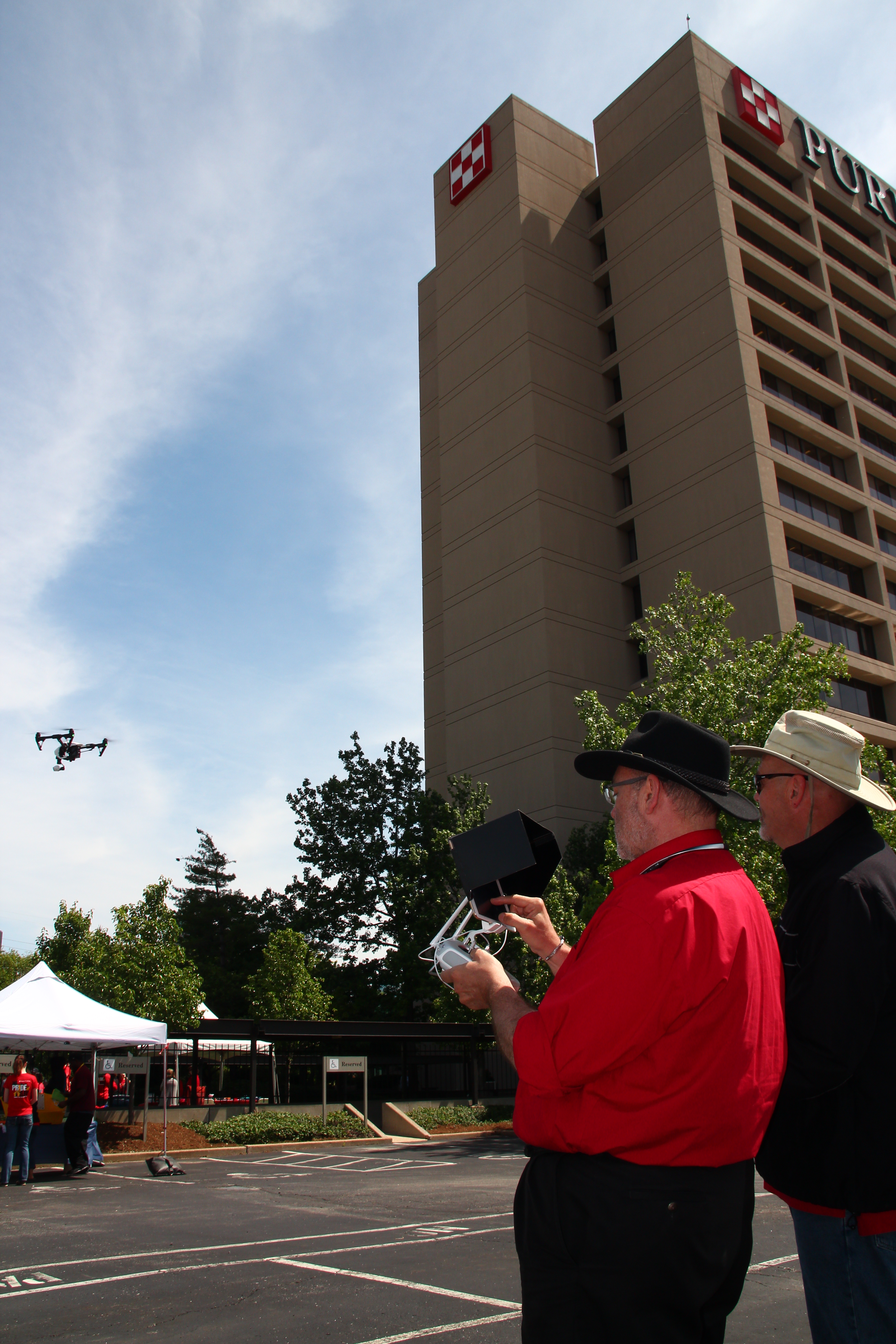
Whether it’s showcasing the journey of a product from production to delivery, revealing the behind-the-scenes of a business, or narrating a visual journey through a location, drones can add depth and emotion to the storytelling process.

Why Drones for Small Business Marketing?

1. Aerial Photography and Videography

Drones have the ability to capture stunning aerial shots and videos that provide a unique and captivating perspective. Small businesses can use these visuals to showcase their products, services, and locations in a way that traditional photography or video cannot. Whether it’s highlighting the scenic views of a restaurant’s outdoor seating area, showcasing a real estate property from the sky, or capturing the excitement of an outdoor event, aerial photography and videography offer a compelling storytelling tool.

2. Cost-Effective Marketing

Traditionally, obtaining aerial footage required hiring helicopters or airplanes, which could be prohibitively expensive for small businesses. Drones have democratized aerial imagery, making it accessible and cost-effective for businesses of all sizes. By investing in drone marketing, small businesses can achieve high-quality visuals without breaking the bank.

3. Versatility in Content Creation

Drones are versatile tools that can be used for various marketing purposes. They can capture breathtaking landscapes, create immersive 360-degree videos, and even track dynamic subjects in motion. This versatility allows small businesses to experiment with different types of content to engage their audience effectively.

4. Unparalleled Visual Impact

Aerial shots and videos often leave a lasting impression on viewers. The unique perspective and visual appeal of drone-captured content make it more likely to be shared on social media, thus increasing its reach and engagement potential. This visual impact can help small businesses gain a competitive edge in the crowded digital landscape.

5. Enhanced Storytelling

Drones enable small businesses to tell compelling stories about their brand, products, or services. Whether it’s showcasing the journey of a product from production to delivery, revealing the behind-the-scenes of a business, or narrating a visual journey through a location, drones can add depth and emotion to the storytelling process.

How St Louis Drones Can Elevate Your Marketing Strategy

At St Louis Drones, we have been at the forefront of utilizing drones in marketing and advertising campaigns since our establishment in 2014. Our expertise extends beyond drone piloting to encompass full-service video production and photography services. Here’s how we can help businesses in the St. Louis area enhance their business communications and advertising efforts:

1. A Dedicated Team of Experts

Our team consists of experienced drone pilots, videographers, photographers, and editors who are passionate about creating visually stunning content. We understand the nuances of drone technology and its applications in marketing, ensuring that your business receives the highest quality visuals.

2. Customized Content Creation

We work closely with small businesses to tailor our services to their specific needs and goals. Whether you require captivating aerial footage, engaging promotional videos, or striking product photography, we can craft content that aligns with your brand identity and marketing objectives.

3. State-of-the-Art Equipment

St Louis Drones is equipped with the latest drone technology and high-end cameras, ensuring that we capture the most breathtaking and professional-quality imagery for your marketing campaigns.

4. Regulatory Compliance

We prioritize safety and compliance with all FAA regulations. When you work with us, you can trust that your drone-related projects will adhere to all legal requirements, allowing you to focus on your marketing strategy without any concerns.

5. Editing and Post-Production

Our services extend beyond capturing footage; we excel in post-production and editing to bring your vision to life. We employ cutting-edge editing techniques to create visually appealing content that resonates with your target audience.

6. Comprehensive Marketing Support

In addition to content creation, we provide guidance on how to effectively integrate drone-captured visuals into your marketing strategy. We understand the nuances of online marketing, social media, and advertising, and we can help you leverage your drone content for maximum impact.

7. Proven Track Record

Over the years, we have worked with a diverse range of businesses and organizations of all types and sizes in the St. Louis area. Our portfolio includes successful collaborations with real estate agencies, restaurants, event organizers, and more. We have a track record of delivering exceptional results that drive business growth.

Conclusion: Elevate Your Marketing with St Louis Drones

As a creative image production company, St Louis Drones has worked with many businesses and organizations of all types and sizes in the St. Louis area. We understand the unique challenges and opportunities that small businesses face in today’s competitive market. By leveraging the power of drones and our expertise in video production and photography, we can help you unlock the full potential of your marketing efforts.

If you’re ready to take your small business marketing to new heights, both literally and figuratively, contact St Louis Drones today. Let us be your partner in creating captivating visuals that will elevate your brand, engage your audience, and drive business success.

Don’t miss out on the opportunity to harness the transformative power of drones in your marketing strategy. Contact us now and let St Louis Drones help your small business soar to new heights in the world of marketing and advertising.

Contact St Louis Drones to get started on your next marketing adventure.

314-604-6544 stlouisdrones@gmail.com

Tips for Incorporating Drone Shots in Your Video Script

By Rob Haller, Video Producer and Drone Pilot at St Louis Drones

In the ever-evolving landscape of video production, the use of drone shots has become an integral element in creating captivating and dynamic visual narratives. As a seasoned video producer and skilled drone pilot at St Louis Drones, I’ve had the privilege of witnessing firsthand how the strategic incorporation of drone shots can elevate the impact of a video project. In this article, we will delve into the art of seamlessly integrating drone shots into your video script to enhance storytelling, engage your audience, and bring a fresh perspective to your productions.

Whether you’re producing a corporate video, a travel documentary, or even a real estate tour, drone shots can help you convey the scale, context, and beauty of your subject matter.

The Power of Aerial Perspective

Drone shots offer an awe-inspiring vantage point that was once reserved for big-budget productions with access to helicopters and cranes. The ability to capture stunning aerial views not only adds a touch of grandeur to your video but also imparts a unique storytelling dimension. Whether you’re producing a corporate video, a travel documentary, or even a real estate tour, drone shots can help you convey the scale, context, and beauty of your subject matter.

Pre-Production Planning: A Crucial Phase

Incorporating drone shots effectively starts long before you launch your UAV into the sky. Thorough pre-production planning is essential to ensure that your drone shots align seamlessly with your video’s narrative. Here are some key steps to consider:

1. Define Your Storytelling Objectives

Identify the purpose of incorporating drone shots into your video. Are you looking to establish a sense of location, emphasize the environment, or create a breathtaking opening sequence? Understanding your objectives will guide the placement and timing of your drone shots.

2. Storyboarding

Craft a detailed storyboard that outlines the flow of your video. This includes identifying specific scenes where drone shots will complement the narrative. Consider factors such as camera movement, shot duration, and transitions between aerial and ground-level shots.

3. Location Scouting

Scout potential shooting locations to assess their feasibility for drone operations. Ensure compliance with local regulations and airspace restrictions. Additionally, evaluate the lighting conditions, natural landmarks, and potential obstacles that may impact your shots.

4. Weather Monitoring

Weather conditions significantly impact drone operations and the quality of your shots. Keep a close eye on weather forecasts, wind speeds, and other environmental factors that might affect your ability to capture stable and visually appealing footage.

Crafting the Perfect Drone Shot

Once your pre-production groundwork is complete, it’s time to take flight and capture those breathtaking aerial shots. Here are some tips to help you create compelling drone footage:

1. Focus on Movement

Utilize the unique movement capabilities of drones to your advantage. Experiment with gradual and sweeping movements that showcase the environment and subject in a dynamic way. Avoid abrupt changes in direction that could disorient the viewer.

2. Master the Art of Composition

Composition remains crucial in drone photography, just as it does in traditional photography. Adhere to the rule of thirds, leading lines, and framing techniques to create visually pleasing shots. Incorporate foreground elements to add depth and perspective to your scenes.

3. Transitions and Continuity

Maintain a seamless flow between your drone shots and ground-level footage. Use creative transitions, such as matching movement directions, to smoothly connect different perspectives. Consistency in color grading and visual style also contributes to visual coherence.

4. Golden Hours are Your Allies

The golden hours—shortly after sunrise and before sunset—offer the most favorable lighting conditions for capturing stunning drone shots. The soft, warm light enhances textures, reduces harsh shadows, and adds a magical touch to your footage.

Elevate Your Storytelling with Aerial Footage

Incorporating drone shots into your video script is more than just an aesthetic choice; it’s a strategic decision that can greatly enhance your storytelling capabilities. From providing a bird’s-eye view of vast landscapes to adding a touch of drama to your narrative, drone shots offer endless creative opportunities.

At St Louis Drones, we specialize in leveraging the power of drone shots to elevate the impact of your video productions. Based in St. Louis, our full-service video production company is equipped to handle all your video production and editing requirements. Our experienced team is well-versed in all aspects of video production, catering to a diverse range of multimedia projects.

Over the years, St Louis Drones has successfully executed hundreds of video projects for businesses and organizations of all sizes across the St. Louis region. Our commitment to excellence, attention to detail, and creative vision set us apart as a reliable partner in bringing your video concepts to life.

Ready to Transform Your Video Production? Contact St Louis Drones Today!

Whether you’re aiming to enhance your personal brand or improve your business communications, our team at St Louis Drones is here to help. With our expertise in drone shots, video production, and editing, we’re dedicated to delivering captivating visual experiences that leave a lasting impact on your audience.

Contact us today to learn more about our services and how we can take your video projects to new heights.

As you embark on your journey to incorporate drone shots into your video script, remember that each shot should serve a purpose and contribute to the overall narrative. By combining technical precision with creative flair, you can harness the full potential of drone shots to captivate, inform, and inspire your viewers.

Rob Haller 314-604-6544 stlouisdrones@gmail.com

Enhancing Live Event Experiences with Drone Technology

Are you looking to take your live events to the next level? With the rapid advancement of technology, drones have emerged as a game-changer in the world of video production and live event coverage. At St Louis Drones, we pride ourselves on being expert drone pilots and video producers, equipped to bring your events to life in ways you’ve never imagined.

Capture stunning aerial shots for a corporate event or create a captivating promotional video with FPV or traditional drones.

Why Drones for Live Events?

Drones have revolutionized the way we capture and experience live events. From sports tournaments and concerts to corporate gatherings and weddings, these unmanned aerial vehicles have opened up new possibilities for event organizers, businesses, and individuals alike. Here are some key reasons why drone technology has become an indispensable tool for enhancing live event experiences:

1. Unmatched Aerial Perspectives

Drones provide the unique ability to capture breathtaking aerial views that were once reserved only for helicopter shots. Whether it’s showcasing the grandeur of a stadium filled with cheering fans or offering a bird’s-eye view of a picturesque wedding venue, aerial perspectives add a cinematic touch that is bound to impress your audience.

2. Dynamic and Engaging Footage

Gone are the days of static camera angles. Drones allow for dynamic and engaging footage, as they can smoothly maneuver through different vantage points. This versatility enables videographers to create visually stunning and captivating content that keeps viewers hooked from start to finish.

3. Enhanced Event Promotion

A well-produced drone video can serve as a powerful promotional tool for your live events. Sharing captivating aerial teasers on social media platforms can generate excitement and anticipation among your audience, ultimately boosting attendance and engagement.

4. Improved Branding and Image

For businesses, a professionally produced drone video can elevate your brand image and reputation. It demonstrates your commitment to innovation and creativity, setting you apart from competitors who rely on conventional event coverage methods.

5. Unobtrusive Filming

Traditional event coverage methods often require bulky equipment and intrusive setups, potentially hindering the natural flow of the event. Drones, on the other hand, offer a non-intrusive way to capture every moment without disrupting the live event’s atmosphere.

6. Cost-Effective Solutions

In the past, capturing aerial footage required significant resources, such as hiring helicopters or planes. Drones offer a cost-effective alternative, making stunning aerial shots accessible to events of all scales and budgets.

Why Choose St Louis Drones for Your Live Events?

At St Louis Drones, we are not just drone enthusiasts; we are experienced drone pilots and skilled video producers dedicated to delivering top-notch video production services for live events. Here’s what sets us apart from the rest:

1. Expertise and Experience

Our team consists of experienced drone pilots and video producers who have mastered the art of capturing captivating aerial footage. With years of hands-on experience, we have honed our skills to provide you with the best possible results.

2. Comprehensive Services

As a full-service drone and ground video production company based in St. Louis, we offer a wide range of services to cater to all your video production needs. From aerial cinematography and photography to ground-level video capture and editing, we’ve got you covered.

3. Cutting-Edge Equipment

We take pride in using the latest drone technology and high-quality camera equipment to ensure that the footage we capture is nothing short of extraordinary. Our state-of-the-art drones are equipped with stabilizing mechanisms to guarantee smooth and steady shots.

4. Creativity and Innovation

At St Louis Drones, we thrive on creativity and innovation. We approach each live event with a fresh perspective, seeking unique angles and shots that will make your event truly stand out.

5. Tailored Solutions

We understand that every event is different, and one size does not fit all. Our team works closely with you to understand your specific requirements and vision for the event coverage, ensuring that the final product aligns perfectly with your expectations.

6. Proven Track Record

Over the years, we have had the privilege of working with a wide array of large and small companies in the St. Louis region. Our portfolio boasts hundreds of successful live event drone productions, making us a trusted choice for event organizers and businesses alike.

How St Louis Drones Can Help Your Branding and Business Marketing Communications Needs

As experienced videographers and producers, St Louis Drones has created hundreds of live event drone productions for all types of large and small companies in the St. Louis region. Whether you’re looking to capture stunning aerial shots for a corporate event or create a captivating promotional video for your brand, we have the expertise and resources to make it happen.

By incorporating drone technology into your live event coverage, you can elevate the overall experience for your attendees and engage a wider audience through compelling video content. Our team will work closely with you to understand your goals and objectives, ensuring that the final product aligns perfectly with your branding and marketing communications needs.

Don’t miss out on the opportunity to enhance your live events with the power of drone technology. Contact St Louis Drones today to discuss your requirements and discover how we can take your events to new heights!

Experience the difference with St Louis Drones – your trusted partner for top-tier drone video production, photography, and editing services in St. Louis and beyond.

314-604-6544 stlouisdrones@gmail.com

The Dos and Don’ts of Golden Hour Drone Photography for Stunning Results

Capture the Golden Hour Magic with Your Drone!

The beauty of aerial photography has been revolutionized by the emergence of drones. These versatile flying machines have opened up a whole new world of possibilities, allowing photographers to capture breathtaking shots from unique perspectives. One of the most enchanting times to take your drone to the sky is during the golden hour. The golden hour, also known as the magic hour, refers to the period shortly after sunrise or before sunset when the light is warm, soft, and casts a golden hue over the landscape. To help you make the most of this magical time, we’ve compiled a comprehensive guide on the dos and don’ts of golden hour drone photography. So grab your drone, set your alarm, and get ready to create stunning aerial imagery!

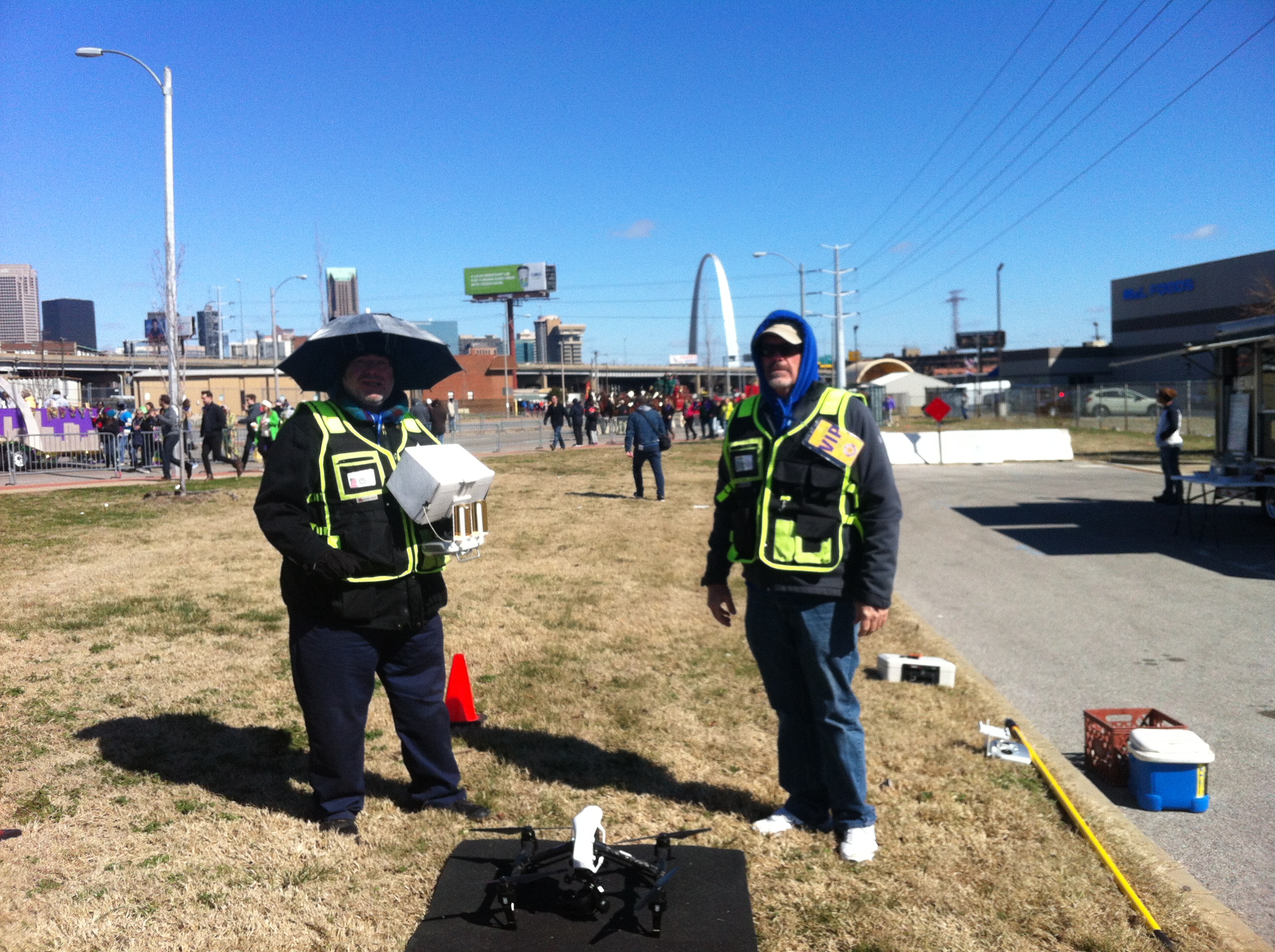
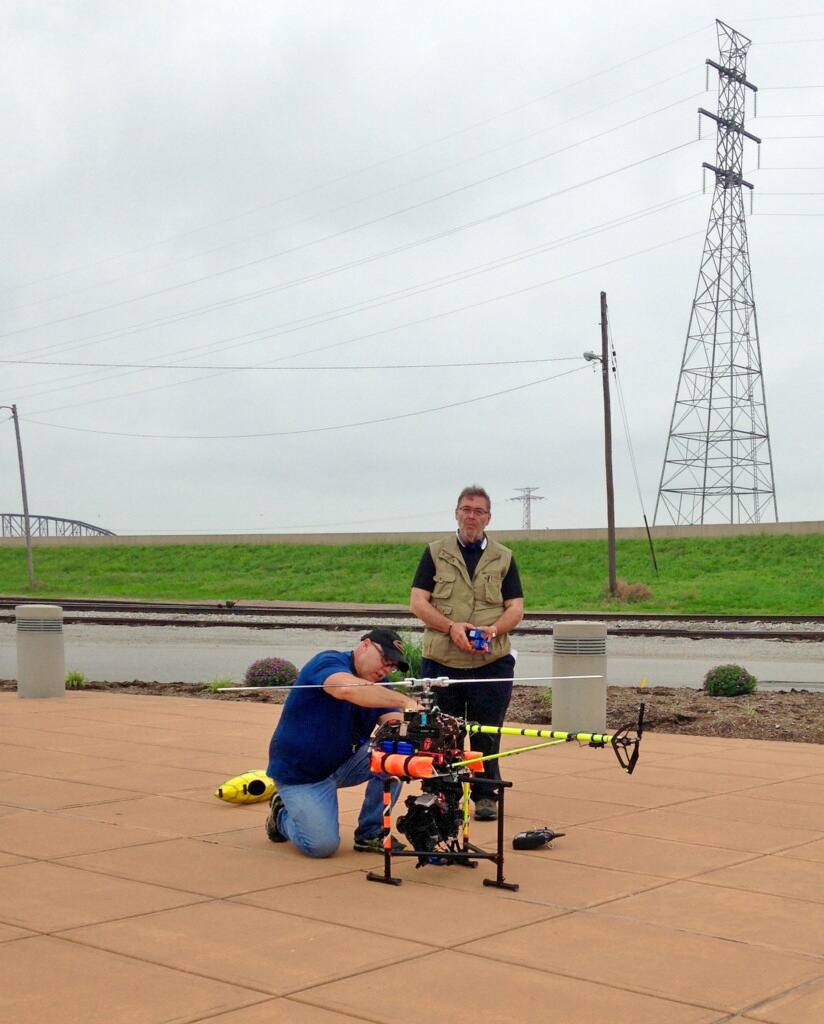
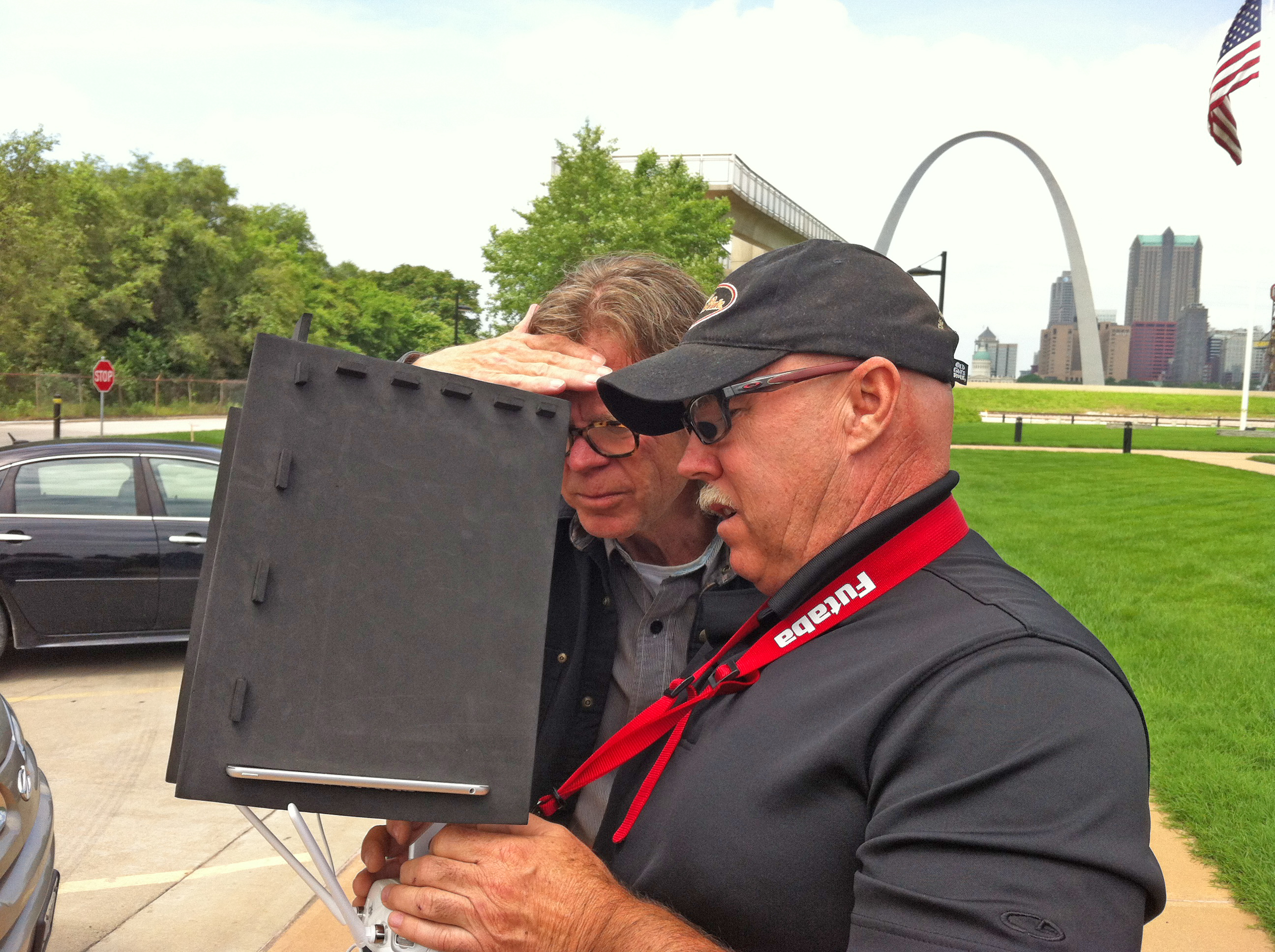
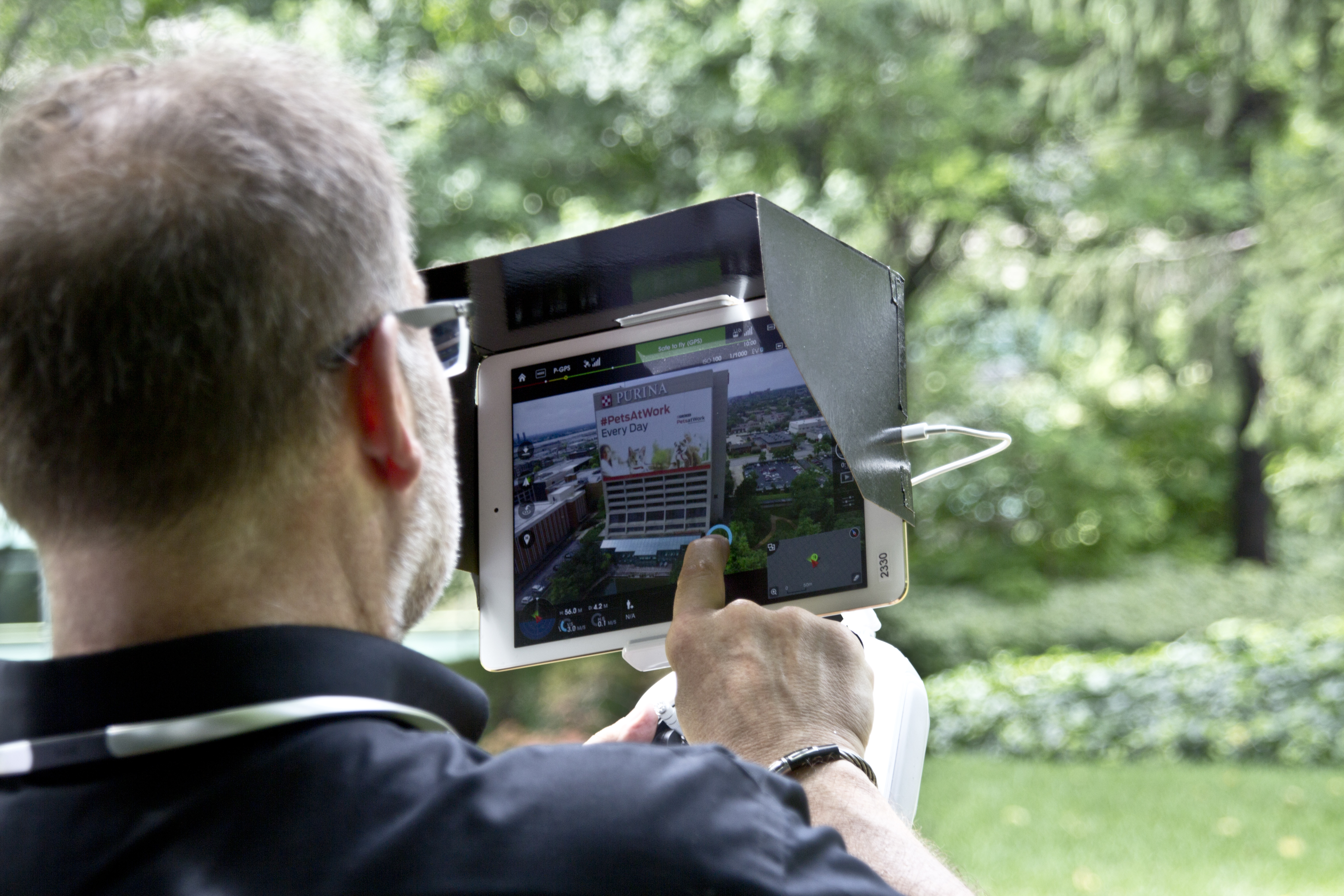
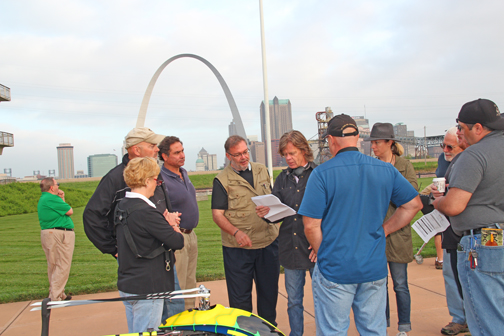
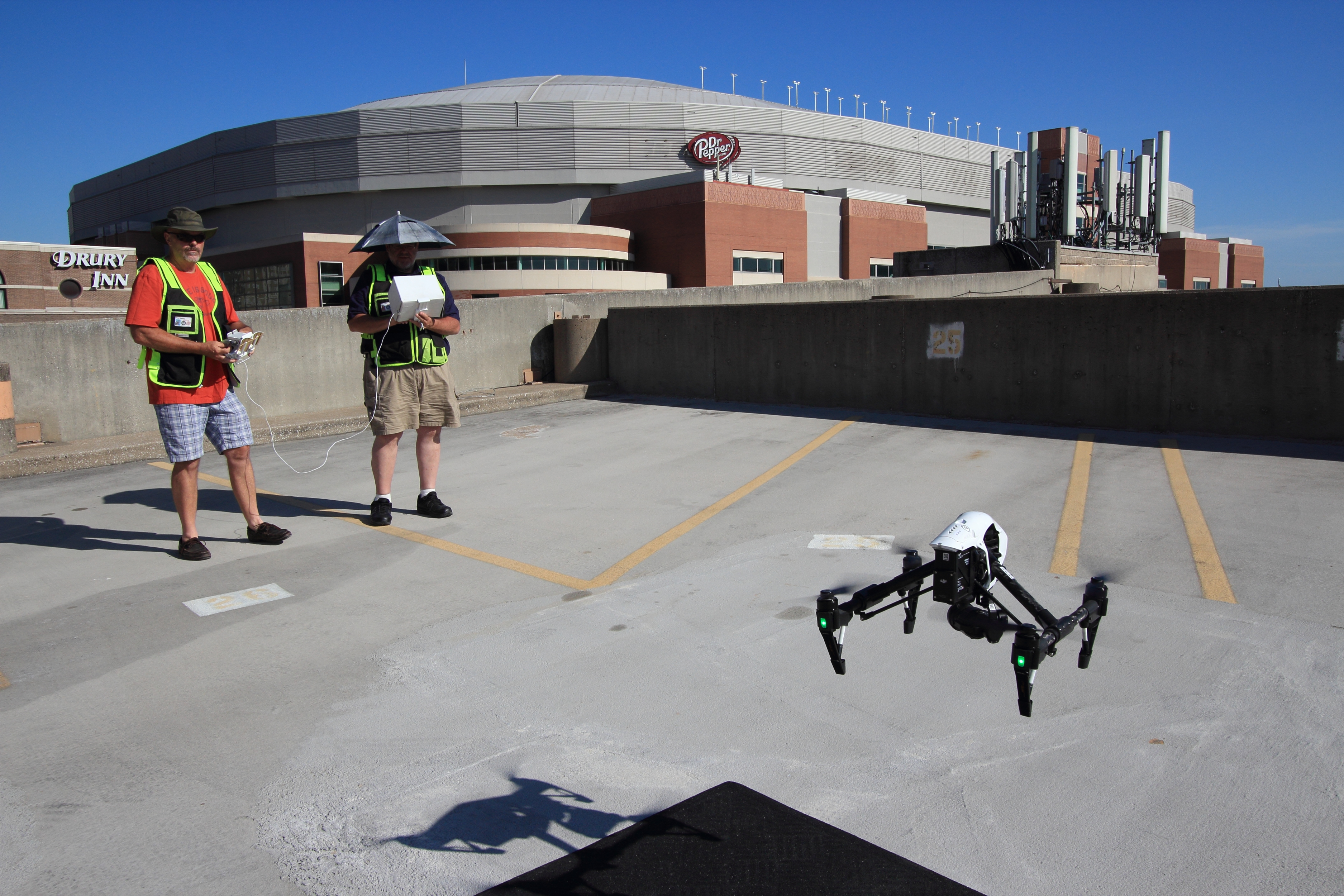
Drone crews getting ready to capture stunning aerial imagery during the enchanting times of day.

Dos

1. Plan Ahead

Before venturing out for a golden hour drone photography session, it’s essential to plan ahead. Research the location you intend to shoot and scout the area in advance. Consider the direction of the sunlight, potential obstacles, and any legal or airspace restrictions. Familiarize yourself with the local regulations, obtain necessary permissions if required, and ensure you have a clear understanding of the flight path and safety precautions.

2. Arrive Early

Arriving at your shooting location well before the golden hour begins allows you to set up your equipment, check for any last-minute adjustments, and be fully prepared to capture the perfect shots. Remember, the golden hour is a limited window of opportunity, and you don’t want to miss out on those magical moments due to technical delays or unpreparedness.

The golden hour, also known as the magic hour, refers to the period shortly after sunrise or before sunset when the light is warm, soft, and casts a golden hue over the landscape.

3. Utilize Filters

Filters are invaluable tools for enhancing your golden hour drone photography. A graduated neutral density (ND) filter, for instance, can help balance the exposure between the bright sky and the darker ground, ensuring that both areas are properly exposed. Additionally, a polarizing filter can reduce glare and increase color saturation, resulting in more vibrant and striking images. Experiment with different filters to achieve the desired effects and make your shots truly stand out.

4. Play with Composition

Composition plays a crucial role in any form of photography, and drone photography is no exception. During the golden hour, take advantage of the soft, warm light to create depth, texture, and contrast in your images. Incorporate interesting elements in the foreground to add depth and lead the viewer’s eye into the frame. Experiment with different angles, heights, and perspectives to capture unique and compelling compositions. Remember, aerial photography offers a bird’s-eye view, so make the most of it!

5. Experiment with Shadows

Shadows can add drama and depth to your golden hour drone photography. During this magical time, the elongated shadows cast by objects can create fascinating patterns and textures. Embrace the shadows and use them as a creative element in your compositions. Experiment with different angles and positions to capture intriguing interplays of light and shadow that evoke emotion and captivate your audience.

6. Maintain Smooth and Stable Movements

To achieve professional-looking footage, it’s crucial to maintain smooth and stable movements while operating your drone. Use slow and gentle maneuvers to avoid jerky or shaky footage. Utilize the drone’s built-in stabilization features or consider using additional stabilization tools such as gimbals to further enhance the stability of your shots. Smooth movements not only create a more pleasant viewing experience but also showcase your technical expertise as a drone pilot.

Don’ts

1. Ignore Safety Precautions

Safety should always be your top priority when operating a drone. It’s essential to follow all safety guidelines, regulations and best practices set forth by the Federal Aviation Administration (FAA) and local authorities. Do not overlook or disregard any safety precautions, no matter how experienced you are as a drone pilot. Familiarize yourself with the FAA rules and regulations specific to your area, such as altitude restrictions, no-fly zones, and privacy considerations. Always fly within visual line of sight and maintain a safe distance from people, buildings, and other aircraft. Ignoring safety precautions not only puts yourself and others at risk but can also lead to legal consequences and damage your professional reputation.

2. Neglect Battery Management

Battery life is a crucial aspect of drone photography, especially during the golden hour when time is limited. Neglecting battery management can result in missed opportunities and premature flight interruptions. Always ensure your drone’s batteries are fully charged before heading out for a shoot. Consider carrying spare batteries to extend your shooting time. Keep an eye on battery levels during your flight and plan your shots accordingly to ensure you have enough power to capture those stunning golden hour moments.

3. Overlook Post-Processing

Post-processing is an integral part of achieving the best results in drone photography, and golden hour shots are no exception. Don’t overlook the power of editing and enhancing your images in post-production. Use photo editing software to fine-tune exposure, adjust colors, enhance details, and remove any imperfections. However, it’s important to strike a balance and avoid excessive editing that can make your images appear unnatural. Aim for a subtle enhancement that accentuates the beauty of the golden hour light and preserves the authenticity of the scene.

4. Limit Yourself to a Single Perspective

One of the advantages of drone photography is the ability to explore various angles and perspectives. Don’t limit yourself to a single viewpoint during the golden hour. Experiment with different heights, angles, and camera movements to capture a diverse range of shots. Fly closer to your subject to emphasize details, or ascend higher to showcase a broader landscape. By exploring different perspectives, you can add visual interest and depth to your golden hour drone photography portfolio.

5. Rely Solely on Auto Mode

While modern drones offer advanced auto modes and intelligent flight features, relying solely on these modes can limit your creativity and control. Auto mode may not always accurately capture the nuances of the golden hour light or deliver the specific mood you envision. Take advantage of manual camera settings to have full control over exposure, shutter speed, ISO, and white balance. Adjusting these settings allows you to customize your shots and achieve the desired effects, resulting in more personalized and artistic golden hour drone photography.

6. Underestimate the Importance of Practice

Photography, including drone photography, is an art that requires practice and refinement. Don’t underestimate the importance of honing your skills through regular practice sessions. Familiarize yourself with your drone’s controls and flight capabilities. Experiment with different shooting techniques and compositions. The more you practice, the more confident and proficient you’ll become in capturing stunning golden hour shots. Practice also helps you anticipate and adapt to changing lighting conditions, ensuring you make the most of the fleeting golden hour moments.

St Louis Drones – Your Expert Drone Photography Partner

At St Louis Drones, we understand the allure and magic of golden hour drone photography. Our team of experienced drone photographers specializes in capturing stunning aerial imagery during this enchanting time of day. Based in St. Louis, we are a full-service video production and photography company that can cater to all your video and photography requirements.

With a team of licensed pilots who are FAA 107 compliant, we prioritize safety above all else. We are proud to be FAA approved and are committed to ensuring safe and responsible drone operations. When you choose St Louis Drones for your branding and business marketing communications needs, you

Rob Haller 314-604-6544 stlouisdrones@gmail.com

Why Your Drone Pre-Flight Checklist Should Go Beyond the Basics for Your Video Productions

Drone technology has revolutionized the world of videography, enabling filmmakers and content creators to capture stunning aerial shots that were previously only possible with expensive helicopters or cranes. However, flying a drone and capturing great footage is not as simple as it may seem. It requires careful planning, attention to detail, and adherence to safety protocols to ensure a successful and incident-free flight. One of the most crucial aspects of drone operation is the pre-flight checklist.

While it may require additional time and effort, investing in a thorough pre-flight checklist pays off in terms of improved footage quality, reduced risks, and overall professionalism.

While most drone operators are aware of the importance of a pre-flight checklist, many tend to focus only on the basics, such as battery levels, propeller integrity, and GPS signal strength. While these elements are indeed essential, a comprehensive pre-flight checklist should go beyond the basics to ensure optimal video production and mitigate potential risks. In this article, we will explore why your drone pre-flight checklist should go beyond the basics for your video productions.

Ensuring Legal Compliance

One of the primary reasons for extending your pre-flight checklist beyond the basics is to ensure legal compliance. Drone regulations and restrictions vary from country to country and even within different regions. It is crucial to familiarize yourself with the specific regulations in your area and ensure that you comply with them before each flight.

Some of the legal aspects to consider include airspace restrictions, permits or authorizations required for certain locations, and compliance with privacy laws. By incorporating these elements into your pre-flight checklist, you can avoid potential legal issues and operate your drone within the boundaries of the law.

Assessing Environmental Factors

Environmental factors play a significant role in determining the success and safety of your drone flight. While basic checks like wind speed and weather conditions are essential, a comprehensive pre-flight checklist should delve deeper into the assessment of environmental factors.

Consider factors such as the presence of electromagnetic interference (EMI), radio frequency interference (RFI), and magnetic interference that could affect the performance of your drone’s sensors, compass, or communication systems. Additionally, evaluate the presence of obstacles, both natural and man-made, that may hinder your flight or pose a risk to the safety of people or property.

Fine-tuning Camera Settings

To capture breathtaking aerial footage, it’s essential to fine-tune your camera settings. While many drones come with automatic camera settings, relying solely on them may not always yield the desired results. By incorporating camera setup and optimization into your pre-flight checklist, you can take full control of your footage and achieve professional-grade results.

Adjust settings such as shutter speed, aperture, ISO, white balance, and exposure compensation to suit the specific lighting conditions and desired cinematic effects. Experimenting with these settings during the pre-flight stage allows you to familiarize yourself with the drone’s camera capabilities and make necessary adjustments for your video production requirements.

Testing Video Transmission

Video transmission is a critical aspect of drone operations, especially when capturing footage in real-time or using first-person view (FPV) goggles. To avoid unexpected video dropouts or signal loss during the flight, it’s essential to test the video transmission system as part of your pre-flight checklist.

Ensure that the video feed from the drone’s camera is stable, clear, and free from artifacts. Test the range and stability of the video transmission system by flying the drone in various directions and distances while monitoring the video feed. Identifying any issues with video transmission beforehand allows you to address them and avoid disruptions during your video production.

Planning Flight Paths

Another aspect of the pre-flight checklist that goes beyond the basics is flight path planning. Instead of relying solely on manual control during the flight, consider utilizing automated flight modes or waypoint navigation systems to optimize your shots and improve the overall quality of your video production.

Plan your flight path carefully, taking into account the desired shots, points of interest, and any specific movements or trajectories you want to capture. By programming the drone to follow a predefined path, you can achieve smoother and more precise camera movements, eliminating the risk of shaky or inconsistent footage.

Utilize features such as Point of Interest (POI) mode, which allows the drone to circle around a specific subject or location, or Follow Me mode, which enables the drone to track and capture footage of a moving target. These automated flight modes not only enhance the quality of your shots but also contribute to a more efficient and controlled flight experience.

Checking Battery Performance

Battery performance is a basic aspect of any pre-flight checklist, but it is worth emphasizing its importance. While most drone batteries provide an estimated flight time, it is essential to account for other variables that can affect battery performance.

Consider factors such as weather conditions (e.g., low temperatures can reduce battery efficiency), payload weight (e.g., additional camera equipment), and flight maneuvers (e.g., aggressive flying or high-speed movements consume more battery power). By factoring in these variables and checking the battery performance beyond a simple voltage level, you can ensure a safe and uninterrupted flight without the risk of a mid-air battery failure.

Assessing Emergency Procedures

No matter how thorough your pre-flight checklist is, unexpected situations may arise during drone operations. Therefore, it is crucial to include emergency procedures as part of your pre-flight preparations.

Familiarize yourself with the drone’s emergency features, such as Return-to-Home (RTH) function or manual landing options. Understand how to initiate these procedures in case of a lost signal, low battery, or any other critical situation. Additionally, have a plan in place for handling emergencies such as sudden weather changes, equipment malfunctions, or unexpected obstacles. By proactively considering these scenarios and preparing for them, you can minimize potential risks and ensure the safety of your equipment, yourself, and others.

Conclusion

In conclusion, a comprehensive pre-flight checklist that goes beyond the basics is crucial for optimizing your drone operations and video productions. By extending your checklist to include legal compliance, environmental assessments, camera settings, video transmission tests, flight path planning, battery performance checks, and emergency procedures, you ensure a safer and more successful flight experience.

While it may require additional time and effort, investing in a thorough pre-flight checklist pays off in terms of improved footage quality, reduced risks, and overall professionalism. So, before you embark on your next drone video production, make sure to go beyond the basics and incorporate these essential elements into your pre-flight preparations. Happy flying and capturing stunning aerial shots!

Rob Haller 314-604-6544 stlouisdrones@gmail.com

Elevate Your Video Productions with These Essential Drone Shots for A-Roll, B-Roll and Stock Footage.

As video content becomes increasingly important in today’s digital landscape, businesses and content creators are constantly seeking new ways to make their videos stand out. One of the most effective ways to do this is through the use of drone shots for B-roll footage. With the ability to capture stunning aerial views and dynamic movements, drone footage can add a level of visual interest and production value that simply can’t be achieved with traditional camera setups. In this post, we’ll cover some essential drone shots that you should consider incorporating into your B-roll footage to elevate your video production to the next level.

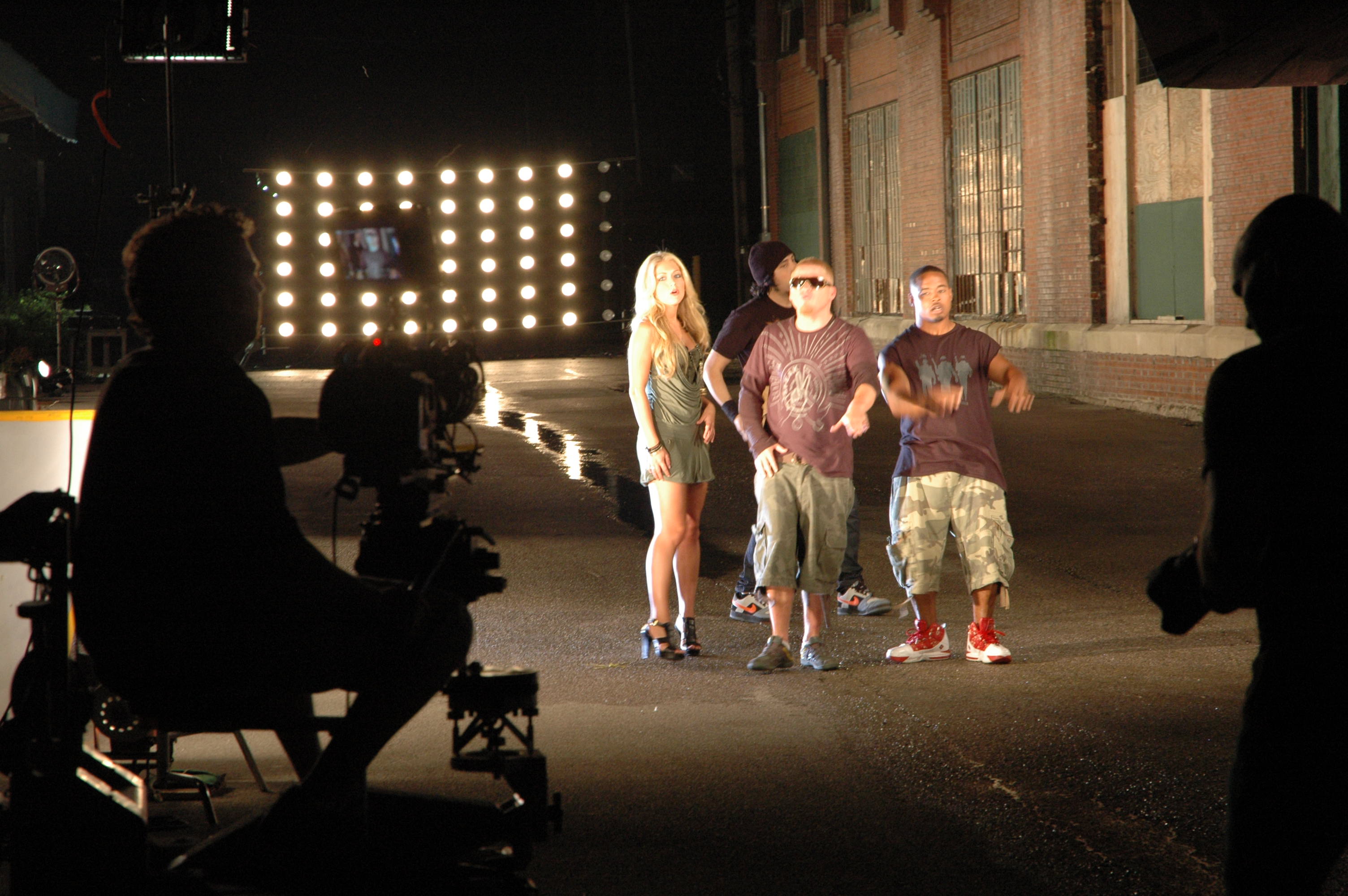
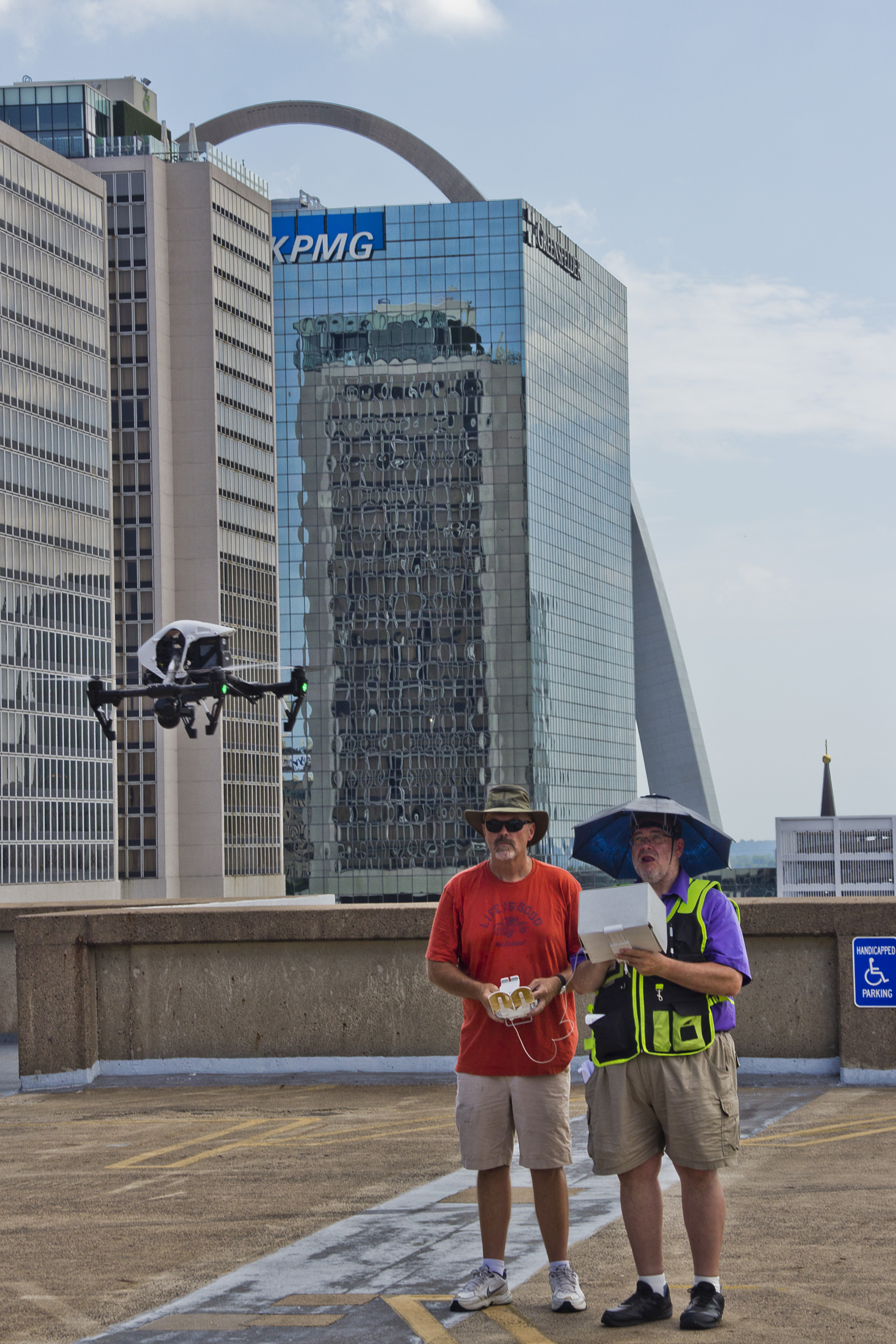
Drone Video Crews Shooting A-Roll, B-Roll and Stock Footage for Many Diverse Productions in St. Louis

Establishing Shots

First and foremost, it’s important to establish the setting of your video with a sweeping aerial shot. This can be done with a simple horizontal pan or a more complex flyover shot. Establishing shots give the viewer a sense of the overall location and can be used to set the tone for the rest of the video. For example, if you’re creating a travel vlog, an establishing shot of the destination can immediately transport the viewer to that location and set the scene for the rest of the video.

Top-Down Shots

Top-down shots are an excellent way to showcase the layout and design of a location, whether it’s an interior space or an outdoor landscape. These shots can be used to show off intricate architecture, landscaping, or natural formations. Top-down shots are also great for establishing a sense of scale, as they allow viewers to see the entire area from a bird’s-eye view.

Orbit Shots

Orbit shots involve circling around a subject or location, and they’re great for showcasing a specific object or area in detail. These shots work well for both indoor and outdoor locations, and they can be used to highlight specific features or elements of a location. For example, if you’re creating a video about a new building, an orbit shot can be used to showcase the building’s design and unique features.

Flyover Shots

Flyover shots involve flying the drone over a location or subject, creating a sense of movement and direction. These shots work well for showcasing large outdoor locations such as parks, beaches, or cityscapes. Flyover shots can be used to create a cinematic feel, as the movement of the drone adds a dynamic element to the footage.

Revealing Shots

Revealing shots involve starting with a close-up shot of a subject and then pulling back to reveal the larger setting. This type of shot can be used to build anticipation or to reveal a surprise element in the video. For example, if you’re creating a video about a new restaurant, you could start with a close-up shot of the chef preparing a dish, and then reveal the restaurant’s interior as the camera pulls back.

Point of Interest Shots

Point of interest shots involve hovering the drone over a specific object or location, providing a static shot of the subject. These shots work well for showcasing intricate details or patterns, such as a close-up shot of a building’s facade or a shot of a geometric pattern in a field. Point of interest shots can also be used to highlight a specific element of a location, such as a fountain or sculpture.

Tracking Shots

Tracking shots involve following a subject as it moves through a location, creating a sense of movement and direction. These shots work well for action-oriented videos or for showcasing movement within a location, such as people walking through a city or waves crashing on a beach. Tracking shots can add a level of energy and excitement to the footage, making it more engaging for the viewer.

Conclusion

Incorporating drone shots into your B-roll footage can take your video production to the next level. With the ability to capture stunning aerial views and dynamic movements, drone footage can add a level of visual interest and production value that simply can’t be achieved with traditional camera setups. By using these essential drone shots, you can create a more immersive experience for your viewers and showcase your subject or location in a unique and visually stunning way.

It’s important to note that while drones can capture some incredible footage, they also come with their own set of challenges and safety considerations. Always make sure to follow local regulations and guidelines for drone use, and consider hiring a professional drone operator if you’re not experienced in flying drones yourself.

In conclusion, incorporating drone shots into your B-roll footage can elevate your video production and provide viewers with a more immersive experience. With the ability to capture sweeping aerial views, dynamic movements, and intricate details, drones offer a unique perspective that can set your video apart from the rest. Experiment with these essential drone shots and see how they can take your video content to the next level.

Rob Haller 314-604-6544 stlouisdrones@gmail.com

The Role of Storytelling in Commercial Video Production

Storytelling can transport viewers. It’s key for any marketing strategy.

Storytelling? Ancient art! For centuries, it has wowed audiences! Nowadays, in commercial video production, it’s super-popular.

With storytelling, firms craft captivating, interactive content—great for promoting products and services.

In this article, let’s look at the importance of storytelling in commercial video production and how to use it.

Definition of storytelling

Storytelling has an important part in commercial video production. It connects the audience with the message or brand conveyed through film. It is the way of making a real or imaginary tale that moves its viewers emotionally and intellectually.

Through storytelling, filmmakers attempt to charm their watchers by presenting them with stimulating ideas, original perspectives and interactive images that delve deep into the narrative.

Storytelling in video production can take many forms such as dialogue, music and visuals. By using these techniques correctly, audio-visual storytellers can make stories that are both entertaining and educative. Documentary films and advertisements also use this method to increase audience engagement, particularly when targeting young people.

In commercial videos, storytelling is focused on stirring up emotion from audiences which leads to action (e.g. product purchase). To deliver these messages successfully, filmmakers must concentrate on creating absorbing narratives that join together multiple elements such as visuals, sound cues, dialogue and more. The result should be a piece of visual content that stands out due to its ability to both amuse and make strong connections built through story-telling strategies – without this, there would be no relationship between customer and brand!

Benefits of storytelling in commercial video production

Storytelling is essential in commercial video production. It helps to deliver messages and emotions better to viewers.

Utilizing storytelling has many benefits. It creates a connection with the audience. They can bond with the characters in the video, making a lasting impression.

Also, storytelling makes a video more interesting than facts or technical information. It creates suspense and intrigue, keeping viewers’ attention.

Moreover, storytelling gives commercial videos an opportunity for creativity. It allows thoughts to be explored through visuals, making the experience memorable.

Types of Storytelling

Storytelling is a must in commercial video production. It helps make an emotional bond between the audience and the brand. It also shows products or services in a creative way.

What are the different types of storytelling? In this article, we’ll examine the storytelling techniques that can be used in commercial video production.

Narrative Storytelling

Narrative storytelling is an emotional truth conveyer. It can give your video a sense of character and connection. It usually follows three acts: beginning, middle and end. Characters in conflict, a clear resolution and minimal language to maximize impact.

When crafting narrative-style video content, consider: What’s the story? How will you tell it?

Commercial videos can include voiceovers, dialogue, interviews with real people, props, soundscapes and kinetic motion. Storytelling offers unique elements to your project and can elevate its impact fourfold.

Visual Storytelling

Visual storytelling has charmed audiences for centuries. It is a technique which combines visuals like filming, lighting, composition, and color to form an intriguing story. This medium uses images and sound to express feelings and to connect viewers with the story.

Visual storytelling isn’t just for short films. Companies can use it for commercials too. Creating an original story for the commercial will help separate it from others. It keeps people interested rather than just displaying facts.

Using visuals in commercial videos is vital for visual storytelling. It helps set the mood and establish tone. Objects or animation with symbolic meaning can help the audience comprehend the story better, and leave them with a lasting impression.

Interactive Storytelling

Interactive storytelling is popular in modern times. It’s often used in commercial video production. It involves giving the audience a narrative and allowing them to shape events by engaging. This can be done through games, polls, immersive experiences, and branching stories.

It allows viewers to take part in the action and direct plot lines. This is important as attention spans shorten and digital media becomes more immersive.

An example of interactive storytelling might be an interactive YouTube or social media video. This could use polls or questionnaires to give viewers a choice between two plot lines. It creates engagement and ensures viewers stay invested in the narrative. This type of experience could be very valuable for commercial video production aiming for engagement and lead generation.

Techniques of Storytelling

Storytelling can be an incredible tool in commercial video production. Conflict, plot, characters and dialogue can help make your story come alive!

Here, we examine how these techniques can be used correctly to craft captivating videos that draw in viewers. We’ll also look at the significance of storytelling techniques and the outcome they have on commercial video production.

Use of Music

Music is great for storytelling! It can set a tone, introduce themes, and add emotion. A well-crafted soundtrack can make viewers feel: joyous, sorrowful, or even excited. Music can draw people into the story, build tension, and highlight important moments.

Types of music for video production include: classical, jazz, blues, rock & roll, pop, and more. Sound and visuals should work together, telling the story and engaging viewers. Filmmakers should explore different approaches when using music in their projects.

Use of Dialogue

Dialogue is vital for storytelling in any medium. Natural conversations between characters that capture emotion will draw the audience in, creating a connection to the characters.

In commercial video production, dialogue can establish relationship dynamics and exposition, while also creating a chance for branding. Actors should sound natural; their words should match the visuals, without being too rehearsed or scripted. Suspenseful moments, plus humor, can be created with dialogue.

Dialogue can bridge products to viewer experiences or stories, showing customers why they should invest in them. Companies must find ways to keep customers engaged by providing entertaining story diagrams, rather than just product descriptions and facts. Powerful stories with characters that people are invested in are essential for surviving in the competitive market!

Use of Visuals

Visual storytelling is essential for commercial video production. It helps viewers connect with images and emotions. Visuals can highlight concepts, characters, and actions. Editing techniques, like jump cuts or slow-motion, create interest and suspense. Colors, tones, and shading reflect underlying themes. Locations, props, and graphics tell stories without dialogue.

Sound design choices, like soundtrack cues or background music, add impact. Every detail counts towards bringing a story alive onscreen.

Examples of Storytelling in Commercial Video Production

Storytelling is a powerful tool. It can capture the attention of potential customers and keep them engaged while they watch your commercial video. Music, visuals, dialogue and captivating narration are all great ways to tell a story through video.

Here we’ll explore some examples of how storytelling has been used in commercial video production – successfully!

Apple’s “Think Different” Campaign

Apple’s “Think Different” campaign was a TV ad that launched in 1997. It featured people who achieved amazing things with their imagination and creativity. The commercial wanted to show Apple as an innovative brand and to inspire people to think differently. It used powerful storytelling to show the influence of these personalities on the world.

The video started with lots of colors and people from many backgrounds. It had inspiring narration that showed Apple’s revolutionary spirit. The goal was for people to realize the influence of exceptional figures in history, instead of only looking at tradition and process.

The narration said: “To those who have seen things differently… To those brave enough to try to change the world – because they do… Here’s to you.” This emotional message helped make this campaign one of Apple’s best.

Old Spice’s “The Man Your Man Could Smell Like” Campaign

Old Spice’s “The Man Your Man Could Smell Like” campaign in 2010 was a huge success! It was cleverly written and used humor to promote the brand in an unexpected way. Former NFL athlete Isaiah Mustafa was the star of the commercials. He spoke directly to women, giving them tips on how their men could become irresistible with Old Spice body wash.

In one commercial, Mustafa joked about never getting a man anything for Father’s Day – all while wearing a bear costume. He then explained that, if his man used Old Spice body wash, he’d be so attractive she wouldn’t have to bother getting him a gift. The content had viewers engaged and amused.

Old Spice also had a great distribution strategy. They created spin-offs from their original commercials that viewers could watch on YouTube or Hulu. People could vote for what they wanted The Man to do next by sending tweets with specific hashtags. This interactive storytelling enabled people to make content tailored to them.

“The Man Your Man Could Smell Like” became iconic. It showed how important storytelling is when creating effective video content for brand campaigns or products. Old Spice used innovative scriptwriting, humor, and interactive elements with online distribution strategies to deliver compelling messages that kept consumer attention during each commercial.

Nike’s “Just Do It” Campaign

The idea of storytelling is key to video production. Nike’s “Just Do It” campaign is a classic example of using narrative in advertising. It began in 1988 when Dan Wieden from Wieden+Kennedy wrote the slogan. The goal was to inspire people and show them anything can be achieved with effort and dedication.

The first ad featured Steve Prefontaine, an Olympic runner. It showed clips from competitions and interviews of him talking about his ambition. This created an atmosphere of striving for excellence.

Since 1988, the slogan has been used in other media. Celebrities like Tinker Hatfield, LeBron James, Rafael Nadal and Serena Williams have represented the brand. They’ve also invested in apparel design and digital channels, like their sponsorship of TikTok during the China-US conflict in 2020.

Video content reaches audiences around the world. Brands use visuals and stories that are recognizable across cultures – much like the success of the “Just Do It” campaign in the past 30 years.

Conclusion

An effective story arc can make a commercial engaging. For example, a commercial about quality could end with a character taking action. This is more memorable than a voiceover reminder.

Storytelling can transport viewers. It’s key for any marketing strategy. Creative visuals and dialogue can capture audience attention. A powerful message can be conveyed, no matter industry or revenue size.

Rob Haller 314-604-6544 stlouisdrones@gmail.com