Tag Archives: commercial real estate drones

Professional Drone, Studio, and Location Imaging Elevates Business Marketing

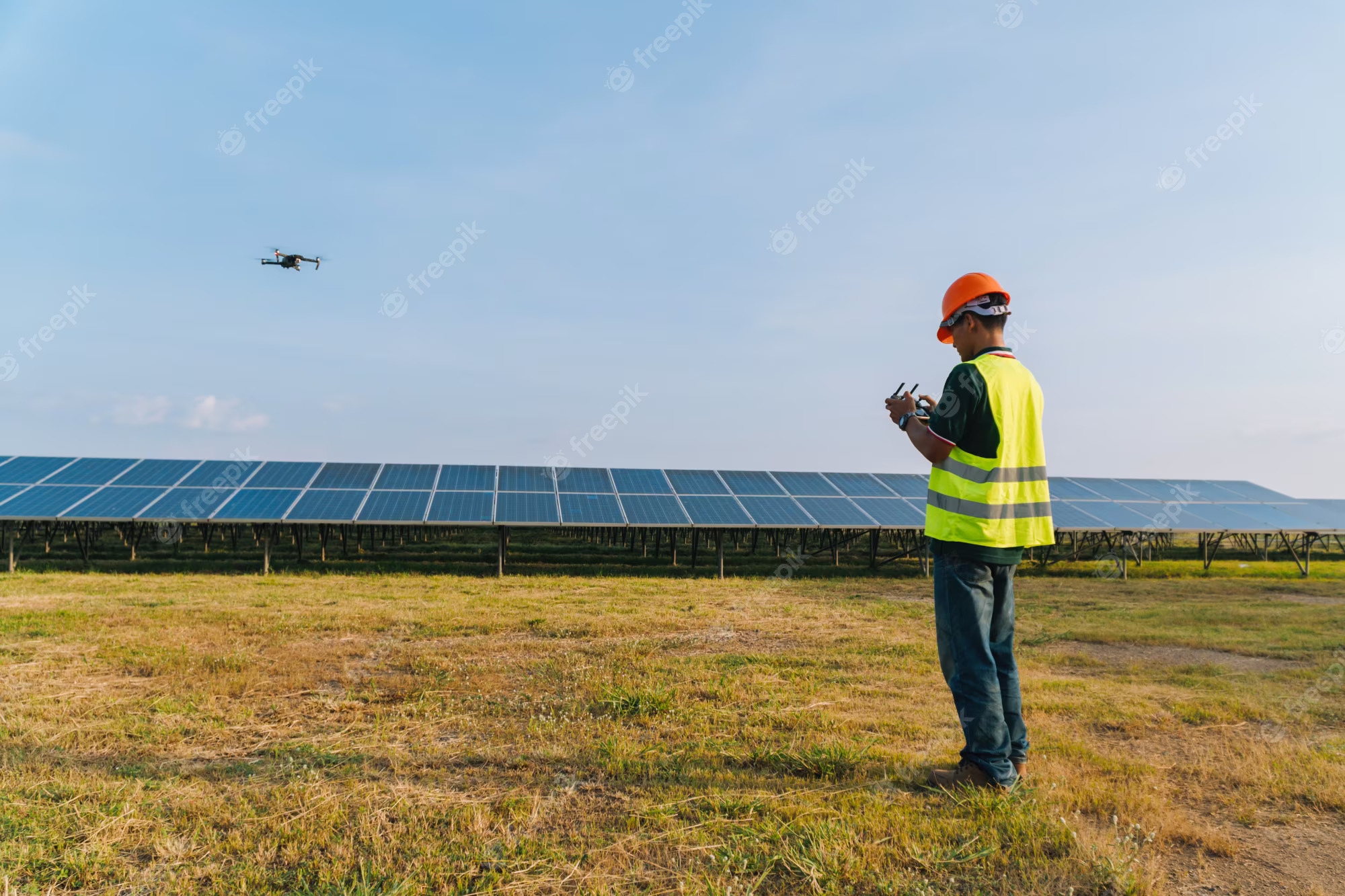
Professional commercial photography has evolved dramatically over the past several decades. Businesses and organizations that once relied exclusively on traditional ground-level photography now have access to sophisticated aerial imaging systems capable of capturing unique perspectives, detailed geographic information, and compelling cinematic video.

For marketing directors, business owners, corporate communications professionals, architects, engineers, and advertising agencies, drone photography represents far more than an opportunity to capture attractive aerial pictures.

Modern commercial drones offer a combination of creative storytelling, operational documentation, and specialized technical imaging that can support numerous business objectives.

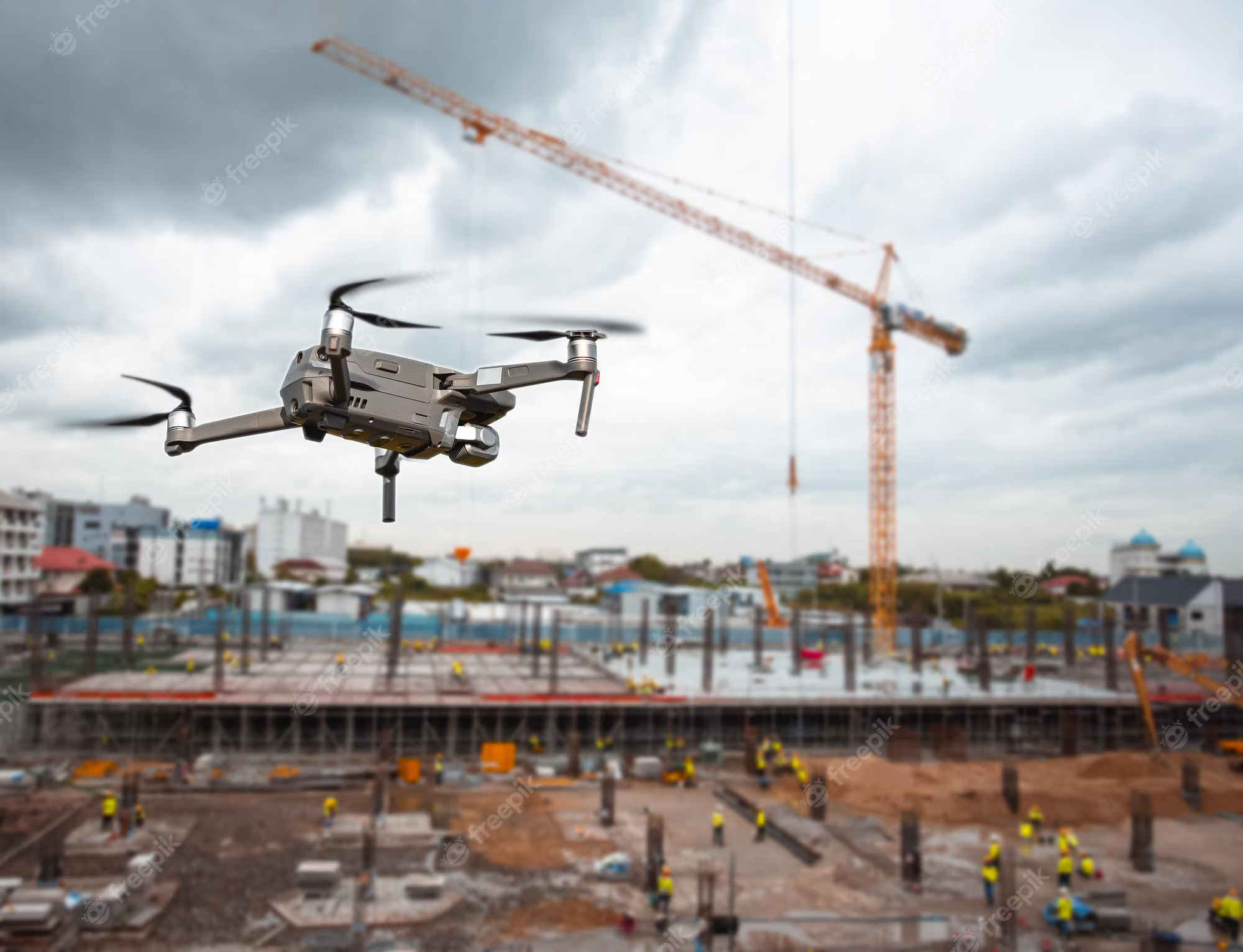
From documenting a manufacturing facility to producing cinematic promotional footage, monitoring construction progress, inspecting commercial roofing systems, and creating detailed three-dimensional property models, professional drone technology provides capabilities that traditional photography cannot easily duplicate.

However, successful drone production requires much more than owning an aircraft.
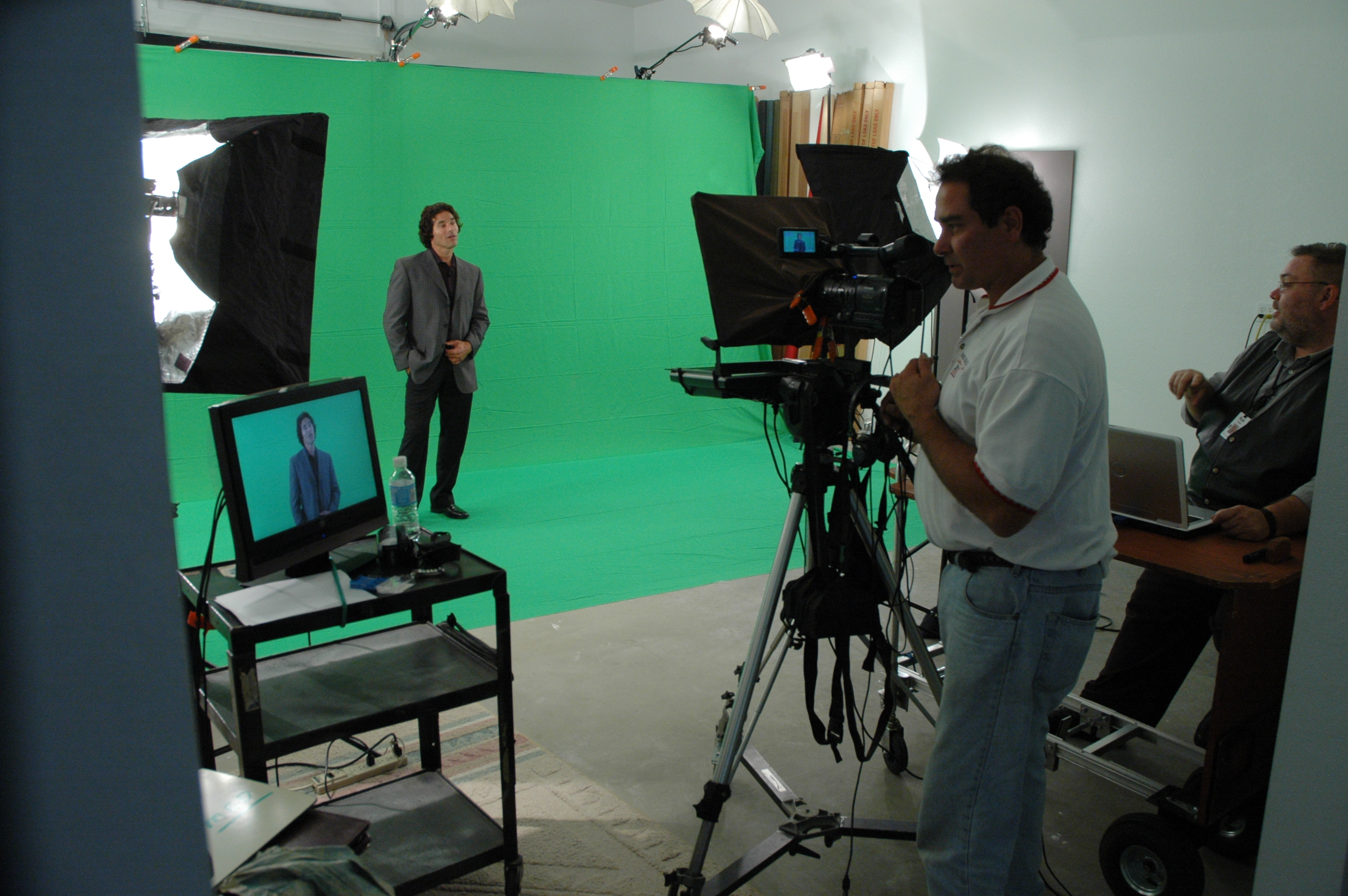
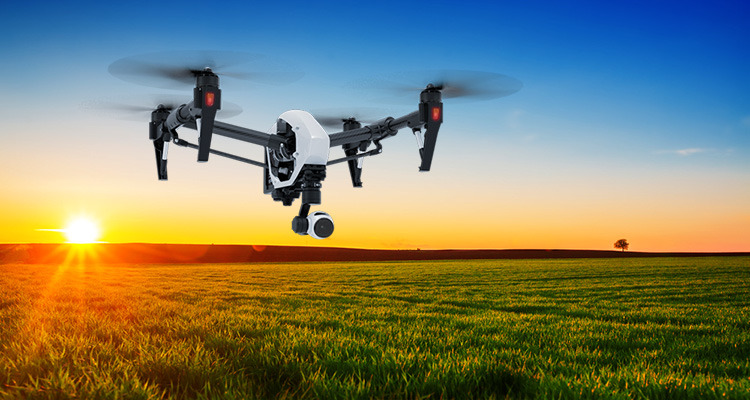
The most effective commercial drone projects combine experienced FAA-certified pilots, professional camera technology, careful flight planning, creative production expertise, and a clear understanding of the client’s business objectives.

When drone imagery is integrated with professional studio photography, ground-level video, interviews, and comprehensive post-production, businesses gain access to a much more versatile collection of visual marketing and documentation resources.

Why Professional Drone Photography Has Become Essential for Business Marketing

One of the greatest advantages of aerial photography is its ability to communicate scale, location, and context.
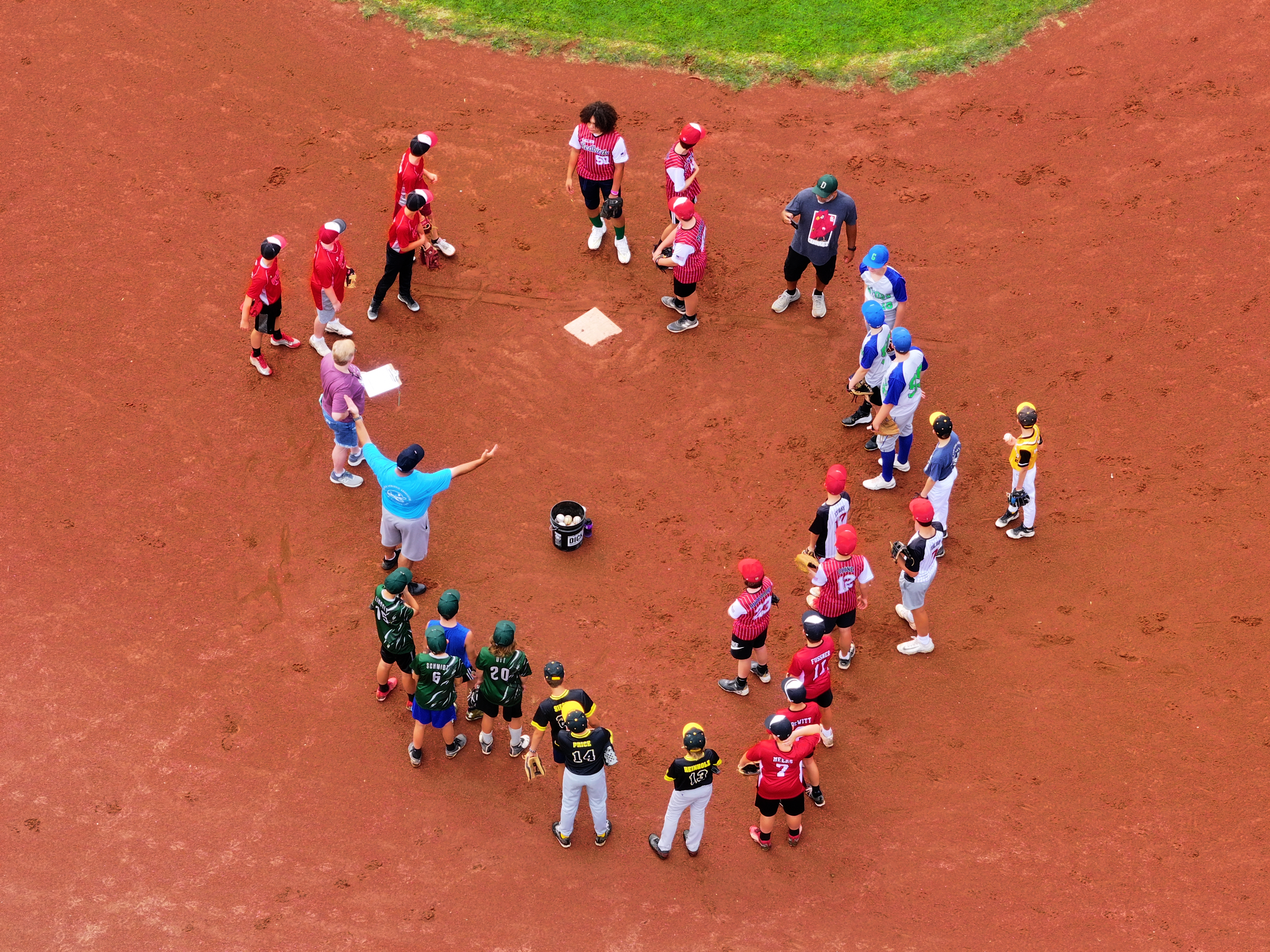
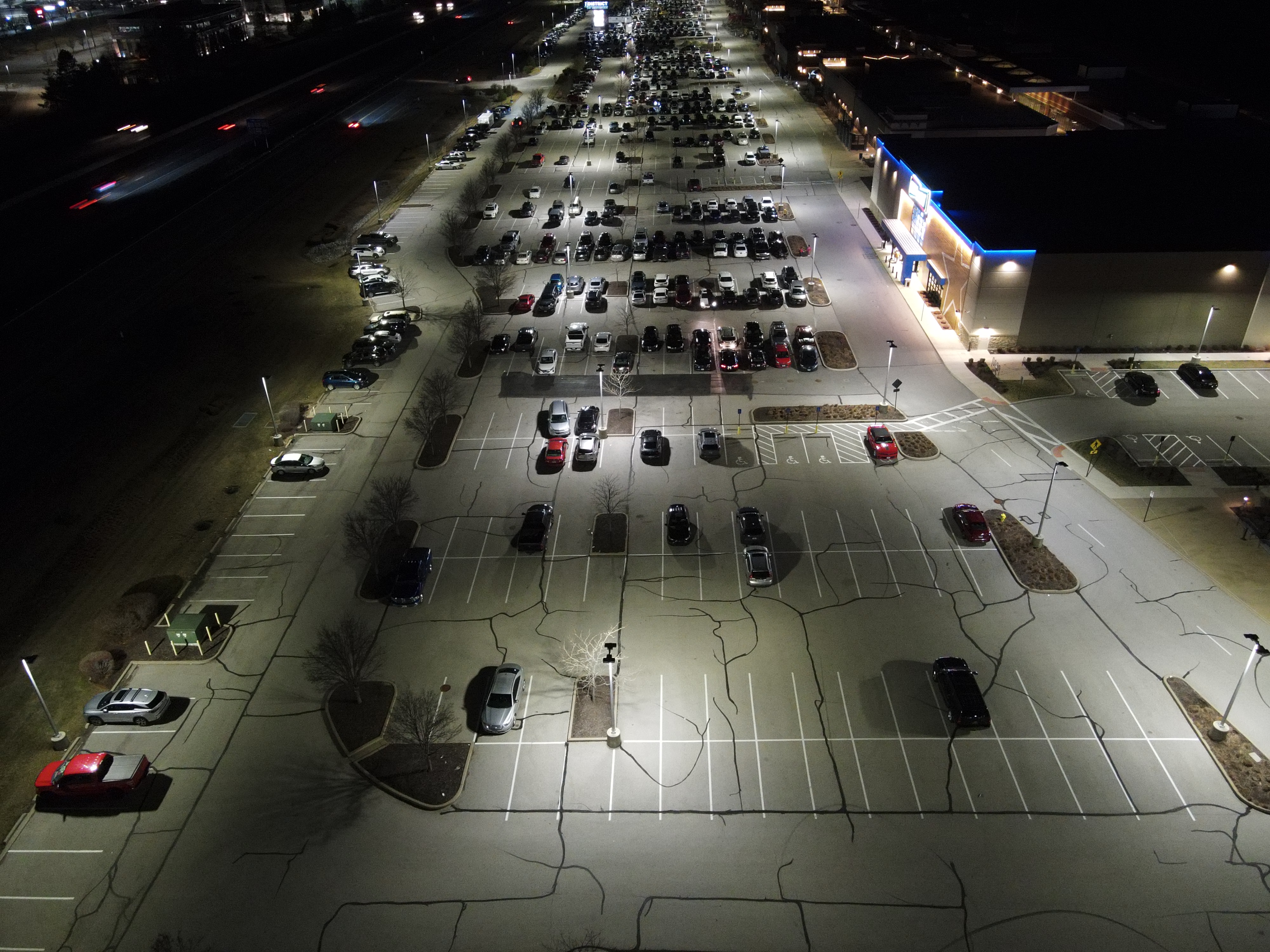
Traditional photography captures subjects from the ground. Drones introduce elevated perspectives that reveal relationships between buildings, properties, infrastructure, landscapes, and surrounding environments.

These viewpoints are particularly effective when a business wants to showcase the physical scope of its operations.

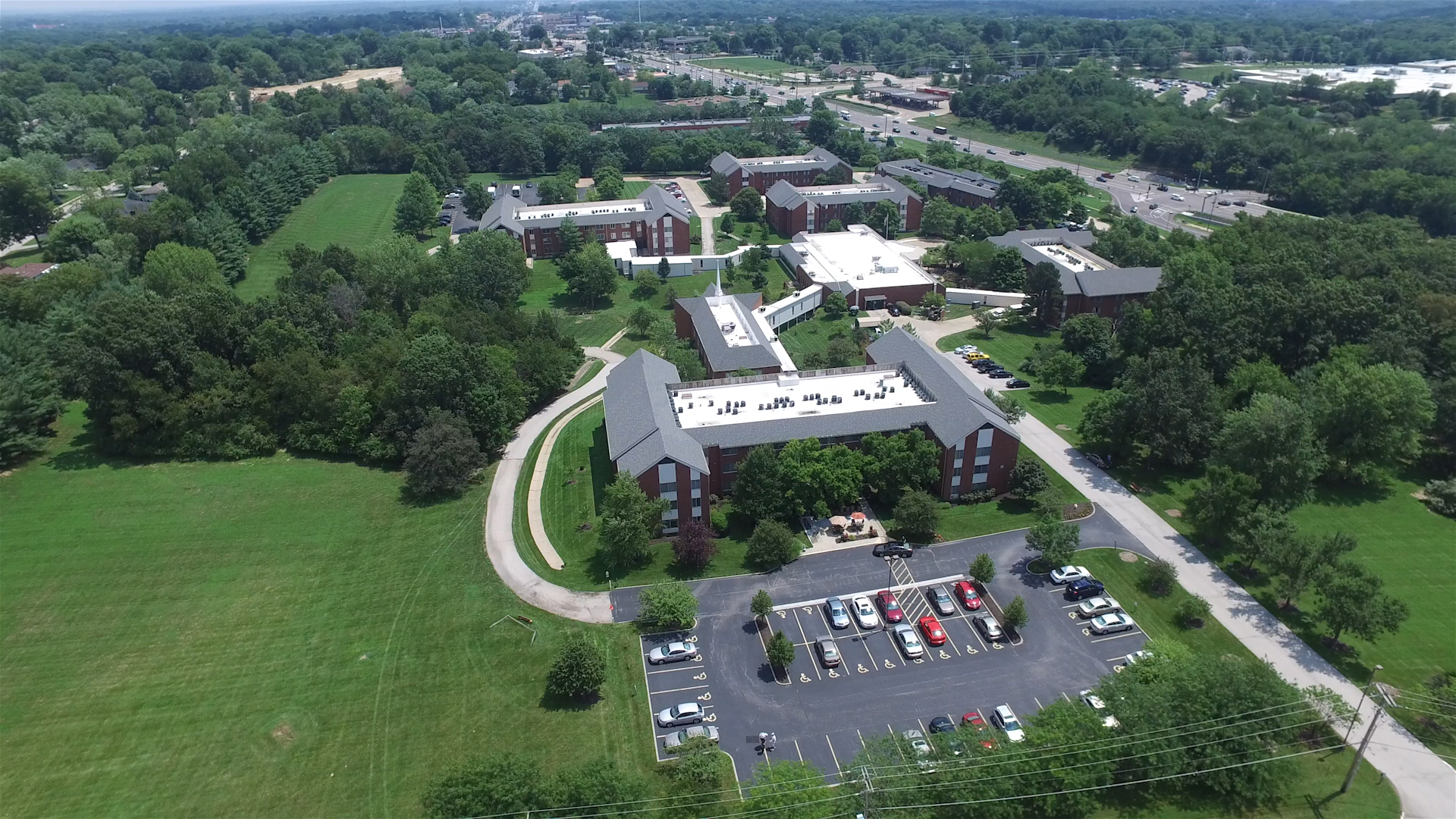
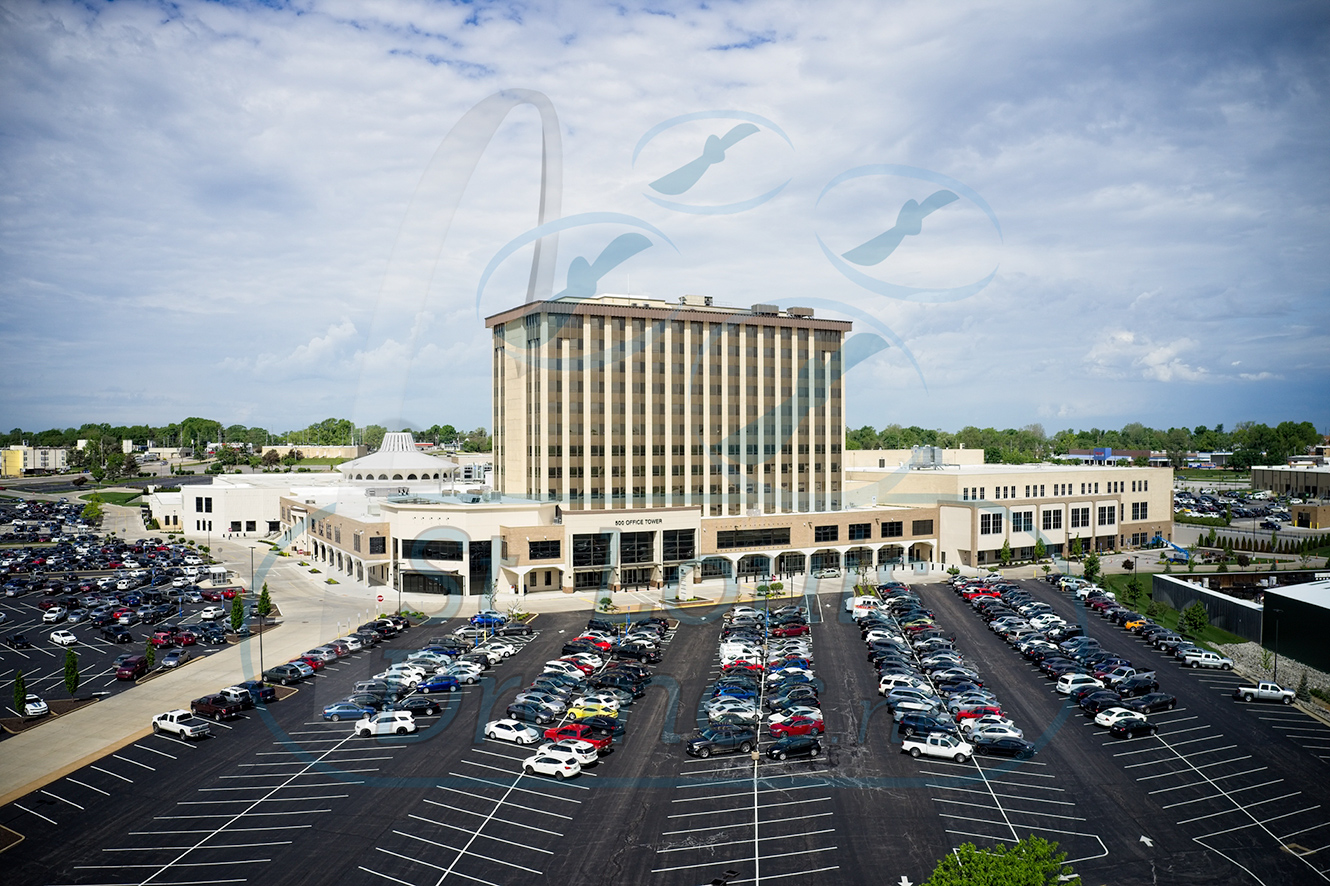
A manufacturing company may use aerial photographs to communicate the size of its production campus. A commercial real estate developer may need imagery showing building placement, transportation access, parking, and surrounding amenities.

Construction companies can document project progress, while educational institutions and healthcare organizations may utilize aerial imagery to showcase facilities and campus improvements.
Professional drone photography is especially valuable for:

  • Commercial real estate marketing and property development
  • Corporate campuses and office complexes
  • Manufacturing and industrial facilities
  • Construction documentation and progress photography
  • Architecture and commercial building photography
  • Hospitality properties, resorts, and event venues
  • Educational institutions and healthcare campuses
  • Municipal facilities and infrastructure projects
  • Advertising campaigns and corporate branding
  • Environmental and land development documentation

Unlike conventional ground-level images, aerial photography can communicate a property’s physical relationships within a single comprehensive view.

For decision-makers reviewing commercial developments, large facilities, or infrastructure projects, this visual context can be extremely useful.

Drone Cinematography Adds Movement and Visual Storytelling

While still aerial photography communicates valuable information, professional drone cinematography introduces movement that can make corporate video productions more dynamic.

Smooth aerial camera movements can establish a location, approach a building, reveal a property, or follow activity across a large environment.

When carefully integrated into a video, these movements support the narrative rather than merely serving as visual decoration.

Establishing Shots Create Context

An establishing shot introduces the audience to a location and helps communicate the scale of the environment.
For example, a corporate video about a manufacturing operation might begin with an aerial view of the facility before transitioning to ground-level footage of employees, production equipment, and executive interviews.

The aerial footage provides context, while the ground-level images tell the more detailed story.

This combination produces a more complete visual presentation.

Cinematic Camera Movement Reinforces Brand Quality

Professional drone operators understand that effective aerial cinematography depends on carefully controlled camera movement.

Flight speed, camera angle, altitude, lighting, subject positioning, and movement direction all influence the quality of the finished footage.

Experienced operators also plan their shots around editing requirements.

A slow approach toward a corporate headquarters communicates a different impression than a sweeping lateral movement revealing an industrial facility.

Each movement should serve a deliberate visual purpose.

Indoor FPV Drone Video: A New Approach to Commercial Facility Tours

One of the most exciting developments in professional drone cinematography is the use of specialized First Person View, or FPV, aircraft.

Unlike conventional camera drones designed primarily for stabilized aerial photography, FPV systems allow experienced pilots to perform highly controlled and dynamic flight maneuvers.

Specialized compact FPV drones can also be used indoors when the environment, aircraft, and safety plan permit.

This creates opportunities for commercial video production that would otherwise require complex camera movement equipment.

How Indoor FPV Video Benefits Businesses

Imagine a promotional video that begins outside a manufacturing facility, moves through an entrance, continues along a production line, reveals specialized equipment, and concludes in a finished product display area.

A carefully planned indoor FPV sequence can create the appearance of moving continuously through the facility.
These productions can be particularly effective for:

  • Manufacturing and industrial facility tours
  • Warehouses and distribution centers
  • Commercial real estate walkthroughs
  • Corporate offices and headquarters
  • Hospitality and entertainment venues
  • Retail environments and large showrooms
  • Educational and institutional facilities
  • Recruitment and employer branding videos

Indoor FPV filming can provide audiences with a more immersive understanding of a business environment.

However, successful flights require substantial experience and planning.

Flight paths must account for obstacles, ceiling heights, equipment, employees, reflective surfaces, sensitive areas, and emergency landing procedures.

Appropriate protective equipment, controlled operating areas, and carefully coordinated production schedules help reduce risk.

Professional FPV cinematography is therefore a specialized production discipline, not simply conventional drone flying performed indoors.

Beyond Marketing: Specialized Drone Imaging for Technical Applications

Although aerial photography and video remain important commercial applications, drone technology also supports highly specialized imaging services.

Infrared thermal cameras, mapping systems, photogrammetry software, and LiDAR sensors allow drones to capture information that conventional photography cannot provide.

These systems are increasingly useful for construction, engineering, facilities management, commercial roofing, infrastructure maintenance, and property documentation.

For business decision-makers, understanding the differences between these technologies is important when selecting the right imaging solution.

Infrared Thermal Drone Imaging for Commercial Buildings

Infrared thermal imaging provides a means of observing apparent surface temperature differences that cannot be seen with a standard camera.

Thermal sensors detect infrared radiation and translate the information into images representing temperature variations.

When properly acquired and interpreted, this information can help identify areas that warrant closer investigation.

Commercial Roof Inspections

Commercial roofing systems represent substantial financial investments.

Water intrusion, deteriorating insulation, and other hidden conditions can result in expensive repairs and operational disruptions.

Under suitable conditions, infrared thermal imaging may reveal temperature patterns associated with moisture-related anomalies in certain roofing assemblies.

During a thermal inspection, a drone can capture imagery over large roof areas without requiring personnel to walk across every section.

This can be useful for evaluating facilities such as warehouses, schools, hospitals, manufacturing plants, shopping centers, and office complexes.

However, thermal imagery does not directly identify water or establish the cause of an anomaly.

Results are affected by roof construction, insulation, surface materials, weather, solar heating, wind, and the timing of the inspection.

A qualified roof professional may need to confirm suspected conditions through additional testing.
Other Commercial Thermal Applications

Drone-based thermal imaging can also support investigations involving building envelopes, solar installations, selected industrial equipment, and infrastructure.

Radiometric thermal imaging systems can preserve temperature-related data for subsequent analysis when properly calibrated and operated.

Repeat inspections may help organizations compare conditions over time, provided acquisition methods and environmental factors are documented.

For facility managers, this information can contribute to maintenance planning and decisions about additional inspection or repair.

Orthomosaic Drone Mapping: Accurate Visual Documentation From Above

An orthomosaic is a composite aerial image created by processing multiple overlapping photographs.

Unlike a conventional aerial photograph, an orthomosaic is geometrically corrected to reduce perspective distortion and represent the photographed surface in a consistent spatial framework.

When appropriately georeferenced and quality-controlled, these images can support measurements and geographic analysis.

Practical Business Applications

Orthomosaic maps can be useful for construction planning, land development, site documentation, commercial property management, and infrastructure projects.
Construction professionals can compare aerial imagery acquired at different project stages to visualize changes in site conditions.

Developers may use mapping products to communicate site layout, parking areas, building footprints, access roads, and other property features.

Engineering and environmental professionals can incorporate suitable imagery into geographic information systems and technical documentation workflows.

Understanding Mapping Accuracy

Not all drone maps provide the same level of positional accuracy.

Accuracy depends on multiple factors, including flight altitude, image overlap, camera calibration, processing methods, ground control, positioning technology, and site conditions.

Survey-grade results may require properly established control points, independent accuracy checks, and qualified professional oversight.

For projects involving legal property boundaries or regulated surveying activities, drone maps should not be treated as a substitute for services performed by an appropriately licensed land surveyor.

Drone LiDAR: Three-Dimensional Spatial Information

LiDAR, or Light Detection and Ranging, is another important development in aerial image acquisition.

LiDAR sensors emit laser pulses and measure reflected signals to estimate the distance between the sensor and surrounding surfaces.

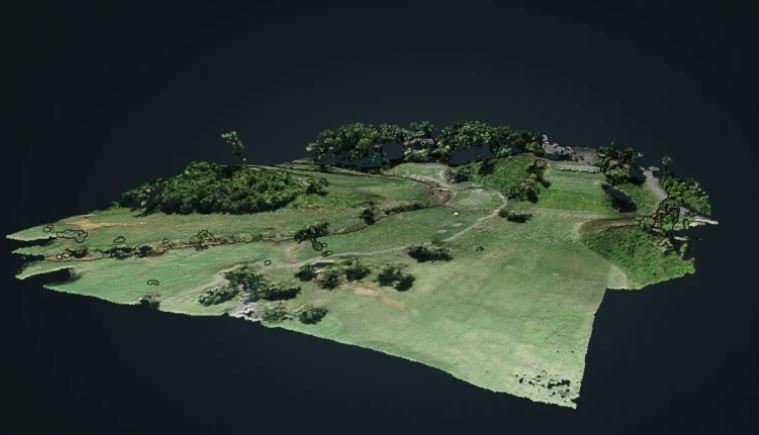
The resulting measurements can be processed into three-dimensional point clouds representing terrain, vegetation, structures, and other physical features.

Unlike conventional aerial photography, which records visible surface appearance, LiDAR captures spatial information that can be particularly useful for mapping and modeling.

Commercial and Technical Applications

Drone LiDAR can support topographic data collection, site planning, construction documentation, utility corridor analysis, infrastructure projects, and environmental studies.

It may also provide valuable information in areas where conventional photogrammetry is limited by surface texture or vegetation.

LiDAR’s ability to record some ground returns through gaps in vegetation can be useful for terrain modeling, although dense vegetation and other conditions can still limit data capture.

The accuracy and usefulness of a LiDAR dataset depend on sensor performance, positioning, flight design, calibration, processing, and independent verification.
For architects, engineers, contractors, and facility managers, appropriately collected three-dimensional data can provide a detailed spatial reference for planning and analysis.

Construction Progress Monitoring With Professional Drones

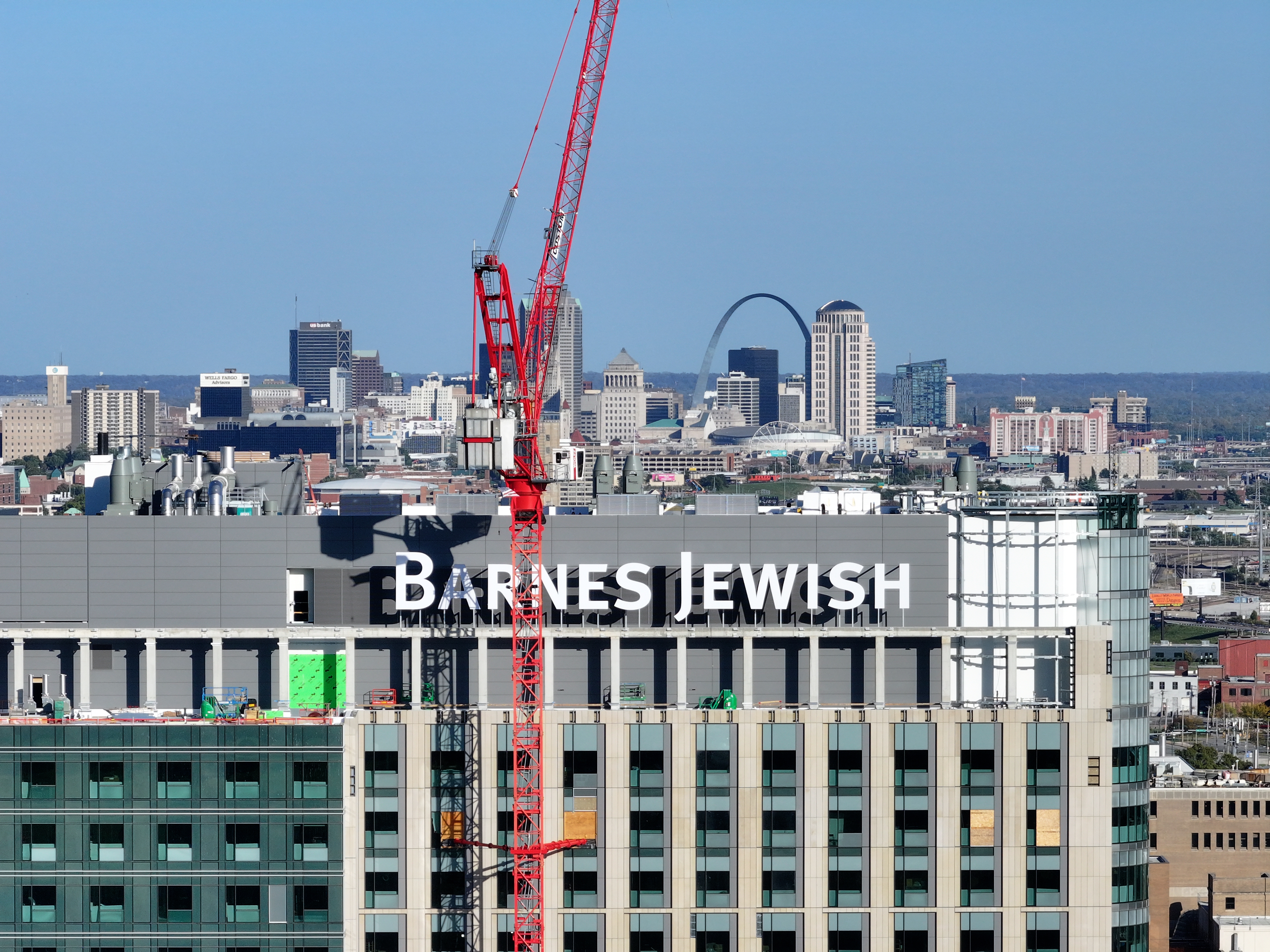
Construction companies increasingly use drone photography and mapping to document project activity over extended periods.

Aerial imagery can provide consistent visual records of site development, building construction, grading, material placement, and changing property conditions.

Regularly scheduled drone flights can help project managers, owners, and investors understand progress without requiring every stakeholder to visit the location.

Rob Haller 314-604-6544 stlouisdrones@gmail.com

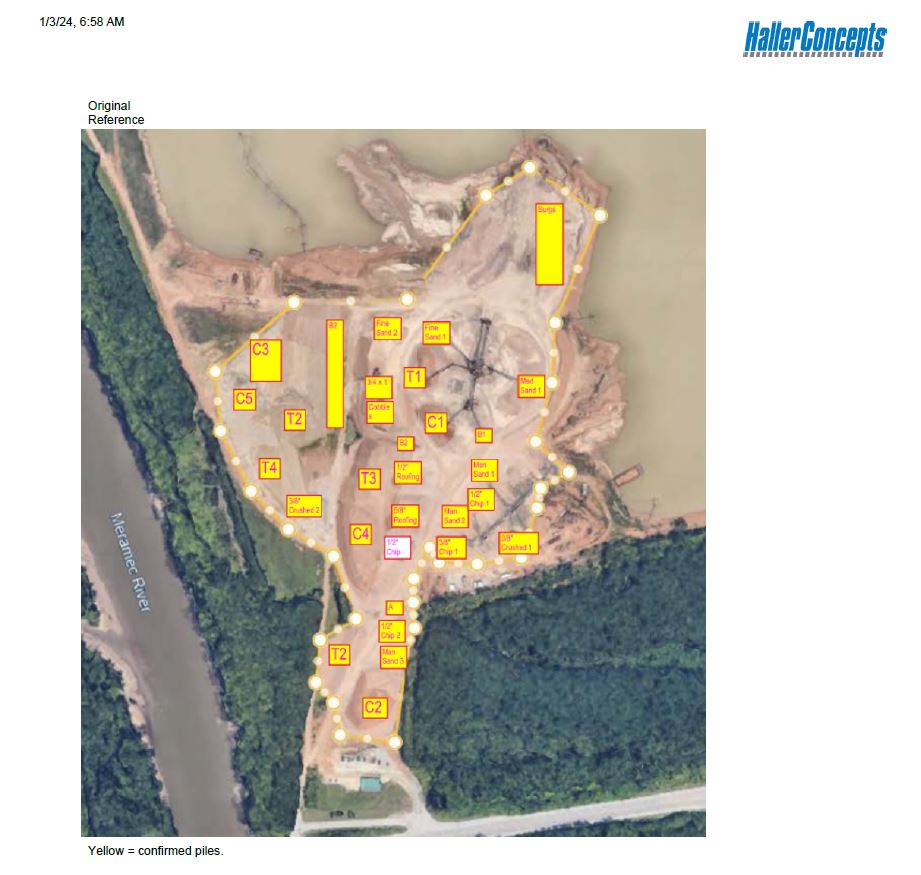
Why More Companies Are Using Drones for Stockpile Reports: Elevating Accuracy, Efficiency, and ROI


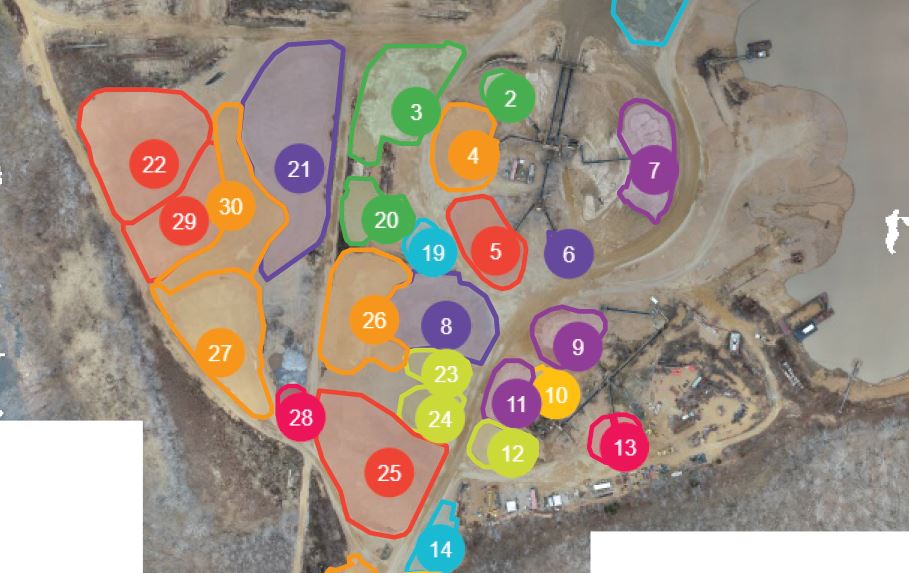
In the fast-paced world of logistics, mining, construction, and materials management, precision and speed are critical. Whether you’re reporting inventory to stakeholders, conducting compliance audits, or planning future procurement, accurate stockpile measurements can directly impact financial forecasting and operational success. Increasingly, companies are turning to drone technology to handle stockpile reporting—and for good reason.

At St Louis Drones, we’ve seen firsthand how aerial solutions are transforming traditional inventory tracking, reducing risk, and enhancing operational insight. Below, we break down why more businesses are trading manual surveys and ground-based estimates for drone-powered stockpile reports.


1. Precision That Outperforms Manual Methods

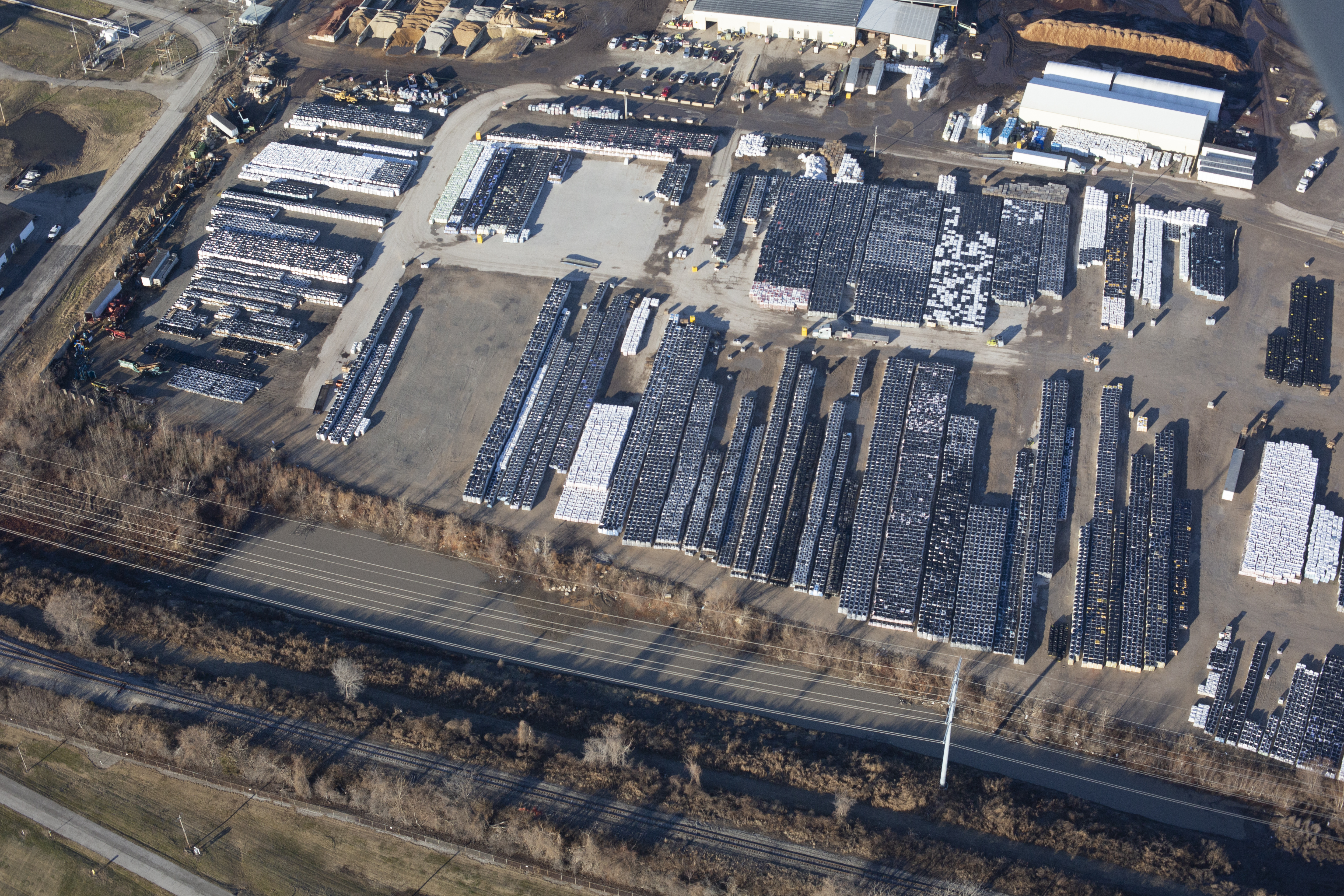
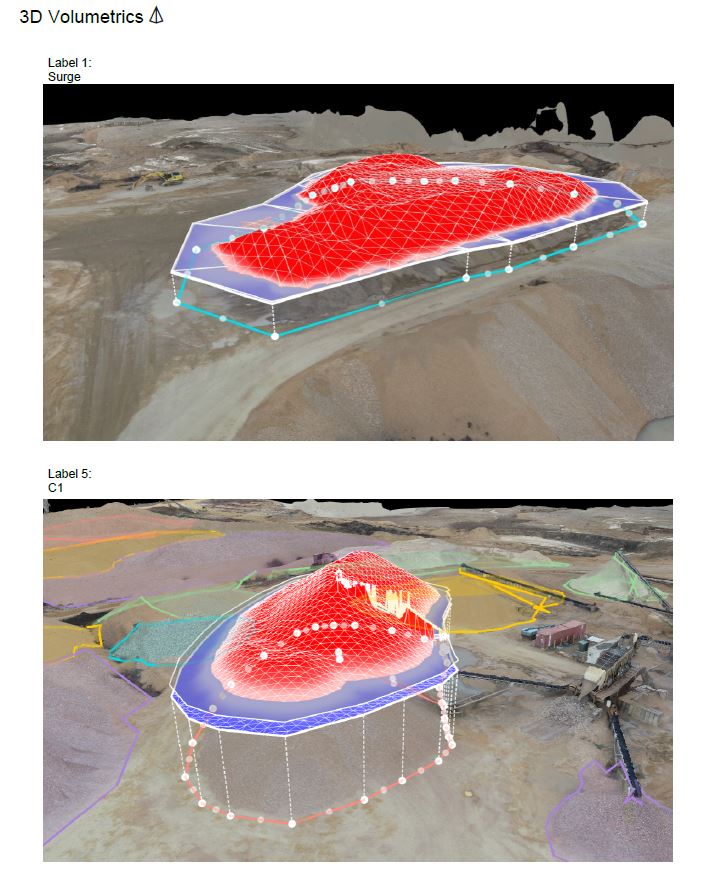
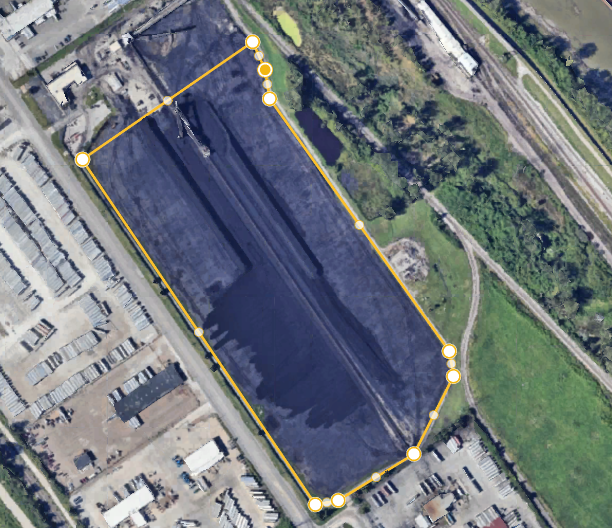
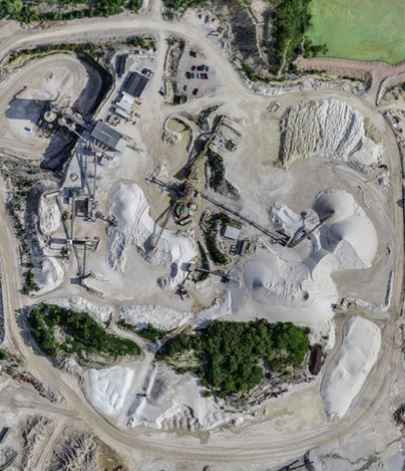
Manual stockpile measurement techniques—such as walking the perimeter with a GPS rover or using ground-based laser scans—are time-consuming and prone to human error. Drones, however, use advanced photogrammetry and LiDAR (Light Detection and Ranging) to create accurate 3D models that provide volumetric data down to a few centimeters of error. This level of precision allows for better resource management, waste reduction, and stronger forecasting.

2. Time-Saving and Cost-Effective

Traditional survey methods can require shutting down operations, rerouting equipment, and coordinating multiple teams. A licensed drone pilot can collect all necessary data in a fraction of the time—often in under an hour. Faster data collection means you can complete more frequent stockpile reports without affecting your daily workflow. The resulting operational savings quickly offset the cost of drone services.

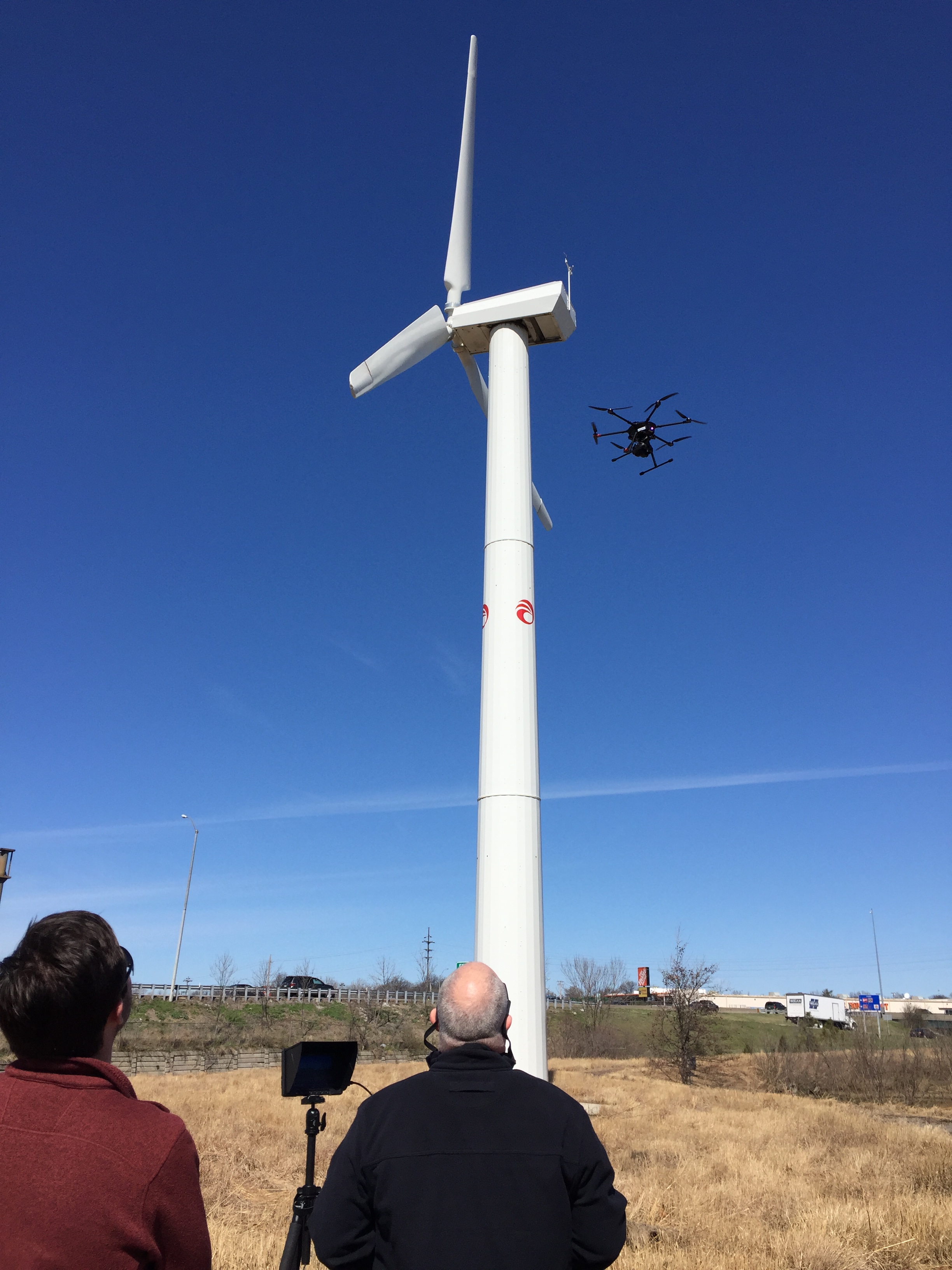
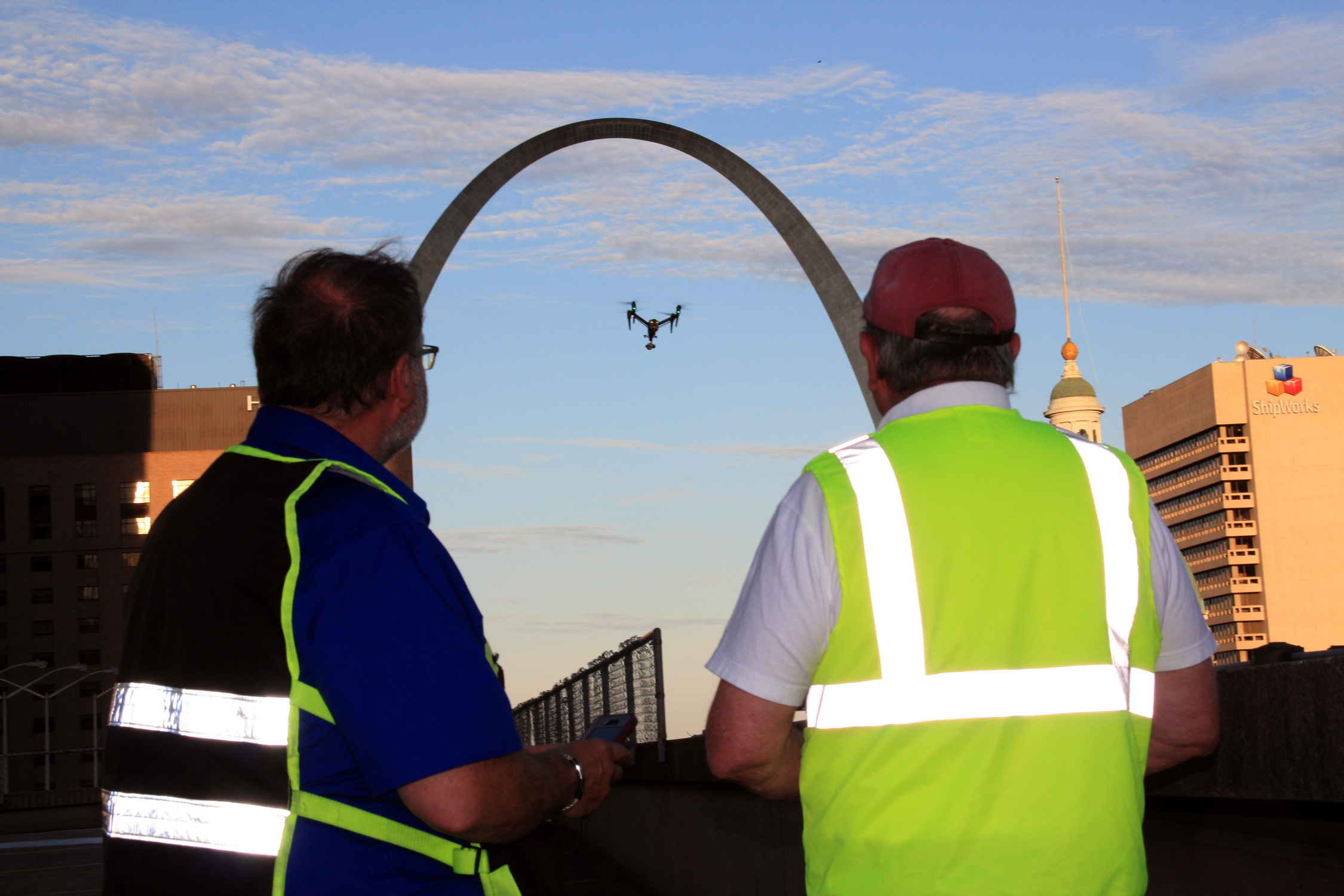
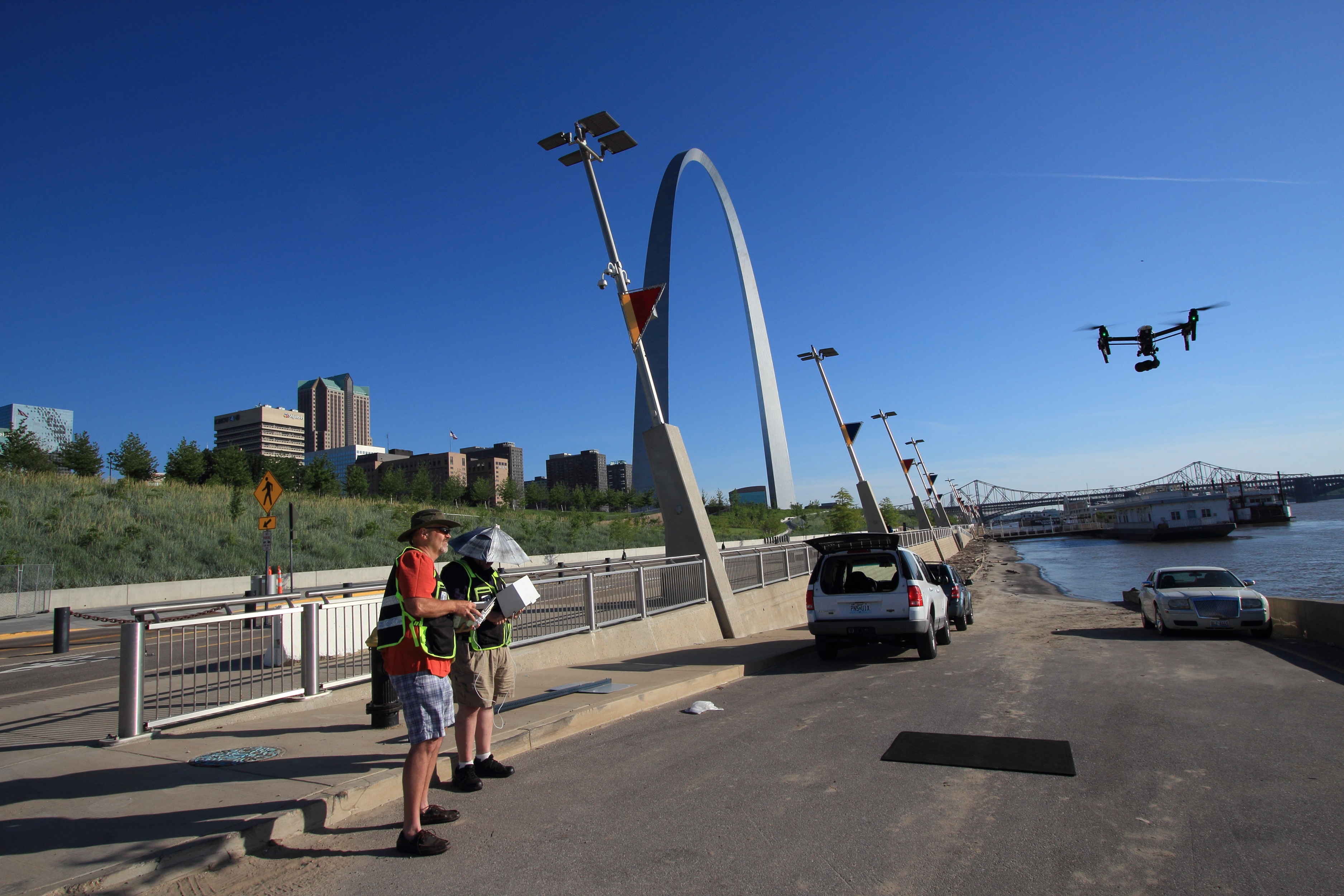
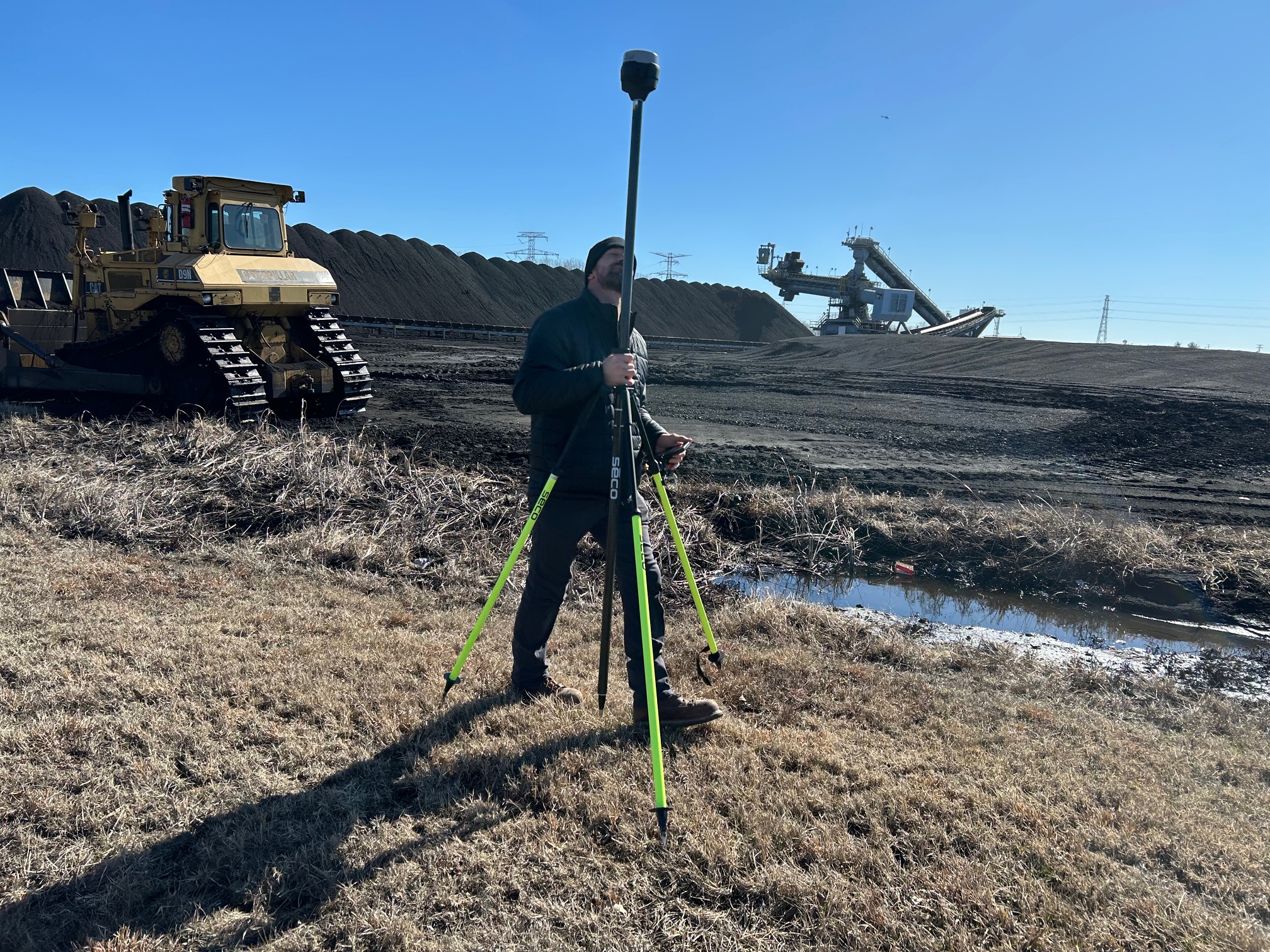
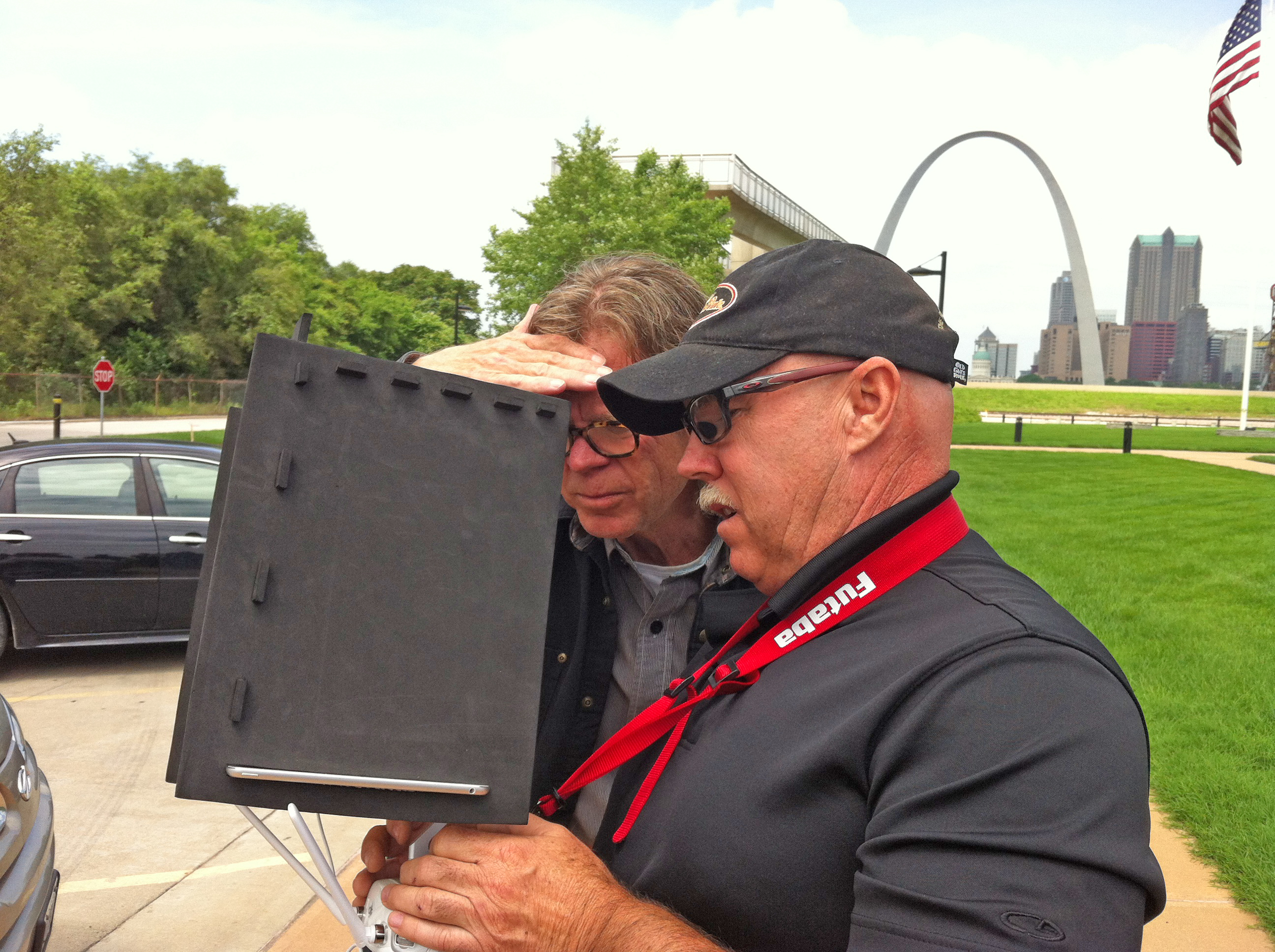
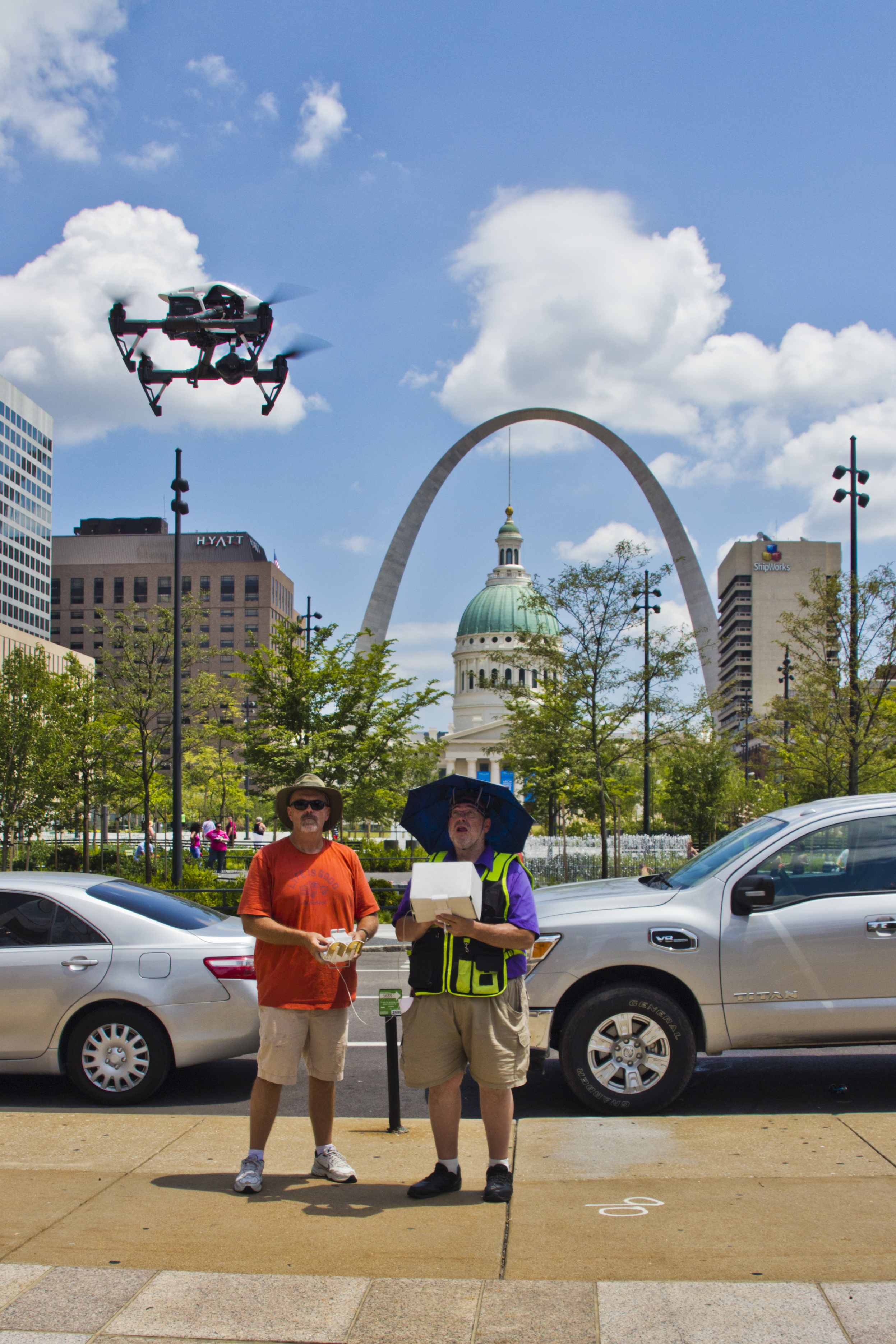
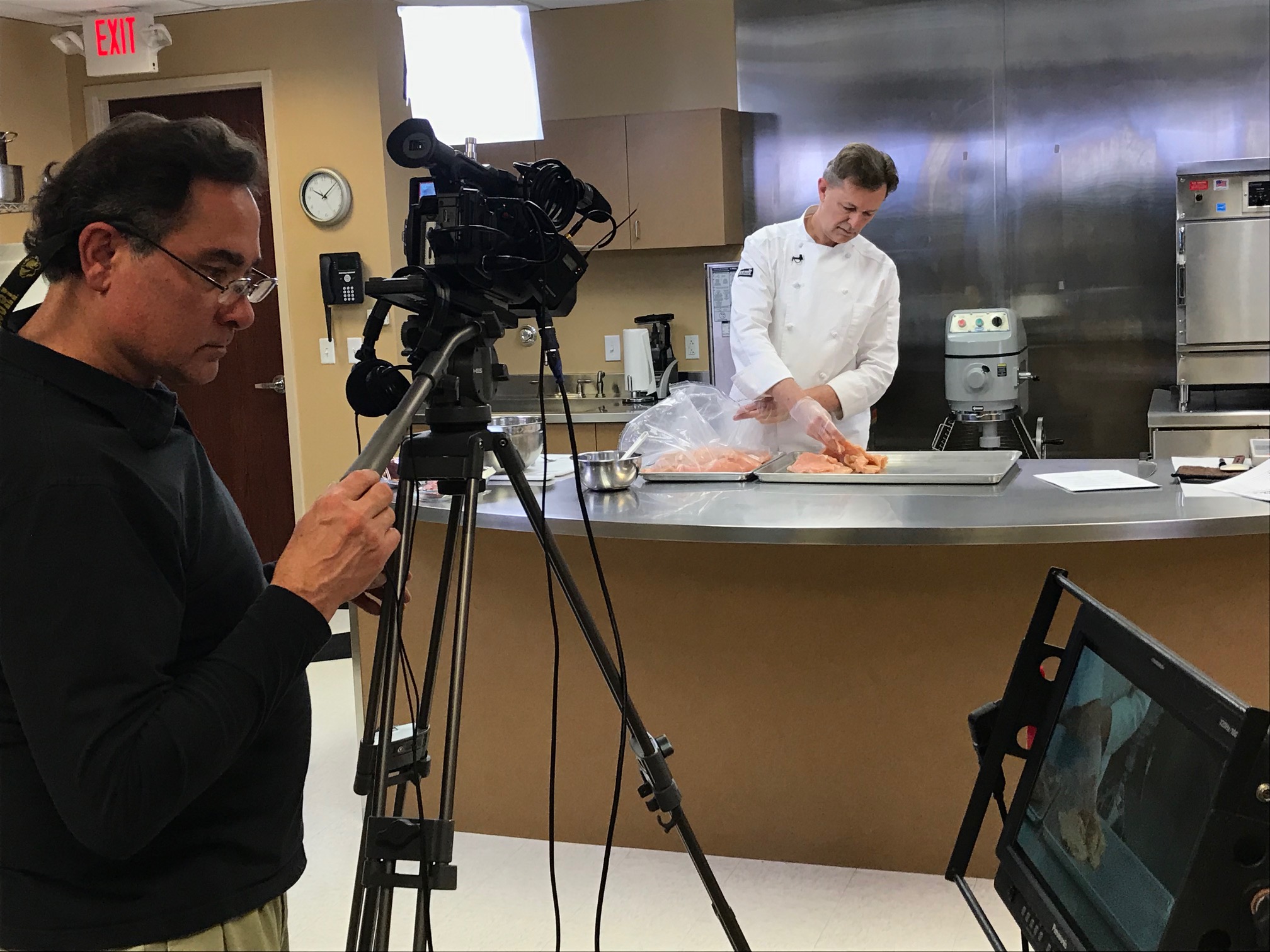
St Louis Drones shooting with REM Tech, Mark Epstein (l) and Karl Remick for volumetric stockpile reporting.

3. Improved Safety and Risk Mitigation

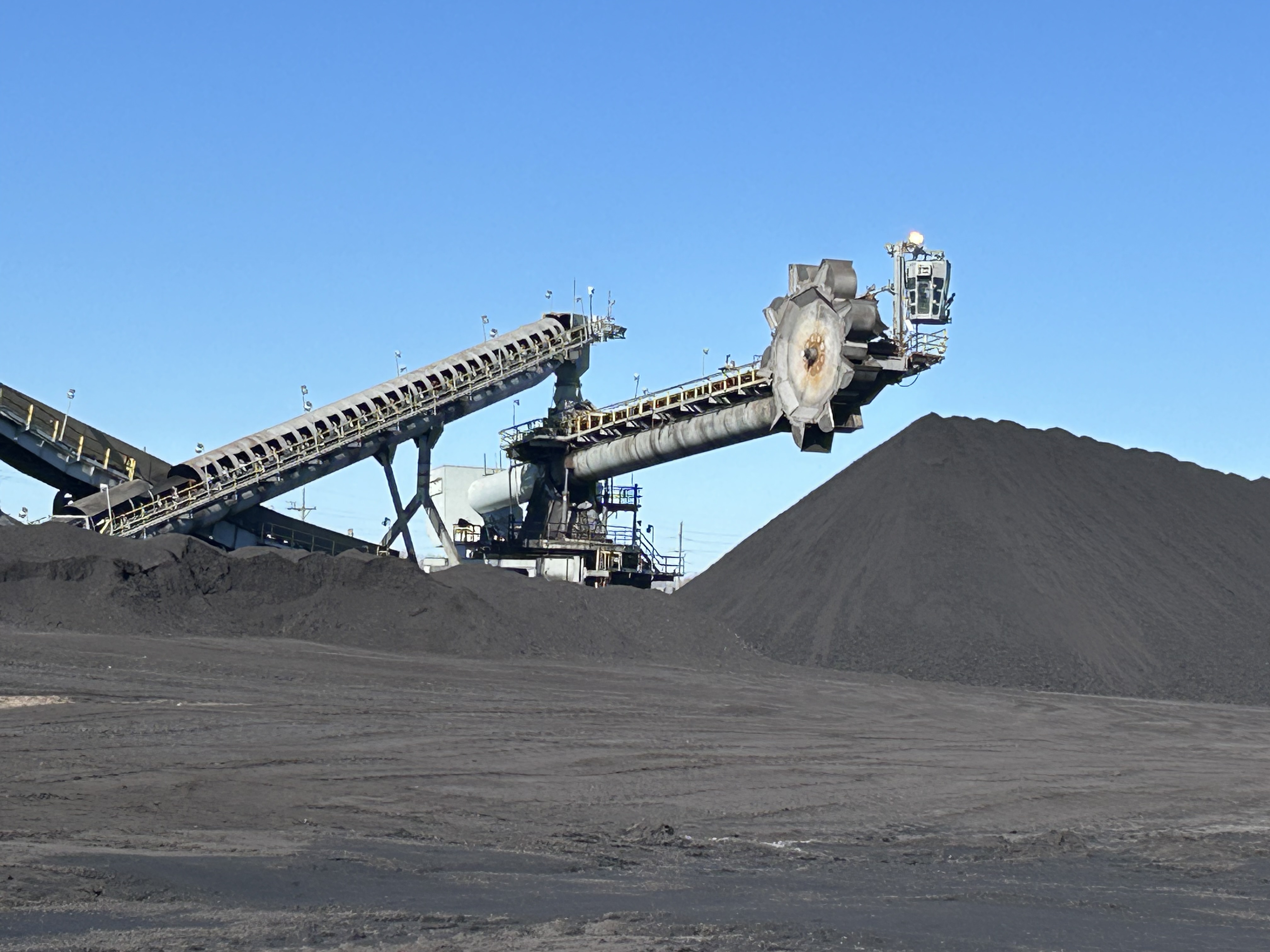
Climbing piles of aggregate, sand, coal, or scrap metal poses serious safety risks. Using drones eliminates the need for personnel to physically access stockpiles. Aerial surveys keep your employees on the ground, away from unstable terrain and heavy machinery—reducing liability and ensuring compliance with OSHA safety standards.

4. Data That Drives Decisions

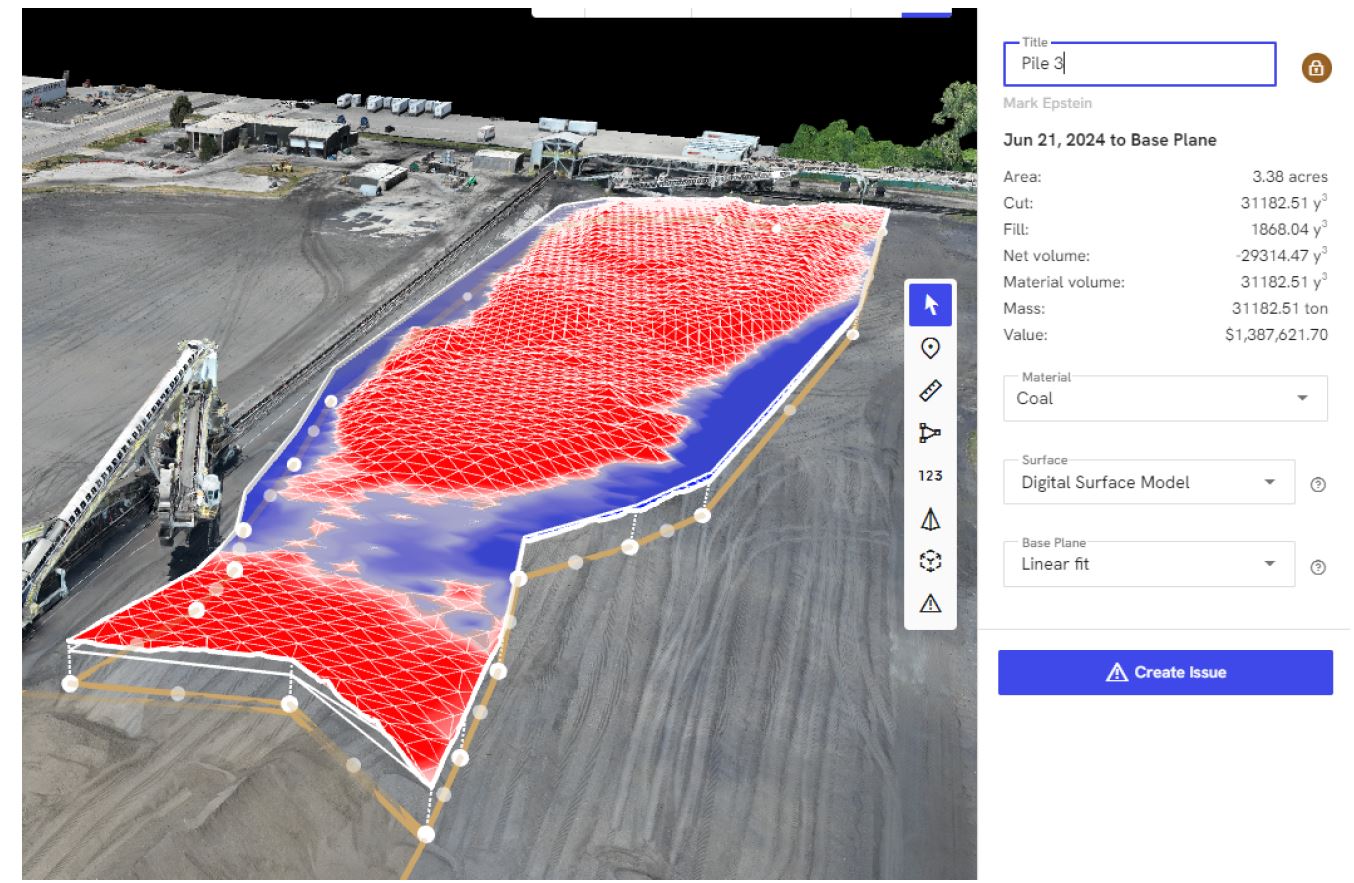
Drones capture high-resolution imagery, which can be processed into 3D point clouds, contour maps, and orthomosaic images. These deliverables don’t just look impressive—they provide actionable insights. Operations managers, procurement specialists, and finance teams can easily compare stockpile volumes over time, identify shrinkage or overstock trends, and streamline inventory reconciliation processes.

5. Scalable and Repeatable

Whether you manage a single facility or dozens across the region, drone stockpile reporting is a scalable solution. Once the flight plan is established, recurring surveys can be scheduled at weekly, monthly, or quarterly intervals. The repeatable nature of drone workflows ensures consistent data over time, which is ideal for long-term project tracking or year-over-year comparisons.


How St Louis Drones Helps You Get the Most from Drone Technology

At St Louis Drones, we specialize in full-service commercial drone photography and video production—including stockpile documentation. We bring decades of visual production expertise and the latest drone mapping tools to every project. Our licensed drone pilots are trained to operate in complex environments, including indoor facilities, industrial sites, and restricted airspace.

In addition to field capture, our in-house post-production team uses cutting-edge AI-enhanced software to process your drone data quickly and accurately. From delivering clean volumetric reports to repurposing aerial visuals for marketing, we know how to transform raw drone imagery into strategic business tools.

Since 1982, our expert crews have supported organizations across St. Louis—partnering with businesses, marketing firms, and creative agencies to deliver successful video and photography projects tailored to each client’s unique goals.

St Louis Drones offers:

  • Licensed and insured drone pilots
  • Full-service aerial video and photography
  • Studio and on-location production
  • AI-powered editing and post-production
  • Customized solutions for construction, logistics, and industrial sites
  • Indoor drone operations for challenging environments
  • Safe and accurate stockpile measurement solutions
  • Scalable visual asset creation for ongoing needs

We are well-versed in all file types, media styles, and software ecosystems, ensuring that your deliverables are compatible with your internal reporting systems or external marketing platforms.

When precision, safety, and visual quality matter, St Louis Drones delivers. Let us help you elevate your next stockpile report—literally.

Rob Haller 314-604-6544 stlouisdrones@gmail.com

How to Use Drones to Measure Stockpiles and Track Volumes More Accurately

In the world of mining, construction, and aggregate industries, accurate measurement and management of stockpiles are critical. Traditionally, this process involved labor-intensive and time-consuming methods, often yielding inconsistent results. However, with the advent of drone technology, these industries have found a more efficient, accurate, and safer way to measure stockpiles and track volumes. In this comprehensive guide, we will explore how drones can revolutionize your stockpile measurement processes.

The Advantages of Using Drones for Stockpile Measurement

Efficiency and Time Savings

Using drones to measure stockpiles significantly reduces the time required for data collection. Traditional methods may take hours or even days, depending on the site’s size and complexity. In contrast, a drone can complete the same task in a fraction of the time, often within minutes. This efficiency translates to cost savings and allows for more frequent surveys, ensuring up-to-date inventory data.

Enhanced Accuracy

Drones equipped with high-resolution cameras and advanced sensors capture geo-referenced images from above the worksite. These images are processed using photogrammetry software to create precise 3D maps of the site. The accuracy of these measurements is unparalleled, often within a few centimeters, providing reliable data for inventory management and project planning.

Safety Improvements

Traditional stockpile measurement methods often involve personnel climbing unstable piles or navigating heavy machinery, posing significant safety risks. Drones eliminate the need for physical contact with the stockpiles, enhancing worker safety and reducing the likelihood of accidents.

How Drone Surveys Work

Data Collection

A drone equipped with a high-resolution camera flies over the worksite, capturing a series of overlapping images. These images are geo-referenced, meaning they are tagged with precise GPS coordinates, ensuring accurate spatial data.

Data Processing

The captured images are processed using photogrammetry software, which stitches them together to create a detailed 3D map of the site. This map can be analyzed to take various measurements, including stockpile volumes, surface areas, and elevation changes.

Data Analysis and Reporting

Drone survey visualization software leverages the accuracy of the 3D maps to provide actionable data. Users can compare current stockpile volumes to previous surveys, track site progress, and even compare stockpile surveys to final grade design files. This capability allows for precise calculations of how much material needs to be added or removed.

Applications of Drone Technology in Stockpile Management

Mining and Aggregates

For professionals in the mining and aggregates industries, drone surveys offer a reliable way to manage stockpile inventories. The precise volume calculations help in maintaining optimal stock levels, planning extraction activities, and ensuring efficient resource utilization.

Construction Sites

Construction sites benefit from drone surveys by quickly and accurately surveying large areas. The 3D maps generated provide valuable insights into site progress, material requirements, and compliance with design specifications.

Environmental Monitoring

Drones also play a crucial role in environmental monitoring by tracking changes in landscapes and ensuring compliance with environmental regulations. The ability to capture high-resolution images and generate 3D models aids in assessing the impact of mining and construction activities on the surrounding environment.

Why Choose St Louis Drones and Photo for Your Drone Survey Needs

At St Louis Drones and Photo, we are a full-service professional commercial photography and video production company with extensive experience in image and stockpile inventory data acquisition. Our team is equipped with the latest technology and creative expertise to deliver exceptional results for your business.

Comprehensive Services

We offer a wide range of services, including full-service studio and location video and photography, editing, post-production, and licensed drone pilots. Our capabilities allow us to customize productions to meet diverse media requirements, from repurposing your photography and video branding to ensuring you gain more traction in your market.

State-of-the-Art Equipment and Expertise

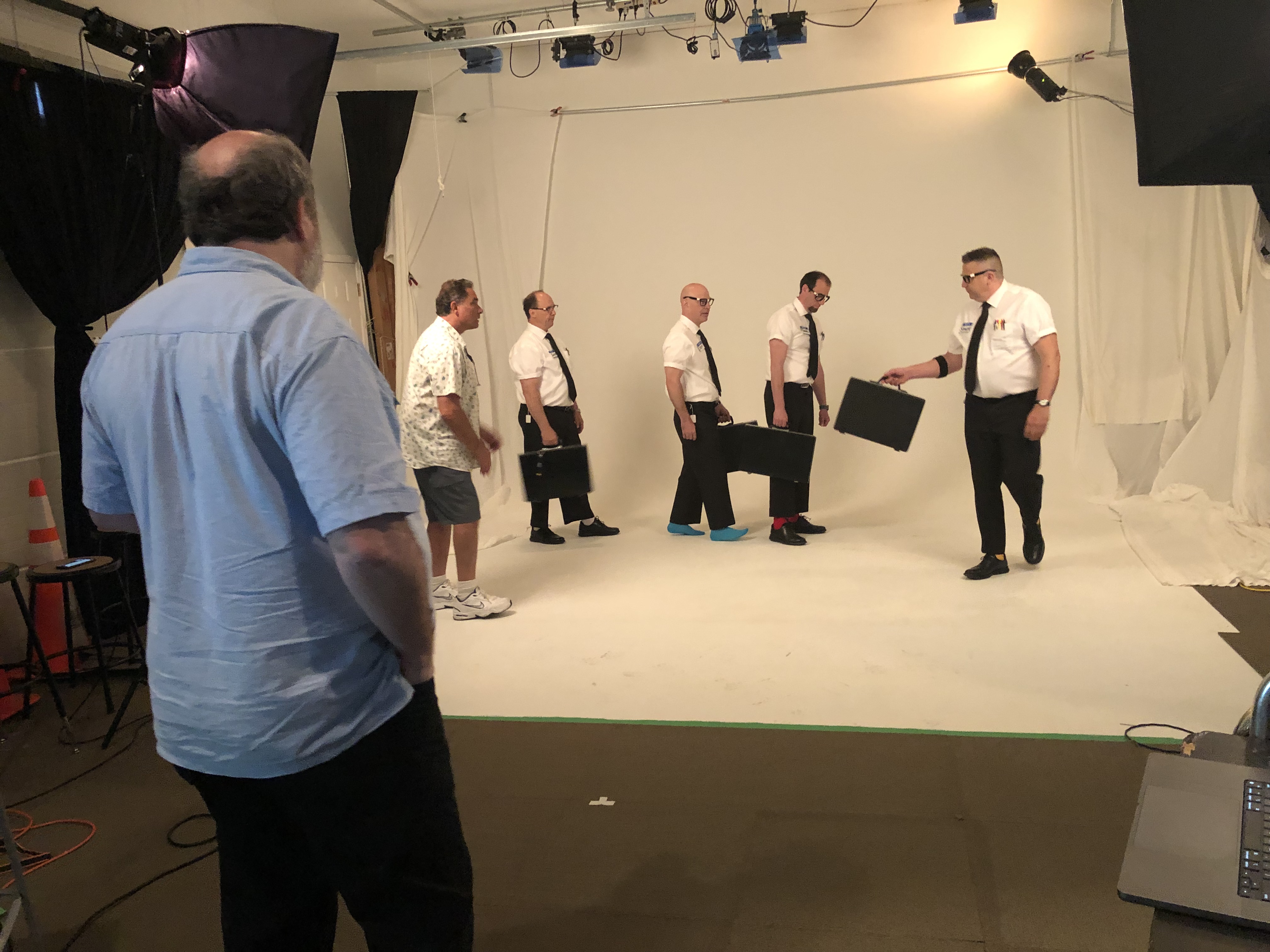
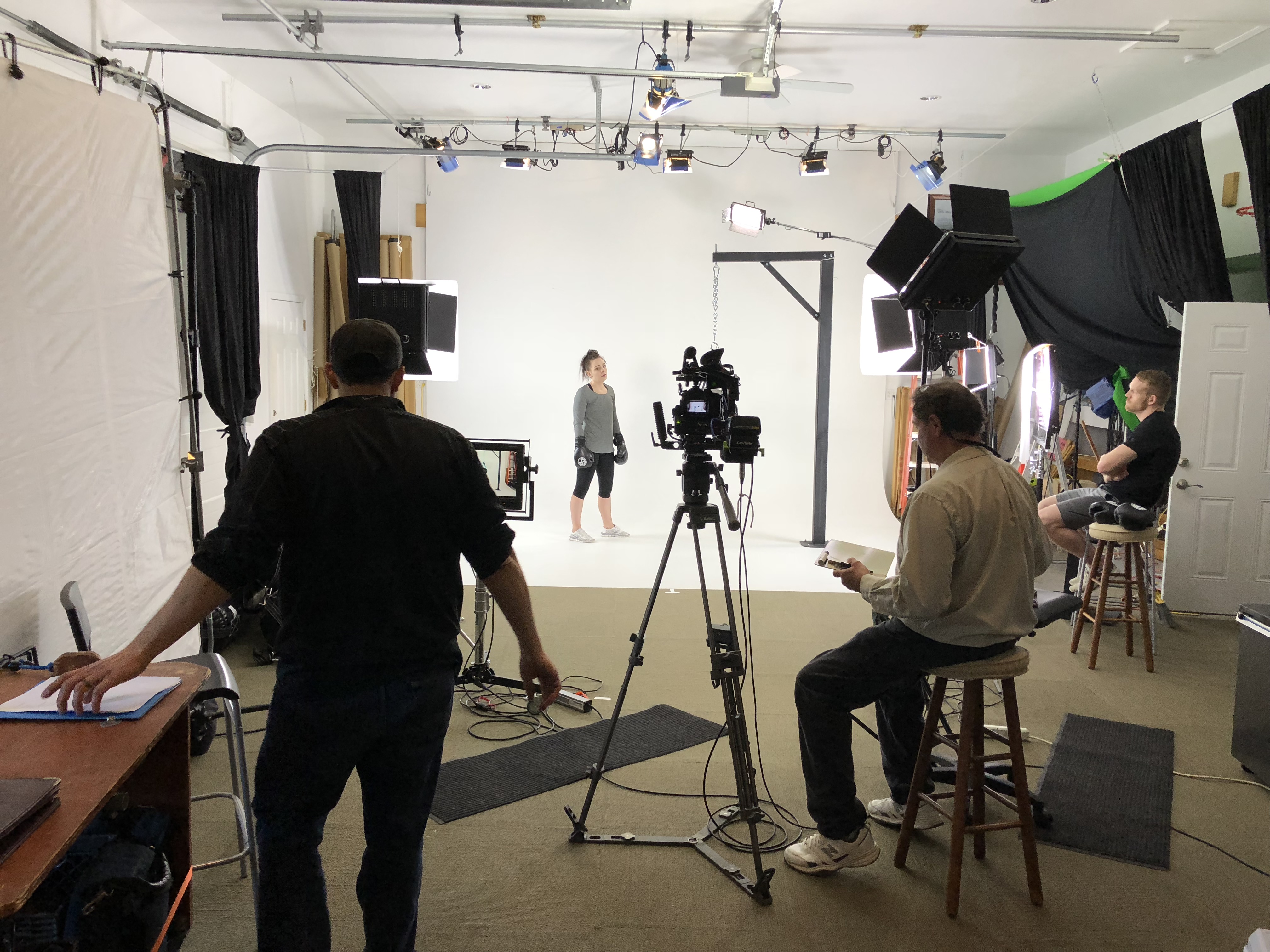
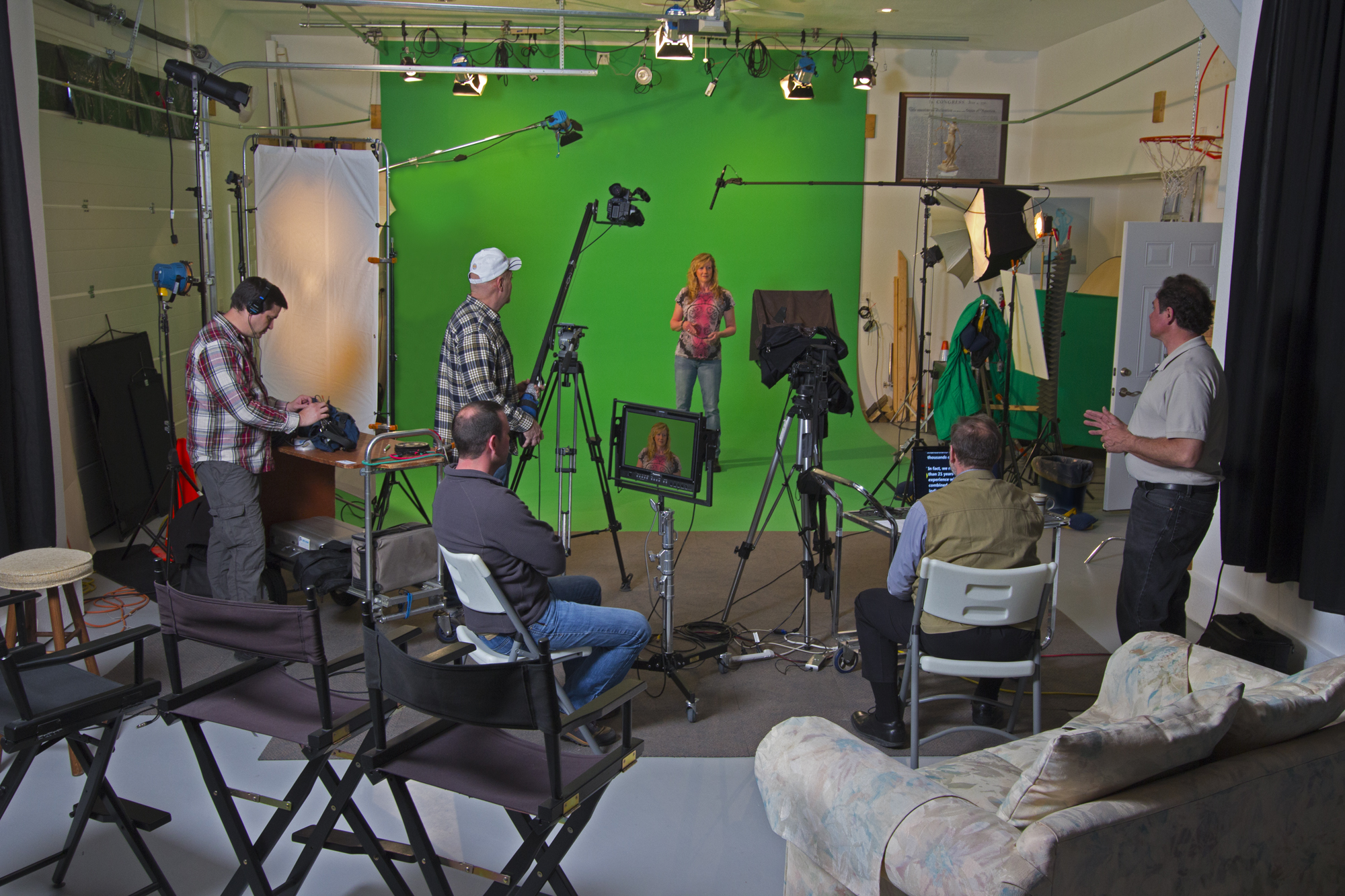
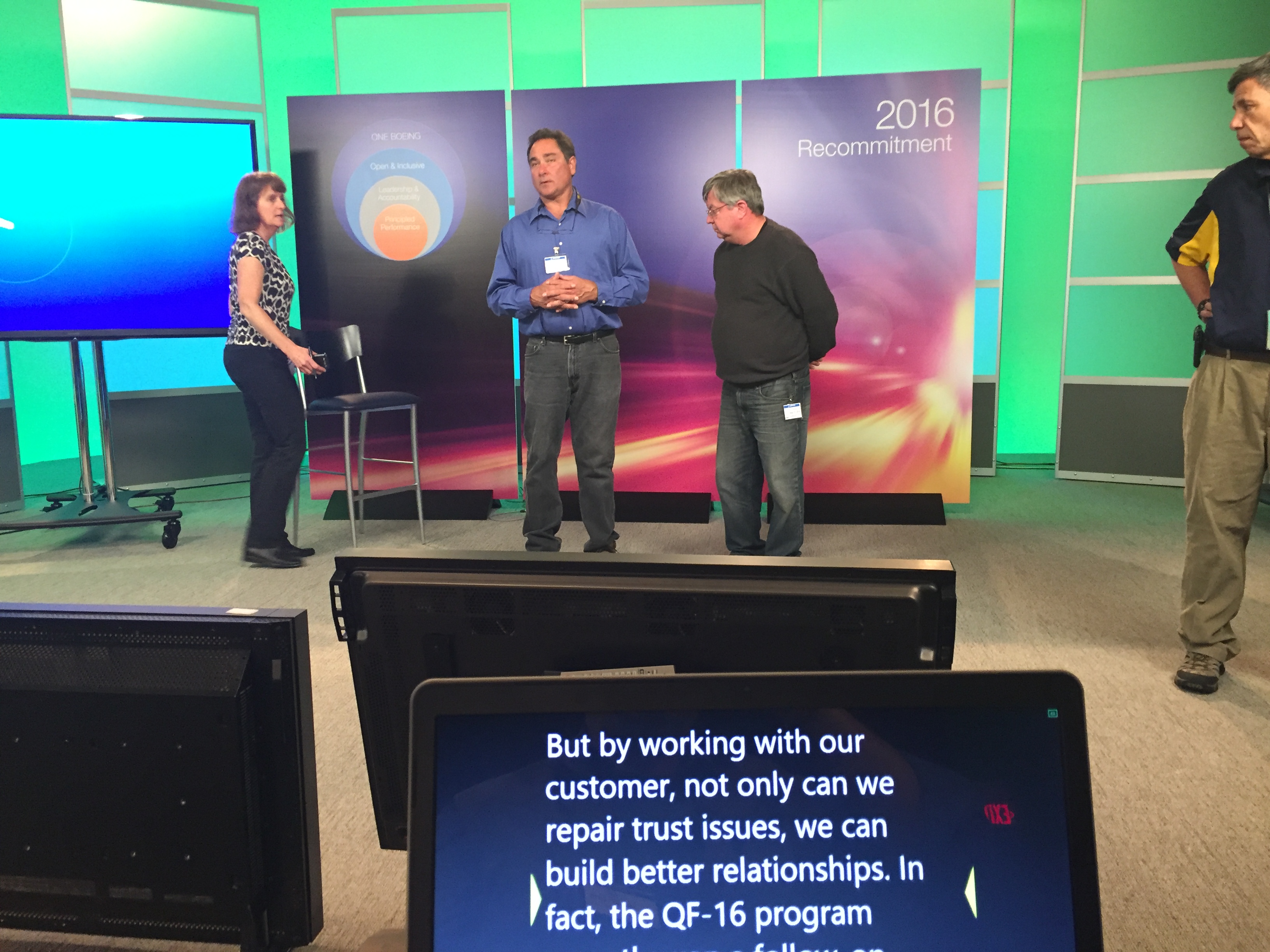
Our private studio lighting and visual setup are perfect for small productions and interview scenes. The studio is large enough to incorporate props, creating a complete set for your production. We also offer specialized drones capable of indoor flights, providing versatile solutions for various production needs.

Experienced and Dedicated Team

Our experienced team can assist with every aspect of your production, from custom interview studio setups to providing sound and camera operators. We have the equipment and expertise to make your next video production perfect.

Proven Track Record

St Louis Drones and Photo has successfully partnered with numerous businesses to gather data and measure stockpiles. Our commitment to accuracy, efficiency, and safety has made us a trusted provider in the industry.

In conclusion, leveraging drone technology for stockpile measurement and volume tracking offers significant advantages in terms of efficiency, accuracy, and safety. With St Louis Drones and Photo, you can trust that your data acquisition needs are in expert hands, ensuring the best outcomes for your projects. Contact us today to learn more about how we can assist with your next drone survey and production needs.

Rob Haller 314-604-6544 stlouisdrones@gmail.com
Utilizing Essential Drone Shots in Your Documentary

In the ever-evolving world of cinematography and filmmaking, drone technology has emerged as a game-changer. Drones have revolutionized the way we capture visuals, providing breathtaking aerial shots that were once only accessible through costly means. As an experienced drone pilot at St. Louis Drones, I’m here to guide you through the world of essential drone shots in documentary filmmaking. Whether you’re an aspiring filmmaker or a seasoned pro, understanding how to incorporate drone shots effectively can elevate your documentary to new heights.

Transitioning between drone shots and ground-level shots should be seamless. Use techniques like match cuts or complementary framing to make these transitions feel natural.

The Rise of Drones in Documentary Filmmaking

Documentaries have always strived to provide audiences with a unique perspective on real-world stories. The integration of drones into documentary filmmaking has expanded these storytelling possibilities exponentially. Drones enable filmmakers to capture stunning aerial footage, revealing the grandeur of landscapes, the complexity of urban environments, and the beauty of natural phenomena. They also provide an unconventional vantage point that adds depth and context to the narrative.

Types of Essential Drone Shots

To harness the full potential of drone technology in your documentary, it’s crucial to understand the various types of shots at your disposal and when to use them. Here are some essential drone shots to consider:

  1. Aerial Establishing Shots: Start your documentary with a breathtaking aerial shot that sets the scene and captures the viewer’s attention. Whether it’s a sweeping view of a cityscape, a vast natural landscape, or an iconic landmark, an establishing shot creates a visual anchor for your story.
  2. Reveal Shots: Use drone shots to reveal important elements or locations within your narrative. For example, if your documentary is about a hidden gem in a remote location, a drone can smoothly reveal the place as your story unfolds.
  3. Tracking Shots: Drones are excellent for dynamic tracking shots that follow a subject or object in motion. This can add energy and excitement to your documentary, especially when documenting action sequences or fast-paced events.
  4. Overhead Shots: Overhead shots provide a unique perspective, allowing you to capture the full scope of a location or event. These shots can be particularly useful for showcasing patterns, movement, or the scale of a subject.
  5. Top-Down Shots: Top-down shots offer a bird’s-eye view, which can be used to highlight details, patterns, or the layout of a scene. They’re especially effective for illustrating the interplay between people, objects, or elements.
  6. Crane Shots: Drones can replicate the effect of traditional crane shots but with more flexibility and at a fraction of the cost. Crane shots are great for revealing the vertical dimension of a scene, such as towering buildings or natural formations.
  7. 360-Degree Panoramas: Drones equipped with 360-degree cameras can capture immersive panoramas that provide a comprehensive view of a location or event. These shots are perfect for showcasing the entirety of a setting.
  8. Time-Lapse Shots: Drones can capture stunning time-lapse sequences, showing changes in a landscape, weather patterns, or the passage of time. Time-lapses can add a visually captivating element to your documentary.
  9. Subjective Shots: Create a sense of immersion by using drones for subjective shots that mimic a character’s point of view. This technique can help viewers connect more deeply with the subject matter.
  10. Emotional Shots: Drones can be used to evoke emotions by capturing the beauty of a scene or the intensity of a moment. For instance, a sweeping shot of a sunset can convey a sense of tranquility and nostalgia.

The Art of Cinematic Storytelling

While mastering the technical aspects of drone operation is essential, it’s equally important to understand how to use drone shots to enhance your documentary’s storytelling. Here are some tips on integrating drone shots seamlessly into your narrative:

1. Plan with Purpose

Before taking flight, plan your drone shots meticulously. Consider how each shot contributes to your documentary’s story and theme. What emotion or information does it convey? A well-thought-out plan ensures that your drone shots have a purpose and are not just added for visual flair.

2. Maintain Narrative Flow

Ensure that your drone shots complement the narrative flow of your documentary. Avoid using drones excessively or inappropriately, as this can disrupt the storytelling. Drone shots should enhance the viewer’s understanding and engagement with the subject matter.

3. Smooth Transitions

Transitioning between drone shots and ground-level shots should be seamless. Use techniques like match cuts or complementary framing to make these transitions feel natural. A jarring shift in perspective can take viewers out of the story.

4. Timing Is Key

Timing is crucial when capturing drone shots. Consider the time of day, weather conditions, and the movement of subjects or objects. Sometimes, waiting for the right moment can result in a shot that adds significant impact to your documentary.

5. Safety First

Safety should always be a top priority when operating drones for filmmaking. Ensure that you are aware of local regulations and obtain any necessary permits. Additionally, conduct thorough pre-flight checks to minimize the risk of accidents.

6. Post-Production Enhancement

The magic of drone shots often comes to life in the post-production phase. Utilize editing software to enhance colors, stabilize footage, and add cinematic effects. This step can elevate the visual quality of your drone shots.

Case Studies: Real-World Applications of Drone Shots

To illustrate the power of drone shots in documentary filmmaking, let’s delve into a couple of case studies that showcase how these shots can be effectively employed to tell compelling stories.

Case Study 1: “Wilderness Unveiled”

Synopsis: “Wilderness Unveiled” is a documentary that explores the hidden beauty of remote wilderness areas. The film aims to inspire viewers to appreciate and conserve these pristine environments.

Drone Shots Used:

  • Aerial Establishing Shots: The film begins with sweeping aerial shots of untouched landscapes, instantly captivating the audience and setting the tone.
  • Reveal Shots: Throughout the documentary, the drone is used to reveal hidden waterfalls, deep canyons, and hidden caves as the explorers journey deeper into the wilderness.
  • Time-Lapse Shots: Time-lapse sequences capture the changing seasons and the passage of time in these remote locations, highlighting the fragility of these ecosystems.

Impact: The drone shots in “Wilderness Unveiled” provide a sense of scale and wonder, drawing viewers into the heart of these pristine wilderness areas. They serve as a visual reminder of the importance of preserving these untouched landscapes for future generations.

Case Study 2: “Urban Metropolis”

Synopsis: “Urban Metropolis” is a documentary that explores the rapid growth and development of a bustling city. The film delves into the lives of its diverse residents and the challenges they face in a constantly changing urban landscape.

Drone Shots Used:

  • Aerial Establishing Shots: The documentary opens with a sweeping aerial view of the city skyline, immediately immersing viewers in the urban environment.
  • Tracking Shots: Drones are used to follow the daily lives of various city residents, capturing their routines and interactions from a unique perspective.
  • Top-Down Shots: Top-down shots are employed to showcase the intricate layout of the city, including its transportation networks and bustling streets.

Impact: The drone shots in “Urban Metropolis” provide viewers with a bird’s-eye view of the city’s evolution. They highlight the contrasts between modern skyscrapers and historic neighborhoods, emphasizing the city’s dynamic nature.

Challenges and Considerations

While drone shots can elevate your documentary, they also come with their own set of challenges and considerations:

1. Technical Proficiency

Operating a drone requires technical proficiency. It’s essential to undergo proper training and practice extensively to ensure that you can capture smooth, stable shots.

2. Battery Life

Drones have limited battery life, which can restrict the amount of aerial footage you can capture in a single flight. Careful planning and multiple batteries are often necessary.

3. Noise Pollution

Drones can generate noise, which may be undesirable in certain shooting environments. Be mindful of how drone noise might affect audio recording.

4. Legal and Safety Regulations

Compliance with local regulations and safety protocols is paramount. Violating airspace regulations or flying recklessly can lead to legal issues and accidents.

5. Weather Conditions

Weather can significantly impact drone operation. High winds, rain, or extreme temperatures may limit when and where you can fly.

6. Budget Considerations

Investing in a quality drone and accessories can be costly. It’s important to budget for both equipment and potential maintenance or repair costs.

The Expertise of St. Louis Drones

At St. Louis Drones, we understand the power of drone shots in documentary filmmaking. With our extensive experience and state-of-the-art equipment, we have helped numerous independent producers in the St. Louis area bring their documentaries to life. Our team of experienced drone videographers and producers is dedicated to creating insightful, accurate reporting that captivates audiences.

As a full-service drone video creation company, we offer a wide range of services to meet your documentary production needs. Whether you require studio or location video recording, editing, or photography, we have the expertise to customize your project. We’re well-versed in all file types and styles of drone media software and editing, ensuring that your documentary achieves the visual impact it deserves.

If you’re ready to take your documentary to the next level and incorporate essential drone shots, contact St. Louis Drones today. Let us collaborate with you to create a visually stunning and compelling documentary that resonates with your audience and tells your story with a unique perspective.

Discover the possibilities of drone cinematography with St. Louis Drones. Contact us today to discuss your documentary project and bring your vision to life.

Rob Haller 314-604-6544 stlouisdrones@gmail.com
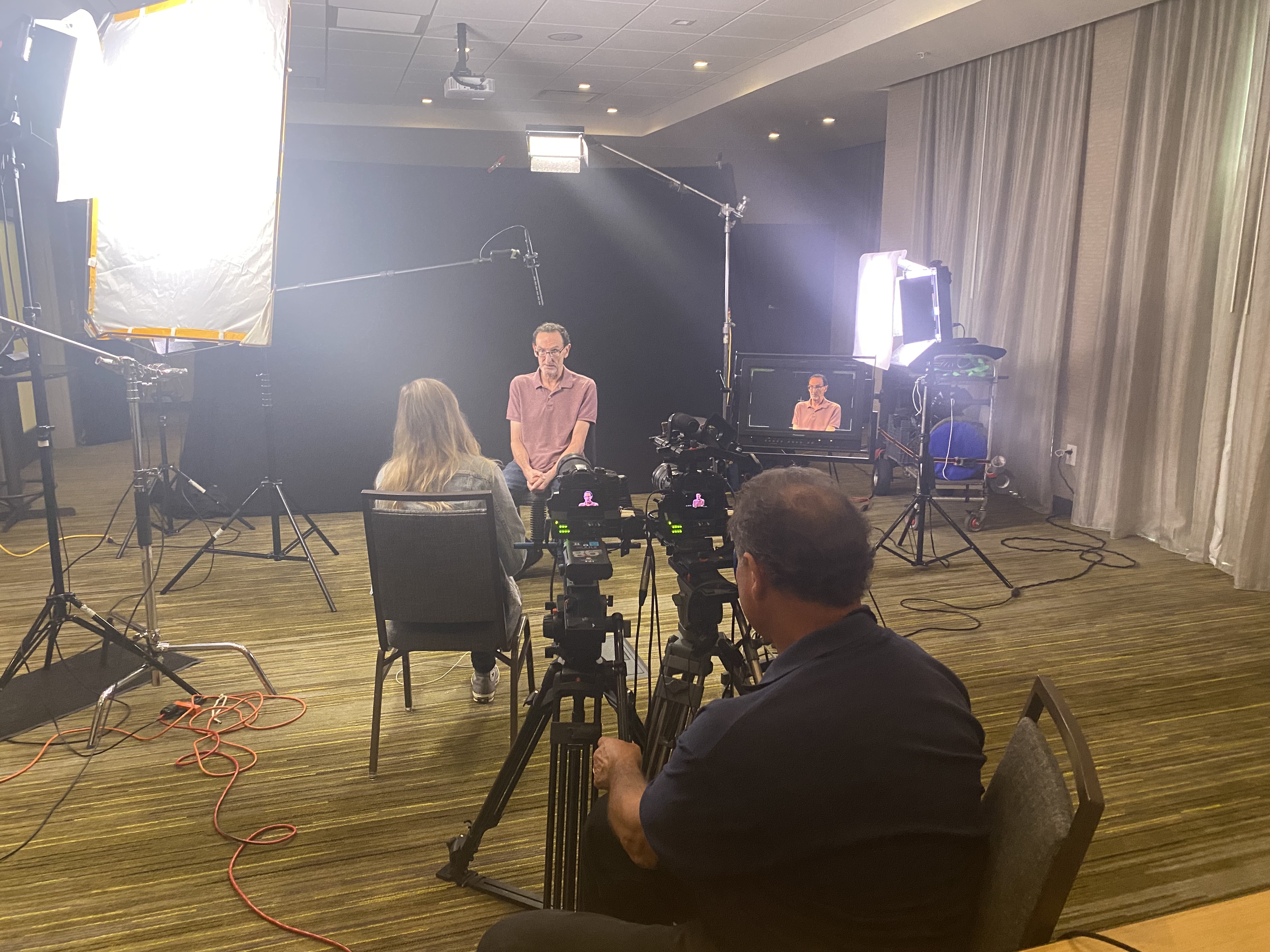
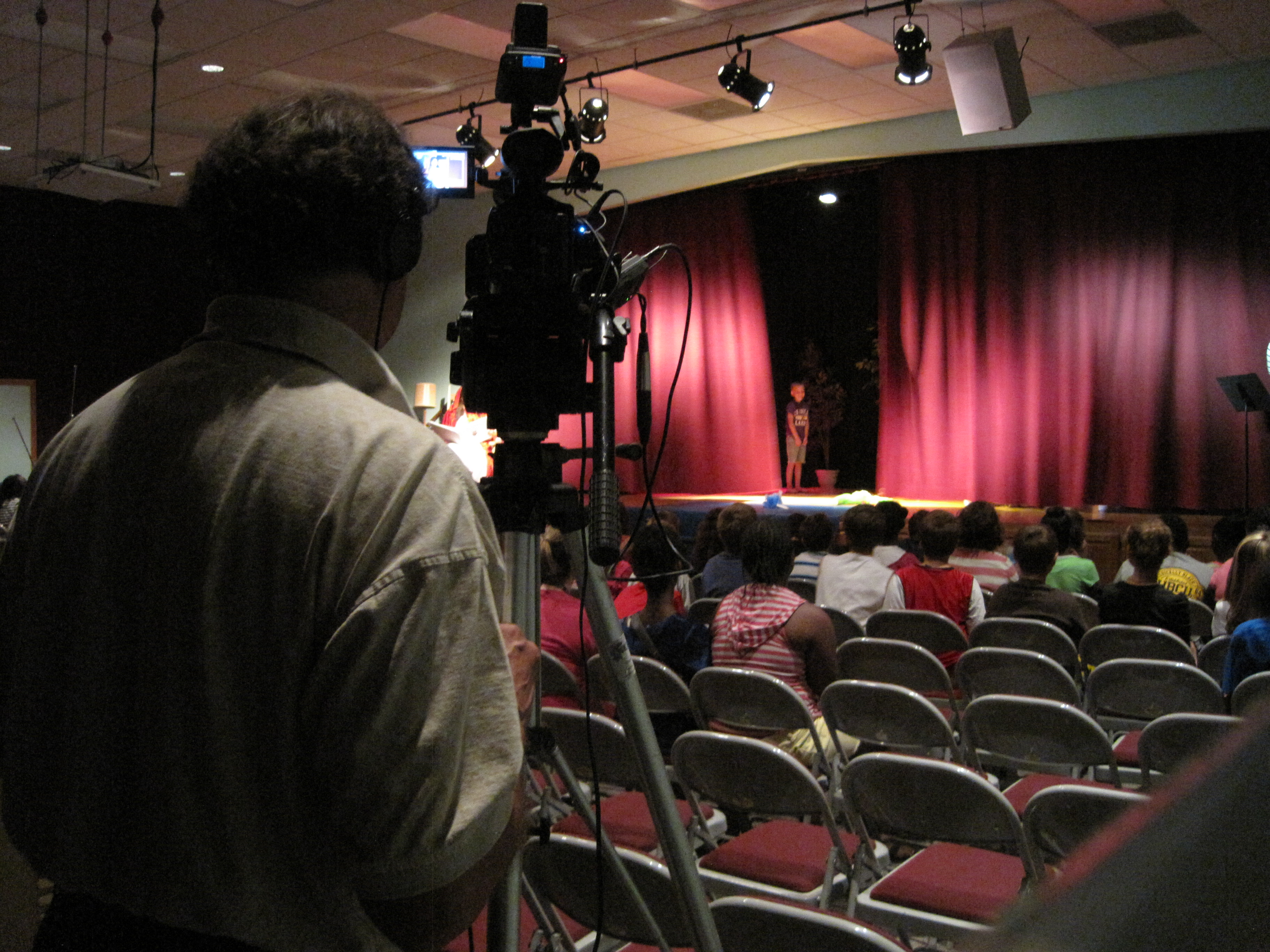
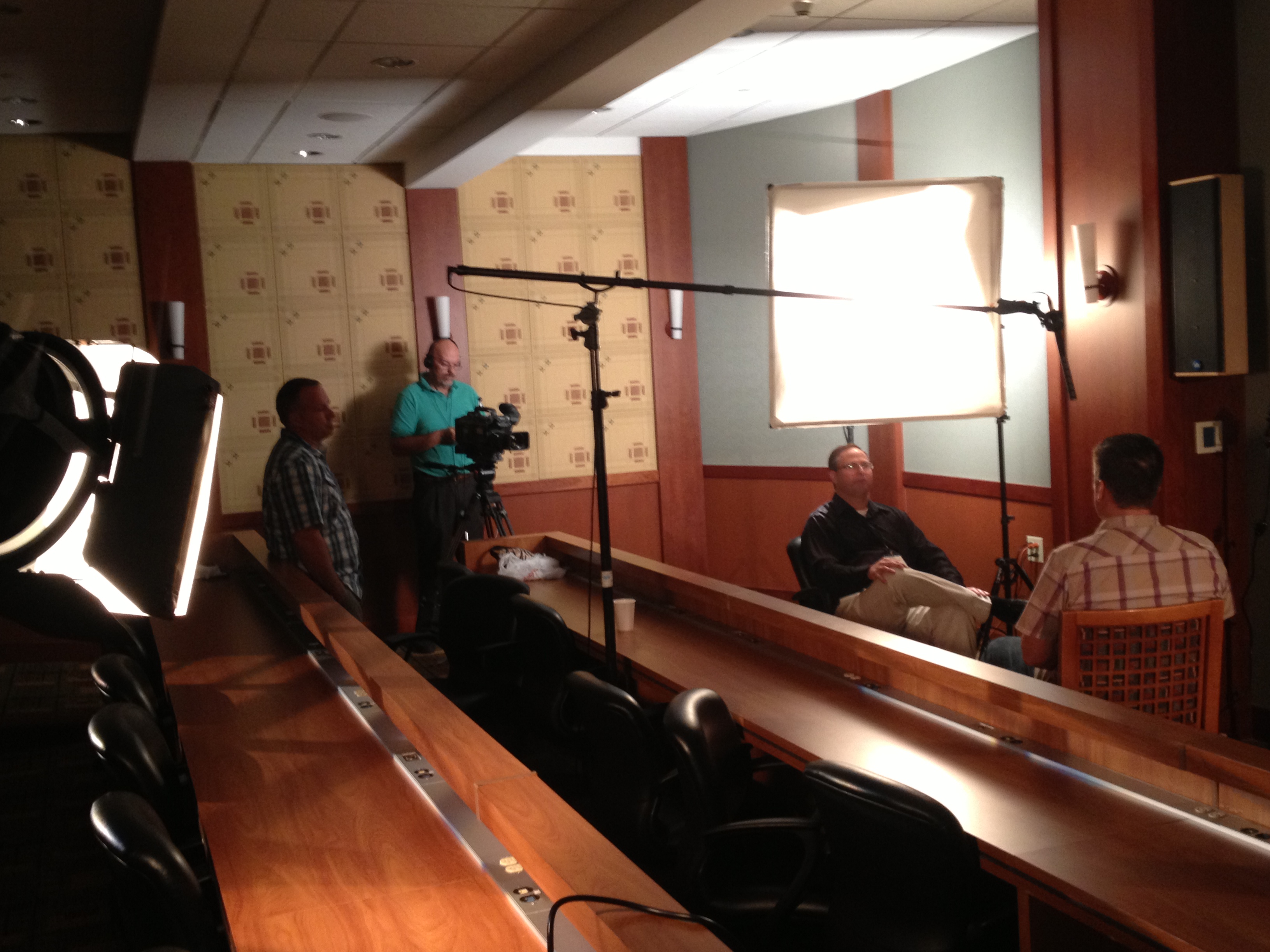
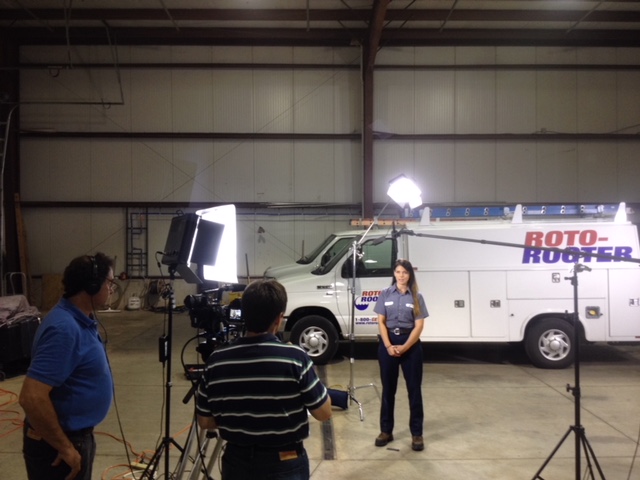
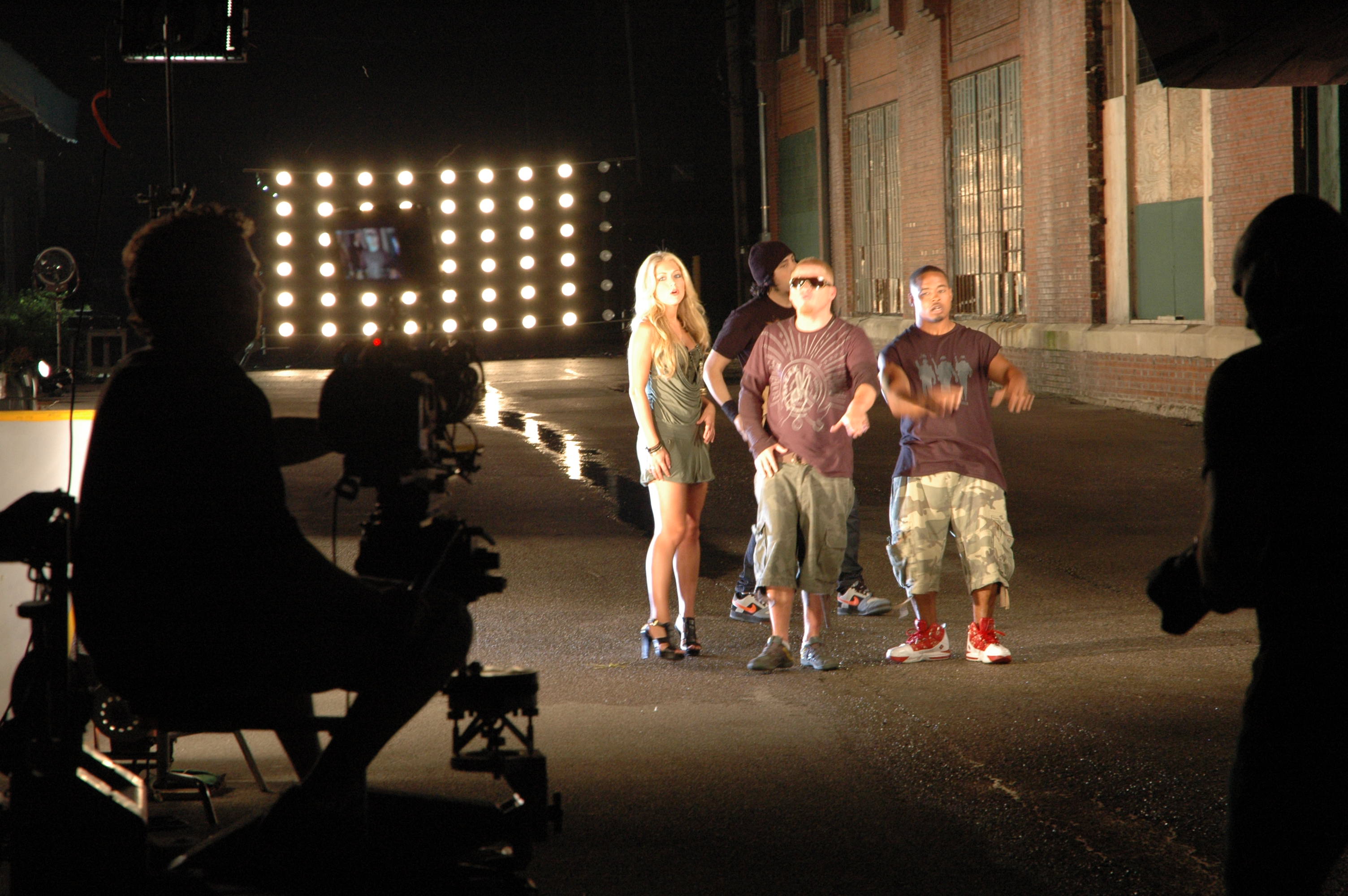
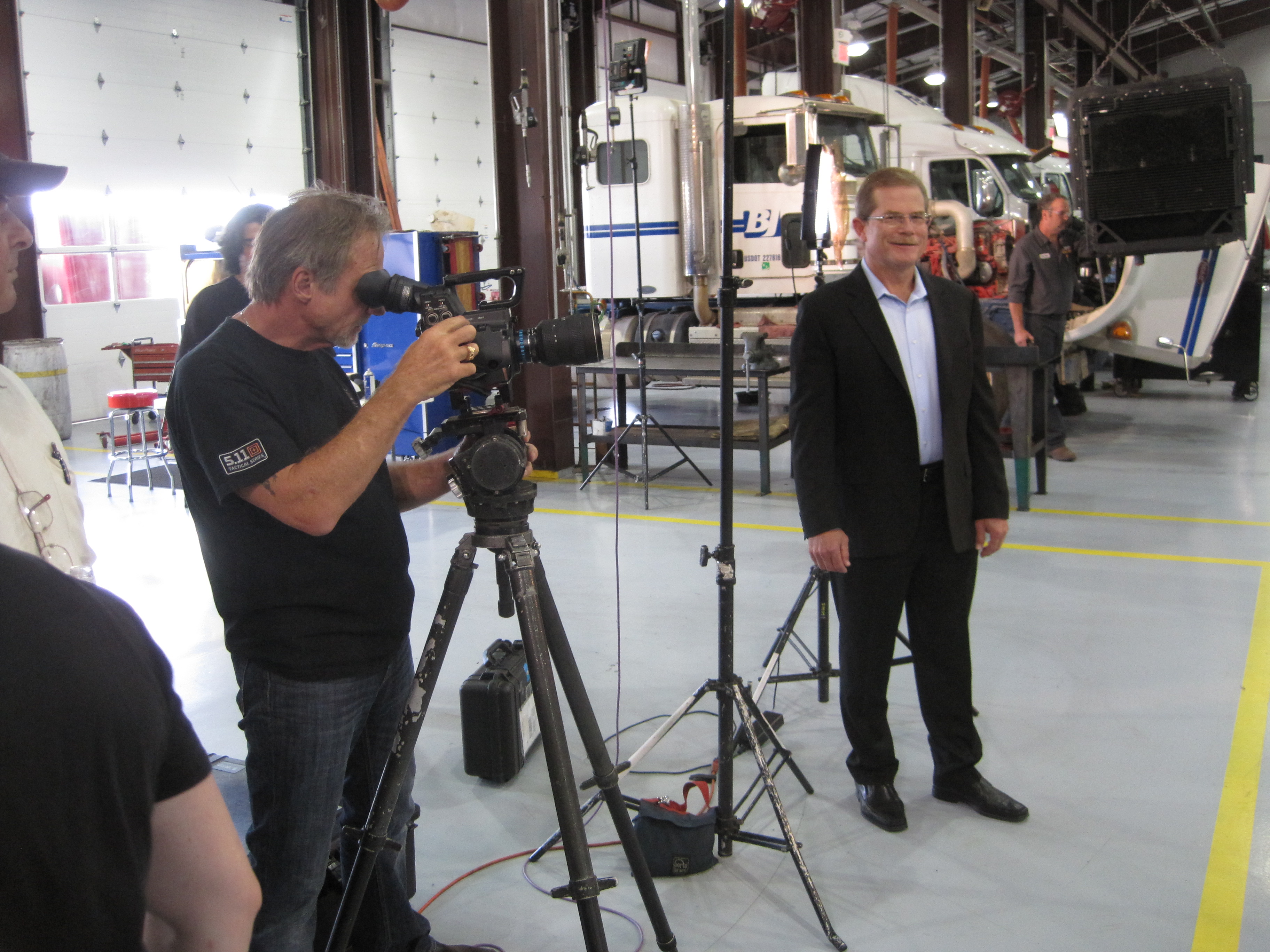
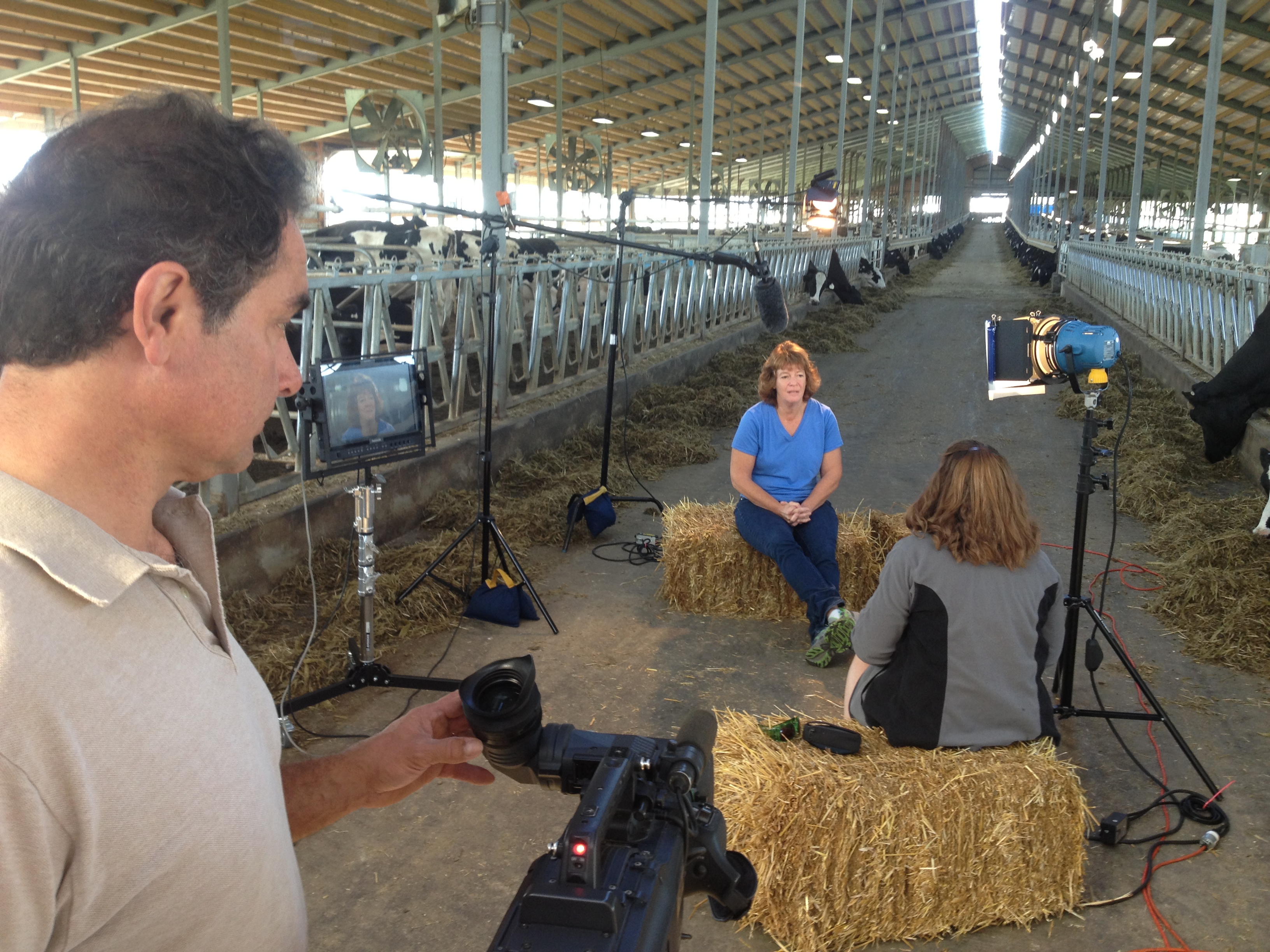
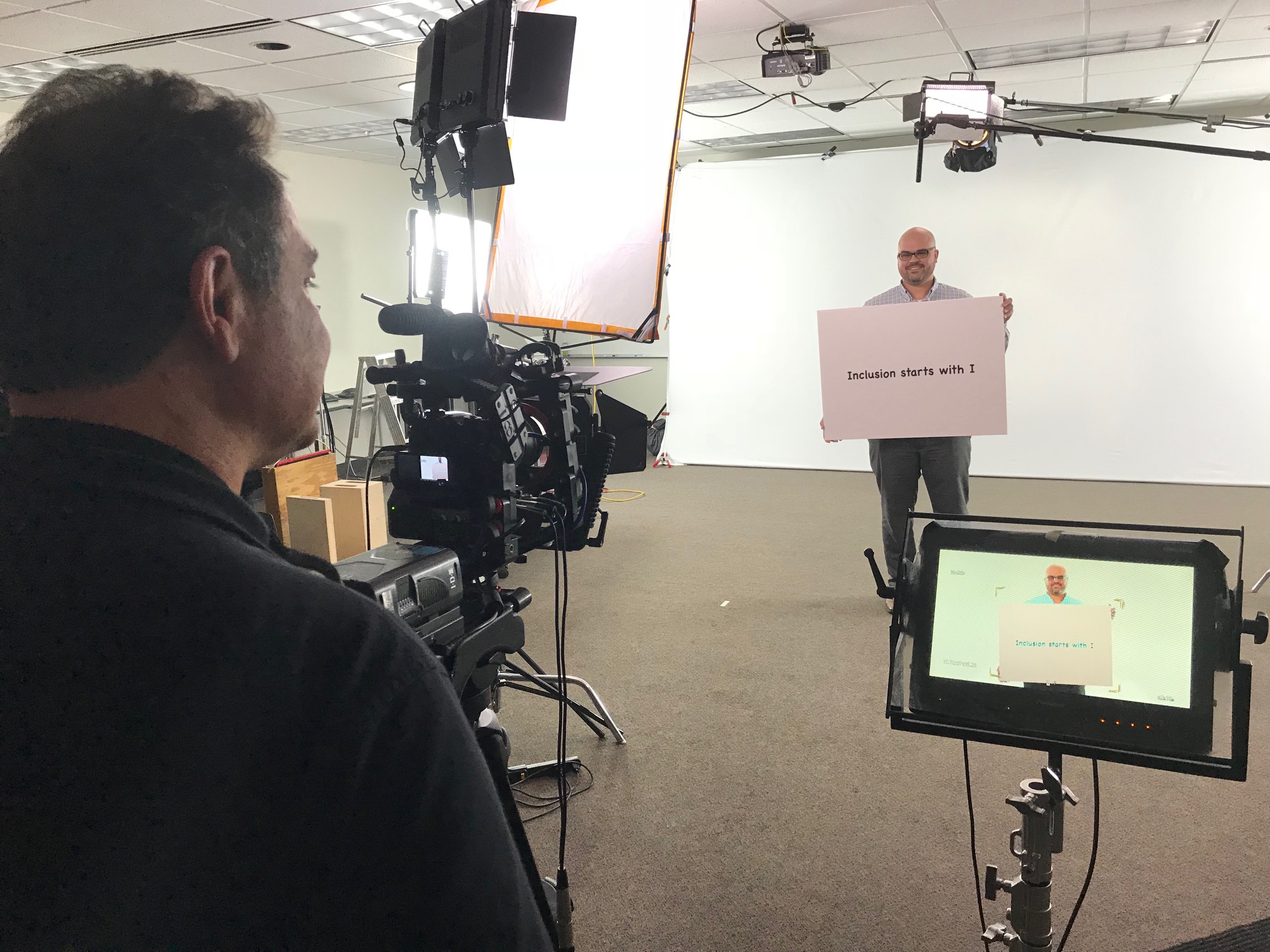
Video Crew Responsibilities for Testimonial and B-Roll Production

In the world of video production, creating compelling testimonials and b-roll footage is an art that requires precision, creativity, and a dedicated team of professionals. At St. Louis Drones, we take pride in being your trusted partner for testimonial and b-roll video production. With our extensive experience, cutting-edge equipment, and a talented crew, we’re here to guide you through the intricate process of producing memorable interviews and captivating b-roll footage. In this comprehensive guide, we will delve into the essential responsibilities of a video crew when undertaking testimonial and b-roll production.

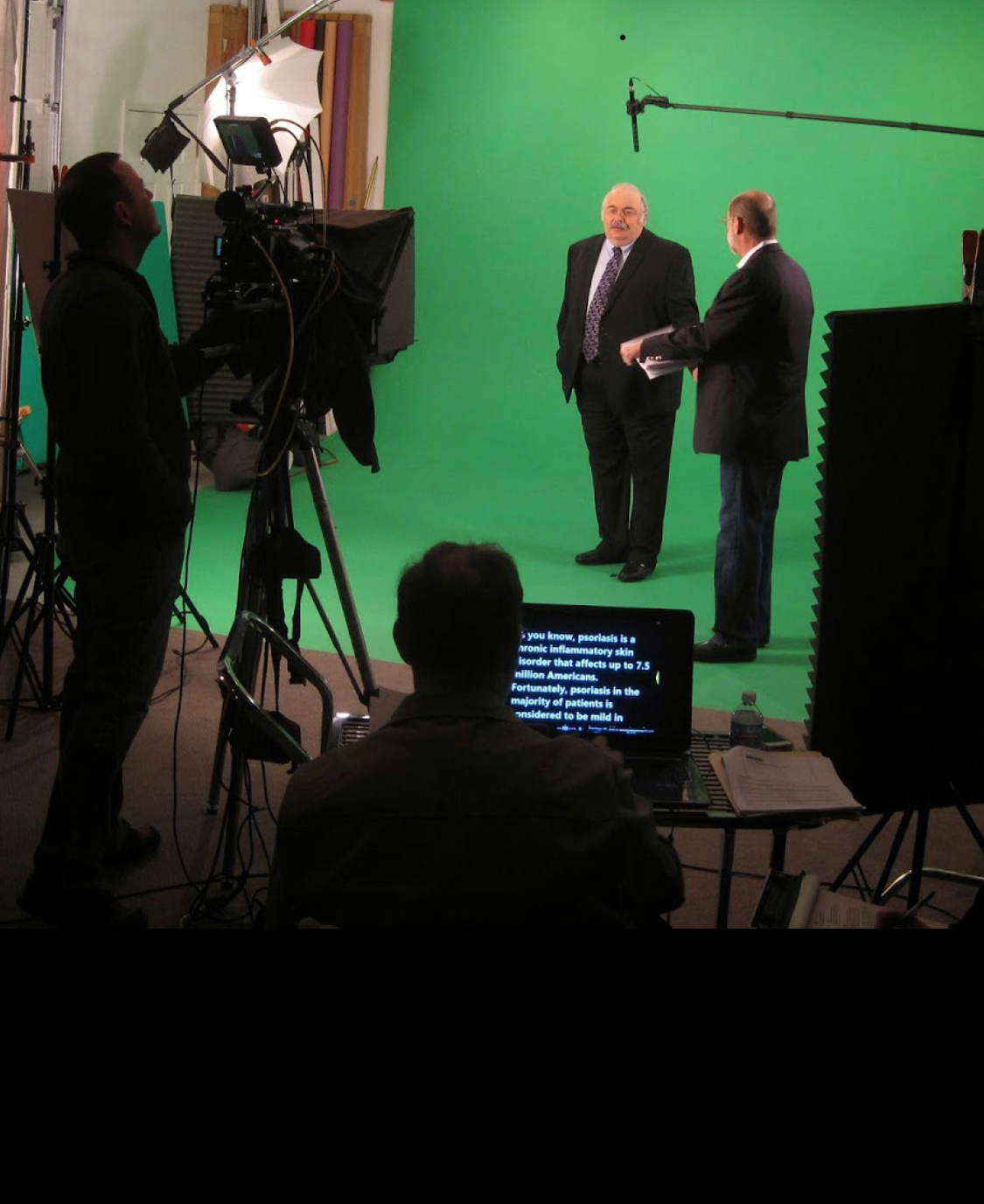
Editing with graphics and text provide context, highlight important points, and maintain a cohesive visual identity throughout the video.

Table of Contents

  1. Introduction
    • Understanding Testimonials and B-Roll
  2. Pre-Production
    • Conceptualization and Storyboarding
    • Location Scouting
    • Equipment Setup
  3. During the Shoot
    • Lighting and Framing
    • Conducting Interviews
    • Capturing B-Roll Footage
  4. Post-Production
    • Video Editing
    • Audio Enhancement
    • Color Grading
    • Adding Graphics and Text
  5. Final Touches
    • Review and Feedback
    • Exporting and Delivering
  6. Conclusion
    • St. Louis Drones: Your Full-Service Video Production Partner

Introduction

Understanding Testimonials and B-Roll

Before we dive into the intricacies of testimonial and b-roll production, let’s clarify what these terms mean.

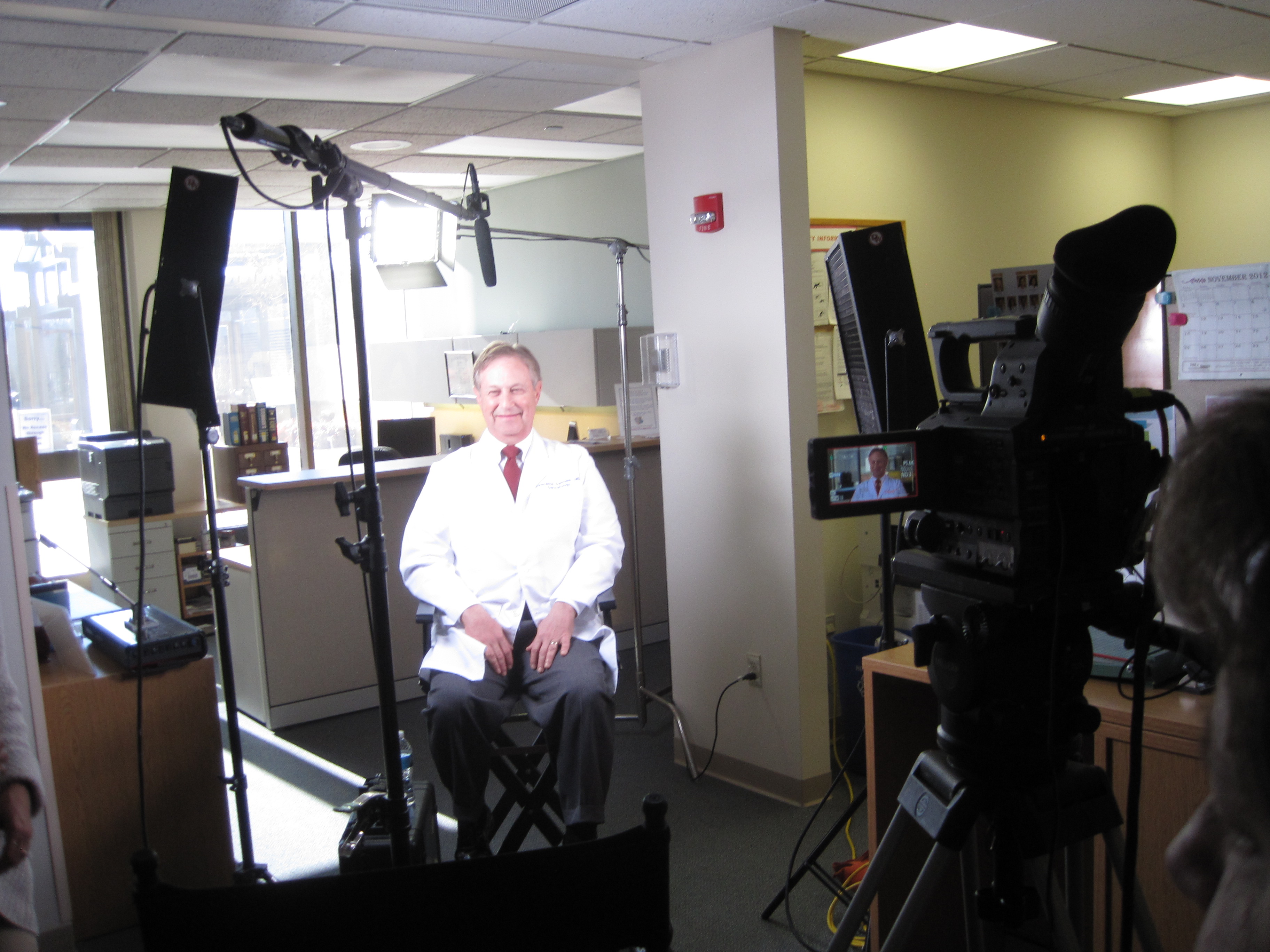
Testimonials are video interviews where individuals share their personal experiences, opinions, or endorsements of a product, service, or organization. These interviews are a powerful marketing tool, as they build trust and credibility with your audience.

B-roll consists of supplementary footage that enriches and complements the primary content, such as testimonials. It includes visuals of products, services, locations, or any relevant scenes that enhance the storytelling.

Now, let’s explore the responsibilities of a video crew during the entire production process.

Pre-Production

Conceptualization and Storyboarding

The first step in creating impactful testimonials and b-roll footage is conceptualization. This involves understanding the client’s goals, target audience, and message they want to convey. It’s essential to work closely with the client to determine the tone, style, and key points to be covered in the interviews.

Storyboarding comes next. This is where the video crew collaborates to visualize the entire project. It includes shot planning, sequencing, and identifying the necessary b-roll shots to complement the testimonials. A well-thought-out storyboard serves as a roadmap for the entire production.

Location Scouting

Selecting the right location is crucial to the success of testimonial and b-roll shoots. The video crew is responsible for scouting suitable locations that align with the client’s vision. Factors like lighting, background, and noise levels are taken into account. It’s essential to ensure that the chosen locations reflect the client’s brand and message effectively.

Equipment Setup

Once the concept and location are determined, the video crew is responsible for setting up the necessary equipment. At St. Louis Drones, we boast a wide array of cutting-edge video and audio equipment, including high-quality cameras, microphones, lighting rigs, and stabilizers. The crew ensures that all equipment is functioning optimally before the shoot begins.

During the Shoot

Lighting and Framing

Proper lighting and framing are critical for capturing visually appealing testimonials and b-roll footage. The video crew must pay attention to the quality of light, ensuring that the subjects are well-lit and free from harsh shadows. The choice of framing and camera angles plays a pivotal role in conveying the intended message.

Conducting Interviews

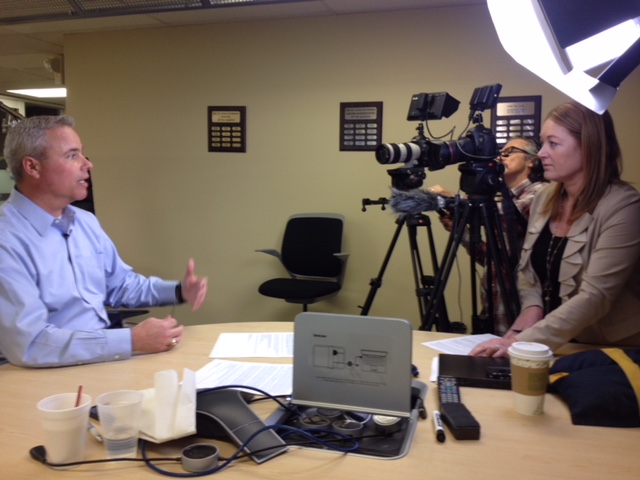
Interviewing subjects for testimonials requires skill and finesse. The crew should make the interviewees feel comfortable and encourage them to speak authentically. Thoughtful questions are prepared in advance to elicit meaningful responses. The video crew must also be adept at active listening, as spontaneous and unscripted moments often yield the most compelling content.

Capturing B-Roll Footage

While interviews are the focal point of testimonial videos, b-roll footage adds depth and context to the narrative. The video crew’s responsibility is to capture relevant b-roll shots that align with the storyboard. This may involve showcasing products, services in action, or capturing the essence of the location. Attention to detail is key in ensuring that b-roll seamlessly complements the testimonials.

Post-Production

Video Editing

Once the footage is captured, it’s time for the magic of post-production. Video editing is where the testimonial and b-roll footage come together to tell a cohesive story. The video crew uses professional editing software to assemble the clips, trim unnecessary segments, and arrange them in a logical sequence. Transitions and effects are applied to enhance the visual appeal.

Audio Enhancement

Superior audio quality is non-negotiable in testimonial videos. The video crew works on enhancing the audio by removing background noise, adjusting levels, and ensuring clear and crisp sound. Subtle background music may also be added to create an emotional impact.

Color Grading

Color grading is the process of adjusting the colors and tones in the footage to achieve a consistent and visually pleasing look. The video crew works on color correction to ensure that skin tones, backgrounds, and overall aesthetics are balanced and appealing.

Adding Graphics and Text

To reinforce key messages and branding, the video crew can incorporate graphics, text overlays, and lower thirds. These elements provide context, highlight important points, and maintain a cohesive visual identity throughout the video.

Final Touches

Review and Feedback

Before finalizing the video, it’s crucial to seek feedback from the client. The video crew collaborates with the client to review the edited footage and make any necessary revisions. This iterative process ensures that the final product aligns with the client’s vision and goals.

Exporting and Delivering

Once the client approves the final edit, the video crew exports the video in the desired format and resolution. St. Louis Drones is well-versed in all file types and styles of media, ensuring compatibility with various platforms and devices. We can also assist with optimizing the video for SEO, making it more discoverable online.

Conclusion

In the world of testimonial and b-roll production, a skilled video crew is indispensable. From pre-production planning to post-production refinement, each step requires expertise and attention to detail. At St. Louis Drones, we are your full-service video production partner, dedicated to creating memorable interviews and captivating b-roll footage that resonates with your audience.

As a full-service image creation company, St. Louis Drones has worked with many businesses in the St. Louis area to create impactful testimonials and b-roll. Our extensive equipment and experienced crew ensure that we can handle all your video and photo production needs, both in-studio and on location. We understand the importance of customizing your personal brand identity across diverse media platforms with proper SEO integration.

Whether you’re looking to elevate your marketing efforts with compelling testimonials or enhance your storytelling with engaging b-roll footage, St. Louis Drones has the expertise and resources to bring your vision to life. Contact us today to discuss your project and experience the difference of working with a trusted leader in the industry.

Let us be your partner in creating unforgettable video content that leaves a lasting impression. Reach out to us today and let’s embark on your next video production journey together!

Rob Haller 314-604-6544 stlouisdrones@gmail.com

Drone services for creative multimedia and marketing communications.

We produce original content for any industry that has an idea to develop, a product to promote, or a story to share. Providing captivating footage from all angles! We’ve been in the advertising and entertainment field since 1982, our pilots are extremely skilled in giving you the shot you require. Licensed and Insured, we are ready when you are.

From movie scenes to documentaries, commercials and music videos, the aerial and wide-angle shots that our crew captures are perfect for your next multimedia project.

We take a critical and creative look at the overall project uses which may include print, video, social, web and broadcast television. It is our goal to always help you build your library of multimedia assets so they can be used in any future platform.

stlouisdrones@gmail.com
Robert Haller, Drone Specialist
314-604-6544

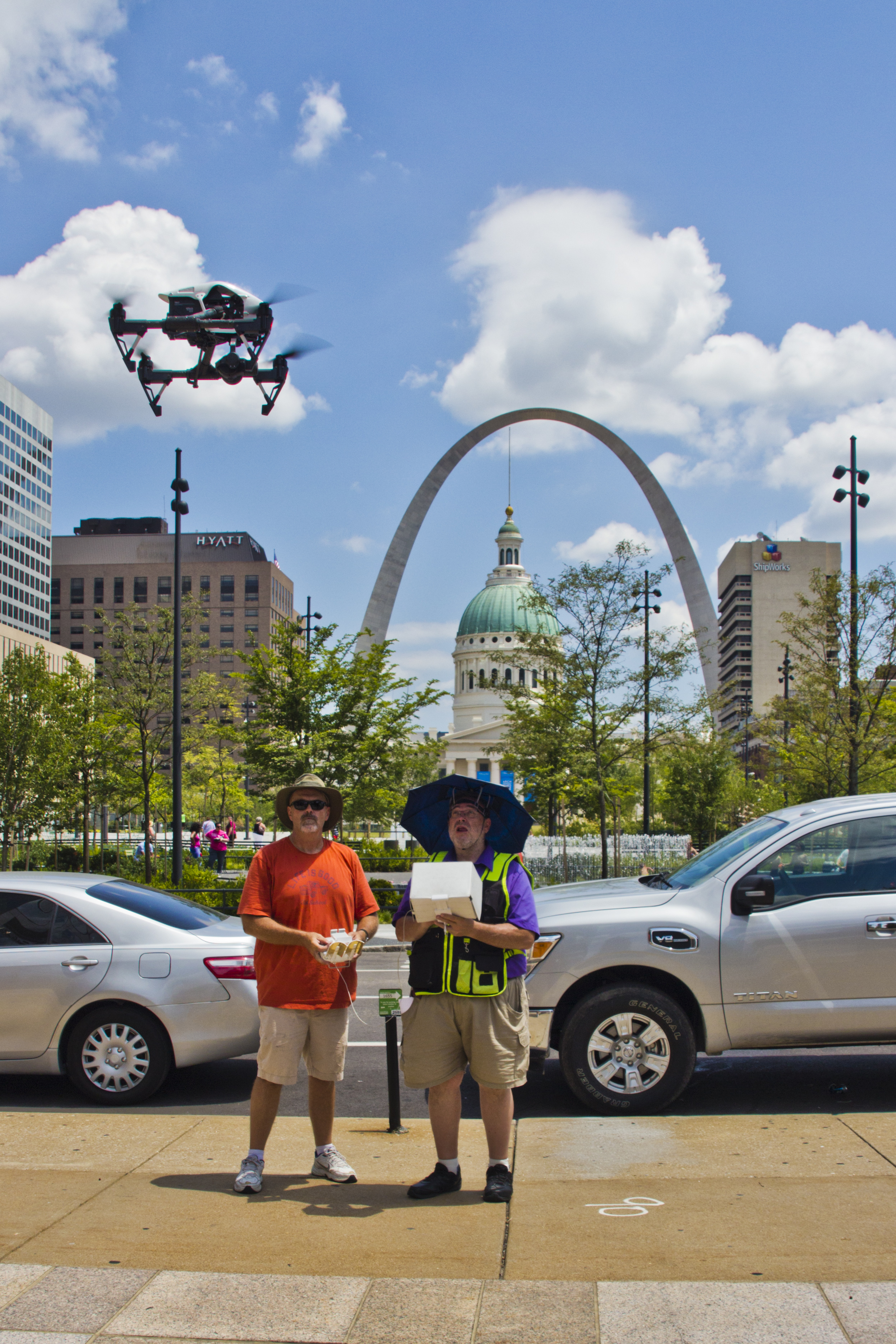
Commercial strip mall drone video crew.

Using a drone allows you to show the full action in real-time as opposed to a sequence of shots edited to mimic the action, it’s basically like adding a third dimension. This alone makes it a great way for a business to showcase their products; particularly in industries like agriculture, construction, commercial real estate, sports and any other situation that can be enhanced by taking advantage of this new and increasingly popular way to capture video.

stlouisdrones@gmail.com
Robert Haller, Drone Specialist
314-604-6544

3D Orthomosaic Mapping and FLIR Thermal Imaging

Orthomosaic Imagery

Drone Aerial Mapping

Map out your manufacturing plant, or your property to check for elevation, draining or highlight specific areas and show them in 3D.

Othomosaic is perfect for all of the above.  It consolidates numerous pictures into a single, highly detailed one you can zoom in on any part.

Drone Infrared and Thermal Imaging

We’re sUAS Thermography Level I certified and can provide you the drone infrared photos and/or videos of your plant location of property

Matrice 200 SUV Drone

Obstacle Avoidance – A robust Flight Autonomy system with front, bottom and upper sensors detects and avoids obstacles while enabling precision hovering so that you can fly with confidence.

Anti-Collision Beacon

Equipped with new top and bottom anti-collision beacons, the V2 drones are visible at night or in lowlight conditions, making operation in less than ideal conditions safer.

DJI AirSense

With a built-in ADS-B receiver, the DJI AirSense technology enhances airspace safety by automatically providing the operator with real-time information about nearby airplanes and helicopters.

Thermal FLIR

Join our next generation of commercial drone solutions with the XT2.

Pairing the FLIR Tau 2 thermal sensor and 4K visual camera with

DJI’s leading stabilization and machine intelligence technology,

the XT2 quickly transforms aerial data into powerful thermal insights

that save time, money – and lives.


Create Orthomosaic Maps

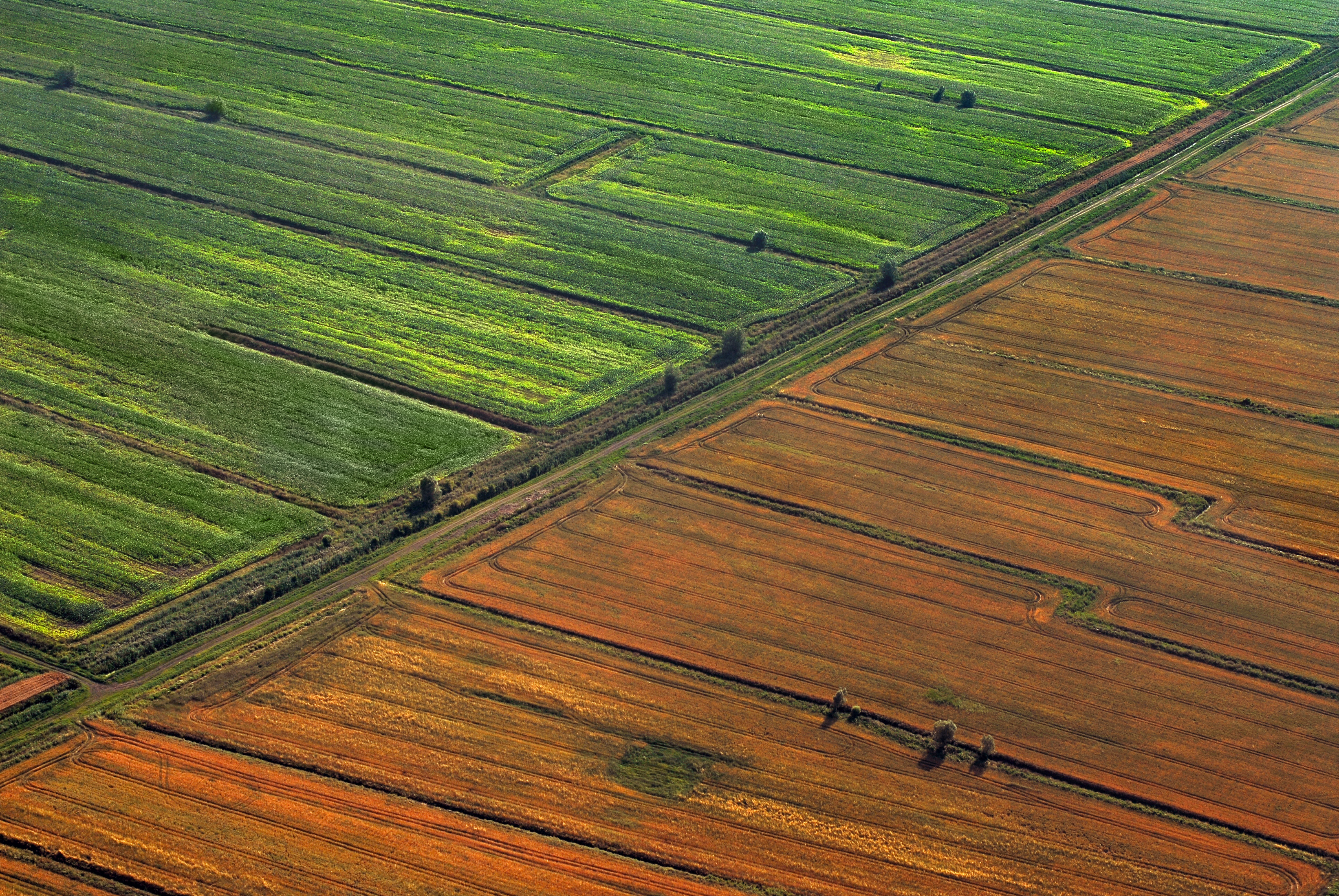
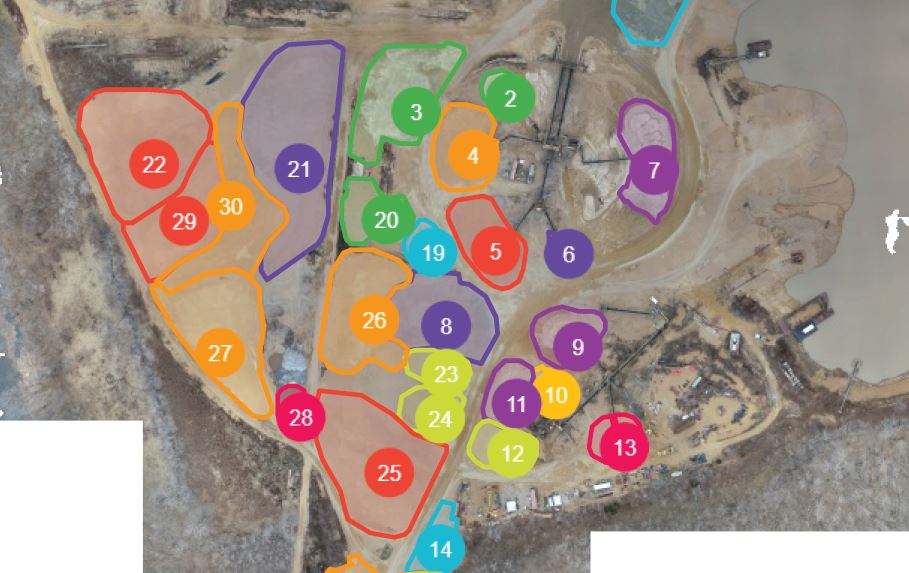
Orthomosaics are large, map-quality images made by combining aerial photos that have been orthorectified, or corrected for lens distortion, camera tilt, perspective, and topographic relief.


Use our drone imagery to generate high-resolution 2D maps and 3D models.  We’ll capture aerial images ideal for your type of project, process and generate orthomosaic maps and 3D models, and allow you to use your maps to measure distance, area, and volume.