In today’s competitive media landscape, captivating visuals aren’t a luxury—they’re a necessity. Marketers, producers, and creative agencies are constantly seeking ways to differentiate their brand stories and engage viewers. One powerful solution that continues to gain traction is the strategic use of drone footage in advertising and promotional content.
At St Louis Drones, we’ve spent decades helping businesses bring their vision to life with creative aerial imagery. In this post, we’ll explore how drone videography can be leveraged in advertising and promotional campaigns to enhance storytelling, expand production value, and ultimately drive results.
1. Establishing Shots that Build Presence
Drone footage immediately elevates your production by providing cinematic establishing shots. Whether it’s a sweeping flyover of your headquarters, a panoramic view of your outdoor event, or a dynamic reveal of a new development site, drone shots command attention and create a sense of scale. They’re perfect for setting the tone early in a promo or ad.
Use case: A commercial real estate firm promoting a new development uses a drone fly-in to showcase property access, layout, and neighborhood appeal—all within the first 10 seconds.
2. Dynamic Motion Creates Emotional Engagement
Drones introduce motion in a way that handheld and traditional camera systems cannot. With smooth tracking shots, overhead reveals, and fly-throughs, drones help brands evoke emotion and energy.
Use case: A fitness brand pairs energetic drone tracking shots with motivational messaging for a product launch video—showcasing athletes sprinting through urban landscapes from a bird’s-eye view.
3. Indoor Drone Shots: A Modern Twist on Product and Facility Showcases
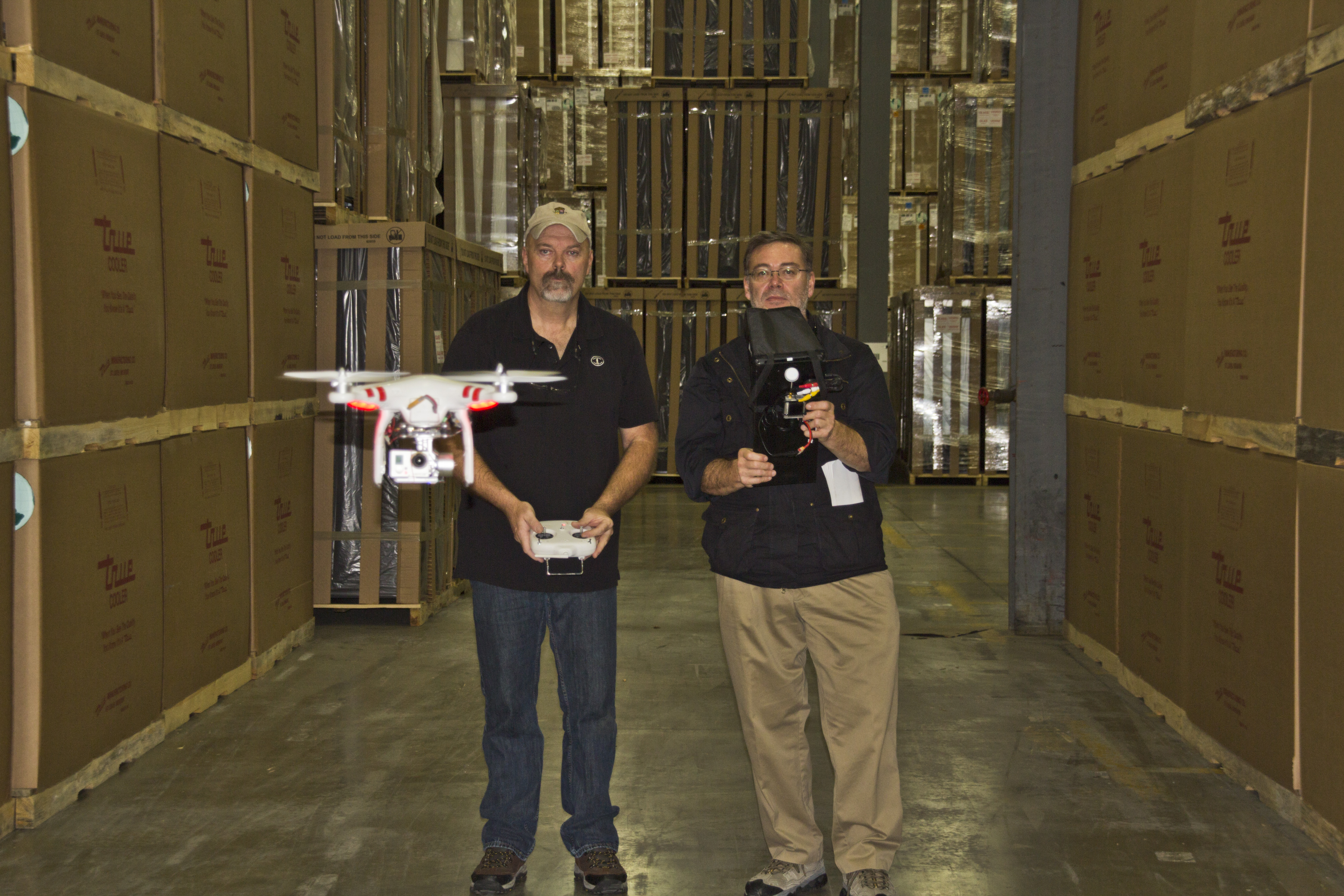
Our licensed drone pilots at St Louis Drones are trained to fly in tight indoor environments, making it possible to guide the viewer through your space in one continuous shot. This technique is ideal for product walkthroughs, warehouse tours, or manufacturing promos.
Use case: A brewery uses an indoor drone to give viewers a seamless behind-the-scenes tour from grain to tap, ending with a crowd enjoying the final product in the taproom.
4. Highlighting Logistics, Infrastructure, and Operations
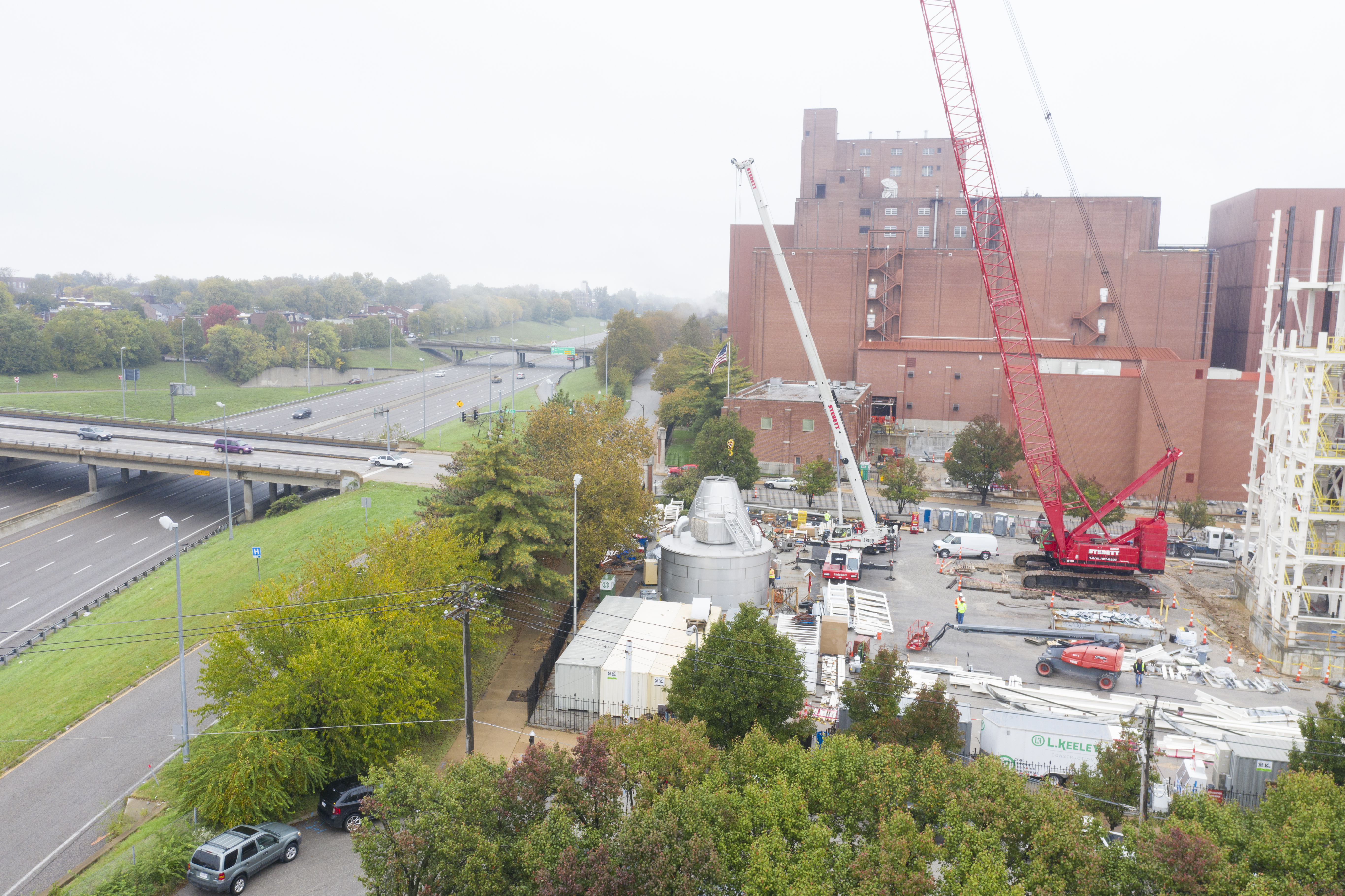
For industrial or logistics companies, drone footage is an efficient way to demonstrate the scale, coordination, and technological sophistication of your operations.
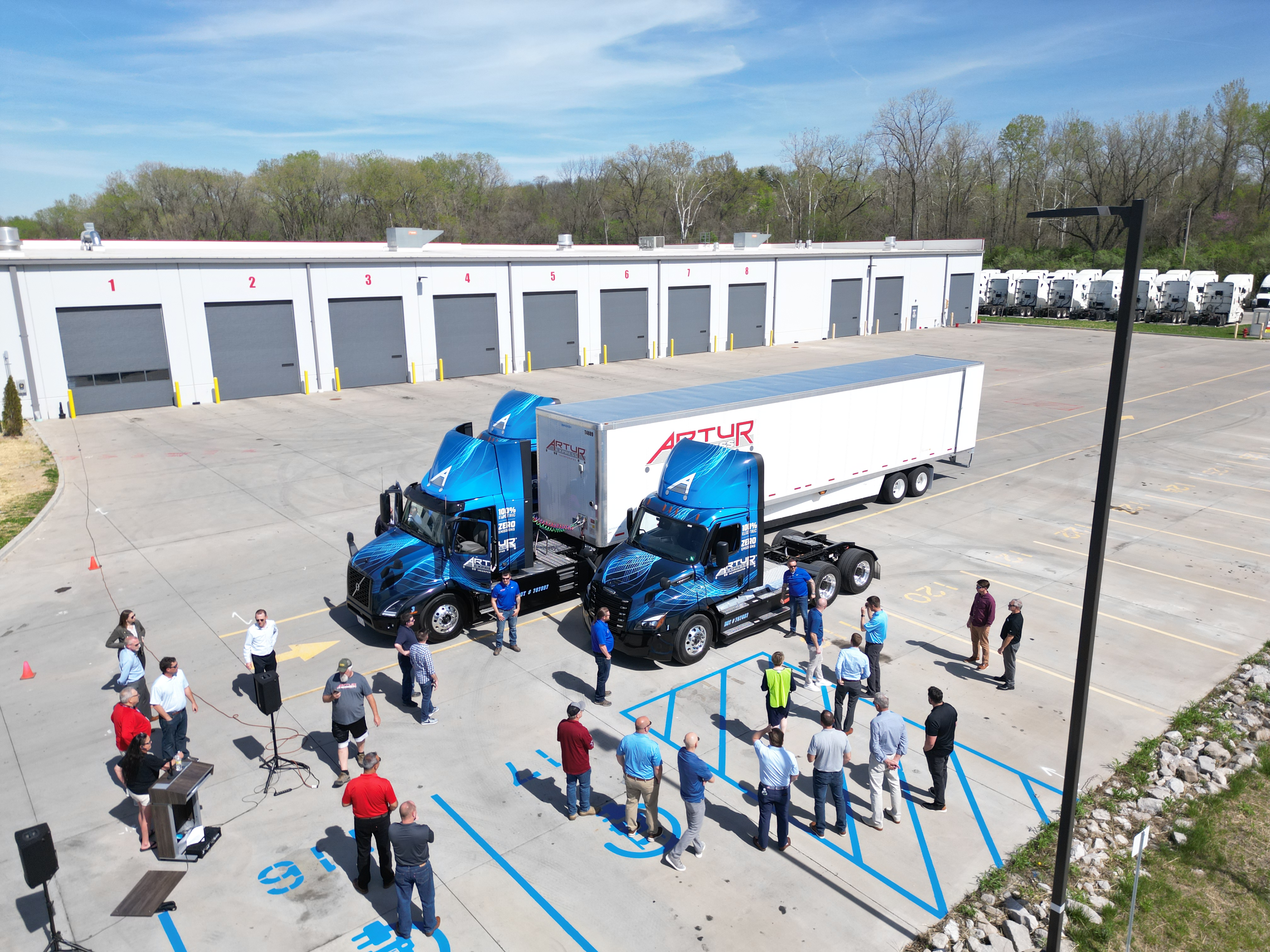
Use case: A supply chain company features aerial footage of truck movement, container coordination, and facility layout to illustrate operational excellence in a promo video for prospective clients.
5. B-roll that Breaks the Mold
Even in traditional interview-driven videos, aerial B-roll can transform the look and feel. Overlaying drone shots over voiceover or customer testimonials adds production value and keeps viewer interest high.
Use case: A tech company uses aerial B-roll of its office campus and employees commuting to complement customer success interviews in a case study video.
6. Seasonal and Time-of-Day Visuals for Mood and Tone
Drone footage can creatively capture sunrises, sunsets, fall colors, or snowfall, which can be repurposed across multiple campaigns and seasons. This adds emotional depth and thematic consistency to your content.
Use case: A healthcare organization’s fall campaign features a drone shot of golden trees surrounding their clinic, reinforcing their message of comfort and care through the seasons.
7. Social Media Cuts that Fly
Short-form videos and social media promos benefit from high-impact visuals. A quick 5-10 second drone shot can serve as a perfect hook for platforms like Instagram Reels, LinkedIn, or YouTube pre-roll ads.
Use case: A travel brand uses a 6-second drone shot of hikers atop a cliffside at sunrise as a pre-roll ad with the tagline “Find Your Next Adventure.”
Why Choose St Louis Drones for Aerial Content?
At St Louis Drones, we are a full-service professional commercial photography and video production company equipped with the latest technology and an expert crew. Since 1982, we’ve partnered with marketing firms, agencies, and businesses throughout the St. Louis area to produce compelling visual content.
We offer:
Licensed drone pilots skilled in both outdoor and indoor aerial work
Full-service editing and post-production capabilities
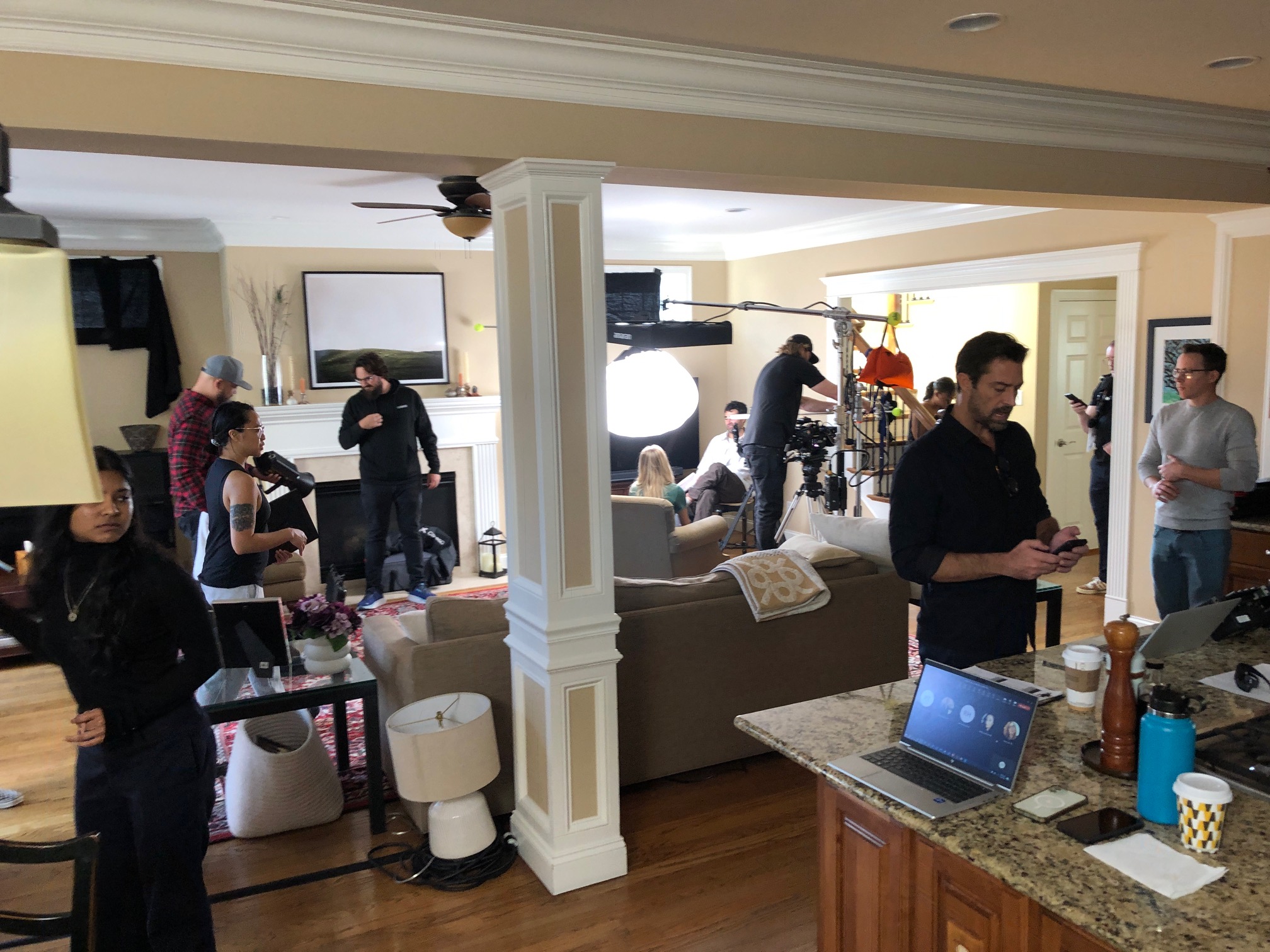
Custom studio setups with props and lighting for interviews and B-roll
Repurposing strategies to extend the value of your content across campaigns
AI-powered media tools to enhance editing workflows and content quality
Expertise in all file types, codecs, and formats for seamless integration into any media platform
Whether you need a high-impact opening shot for your ad, a facility walkthrough for your next promo, or drone footage that blends effortlessly into an interview-based video, St Louis Drones delivers the creativity, technical excellence, and strategic thinking you need for successful image acquisition.
Let’s elevate your brand—from the ground up and into the sky.
In the rapidly evolving landscape of marketing, capturing attention and creating lasting impressions is more challenging than ever. One of the most innovative and effective tools at your disposal is the FPV (First-Person View) drone. This technology has revolutionized the way businesses approach photography and video production, offering dynamic and immersive content that captivates audiences. As an experienced photographer and video producer at St Louis Drones, I’ll guide you through the benefits and applications of FPV drones in marketing, and explain why our company is the ideal partner for your next project.
Whether it’s a corporate gathering, product launch, or public festival, FPV drones can weave through crowds, capture candid moments, and provide a bird’s-eye view of the action.
Why FPV Drones?
1. Unmatched Perspective: FPV drones offer a unique perspective that traditional cameras and even standard drones can’t match. With the ability to navigate tight spaces, fly close to objects, and capture smooth, cinematic shots, FPV drones provide a fresh, exciting viewpoint that grabs viewers’ attention.
2. High Engagement Rates: The immersive experience of FPV drone footage leads to higher engagement rates. Audiences are more likely to watch, share, and remember videos that offer something different from the norm. This can significantly boost your marketing efforts and enhance brand recall.
3. Versatility: From indoor fly-throughs of your facilities to outdoor action shots, FPV drones are incredibly versatile. They can be used for various types of content, including product launches, event coverage, real estate tours, and more.
4. Cost-Effective Production: FPV drones can often reduce the need for multiple cameras and elaborate setups. Their ability to capture dynamic shots in a single take can streamline production processes and lower costs without compromising on quality.
Applications of FPV Drones in Marketing
1. Real Estate: Showcase properties like never before with immersive fly-throughs that give potential buyers a true sense of space and layout. Highlight key features with smooth, flowing shots that static images or traditional videos can’t achieve.
2. Events: Capture the excitement and atmosphere of live events. Whether it’s a corporate gathering, product launch, or public festival, FPV drones can weave through crowds, capture candid moments, and provide a bird’s-eye view of the action.
3. Corporate Videos: Enhance your corporate storytelling with dynamic aerial shots. FPV drones can add a modern, high-tech touch to your videos, making them more engaging and memorable.
4. Tourism and Hospitality: Entice travelers by showcasing destinations in a captivating way. FPV drone footage can highlight the beauty and uniqueness of hotels, resorts, and tourist attractions, providing potential visitors with an immersive preview.
St Louis Drones: Your Partner in Innovation
At St Louis Drones, we pride ourselves on being at the forefront of FPV drone technology. Here’s why we’re the right choice for your marketing content needs:
1. Full-Service Production: We offer comprehensive services, from initial concept development to final post-production. Our team handles everything, ensuring a seamless experience and a polished final product.
2. Experienced Crew: Our creative crew has years of experience in commercial photography and video production. We know how to capture the shots that make an impact and tell your story effectively.
3. Advanced Equipment: We use the latest in drone technology, including specialized drones for indoor use. Our equipment is top-of-the-line, ensuring the highest quality footage for your projects.
4. Custom Solutions: Every project is unique, and we tailor our services to meet your specific needs. Whether it’s a small studio setup or a large-scale outdoor shoot, we have the expertise and resources to deliver exceptional results.
5. Versatility and Adaptability: Our ability to repurpose your photography and video content for various media ensures you get the most value from your investment. We’re well-versed in all file types, styles of media, and accompanying software, making us a versatile partner for any marketing challenge.
6. Established Expertise: Since 1982, St Louis Drones has worked with numerous businesses, marketing firms, and agencies in the St. Louis area. Our long-standing reputation for quality and innovation speaks for itself.
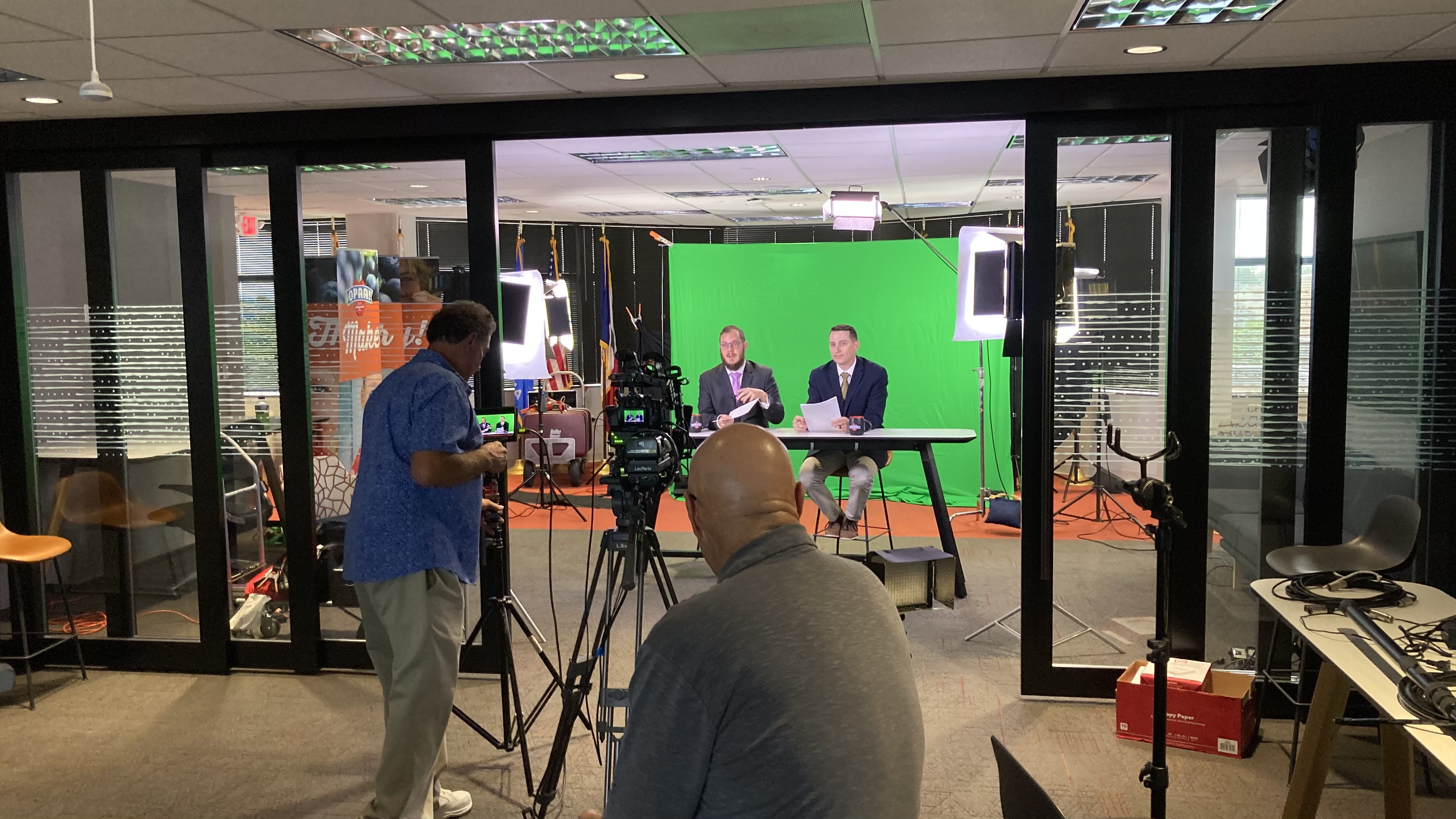
With our private studio lighting and visual setup, perfect for small productions and interview scenes, we can help bring your vision to life. Our studio is large enough to incorporate props and create a rounded set, and we can assist with every part of your production—from a custom interview studio setup to providing sound and camera operators to equipment.
In conclusion, FPV drones are a game-changer in the world of marketing content. Their unique capabilities can elevate your brand and engage your audience like never before. Partner with St Louis Drones to harness the power of FPV technology and take your marketing efforts to new heights. Our expertise, equipment, and dedication to excellence ensure that your next video production will be nothing short of perfect.
Producing high-quality interviews and B-roll footage is a fundamental skill for any filmmaker. Whether you’re creating corporate videos, documentaries, or promotional content, mastering these techniques can significantly elevate the production value of your projects. In this post, we’ll delve into the essential strategies and tips for capturing compelling interviews and dynamic B-roll footage.
Use wide shots to establish context, medium shots for detail, and close-ups for emotional impact.
Preparing for the Interview
Research and Planning
Before you even pick up the camera, thorough preparation is crucial. Understand your subject matter, research the interviewee, and prepare a list of questions that guide the conversation while allowing for natural flow. This preparation helps in creating a comfortable environment for the interviewee and ensures you capture the key messages needed for the final production.
Location Scouting
Choosing the right location can make or break your interview. Look for a setting that is visually interesting but not distracting. Ensure good natural lighting, or plan to bring in your own lighting equipment. Consider the acoustics of the space and minimize background noise as much as possible.
Technical Setup
Your technical setup should include high-quality cameras, microphones, and lighting. Use a three-point lighting setup to ensure your subject is well-lit and stands out from the background. Test your audio levels beforehand to avoid any unpleasant surprises during the editing process.
Conducting the Interview
Building Rapport
A relaxed interviewee will provide more genuine and engaging responses. Spend a few minutes before the interview chatting informally to build rapport. Explain the process and what you aim to achieve with the interview to put them at ease.
Framing and Composition
Pay attention to how you frame your subject. Use the rule of thirds to place the interviewee off-center, creating a more dynamic composition. Ensure the background complements the subject without being too distracting. A shallow depth of field can help keep the focus on the interviewee by blurring the background.
Active Listening
During the interview, listen actively to the responses. This not only shows respect to the interviewee but also helps you identify interesting points that you can explore further. Be ready to ask follow-up questions based on their answers to delve deeper into the topic.
Capturing B-Roll
Planning Your Shots
B-roll footage is essential for covering cuts, enhancing the narrative, and adding visual interest. Plan your B-roll shots based on the interview content. Think about what visuals will best illustrate the points made during the interview.
Variety of Shots
Capture a variety of shots to keep your B-roll dynamic. Use wide shots to establish context, medium shots for detail, and close-ups for emotional impact. Experiment with different angles and perspectives to add visual interest.
Movement and Stability
Incorporate movement into your B-roll shots to make them more engaging. Use sliders, gimbals, or drones to achieve smooth, professional-looking camera movements. However, ensure that your shots remain stable and not jarring to the viewer.
Post-Production Tips
Syncing Audio and Video
Ensure that your audio is perfectly synced with your video footage. This is especially important for interviews where the audio is a critical component of the narrative. Use clapperboards or digital markers to make syncing easier during editing.
Selecting the Best Takes
Review all your footage and select the best takes for your final edit. Look for moments where the interviewee is most natural and expressive. Combine these with your most compelling B-roll shots to create a cohesive and engaging story.
Color Grading and Sound Design
Enhance the visual appeal of your footage with color grading. Match the tones across different shots to maintain visual consistency. Pay attention to sound design as well, ensuring clear dialogue and adding ambient sounds or music to enhance the overall production quality.
Why Choose St Louis Drones for Your Next Production
At St Louis Drones, we bring extensive experience and expertise to every project. Our full-service professional commercial photography and video production company is equipped with the latest technology and a creative crew dedicated to capturing stunning visuals.
We offer comprehensive services including studio and location video and photography, editing, post-production, and licensed drone pilots. Our ability to customize productions for various media requirements ensures your content stands out across all platforms.
With our specialized indoor drones and private studio setup, we can handle productions of any scale, from small interview scenes to complex, multi-camera shoots. Our team is skilled in all file types and media styles, and we provide complete support from initial planning to final delivery.
We’ve successfully collaborated with numerous businesses, marketing firms, and agencies in the St. Louis area, delivering high-quality corporate photography and video. Trust St Louis Drones to make your next video production perfect.
For more information on how we can help elevate your brand with our professional services, contact us today.
Welcome to a behind-the-scenes glimpse into the dynamic world of testimonial videography. In the realm of visual storytelling, testimonial videos stand out as powerful tools for businesses and organizations to convey authentic narratives, establish credibility, and connect with their target audience on a deeper level. As experienced photographers and videographers at St Louis Drones, we understand the intricacies involved in capturing compelling testimonials that resonate with viewers and drive results.
Before the cameras start rolling, meticulous planning is essential to ensure a seamless production process.
Understanding the Essence of Testimonial Videography
Testimonial videos are more than just interviews; they are testimonials brought to life through the art of visual storytelling. At the heart of every successful testimonial video lies a genuine story, one that evokes emotion, builds trust, and leaves a lasting impression. As testimonial videographers, our role extends beyond simply recording footage; it involves cultivating an environment where interviewees feel comfortable sharing their experiences authentically.
Preparing for the Shoot
Before the cameras start rolling, meticulous planning is essential to ensure a seamless production process. This involves understanding the client’s objectives, identifying key interviewees, and scouting locations that complement the narrative. At St Louis Drones, we leverage our expertise to develop a comprehensive strategy that aligns with the client’s vision and goals.
Capturing Authenticity on Camera
On the day of the shoot, our team arrives equipped with state-of-the-art gear and a keen eye for detail. We strive to create an environment where interviewees feel relaxed and confident, allowing their authentic personalities to shine through. Through strategic framing, lighting, and direction, we capture genuine moments that resonate with viewers and convey the essence of the testimonial.
Post-Production Magic
Once the footage is captured, the magic happens in the editing room. Our skilled editors meticulously weave together interviews, b-roll footage, and graphics to craft a cohesive narrative that captivates audiences. From color grading to audio mastering, every aspect of post-production is carefully tailored to enhance the visual impact and effectiveness of the testimonial video.
Leveraging Testimonial Videos for Success
A well-produced testimonial video has the power to elevate a brand’s reputation, attract new customers, and drive business growth. At St Louis Drones, we understand the importance of repurposing testimonial content across various marketing channels to maximize its reach and impact. Whether it’s website embeds, social media snippets, or email campaigns, we work closely with our clients to develop a tailored distribution strategy that amplifies their message and generates results.
Elevate Your Brand with St Louis Drones
As a full-service video and photography production company, St Louis Drones has a proven track record of delivering exceptional results for businesses, marketing firms, and agencies in the St. Louis area. With our extensive experience, cutting-edge equipment, and creative expertise, we are committed to bringing your vision to life and helping you achieve your goals through the power of visual storytelling.
Contact us today to learn how St Louis Drones can elevate your brand through captivating testimonial videos and comprehensive photography and video production services.
As a full-service video and photography production company, St Louis Drones has worked with many businesses, marketing firms, and agencies in the St. Louis area for their corporate photography and video.
In the ever-evolving world of cinematography and filmmaking, drone technology has emerged as a game-changer. Drones have revolutionized the way we capture visuals, providing breathtaking aerial shots that were once only accessible through costly means. As an experienced drone pilot at St. Louis Drones, I’m here to guide you through the world of essential drone shots in documentary filmmaking. Whether you’re an aspiring filmmaker or a seasoned pro, understanding how to incorporate drone shots effectively can elevate your documentary to new heights.
Transitioning between drone shots and ground-level shots should be seamless. Use techniques like match cuts or complementary framing to make these transitions feel natural.
The Rise of Drones in Documentary Filmmaking
Documentaries have always strived to provide audiences with a unique perspective on real-world stories. The integration of drones into documentary filmmaking has expanded these storytelling possibilities exponentially. Drones enable filmmakers to capture stunning aerial footage, revealing the grandeur of landscapes, the complexity of urban environments, and the beauty of natural phenomena. They also provide an unconventional vantage point that adds depth and context to the narrative.
Types of Essential Drone Shots
To harness the full potential of drone technology in your documentary, it’s crucial to understand the various types of shots at your disposal and when to use them. Here are some essential drone shots to consider:
Aerial Establishing Shots: Start your documentary with a breathtaking aerial shot that sets the scene and captures the viewer’s attention. Whether it’s a sweeping view of a cityscape, a vast natural landscape, or an iconic landmark, an establishing shot creates a visual anchor for your story.
Reveal Shots: Use drone shots to reveal important elements or locations within your narrative. For example, if your documentary is about a hidden gem in a remote location, a drone can smoothly reveal the place as your story unfolds.
Tracking Shots: Drones are excellent for dynamic tracking shots that follow a subject or object in motion. This can add energy and excitement to your documentary, especially when documenting action sequences or fast-paced events.
Overhead Shots: Overhead shots provide a unique perspective, allowing you to capture the full scope of a location or event. These shots can be particularly useful for showcasing patterns, movement, or the scale of a subject.
Top-Down Shots: Top-down shots offer a bird’s-eye view, which can be used to highlight details, patterns, or the layout of a scene. They’re especially effective for illustrating the interplay between people, objects, or elements.
Crane Shots: Drones can replicate the effect of traditional crane shots but with more flexibility and at a fraction of the cost. Crane shots are great for revealing the vertical dimension of a scene, such as towering buildings or natural formations.
360-Degree Panoramas: Drones equipped with 360-degree cameras can capture immersive panoramas that provide a comprehensive view of a location or event. These shots are perfect for showcasing the entirety of a setting.
Time-Lapse Shots: Drones can capture stunning time-lapse sequences, showing changes in a landscape, weather patterns, or the passage of time. Time-lapses can add a visually captivating element to your documentary.
Subjective Shots: Create a sense of immersion by using drones for subjective shots that mimic a character’s point of view. This technique can help viewers connect more deeply with the subject matter.
Emotional Shots: Drones can be used to evoke emotions by capturing the beauty of a scene or the intensity of a moment. For instance, a sweeping shot of a sunset can convey a sense of tranquility and nostalgia.
The Art of Cinematic Storytelling
While mastering the technical aspects of drone operation is essential, it’s equally important to understand how to use drone shots to enhance your documentary’s storytelling. Here are some tips on integrating drone shots seamlessly into your narrative:
1. Plan with Purpose
Before taking flight, plan your drone shots meticulously. Consider how each shot contributes to your documentary’s story and theme. What emotion or information does it convey? A well-thought-out plan ensures that your drone shots have a purpose and are not just added for visual flair.
2. Maintain Narrative Flow
Ensure that your drone shots complement the narrative flow of your documentary. Avoid using drones excessively or inappropriately, as this can disrupt the storytelling. Drone shots should enhance the viewer’s understanding and engagement with the subject matter.
3. Smooth Transitions
Transitioning between drone shots and ground-level shots should be seamless. Use techniques like match cuts or complementary framing to make these transitions feel natural. A jarring shift in perspective can take viewers out of the story.
4. Timing Is Key
Timing is crucial when capturing drone shots. Consider the time of day, weather conditions, and the movement of subjects or objects. Sometimes, waiting for the right moment can result in a shot that adds significant impact to your documentary.
5. Safety First
Safety should always be a top priority when operating drones for filmmaking. Ensure that you are aware of local regulations and obtain any necessary permits. Additionally, conduct thorough pre-flight checks to minimize the risk of accidents.
6. Post-Production Enhancement
The magic of drone shots often comes to life in the post-production phase. Utilize editing software to enhance colors, stabilize footage, and add cinematic effects. This step can elevate the visual quality of your drone shots.
Case Studies: Real-World Applications of Drone Shots
To illustrate the power of drone shots in documentary filmmaking, let’s delve into a couple of case studies that showcase how these shots can be effectively employed to tell compelling stories.
Case Study 1: “Wilderness Unveiled”
Synopsis: “Wilderness Unveiled” is a documentary that explores the hidden beauty of remote wilderness areas. The film aims to inspire viewers to appreciate and conserve these pristine environments.
Drone Shots Used:
Aerial Establishing Shots: The film begins with sweeping aerial shots of untouched landscapes, instantly captivating the audience and setting the tone.
Reveal Shots: Throughout the documentary, the drone is used to reveal hidden waterfalls, deep canyons, and hidden caves as the explorers journey deeper into the wilderness.
Time-Lapse Shots: Time-lapse sequences capture the changing seasons and the passage of time in these remote locations, highlighting the fragility of these ecosystems.
Impact: The drone shots in “Wilderness Unveiled” provide a sense of scale and wonder, drawing viewers into the heart of these pristine wilderness areas. They serve as a visual reminder of the importance of preserving these untouched landscapes for future generations.
Case Study 2: “Urban Metropolis”
Synopsis: “Urban Metropolis” is a documentary that explores the rapid growth and development of a bustling city. The film delves into the lives of its diverse residents and the challenges they face in a constantly changing urban landscape.
Drone Shots Used:
Aerial Establishing Shots: The documentary opens with a sweeping aerial view of the city skyline, immediately immersing viewers in the urban environment.
Tracking Shots: Drones are used to follow the daily lives of various city residents, capturing their routines and interactions from a unique perspective.
Top-Down Shots: Top-down shots are employed to showcase the intricate layout of the city, including its transportation networks and bustling streets.
Impact: The drone shots in “Urban Metropolis” provide viewers with a bird’s-eye view of the city’s evolution. They highlight the contrasts between modern skyscrapers and historic neighborhoods, emphasizing the city’s dynamic nature.
Challenges and Considerations
While drone shots can elevate your documentary, they also come with their own set of challenges and considerations:
1. Technical Proficiency
Operating a drone requires technical proficiency. It’s essential to undergo proper training and practice extensively to ensure that you can capture smooth, stable shots.
2. Battery Life
Drones have limited battery life, which can restrict the amount of aerial footage you can capture in a single flight. Careful planning and multiple batteries are often necessary.
3. Noise Pollution
Drones can generate noise, which may be undesirable in certain shooting environments. Be mindful of how drone noise might affect audio recording.
4. Legal and Safety Regulations
Compliance with local regulations and safety protocols is paramount. Violating airspace regulations or flying recklessly can lead to legal issues and accidents.
5. Weather Conditions
Weather can significantly impact drone operation. High winds, rain, or extreme temperatures may limit when and where you can fly.
6. Budget Considerations
Investing in a quality drone and accessories can be costly. It’s important to budget for both equipment and potential maintenance or repair costs.
The Expertise of St. Louis Drones
At St. Louis Drones, we understand the power of drone shots in documentary filmmaking. With our extensive experience and state-of-the-art equipment, we have helped numerous independent producers in the St. Louis area bring their documentaries to life. Our team of experienced drone videographers and producers is dedicated to creating insightful, accurate reporting that captivates audiences.
As a full-service drone video creation company, we offer a wide range of services to meet your documentary production needs. Whether you require studio or location video recording, editing, or photography, we have the expertise to customize your project. We’re well-versed in all file types and styles of drone media software and editing, ensuring that your documentary achieves the visual impact it deserves.
If you’re ready to take your documentary to the next level and incorporate essential drone shots, contact St. Louis Drones today. Let us collaborate with you to create a visually stunning and compelling documentary that resonates with your audience and tells your story with a unique perspective.
Discover the possibilities of drone cinematography with St. Louis Drones. Contact us today to discuss your documentary project and bring your vision to life.
Using the different perspectives of aerial and ground footage, you can create a narrative arc that will keep viewers engaged and help them understand the story.
Aerial photography and videography are becoming increasingly popular for film and video production, offering unique perspectives and stunning visuals that capture attention and create maximum impact. But incorporating ground video footage with aerial shots can take your production to the next level, creating an engaging, immersive experience for viewers. By blending the two formats in creative and strategic ways, you can create a captivating video that tells a story and has a lasting impression. This article will discuss the various techniques for combining aerial and ground footage to create a truly impactful video.
Benefits of Combining Aerial and Ground Footage
When aerial and ground footage are used together, they can create a powerful and dynamic visual experience. Ground footage gives viewers a sense of immersion, making them feel like they are part of the action. Aerial footage, on the other hand, gives viewers a wider perspective and allows them to take in the entire scene. When combined, these two elements can create a truly captivating video.
In addition to creating a visually stimulating experience, combining aerial and ground footage can also help you tell a story. By using the different perspectives of aerial and ground footage, you can create a narrative arc that will keep viewers engaged and help them understand the story.
Finally, combining aerial and ground footage can also help you to create a unique aesthetic for your video. By using the two different formats in creative ways, you can create a visually stunning video that stands out from the crowd.
Types of Ground Footage
When incorporating ground footage into your video, there are several different types of shots you can use. For example, you can use close-up shots to create a more intimate feel, or you can use wide shots to give viewers a broader perspective. You can also use tracking shots to follow a subject and create a sense of movement, or you can use handheld shots to add a sense of energy and excitement.
In addition, you can also use timelapse shots to speed up a scene and create a sense of urgency, or you can use slow motion shots to emphasize a moment or draw out a scene. Finally, you can use drone shots to give viewers an aerial perspective while still providing the intimacy of being on the ground.
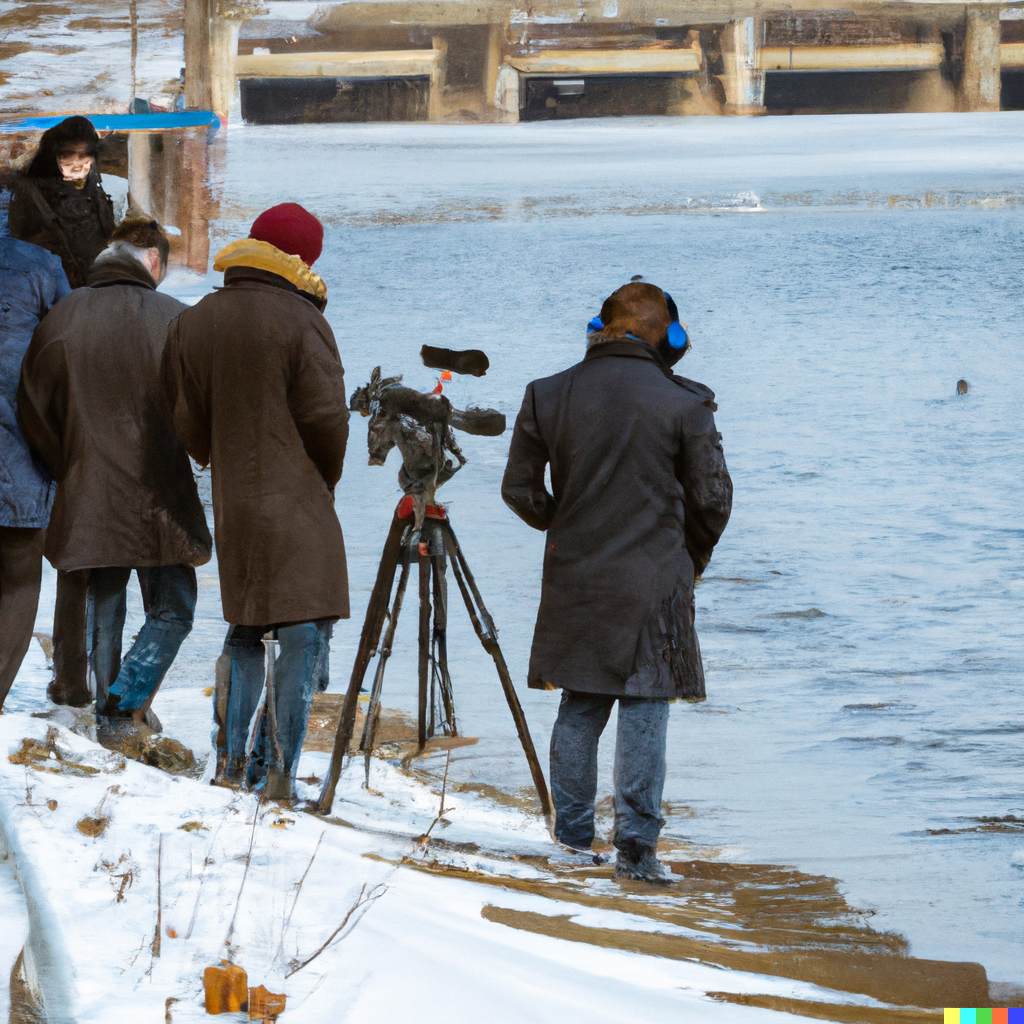
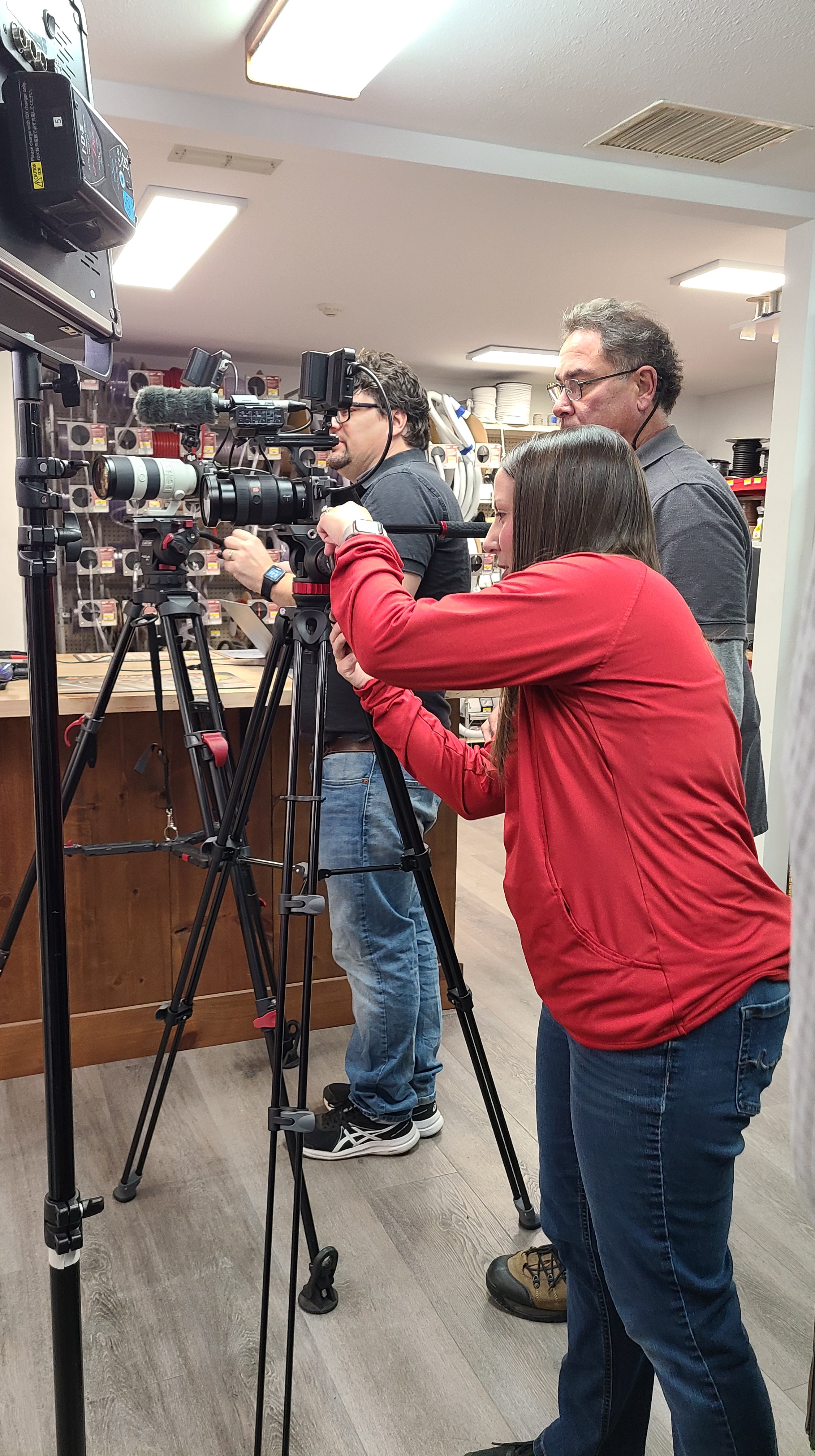
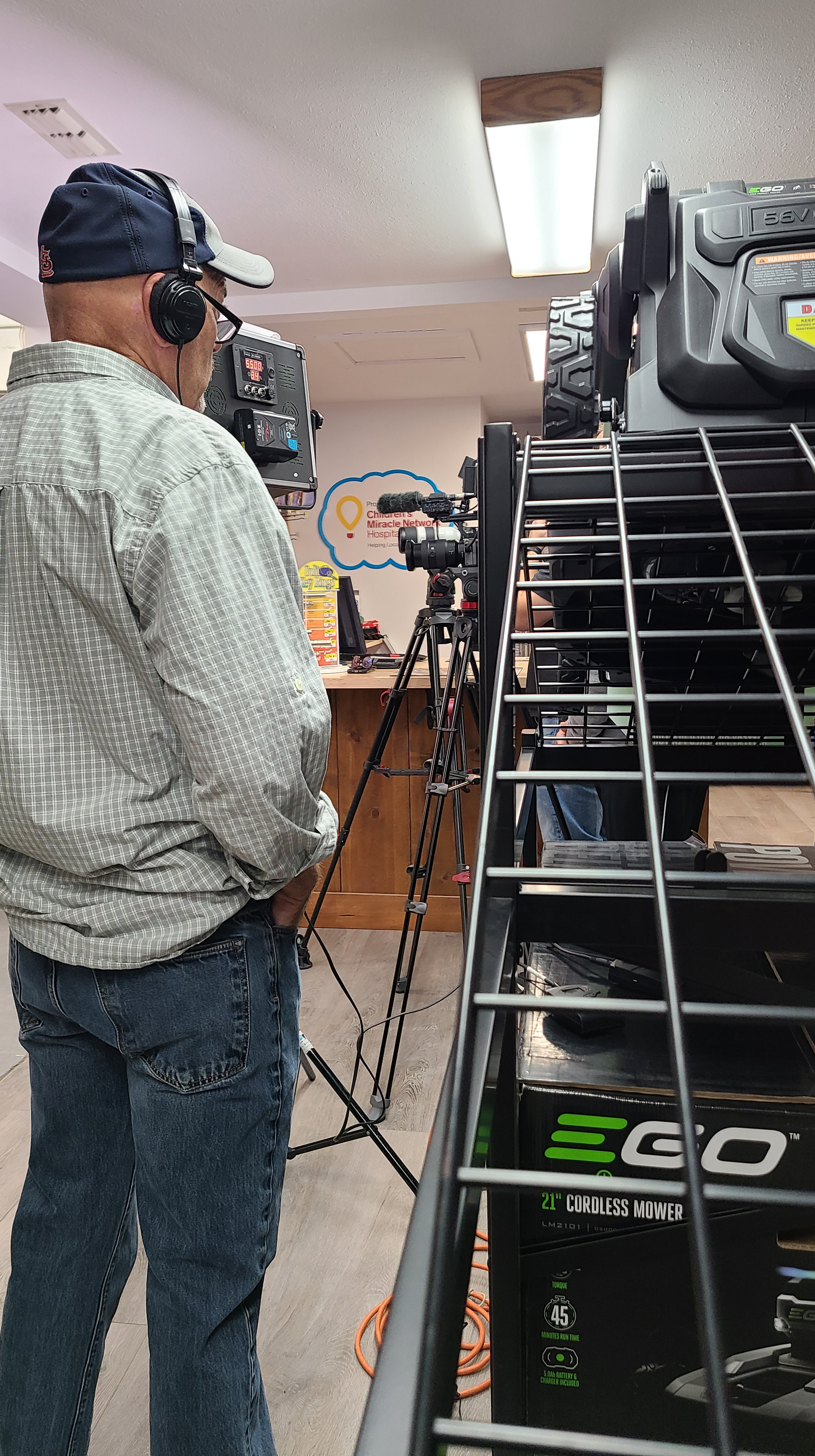
Video ground crew taping interviews and b-roll at ACE Hardware.
Types of Aerial Footage
When incorporating aerial footage into your video, there are several different types of shots you can use. For example, you can use wide-angle shots to capture the entire scene and give viewers a sense of the landscape. You can also use medium shots to focus on a specific area, or you can use close-up shots to create intense and dramatic visuals.
In addition, you can also use low-altitude shots to create a sense of intimacy and urgency, or you can use high-altitude shots to give viewers a sense of perspective and scale. You can also use tracking shots to follow a subject and create a sense of movement, or you can use static shots to emphasize a moment or draw out a scene.
Tips for Combining Aerial and Ground Footage
When combining aerial and ground footage, it’s important to think strategically about how the two formats can be used together to create a captivating video. Here are some tips for combining aerial and ground footage:
Use a variety of different shots. By using a variety of shots from different angles and perspectives, you can create a more dynamic and engaging video.
Think about the story. When combining aerial and ground footage, think about how each shot fits into the story you’re trying to tell.
Balance the two formats. Make sure to use a balanced mix of aerial and ground footage, so that neither format overpowers the other.
Use transitions. When transitioning from one shot to another, use creative transitions to keep viewers engaged.
Consider the lighting. Pay attention to the lighting in both aerial and ground shots, and make sure the two formats are well-balanced.
Best Practices for Editing Ground and Aerial Footage
When editing aerial and ground footage, it’s important to consider the different formats and how they interact with each other. Here are some best practices for editing aerial and ground footage:
Use color-correction. When editing aerial and ground footage, use color-correction to ensure that the two formats match in terms of color and tone.
Match the tempo. When combining aerial and ground footage, make sure that the tempo of each format is matched. This will create a more cohesive and unified video.
Add music. Music can help to tie the two formats together and create a more captivating video.
Use effects. Effects such as slow motion and time-lapses can help to create a more dynamic and engaging video.
Consider sound design. Sound design can help to create a more immersive experience for viewers, and can be used to transition between shots.
Creative Ways of Incorporating Ground and Aerial Footage
When incorporating aerial and ground footage into your video, it’s important to be creative and think outside the box. Here are some creative ways of incorporating aerial and ground footage:
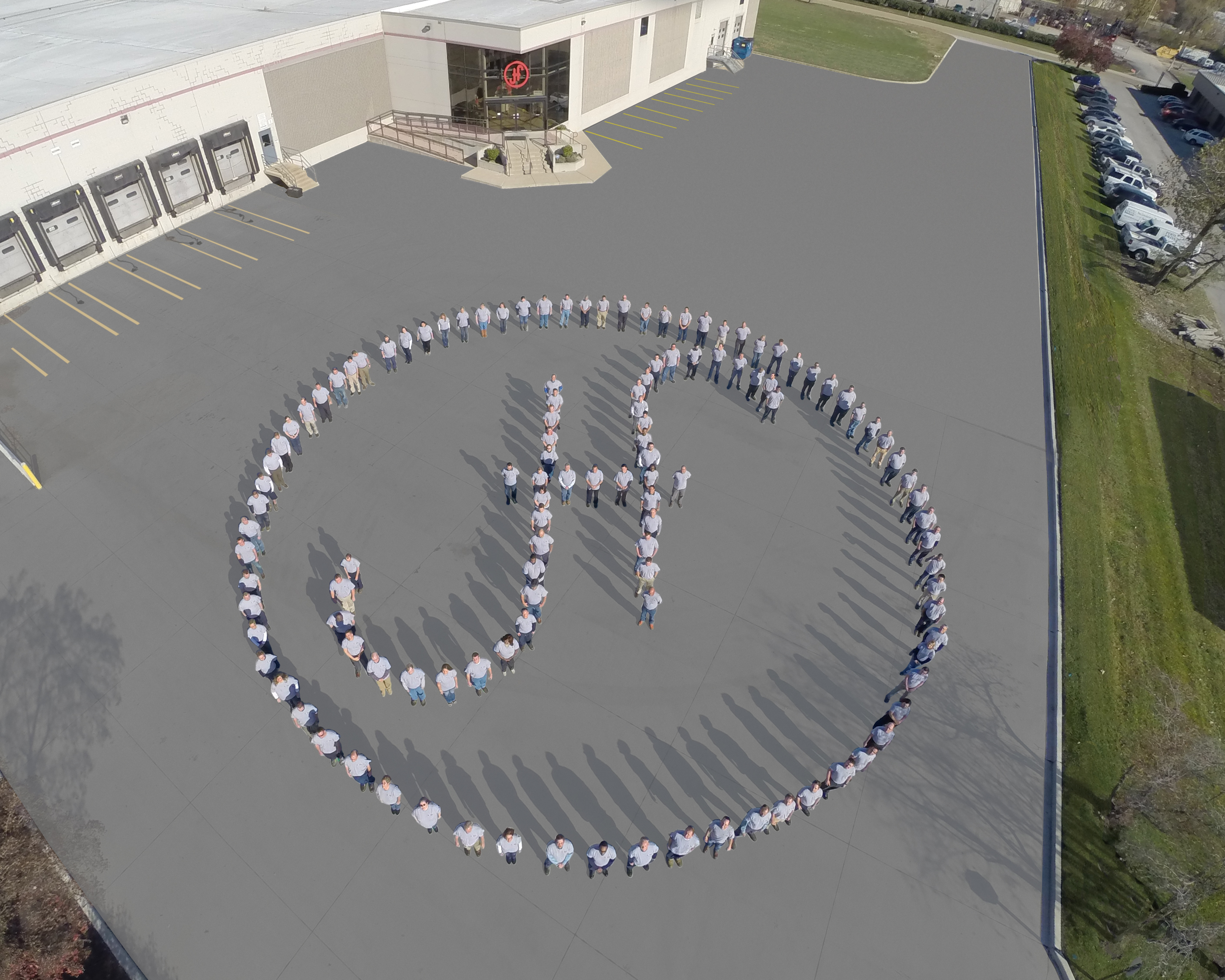
Use the aerial footage to give viewers a sense of scale. For example, you can use aerial footage to show how small a person is compared to the environment around them.
Use the aerial footage to emphasize a moment. For example, you can use aerial footage of a crowd to emphasize the emotion of the moment.
Use the aerial footage to create an introduction. For example, you can use aerial footage to introduce a scene and set the tone for the video.
Use the aerial footage to create a transition. For example, you can use aerial footage to transition from one scene to another.
Use the aerial footage to show the passage of time. For example, you can use aerial footage to show the progression of a day or the passing of a season.
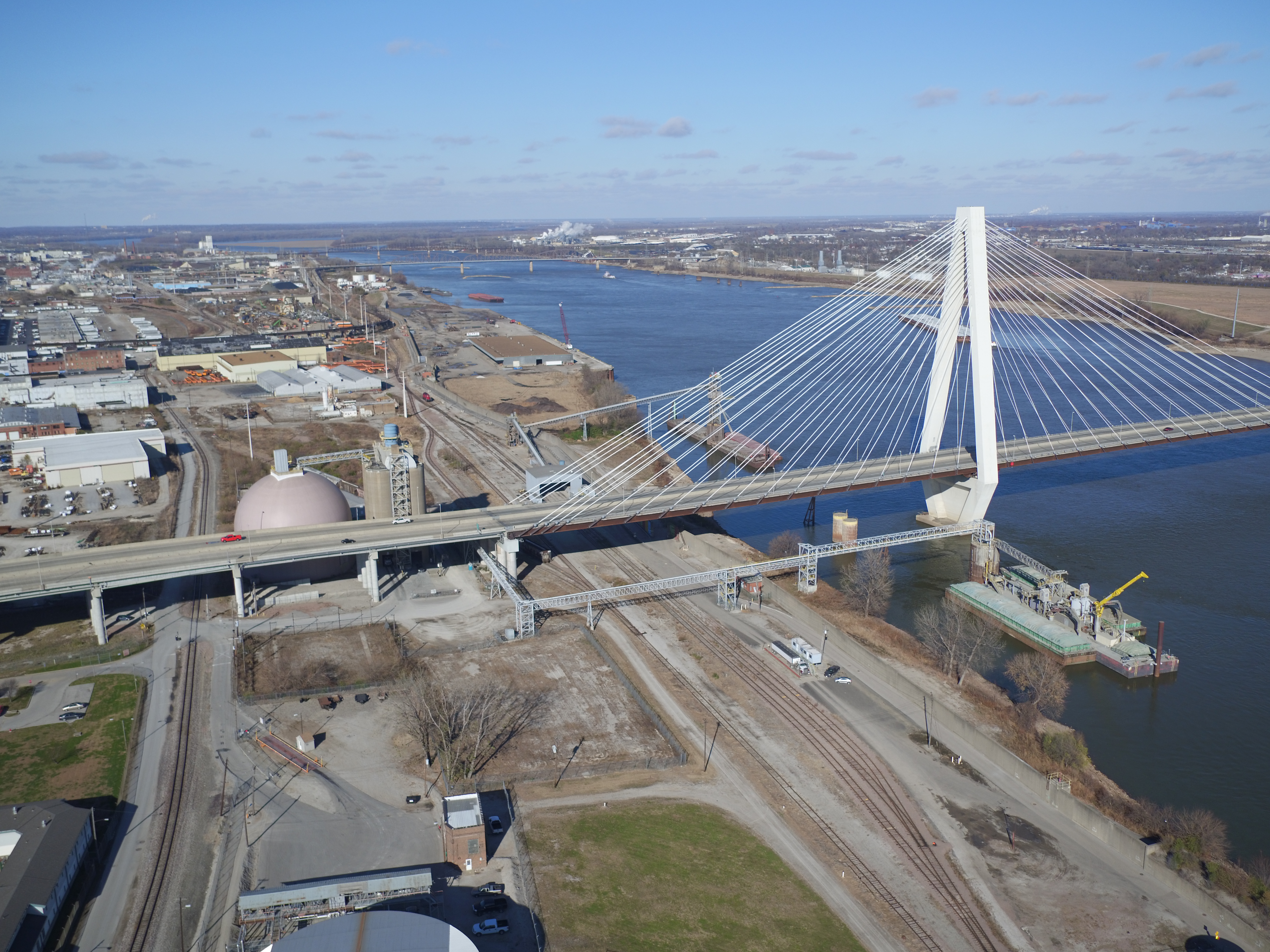
Birdseye view aerial of city intersection b-roll footage for interviews.
Tips for Shooting Great Aerial and Ground Footage
When shooting aerial and ground footage, there are several tips to keep in mind. Here are a few tips for shooting great aerial and ground footage:
Use a high-quality camera. By using a high-quality camera, you can ensure that your footage is sharp and vibrant.
Use a stabilizer. When shooting aerial footage, make sure to use a stabilizer to keep your shots steady and smooth.
Use a gimbal. When shooting ground footage, make sure to use a gimbal to keep your shots stable and level.
Use a drone. When shooting aerial footage, make sure to use a drone to get the best angles and perspectives.
Use a tripod. When shooting ground footage, make sure to use a tripod to keep your shots steady and consistent.
Common Mistakes to Avoid When Combining Aerial and Ground Footage
When combining aerial and ground footage, there are several mistakes to avoid. Here are some common mistakes to avoid when combining aerial and ground footage:
Not using a variety of shots. Make sure to use a variety of shots from different perspectives and angles to create a dynamic and engaging video.
Not considering the story. Make sure to consider how each shot fits into the story you’re trying to tell, and how the aerial and ground footage can be used together to create a narrative arc.
Not balancing the two formats. Make sure to use a balanced mix of aerial and ground footage, so that neither format overpowers the other.
Not using transitions. When transitioning from one shot to another, make sure to use creative transitions to keep viewers engaged.
Not considering the lighting. Pay attention to the lighting in both aerial and ground shots, and make sure the two formats are well-balanced.
Conclusion
Aerial and ground footage can be used together to create a powerful and captivating video. By using the different perspectives of aerial and ground footage, you can create a narrative arc that will keep viewers engaged and help them understand the story. In addition, by using a variety of shots from different angles and perspectives, you can create a more dynamic and engaging video. Finally, by using creative transitions and considering the lighting, you can create a visually stunning video that stands out from the crowd. By following these tips and avoiding common mistakes, you’ll be able to incorporate ground video footage with aerial shots for maximum impact.
stlouisdrones@gmail.com Robert Haller, Drone Specialist 314-604-6544
Aerial Drone Shooting and editing commercial and residential real estate is one of our specialties.
We understand that sometimes a standard video edit, or simple photo footage is not enough to peak a potential client’s interest…
So we specialize in editing your videos with custom “callouts” and high end creative graphics to establish neighboring properties and businesses, local demographics and info a high end video that will compel your audience.
st louis commercial real estate drone photography
We can capture footage both inside and from the air. We can also make orthomosaic maps of the property with an astonishing level of detail.
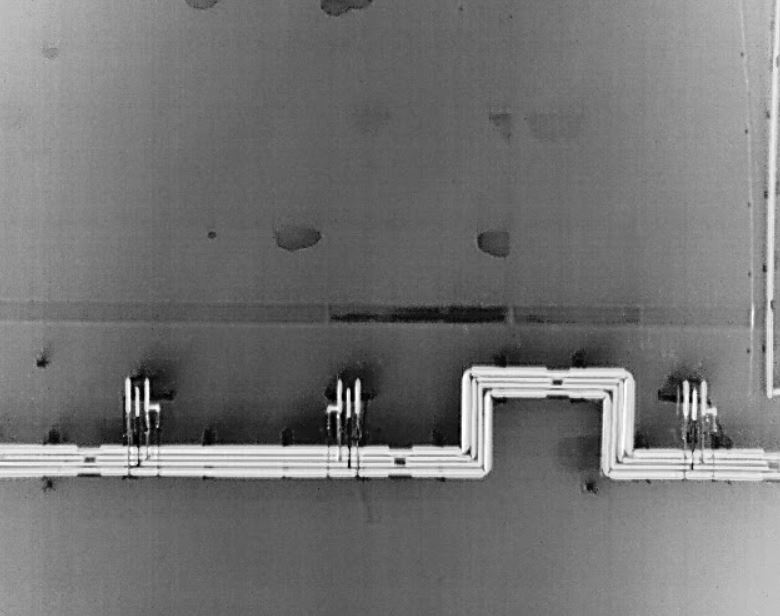
drone thermal industrial roof
Many of our first jobs were residential real estate listings, combing the brokerages around town, looking for those first jobs as drone pilots.
We’ve got packages to fit whatever your marketing budget may be.
stlouisdrones@gmail.com
Robert Haller, Drone Specialist
314-604-6544
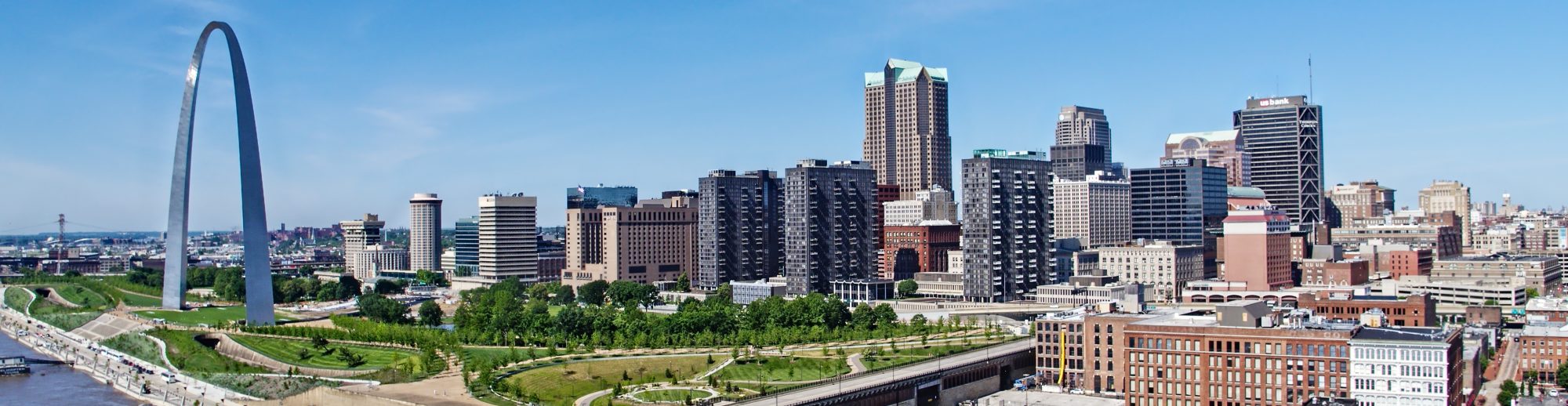
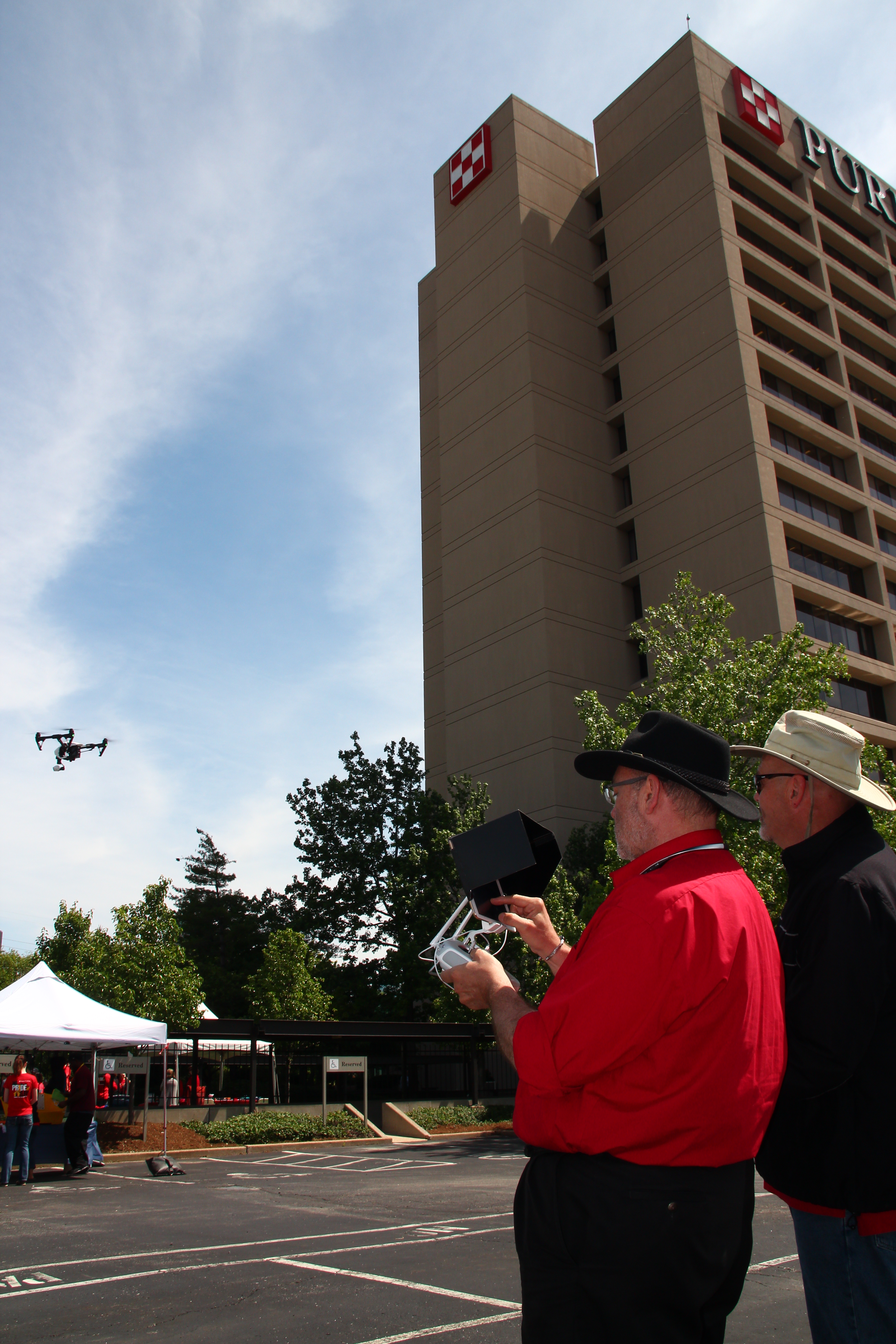
We often are called upon to shoot for producers around the country for St Louis Aerial Footage. So we have to do it creatively and properly. We know the best times and the safest areas for best visual advantages. We are licensed and fully insured. We’ve shot for CNN, CBS, TBS, NBC and other large and small broadcasters. We’ve shot hundreds of segments for documentaries and programs about St Louis. And yes, we’re approved to shoot at night as well. We can help you too!
stlouisdrones@gmail.com Robert Haller, Drone Specialist 314-604-6544

























 St Louis Drones